This post contains affiliate links. This means I may earn a small commission if you purchase through my links at no extra cost to you.
You are to read: Gentle Valentine’s Activities Toddlers Can Truly Enjoy.
Valentine’s Day actvity with a toddler doesn’t fail because parents don’t try hard enough. It fails because most Valentine’s activities are designed for children who can sit still, follow steps, and tolerate stimulation for longer than a few minutes. Toddlers can’t, and they shouldn’t be expected to.
At that stage, children experience the world through familiarity, rhythm, and short moments of engagement.
When Valentine’s Day suddenly brings unfamiliar expectations, and pressure to “do something special,” toddlers often respond the only way they know how: which can be withdraw, resist, or become unsettled. What looks like disinterest or being upset is usually a sign that the activity simply doesn’t match their developmental needs.
A gentler approach works better. Toddlers enjoy activities that feel predictable, open-ended, and easy to step away from. They don’t need themed crafts or finished results to feel loved. What they respond to most are calm environments, shared attention, and small variations on routines they already trust.
This post focuses on gentle Valentine’s activities toddlers can truly enjoy, ideas that respect their limits, protect their emotional regulation, and fit naturally into everyday life.
These are realistic, age-appropriate ways to celebrate without overstimulation, frustration, or pressure to perform, so Valentine’s Day feels warm, and genuinely enjoyable for both parent and little one.
You should read: How To Make A Valentine Box For School
Why Gentle Valentine’s Activities Matter for Toddlers
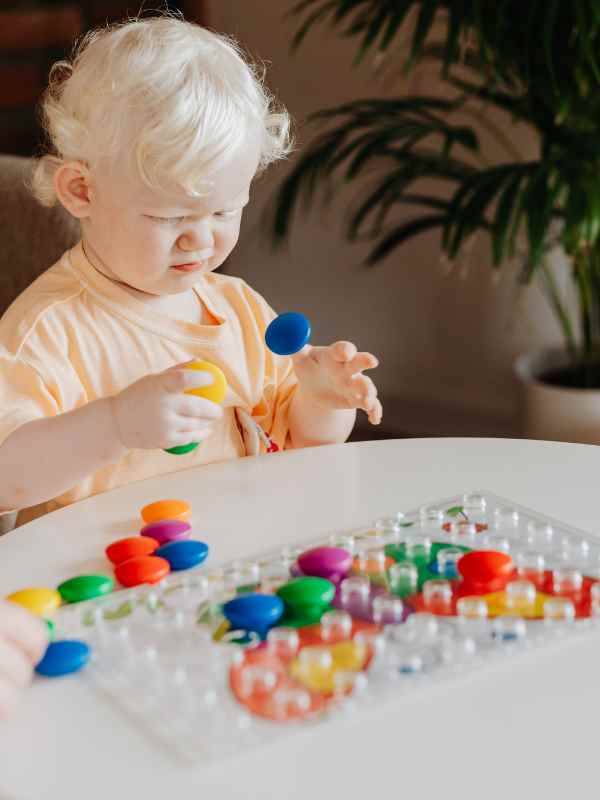
Toddlers have short attention spans, limited patience, and high sensitivity to new experiences. That’s why many traditional Valentine’s crafts, glitter, glue, and multi-step projects, often overwhelm them.
When activities are too complicated or overstimulating, toddlers can become frustrated, restless, or disengaged, making what should be a joyful moment stressful for both parent and child.
Gentle Valentine’s activities work differently. They focus on familiar materials, predictable routines, and simple interactions that toddlers can easily understand.
These activities support emotional regulation, sensory comfort, and calm engagement, turning Valentine’s Day into a connection-focused experience rather than a performance or a checklist.
By respecting your toddler’s developmental needs, you create moments they can truly enjoy and remember that strengthen your bond.
What Makes an Activity Truly Toddler-Gentle?

Not all Valentine’s activities are created equal. A truly toddler-friendly Valentine activity follows a few simple principles that make it easy for toddlers to participate, and for parents to feel confident.
Key features of toddler-gentle Valentine activities:
- Minimal setup and cleanup – Activities should be simple to prepare and easy to put away, so they don’t add stress to your day.
- Open-ended play – There’s no right or wrong outcome. Toddlers can explore at their own pace, keeping the experience pressure-free.
- Safe, familiar materials – Use items your toddler already knows and loves. This reduces anxiety and supports comfort.
- Easy to stop and restart – Toddlers may shift attention quickly; activities should allow for breaks or pauses without causing frustration.
- Focus on comfort, movement, or connection – Gentle Valentine’s activities can include simple sensory play, calm music and movement, or cozy shared reading moments.
These gentle Valentine’s activities for toddlers aren’t about perfection or worthy results. They are about creating calm, engaging, and meaningful moments that your toddler can enjoy while keeping your day manageable and stress-free.
Gentle Valentine’s Activities Toddlers Can Truly Enjoy
Toddlers thrive when Valentine’s Day activities are simple, familiar, and low-pressure. The following ideas are gentle, engaging, and designed to work with your child’s natural curiosity and attention span. These are truly Gentle Valentine’s Activities Toddlers Can Truly Enjoy, without overwhelming you or them.
1. Heart-Themed Sensory Bin (Soft, Safe, and Familiar)
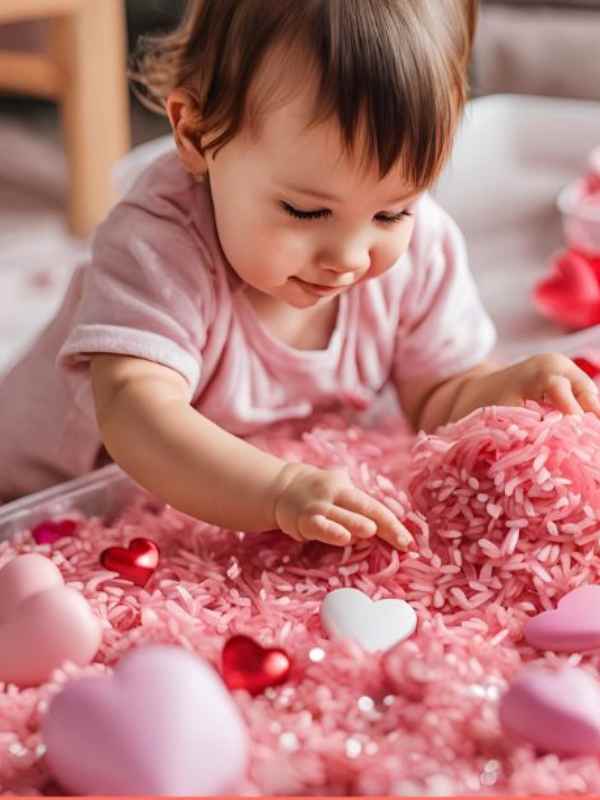
Photo credit: @ Mommy Pauline
Ideal for: 12–36 months
- Younger toddlers can explore textures freely.
- Older toddlers can try sorting by color or size.
Materials:
- Shallow bin or tray
- Soft felt hearts, pom-poms, fabric scraps in red, pink, white
- Small cups, spoons, or scoops (optional)
How to do it (step-by-step):
- Place all soft items in a shallow bin or tray.
- Introduce the bin to your toddler, letting them touch, scoop, or move the items freely.
- Demonstrate an action once (like dropping a pom-pom into a cup), then step back and allow independent play.
- Encourage exploration by talking softly about textures or colors: “This heart feels soft!” or “Look at the pink one!”
- Let your toddler play as long as they are interested, without giving instructions or correcting placement.
Why toddlers enjoy it:
The tactile experience engages their senses, promotes hand-eye coordination, and supports curiosity in a safe environment.
Parent tip:
Place a washable mat underneath for easy cleanup. Rotate materials weekly to keep interest high.
2. Valentine’s Board Book Reading Time

Ideal for: 12–36 months
- Short, interactive sessions work best for toddlers.
- Can be adapted for slightly older toddlers by asking more questions.
Materials:
- Board books featuring hearts or Valentine themes
- Blanket, cushion, or favorite stuffed toy
How to do it:
- Pick a calm, quiet spot to sit together.
- Let your toddler hold or turn the pages.
- Read slowly, emphasizing repetition and rhythm in the words.
- Ask gentle, engaging questions: “Can you find the red heart?” or “What color is this heart?”
- Pause if your toddler gets distracted, and follow their attention. Resume only if they’re interested.
- Repeat favorite pages or phrases to reinforce recognition and comfort.
Benefits for toddlers:
Repetition and predictable patterns are comforting. Toddlers learn new words, colors, and concepts while sharing quality time.
Parent insight:
Keep reading sessions short (5–10 minutes). Let your toddler guide the pace.
-
Soft Music & Gentle Movement Play

Ideal for: 12–36 months
- Younger toddlers may sway or clap.
- Older toddlers can march, bounce, or imitate movements.
Materials:
- Calm Valentine-themed songs or lullabies
- Open space for movement
How to do it:
- Play music at a soft volume.
- Invite your toddler to move naturally: sway, march, bounce, or clap.
- Join in with simple actions—demonstrating rather than instructing.
- Narrate movements lightly: “Let’s sway like a heart floating!”
- Pause or end the session when your toddler shows they’ve lost interest.
Why toddlers enjoy it:
Music encourages rhythm, energy release, and coordination while being a playful bonding experience.
Parent tip:
Keep movements calm to prevent overstimulation. Focus on enjoyment, not choreography.
4. Heart Sticker Free Play
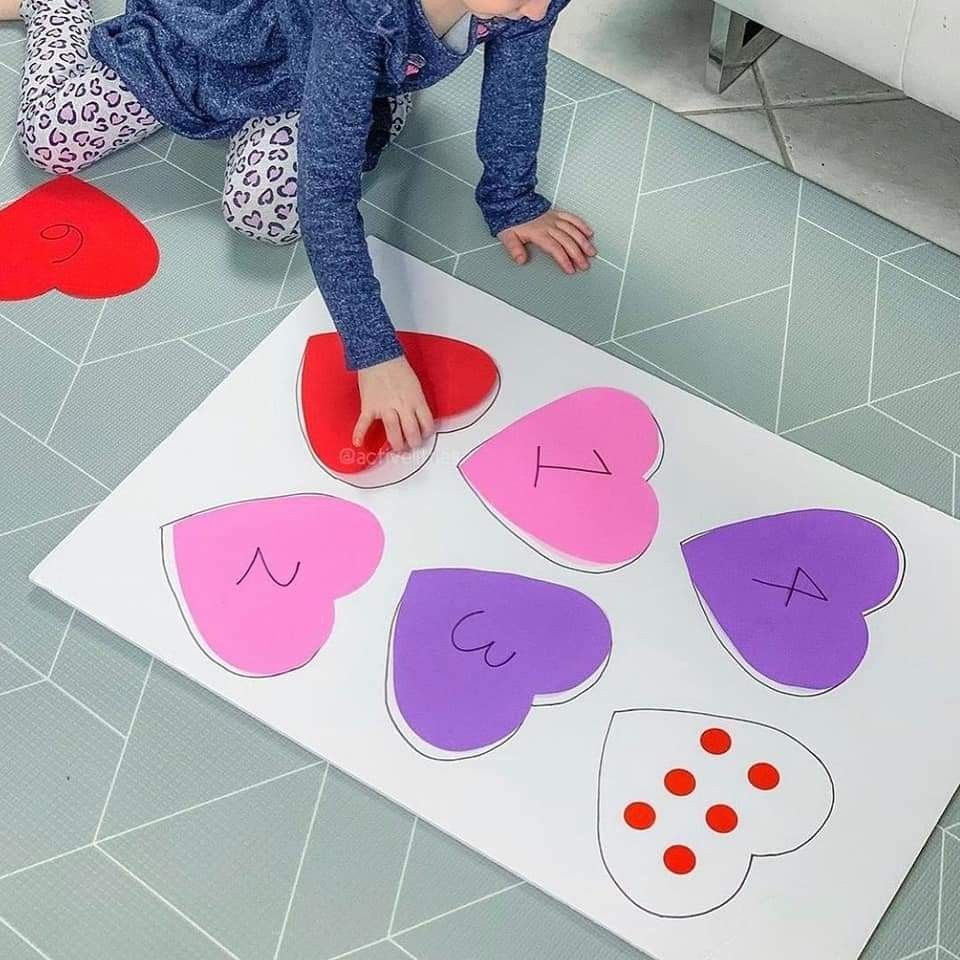
Photo credit: @ anna
Ideal for: 18–36 months
- Younger toddlers may stick larger stickers freely.
- Older toddlers can try patterns or group colors.
Materials:
- Heart-shaped stickers in different sizes
- Paper or cardboard sheets
How to do it:
- Lay out stickers and paper in an accessible area.
- Let your toddler explore placement freely, no templates, no guidance.
- Demonstrate once by sticking a heart anywhere on the page, then allow your toddler to copy or create their own design.
- Praise effort: “I love how you put the heart there!”
- Allow peeling and sticking multiple times if your toddler wants to redo placement.
Why toddlers enjoy it:
They develop independence, fine motor skills, and creativity while exploring textures.
Parent tip:
Use larger stickers for younger toddlers to avoid frustration. Expect and embrace “messy placement.”
5. Color Sorting With Valentine Colors
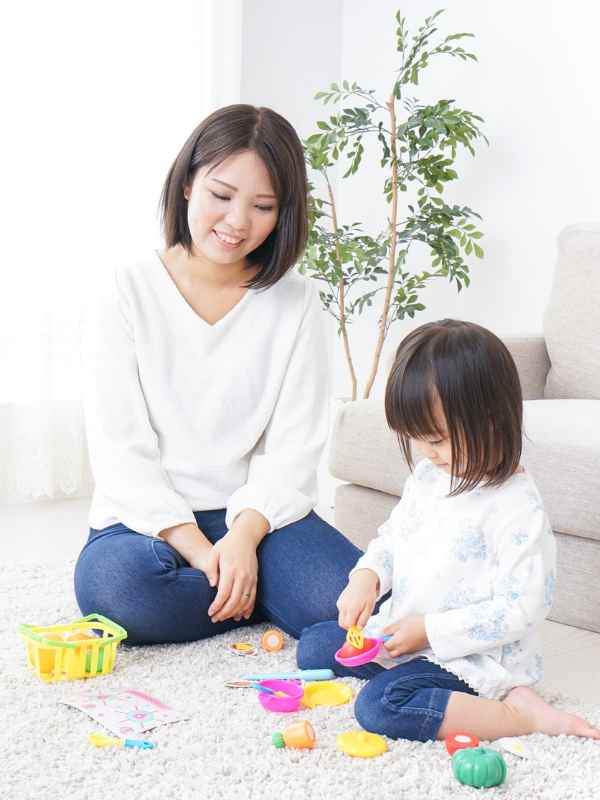
Ideal for: 18–36 months
- Younger toddlers focus on matching colors.
- Older toddlers can sort by size or create simple patterns.
Materials:
- Cups or small bowls in red, pink, and white
- Objects to sort: pom-poms, blocks, buttons, or fabric pieces
How to do it:
- Scatter objects on a low table or mat.
- Demonstrate sorting by placing one object in a matching-colored cup.
- Invite your toddler to try, letting them sort at their own pace.
- Encourage verbal recognition: “This one is red!”
- When interest wanes, end the activity and optionally repeat another day.
Why it works for toddlers:
Sorting develops color recognition, fine motor control, and problem-solving skills in a calm and playful way.
Parent recommendation:
Ensure all objects are age-appropriate. Keep sessions short to prevent frustration.
-
Cuddle & Story Routine With Valentine Themes
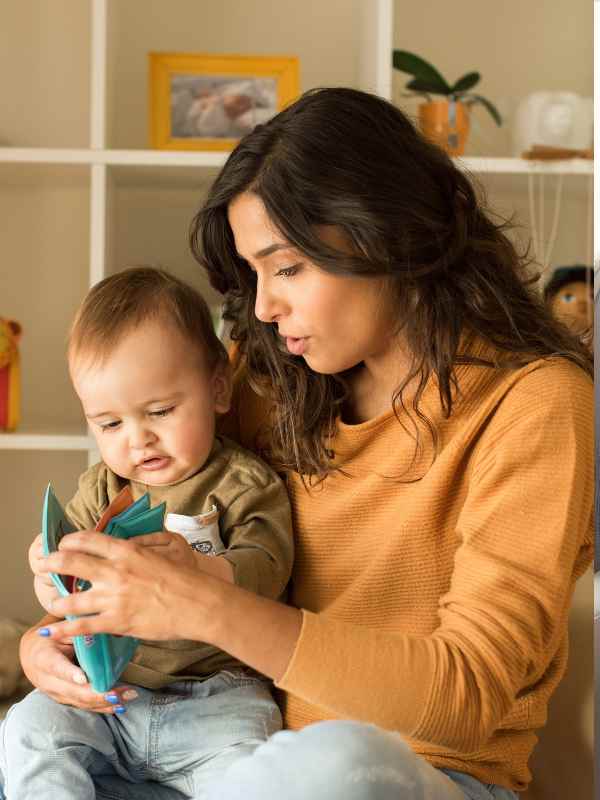
Ideal for: 12–36 months
- Routine can be part of morning, nap, or bedtime.
- Works well for all toddlers who enjoy snuggling and shared reading.
Materials:
- Short Valentine-themed story or board book
- Blanket or favorite stuffed animal
How to do it:
- Settle into a familiar spot for a cozy routine.
- Read aloud slowly, letting your toddler hold or point to characters and hearts.
- Pause for interaction: “Can you show me the heart?”
- Keep the story short and predictable, repeating favorite phrases for comfort.
- End when your toddler shows interest in moving on.
Developmental benefits::
Routines give comfort and consistency, while a Valentine’s theme makes it feel special without stress.
Tips for parents:
The routine is more important than novelty, focus on connection, not complexity.
-
Simple Pretend Play (Stuffed Animals & Care Play)
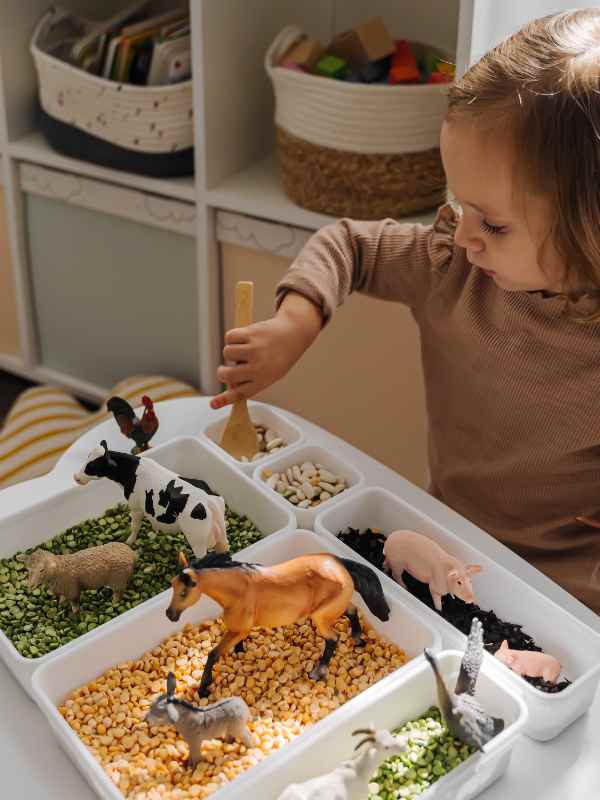
Ideal for: 18–36 months
- Younger toddlers enjoy hugging and feeding toys.
- Older toddlers can engage in imaginative scenarios and storytelling.
Materials:
- Stuffed animals or dolls
- Optional: small heart props or pretend food
How to do it:
- Gather a few stuffed animals or dolls.
- Invite your toddler to care for them: hugging, feeding, or giving a “heart.”
- Model gentle actions without correcting them.
- Encourage storytelling: “Let’s give this bear a hug!”
- Allow your toddler to lead the play, stepping in only to guide safety.
Why toddlers enjoy it:
Pretend play builds empathy, social skills, and imaginative thinking.
Parent tip:
Always supervise small objects or props for safety.
-
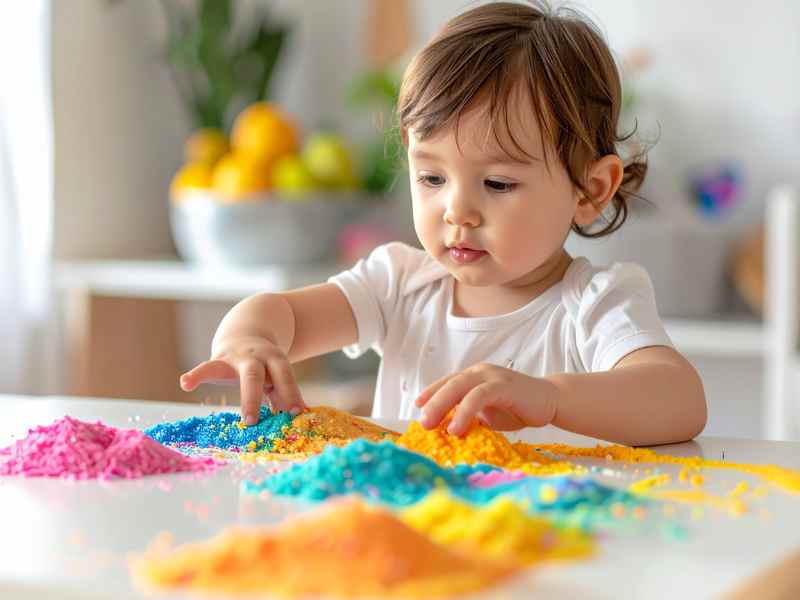
Sensory Art With Fingers
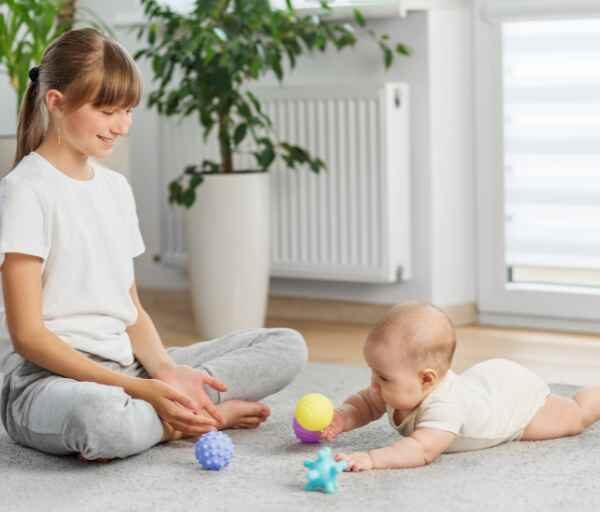
Ideal for: 12–36 months
- Younger toddlers enjoy texture exploration.
- Older toddlers may attempt basic shapes or color mixing.
Materials:
- Washable paint, yogurt, pudding, or colored water
- Large paper, tray, or mat
- Smock or old clothes
How to do it:
- Spread materials on paper or tray.
- Let your toddler explore freely using fingers or safe tools.
- Describe sensations: “The paint feels soft and squishy!”
- Allow mixing, stamping, or spreading, no pressure to form shapes.
- End the activity when your toddler loses interest.
Developmental benefits:
Sensory play encourages creativity, exploration, and tactile learning.
Parent suggestion:
Protect surfaces and clothes. Focus on the process, not a finished product.
-
Heart Hunt Around the Room
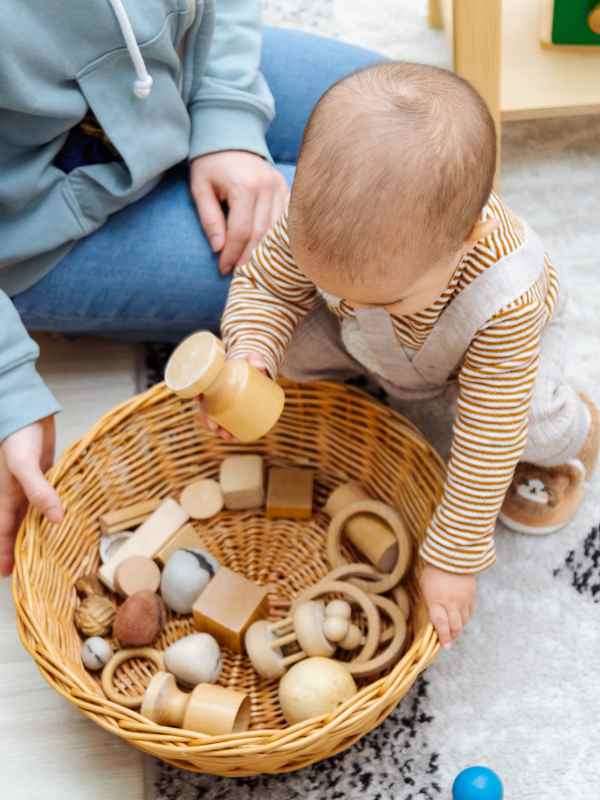
Ideal for: 18–36 months
- Younger toddlers: fewer, easy-to-find hearts.
- Older toddlers: hide more or include slightly harder locations.
Materials:
- Paper or foam hearts
- Small basket or container
How to do it:
- Hide 5–10 hearts in low, reachable spots.
- Invite your toddler to find them at their own pace.
- Praise each discovery: “You found a pink heart!”
- Rearrange hearts for repeat play if your toddler wants.
Why toddlers enjoy it:
It encourages exploration, movement, and gentle problem-solving.
Parent tip:
Adjust the number of hearts based on energy and attention span. Keep the activity stress-free.
10. Snack Time With Heart Shapes
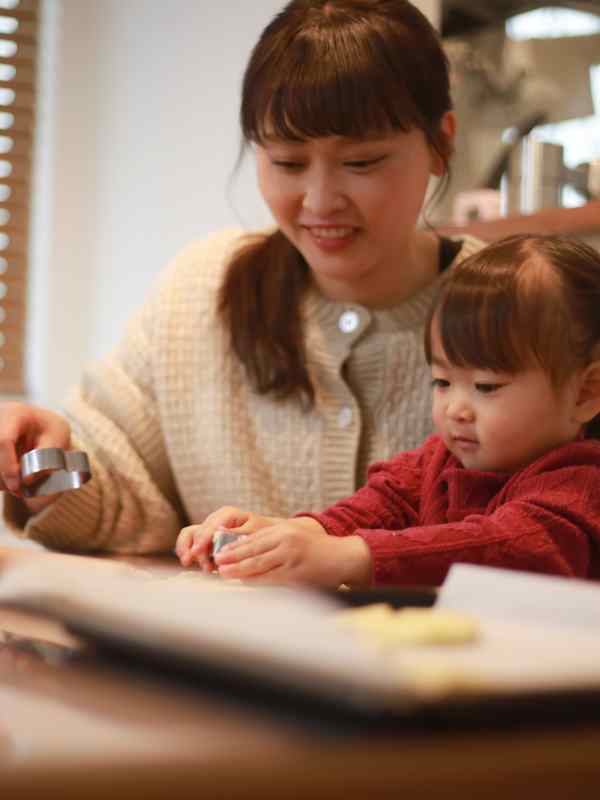
Ideal for: 12–36 months
- Younger toddlers: explore shapes and colors without pressure to eat.
- Older toddlers: participate in arranging and naming foods.
Materials:
- Fruit, sandwiches, or vegetables
- Heart-shaped cookie cutters (optional)
How to do it:
- Cut snacks into heart shapes using cookie cutters.
- Let your toddler arrange snacks on their plate.
- Encourage tasting, naming colors, or sharing pieces.
- Avoid pressuring them to eat everything.
Benefits for toddlers:
They get hands-on interaction and creative participation without added sugar or stress.
Parental guidance:
Focus on involvement and fun. Participation matters more than eating all the food.
Unrelated Post You Should Read: DIY Vision Board Crafts for New Year Goals and DIY Christmas Crafts From Recycled Materials
How to Keep Valentine’s Day Calm and Enjoyable for Toddlers
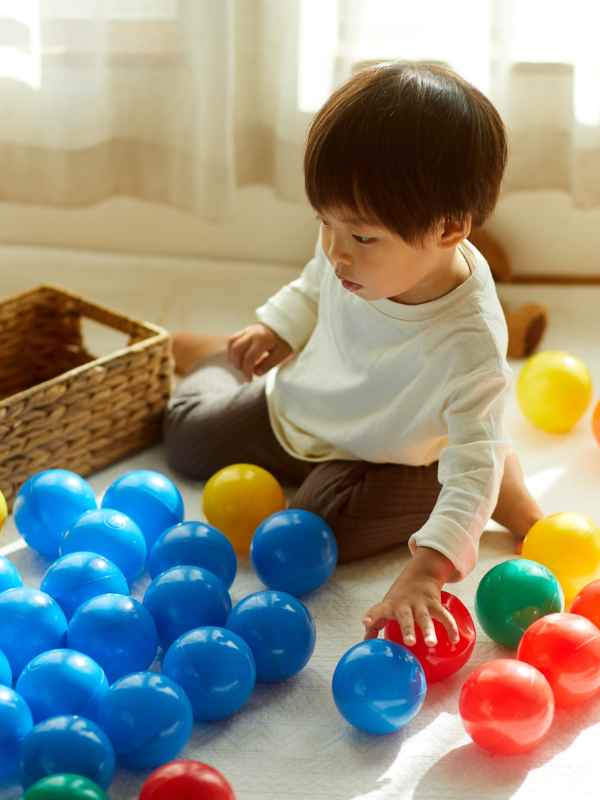
Valentine’s Day can feel overwhelming for parents trying to plan activities, but the key is simplicity and observing your child’s cues.
When choosing Gentle Valentine’s Activities Toddlers Can Truly Enjoy, remember that calm, low-pressure, and age-appropriate activities are far more effective than elaborate crafts or busy schedules.
- Follow Your Toddler’s Cues
Watch for signs of interest or fatigue. If your toddler is engaged, continue; if they show disinterest or frustration, it’s okay to stop. Following their lead ensures that activities remain fun rather than stressful.
- One Activity Is Enough
You don’t need to plan a full day of Valentine’s crafts, games, and snacks. Choosing one or two gentle Valentine’s activities keeps the day manageable and enjoyable for both parent and child.
- Familiar Routines Still Matter
Toddlers thrive on consistency. Incorporate Valentine-themed activities into regular routines, reading time, snack time, or movement play, so the day feels special but not overwhelming.
- Stopping Early Is Success
It’s more important that your toddler enjoys the activity than completing it perfectly. Ending early while your toddler is happy reinforces positive experiences and keeps them looking forward to future toddler-friendly Valentine activities.
By focusing on Gentle Valentine’s Activities Toddlers Can Truly Enjoy, parents can create a stress-free, meaningful, and memorable Valentine’s Day that celebrates connection, not perfection.
Common Valentine’s Day Mistakes Parents Can Skip
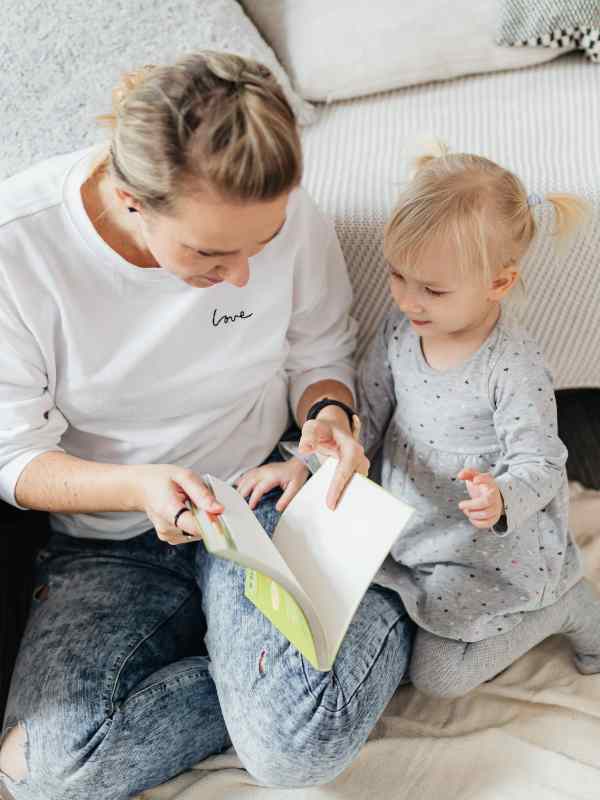
When planning gentle Valentine’s activities toddlers can truly enjoy, many parents unintentionally add stress instead of fun. Avoiding these common pitfalls ensures a calm, enjoyable day for both toddlers and parents: Read too: The Most Common Crafting Mistakes Beginners Make
- Overplanning the Day
Trying to schedule multiple crafts, games, and snacks can overwhelm toddlers. Focus on one or two toddler-friendly Valentine activities to keep the day simple, manageable, and enjoyable.
- Expecting Toddlers to “Complete” Activities
Toddlers are naturally curious but have short attention spans. Let them explore at their own pace. Completion is not the goal,engagement, sensory exploration, and connection matter more.
- Comparing Your Child to Pinterest Photos
Pinterest-perfect crafts and setups can create unrealistic pressure. Remember, gentle Valentine’s activities for toddlers are about process, joy, and bonding, not picture-perfect results.
- Forcing Participation
Toddlers need freedom to choose. Pressuring them to join an activity can lead to frustration. Always follow your child’s cues and focus on age-appropriate, low-pressure Valentine ideas.
FAQ: Gentle Valentine’s Activities Toddlers Can Truly Enjoy
Q1: How can I celebrate Valentine’s Day with a toddler who doesn’t like crafts?
Not all toddlers enjoy crafting. You can focus on sensory play, storytime, music, or gentle movement activities instead. These alternatives are engaging, calm, and allow your toddler to participate in Valentine’s Day without frustration or pressure.
Q2: How do I know if an activity is suitable for my toddler?
Choose activities that match your toddler’s age, attention span, and developmental skills. For example, sensory bins are great for 12–36 months, while sticker play works best for 18–36 months. Always follow your toddler’s cues,if they lose interest, it’s okay to stop.
Q3: How many activities should I plan for Valentine’s Day?
One or two simple, toddler-friendly Valentine activities are enough. Overplanning can overwhelm toddlers and parents alike. Focus on quality time, bonding, and gentle play rather than completing multiple activities.
Q4: Can these activities be done at home?
Absolutely! Most gentle Valentine’s activities for toddlers use everyday items like paper, stickers, toys, or food. They require minimal setup and can be incorporated into your toddler’s familiar routines, making the day calm and enjoyable.
Q5: How can I make Valentine’s Day special if my toddler is shy around others?
Keep celebrations small and familiar. One-on-one activities with you at home, such as reading a Valentine-themed board book, sensory bins, or cuddle routines, allow shy toddlers to enjoy the day without stress or social pressure.
Q6: Are these activities safe for toddlers?
Yes. All activities are designed to be age-appropriate and low-risk, but always supervise toddlers, especially with small objects, food, or messy materials. Safety and comfort are the top priority.