This post contains affiliate links. This means I may earn a small commission if you purchase through my links at no extra cost to you.
Want cookies that stay soft and tasty? these spring cookies baked softly for sharing, gifting and small celebrations are perfect for any small gathering.
Soft cookies have a way of making ordinary moments feel celebratory. You might not have baked a batch yet, but you’ve probably noticed and tasted how irresistible a tender, melt-in-your-mouth cookie can be, the kind you want to share with a friend, give as a little gift, or serve at a small spring gathering.
The challenge is real: most cookies turn hard too quickly, or they’re so sweet they overpower the flavors you actually want to enjoy.
That’s why this guide is here. I’m sharing tips, flavor ideas, and clever presentation tricks that make soft spring cookies look and taste amazing, even if you’re not a baker.
By the end, you’ll know how to select the right cookies, keep them soft, make them look special, and gift or share them in ways that feel thoughtful, without stress or perfection.
Think of this post as your go-to blueprint for soft spring cookies that delight everyone, whether for sharing, gifting, or celebrating small moments.
You might find interesting: Soft and Sweet Valentine’s Day Sugar Cookies Made for Slow Baking Moments
Best Cookie Types That Stay Soft
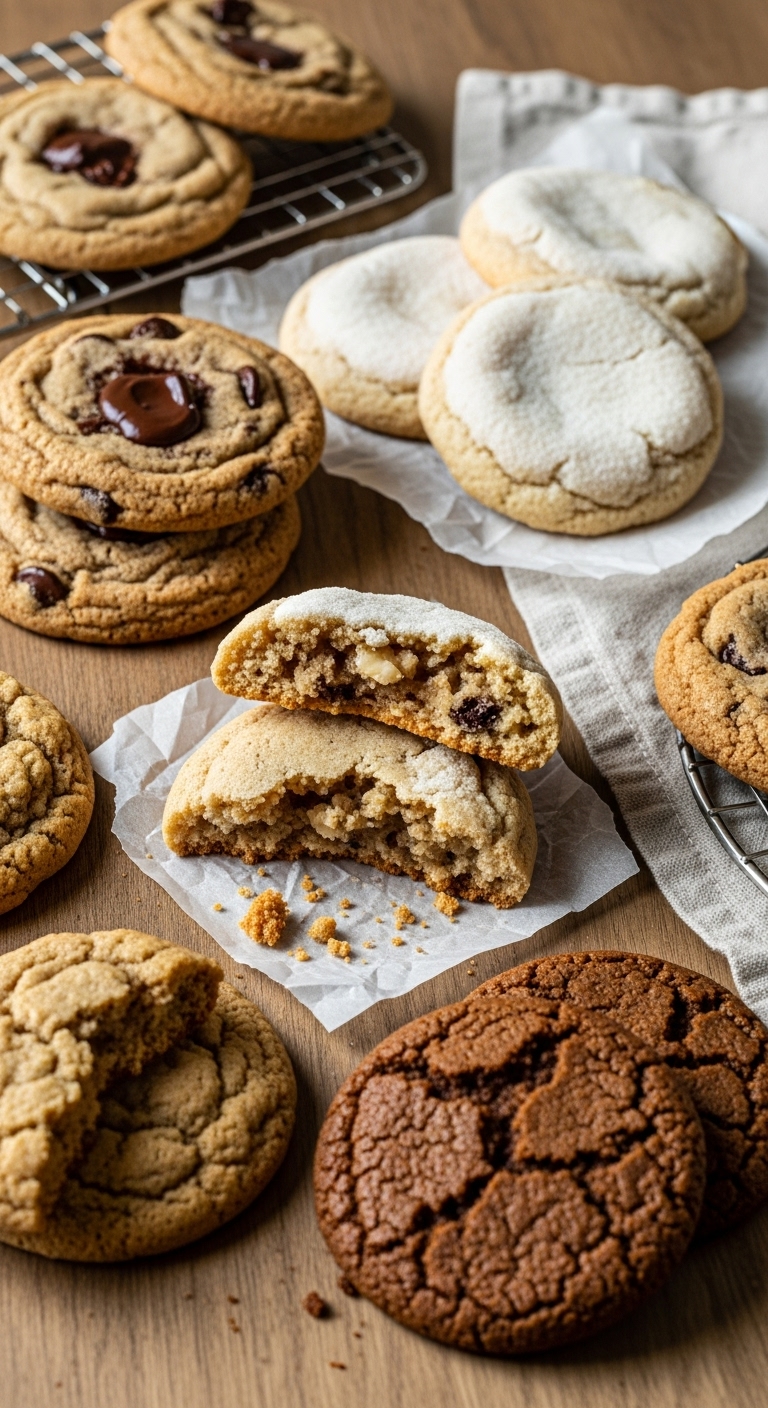
When it comes to soft cookies, some varieties naturally hold that melt-in-your-mouth texture better than others. These include:
- Sugar Cookies: Soft, buttery, and lightly sweet, sugar cookies are a classic canvas. Their simplicity makes them perfect for decorating or gifting.
- Snickerdoodles: Slightly chewy with a delicate cinnamon-sugar coating, these cookies are soft yet flavorful, making them a cozy spring favorite.
- Shortbread Cookies: Traditionally rich in butter and tender, soft shortbread is ideal for delicate gifting or pairing with tea.
- Soft Chocolate Chip Cookies: A crowd-pleaser, these cookies remain tender thanks to the right balance of butter and brown sugar, perfect for sharing at small gatherings.
- Lemon or Vanilla Butter Cookies: Subtle, fragrant, and tender, these cookies carry spring flavors beautifully without being overwhelming.
Reason some cookies stay soft: The key lies in ingredient ratios, flour type, and fat content. Cookies high in butter or oil, and with a portion of brown sugar instead of all white sugar, naturally retain moisture.
Cake flour or a small addition of cornstarch can make cookies extra tender. Overmixing flour can develop gluten, making cookies tough, so gentle mixing is crucial.
By choosing a cookie type with these qualities in mind, you set yourself up for success, even if you’re baking for the first time.
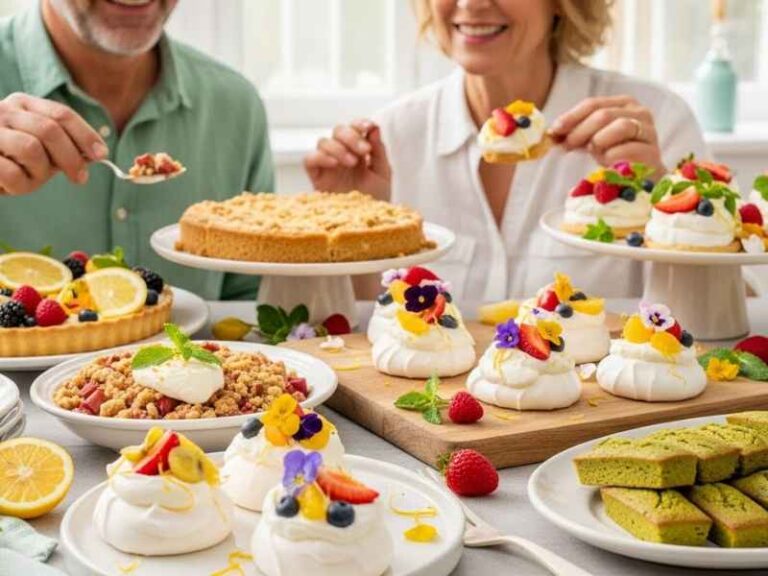
This guide covers: Spring Desserts That Feel Light, Fresh, and Easy to Enjoy
Seasonal Flavor Infusions
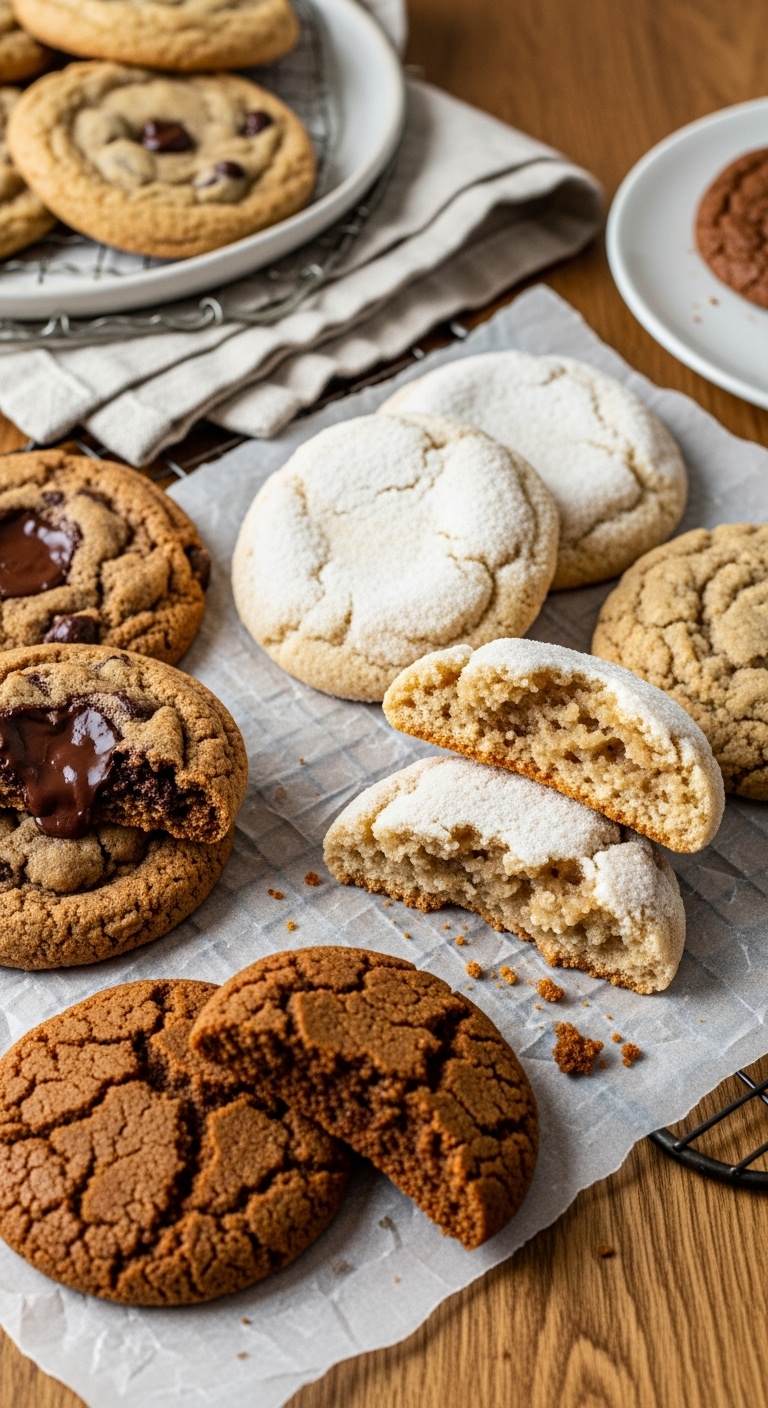
Spring is all about fresh, light, and vibrant flavors, and the right infusions can elevate a cookie from ordinary to memorable:
- Lavender: Just a hint adds a floral, springtime aroma that taste delicate and sophisticated.
- Citrus Zest (lemon, orange, or lime): Brightens the cookie instantly and gives a fresh, clean flavor.
- Strawberry or Other Soft Berries: Sweet, slightly sour, and colorful, berries make cookies feel playful and seasonal.
- Elderflower or Other Mild Floral Notes: Gives gentle, unexpected flavors that feel luxurious but subtle.
- Mild Spices (cardamom, ginger, or cinnamon): Adds warmth without overpowering the delicate spring palette.
These flavors should complement the cookie, not dominate it.
Keep This in Mind: If you’re aiming to gift or serve these cookies, pick one cookie type and layer a soft seasonal flavor.
This ensures the cookie stays soft, visually appealing, and universally loved, perfect for small celebrations or thoughtful gifting. Check this post: Quick No-Bake Desserts You Can Make Without Turning on the Oven — Kids Will Love Them
Choosing the Right Cookies for Spring
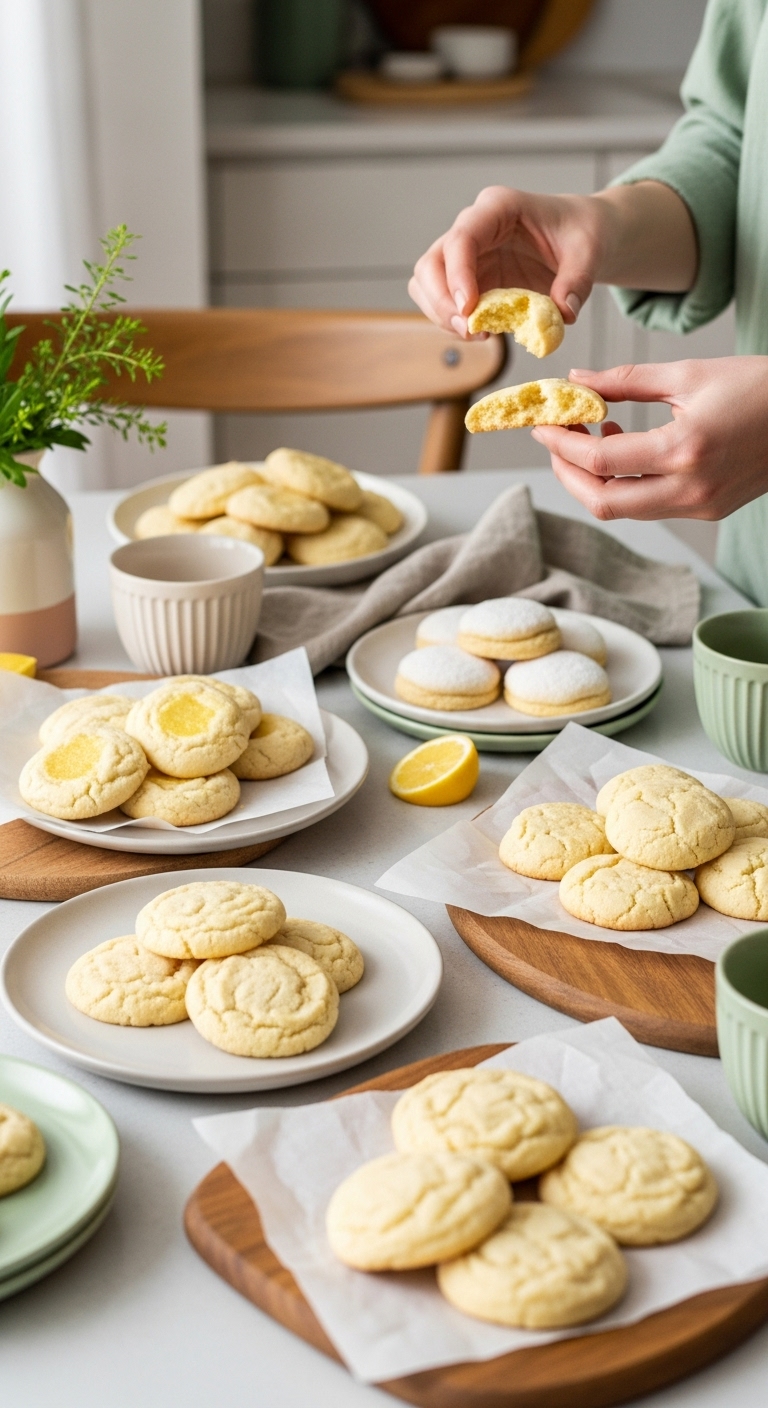
Before thinking about decorations or gifting boxes, the most important decision happens early: what kind of cookie actually makes sense for spring?
Many people bake cookies that look beautiful but turn dry within hours, lose flavor after one day, or feel heavy for warm weather. Spring cookies need a different approach, lighter, softer, and forgiving enough to survive sharing and gifting.
This section helps you choose cookies that stay soft, taste fresh, and still feel special, even if they’re baked ahead or displayed for a while.
Take a look at this guide: Creamy Chicken Pasta Recipe
Best Cookie Types That Naturally Stay Soft
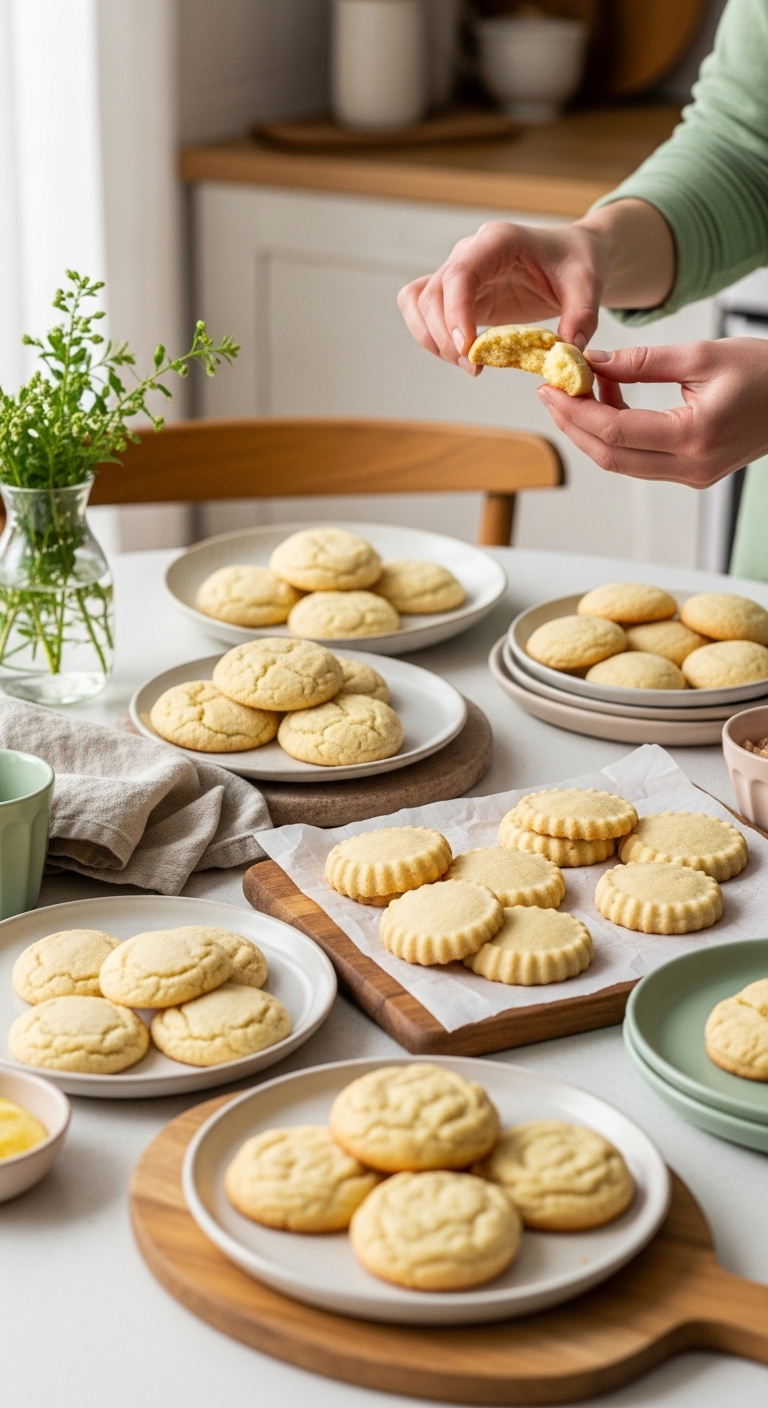
Not all cookies are meant to stay soft. Some are designed to crisp, snap, or dry out, and that’s where many spring cookie disappointments start.
Cookies that stay soft usually share three quiet traits:
- They hold moisture well
- They rely more on fat than flour
- They don’t need long baking times
Here’s what that means in simple terms:
- Sugar Cookies (soft-style, not cut-out dry ones)
Soft sugar cookies work because they use more butter and sugar than flour. This balance traps moisture, which keeps the cookie tender even the next day. They’re ideal for spring because they don’t compete with light flavors like lemon or vanilla. - Snickerdoodles
These stay soft because of their sugar-to-fat ratio and short bake time. The outside may look set, but the inside holds steam, that’s what creates that pillow-like texture people love. They also age well, which matters if you’re baking for sharing or gifting. - Butter Cookies (lemon or vanilla-based)
Butter-heavy cookies stay soft because fat coats the flour, slowing gluten formation. Less gluten means less toughness. That’s why these cookies feel smooth and melt quickly in the mouth, perfect for spring gifting. - Soft Chocolate Chip Cookies
The reason some stay soft isn’t the chocolate, it’s the sugar choice. Cookies using more brown sugar than white sugar hold moisture longer. This matters when cookies are packed, stored, or transported. - Soft Shortbread (spring-style, not crumbly)
When shortbread uses lower flour and higher butter, it stays tender instead of sandy. These cookies feel calm and elegant, great for small celebrations or tea-style gatherings.
What to avoid for spring:
Very thin cookies, low-fat recipes, or cookies that require long baking times. These dry out fast and feel heavy, especially in warm weather.
Seasonal Flavor Infusions
Spring flavors should lift a cookie, not announce themselves loudly. One of the biggest mistakes is adding too much flavor and losing balance.
Here’s how spring flavors really function in soft cookies:
- Citrus Zest (lemon, orange, lime)
Zest doesn’t add liquid, it adds aroma. That’s why it’s powerful in soft cookies. A small amount wakes up butter and sugar without making the cookie wet or dense. - Lavender and Mild Florals
These should behave like background music, not the main act. When used lightly, they make cookies feel calm, clean, and spring-like. Too much turns them bitter or soapy, which is why many people think they “don’t like floral cookies.” - Strawberry (or soft berry notes)
Fresh berries add moisture but can weaken structure. That’s why spring cookies often work better with dried strawberry powder or gentle flavoring rather than chunks. It keeps the cookie soft and stable. - Elderflower and Gentle Botanicals
These shine in simple cookies because they blend quietly with sugar and butter. They feel seasonal without overpowering, which makes them safe for gifting — even to people with picky tastes. - Subtle Spices (cardamom, ginger, very light cinnamon)
Spring spices should warm the cookie, not darken it. Used sparingly, they add depth without making the cookie feel like fall or winter.
The real rule of spring flavoring:
If the flavor can be described as “clean, light, and familiar,” it usually works. If it needs explanation, it’s probably too much.
Baking Soft Cookies
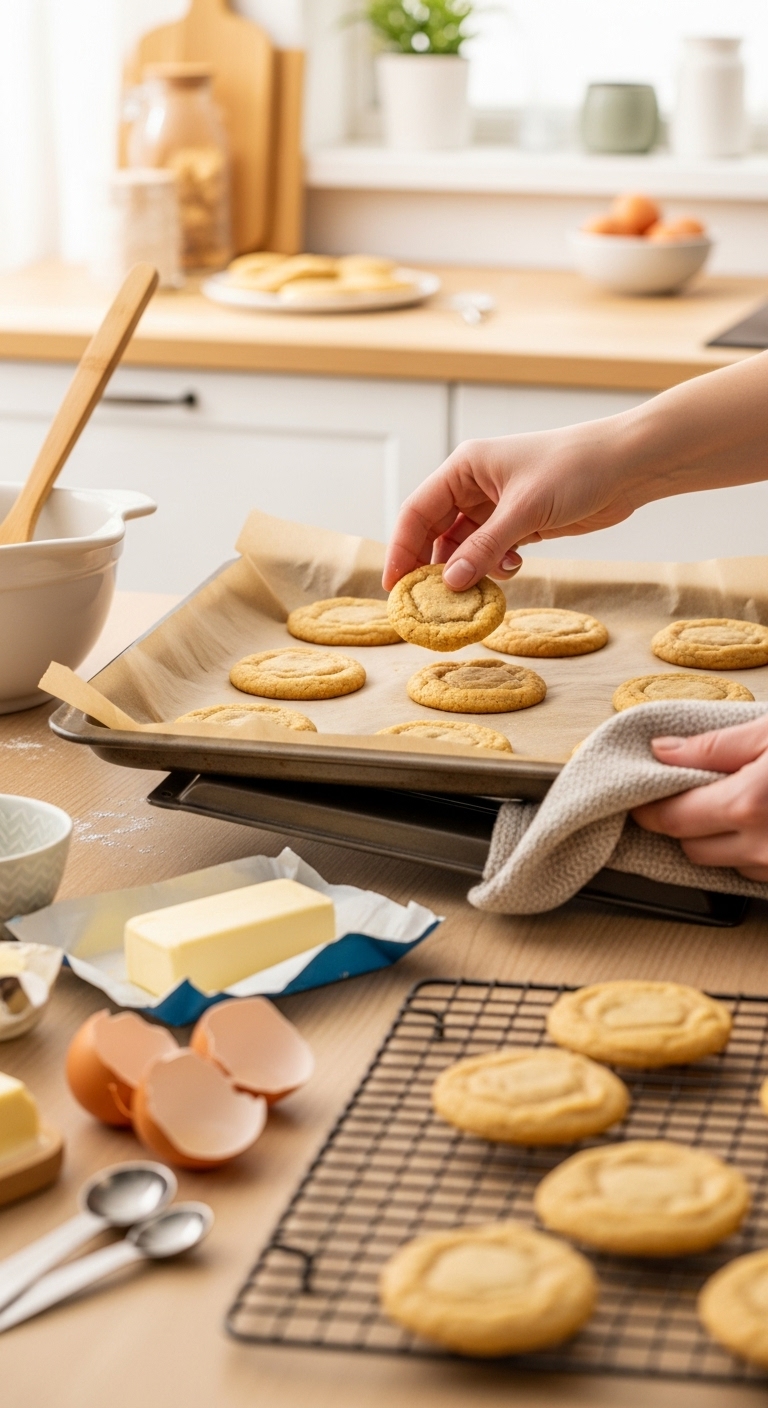
Baking cookies that stay soft is less about talent and more about choices made at each stage. When cookies are meant for sharing, gifting, or small celebrations, those choices matter even more.
A cookie that tastes good fresh out of the oven can easily turn dry, firm, or disappointing by the time it’s wrapped or served.
This section breaks down what actually keeps spring cookies baked softly for sharing, gifting and small celebrations tender, and enjoyable beyond the first bite.
Ingredient Tips That Directly Affect Softness
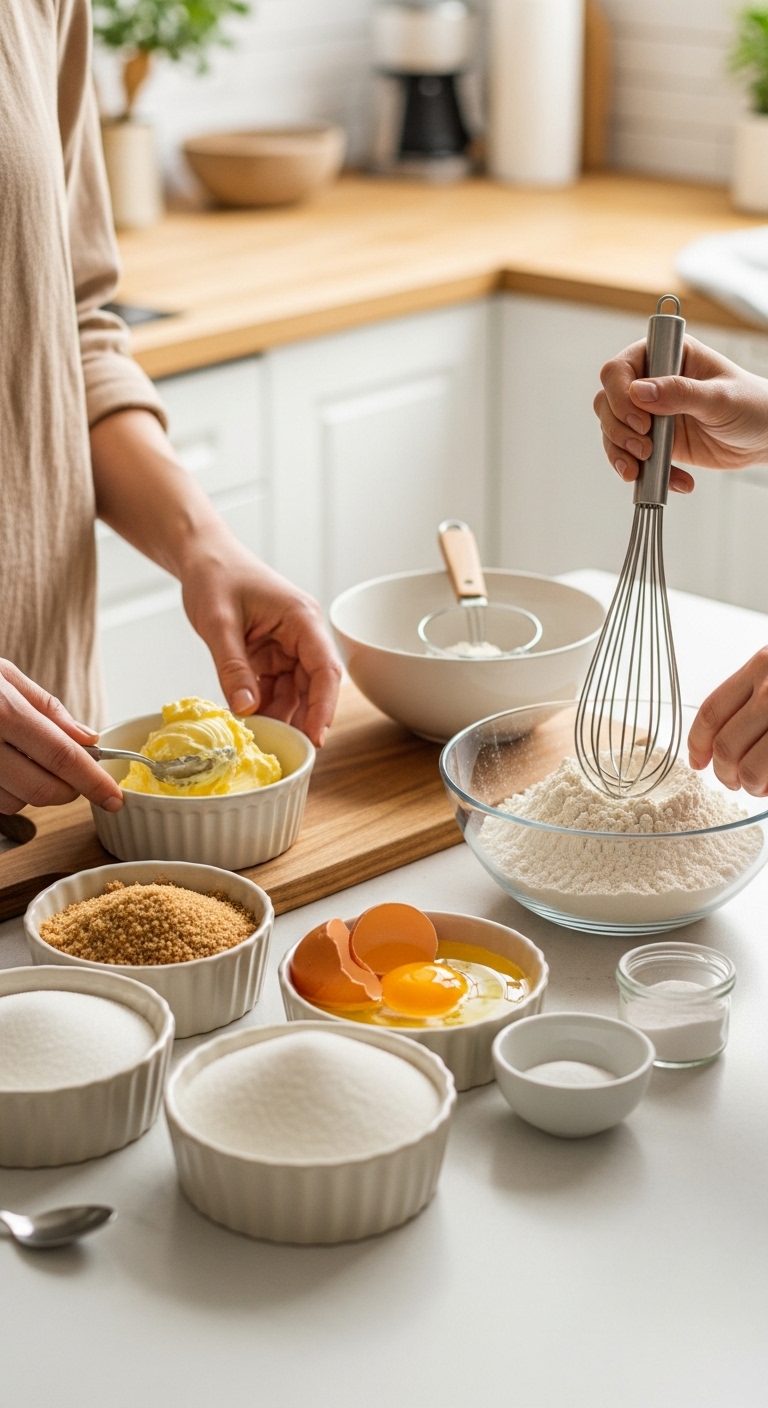
Soft cookies start long before the oven is turned on. Ingredients decide how a cookie behaves after baking, especially hours or days later.
Brown sugar for lasting softness
Brown sugar contains molasses, which holds moisture. This moisture slows down drying, helping cookies stay soft even after cooling or storage. That’s why cookies made with only white sugar often harden quickly, especially in warm spring air.
Chilling the dough (even briefly)
Chilling isn’t about flavor alone. Cold dough spreads more slowly in the oven, giving the cookie time to set without drying out. This is especially helpful when baking spring cookies that need to hold their shape for gifting or neat presentation.
A small amount of cornstarch
Cornstarch softens the structure of the cookie. It reduces gluten strength, which makes the crumb more tender. This is one of those quiet ingredients that doesn’t change taste but improves texture noticeably, especially for cookies meant to stay soft for sharing.
Why overmixing makes cookies tough
When flour is mixed too much, gluten develops. Gluten is what gives bread its chew, but in cookies, too much gluten creates firmness. Gentle mixing keeps cookies tender and light, which is essential for spring-style cookies meant for small gatherings and gifting.
This might be helpful: Easy Veggie Stir Fry Recipe
Baking Technique That Make or Break Texture
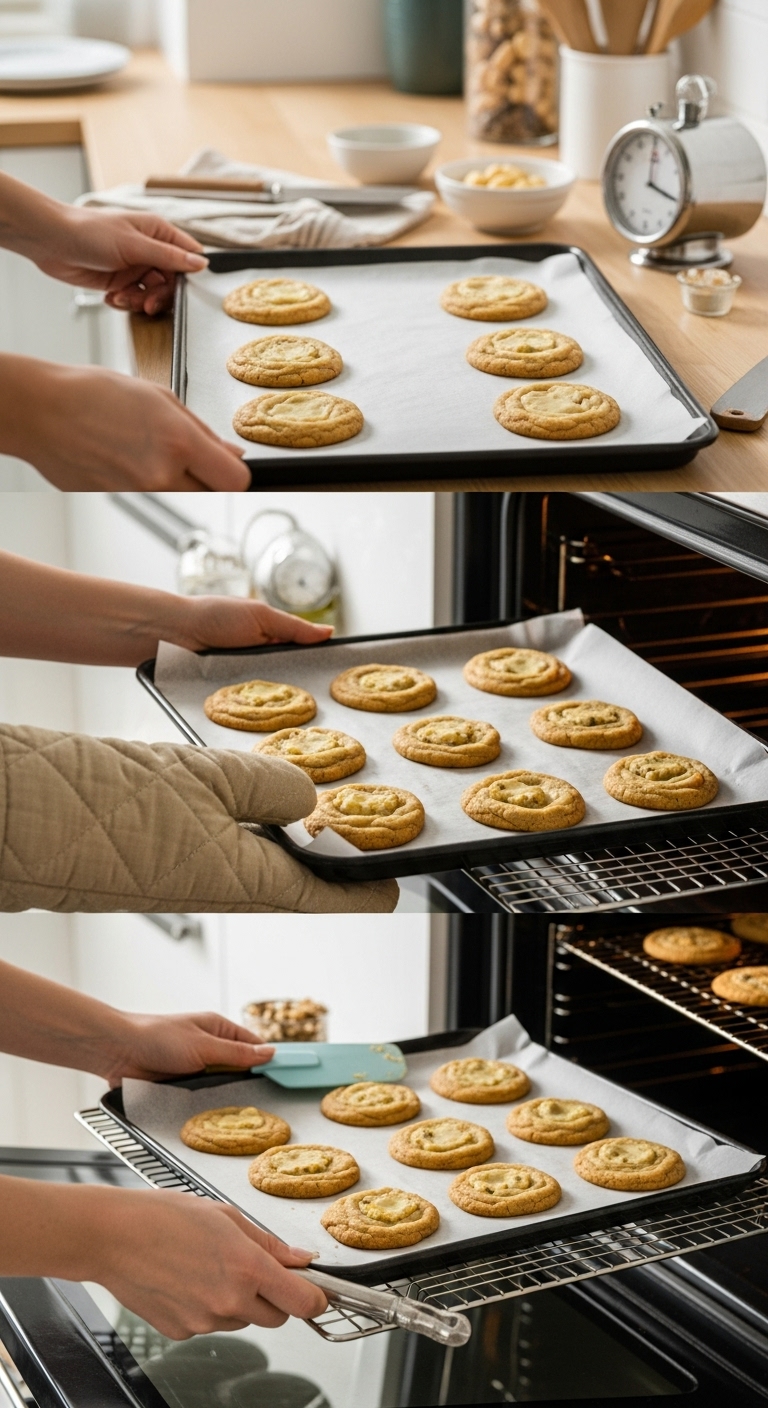
Even the best ingredients can fail if baking technique is off. Soft cookies rely heavily on timing and heat control.
Oven temperature matters more than people think
An oven that’s too hot sets cookies too fast, drying the edges before the center stays soft. Slightly lower, steady heat allows cookies to bake evenly and stay tender. This balance is key for spring cookies baked softly for sharing, gifting and small celebrations, where texture matters as much as taste.
Timing: remove before they look “done”
Soft cookies finish setting outside the oven. When cookies look fully baked inside the oven, they’re often already overbaked. Pulling them out while centers still look slightly underdone helps preserve softness once cooled.
Cooling techniques that protect softness
Leaving cookies on a hot baking sheet too long causes continued baking from residual heat. Moving them to a cooling rack after a short rest prevents overbaking and keeps the inside tender , especially important when cookies are being prepared ahead of time.
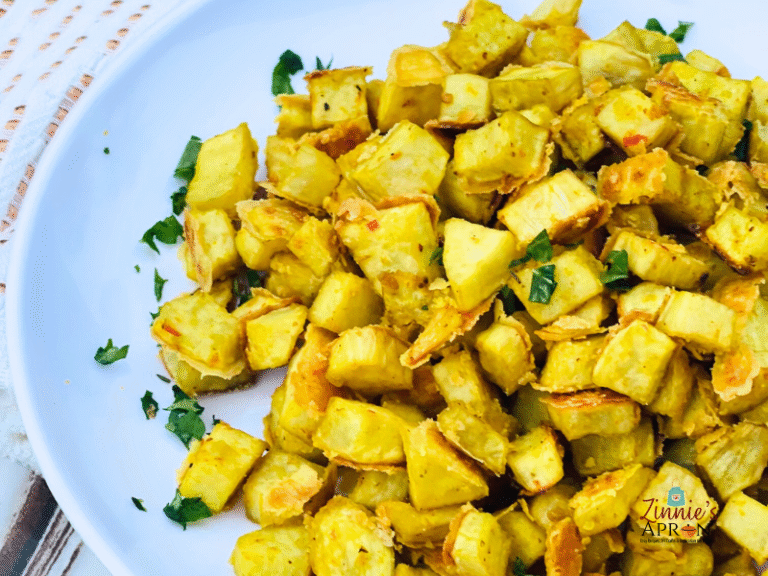
A good next read: Turmeric Oven Roasted Sweet Potato Cubes
Cookie Baking Mistakes
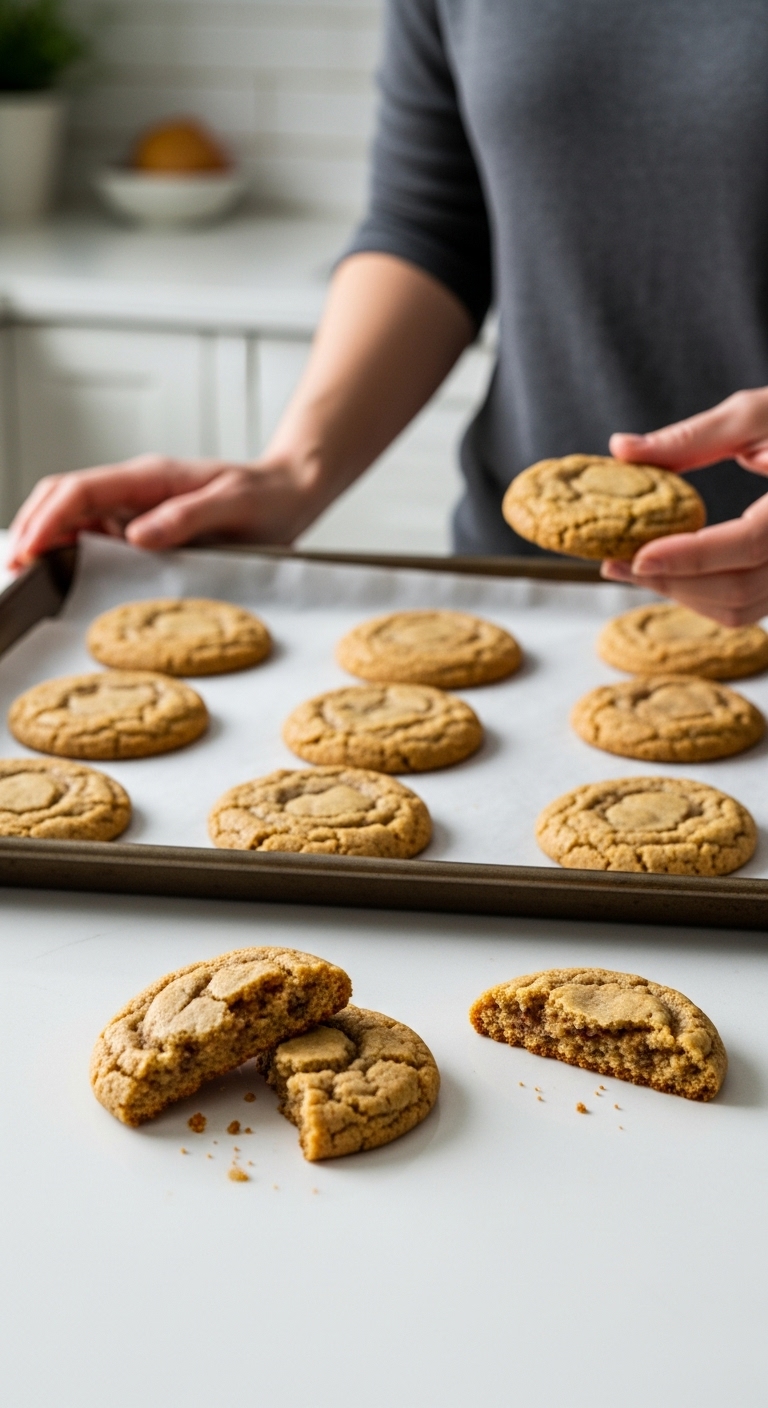
These mistakes are delicate but extremely common, especially for people baking cookies to share or gift.
- Using too much flour
Scooping flour directly from the bag packs it down, adding more than needed. Too much flour absorbs moisture and leads to dry, dense cookies. Lightly spooning flour into the measuring cup keeps texture balanced.
- Overbaking “just to be safe”
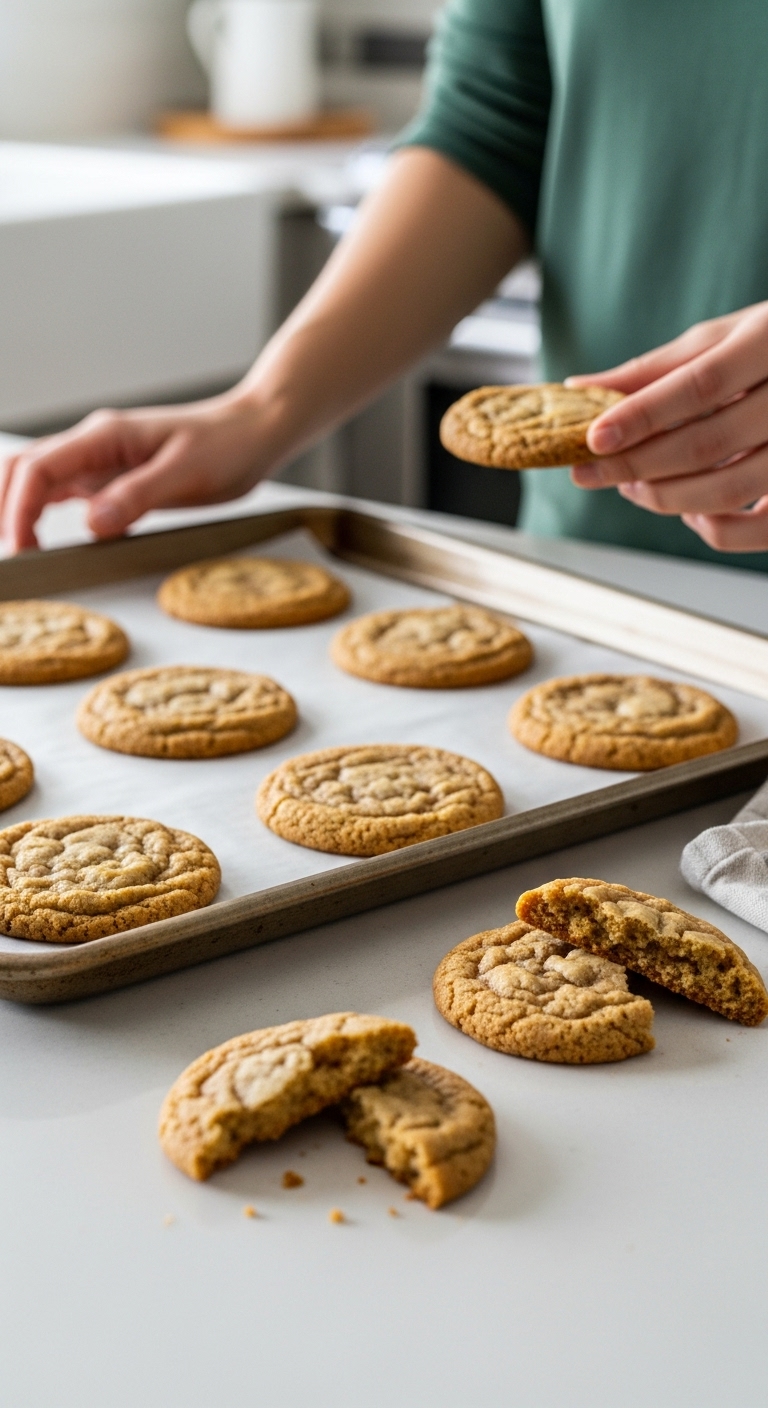
Many people overbake because they’re worried about raw centers. This fear often ruins softness. Cookies continue cooking as they cool, trusting this process is essential for soft spring cookies.
- Using the wrong pans or liners
Dark pans absorb heat faster and can overbake the bottoms. Thin pans may bake unevenly. Parchment paper helps cookies bake gently and evenly, while some silicone mats trap heat and affect spread. These small choices directly affect how cookies feel when eaten later.
Why This Matters for Spring Cookies
Spring cookies are rarely eaten straight from the oven. Most times, they are wrapped, shared, gifted, or displayed. That’s why understanding these details is so important.
When you bake with intention, spring cookies baked softly for sharing, gifting and small celebrations stay tender, pleasant, and enjoyable, not dry or forgettable.
This guide walks through: Easy Veggie Stir Fry Pasta Recipe For Dinner
Decorating and Presenting for Sharing or Gifting
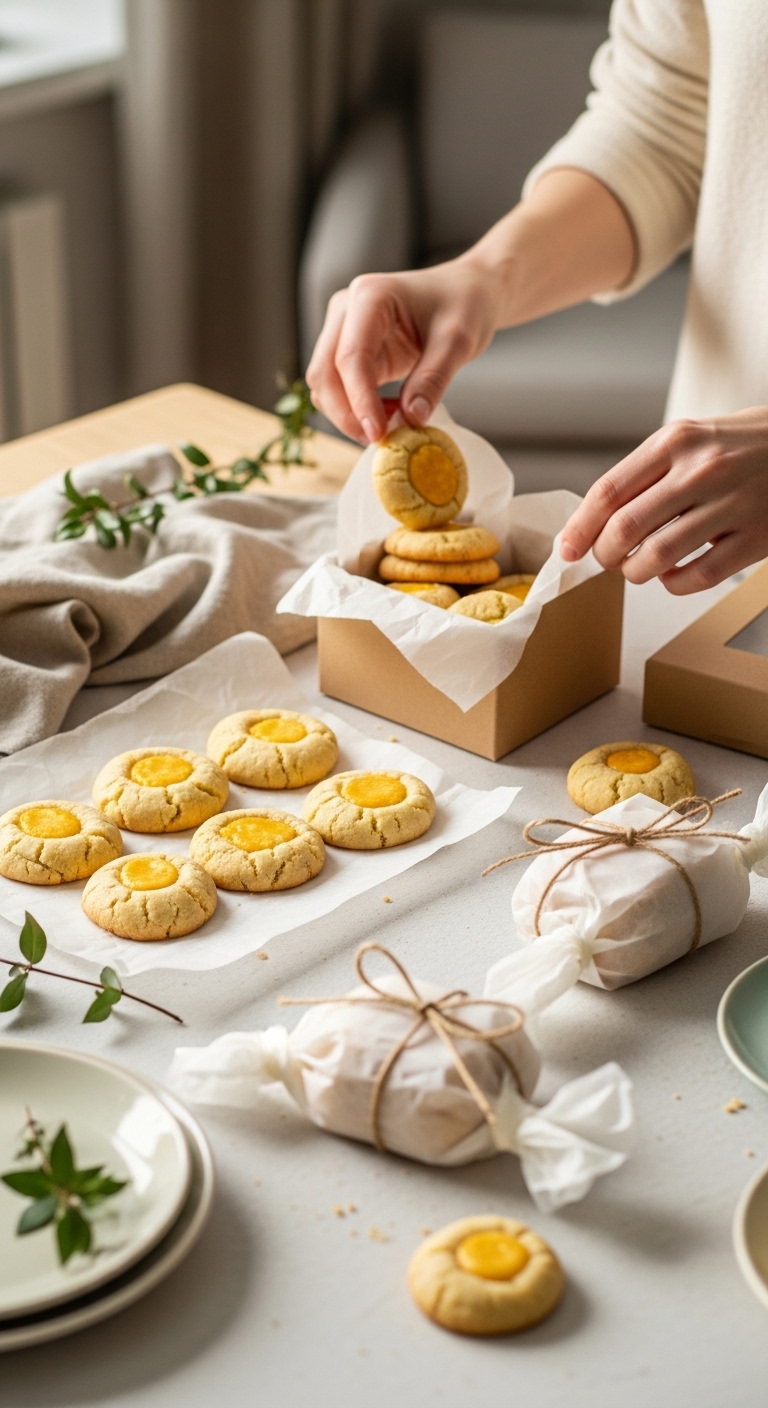
When cookies are meant for others, appearance matters, but not in the way many people think. Beautiful cookies don’t need heavy decoration or complicated tools.
In fact, the cookies that feel most thoughtful and special are often the simplest ones, finished with care and presented intentionally.
For spring cookies baked softly for sharing, gifting and small celebrations, decoration and presentation should support the cookie, not distract from it.
Simple Yet Stunning Decorations
Soft cookies already have visual appeal. The goal is to enhance that softness, not cover it up.
- Soft icing instead of hard glazes
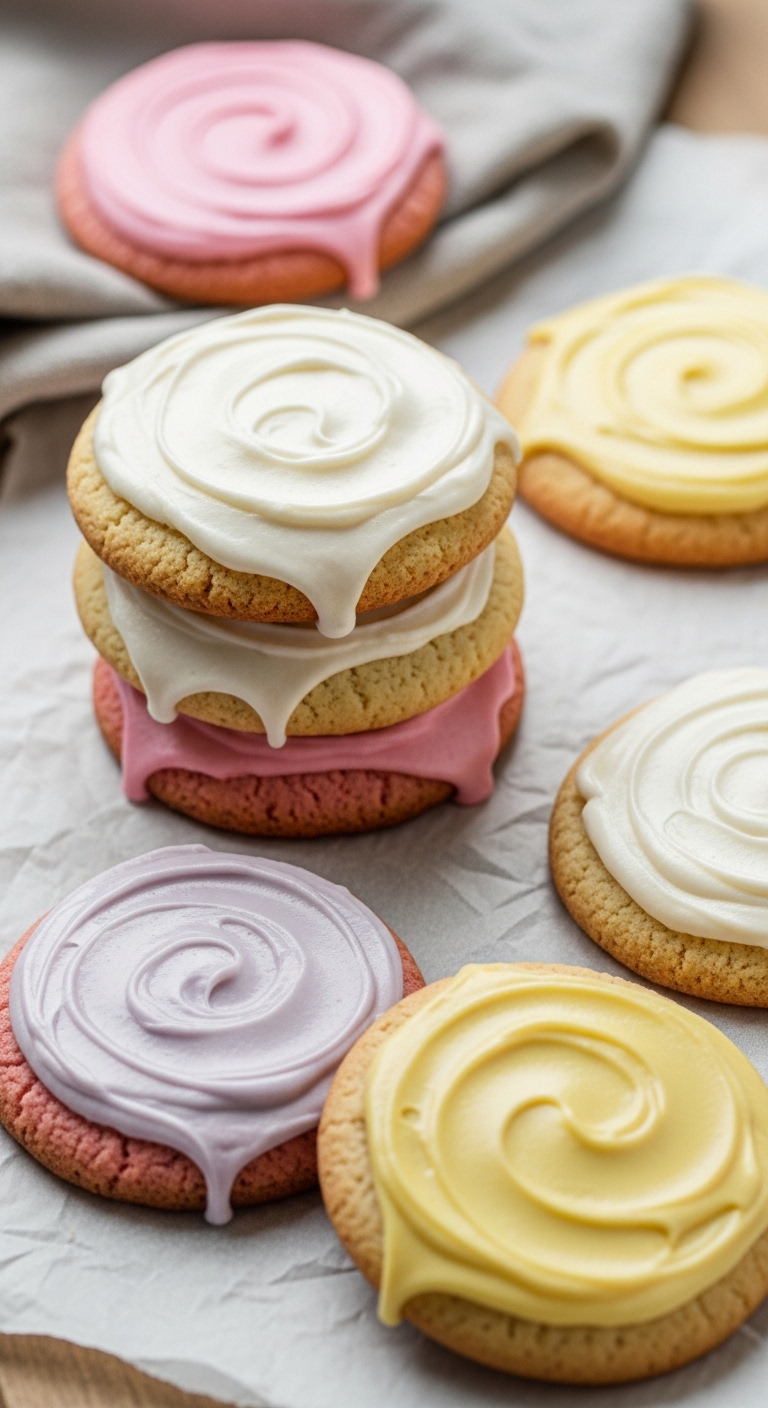
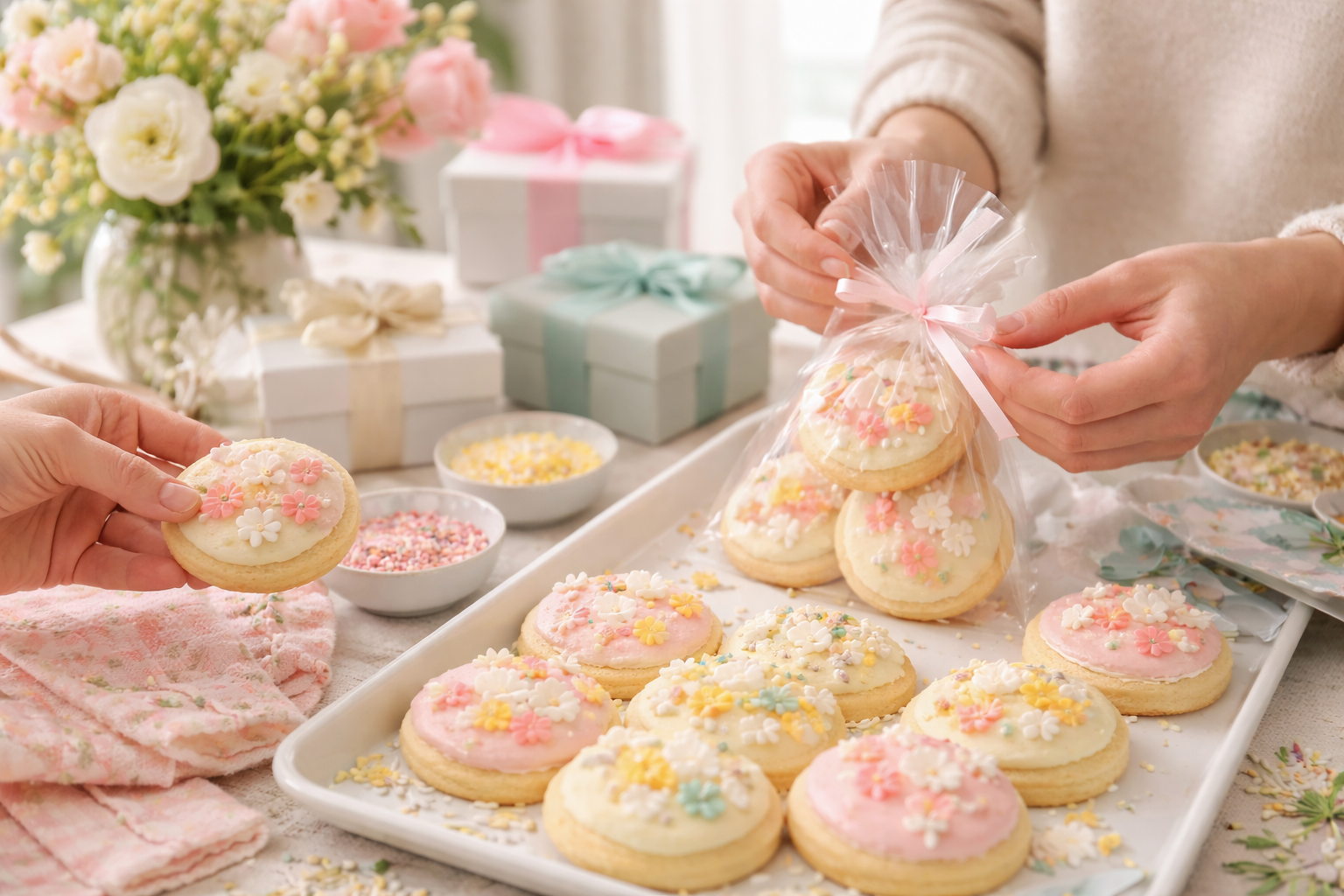
Soft icing gives cookies a gentle finish that matches their texture. It dries enough to handle but stays tender, which matters when cookies are stacked, packed, or eaten later. Hard royal icing may look sharp, but it often clashes with soft cookies meant for spring.
- Light sprinkles used sparingly
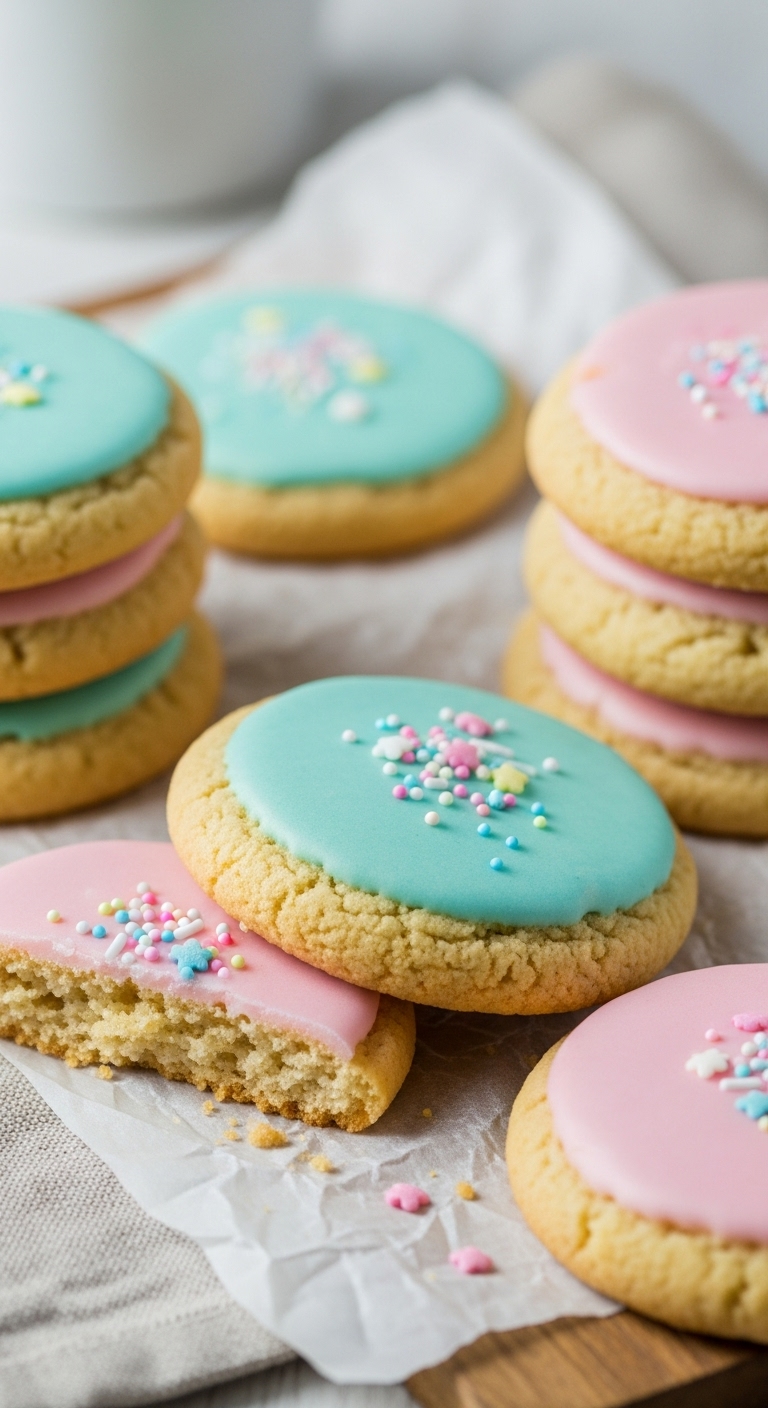
A small pinch of sprinkles adds color without overwhelming the cookie. For spring cookies, pastel or neutral tones work best. Too many sprinkles can make cookies feel childish or messy, especially when gifting.
- Edible flowers as accents, not decorations
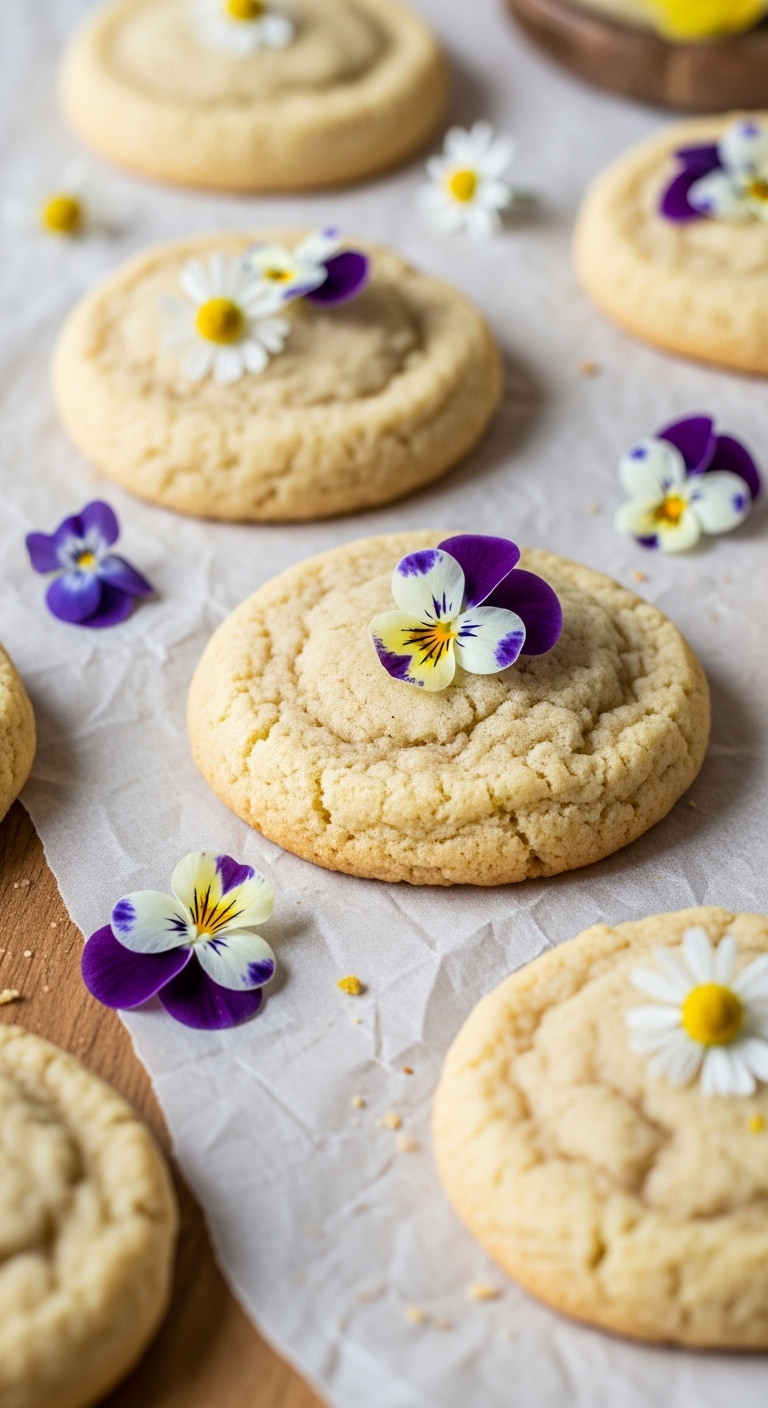
Edible flowers work best when used gently, pressed into icing or placed at the edge. They signal “spring” immediately but don’t overpower the cookie. This keeps the presentation elegant and gift-ready.
- Drizzled chocolate instead of full coating
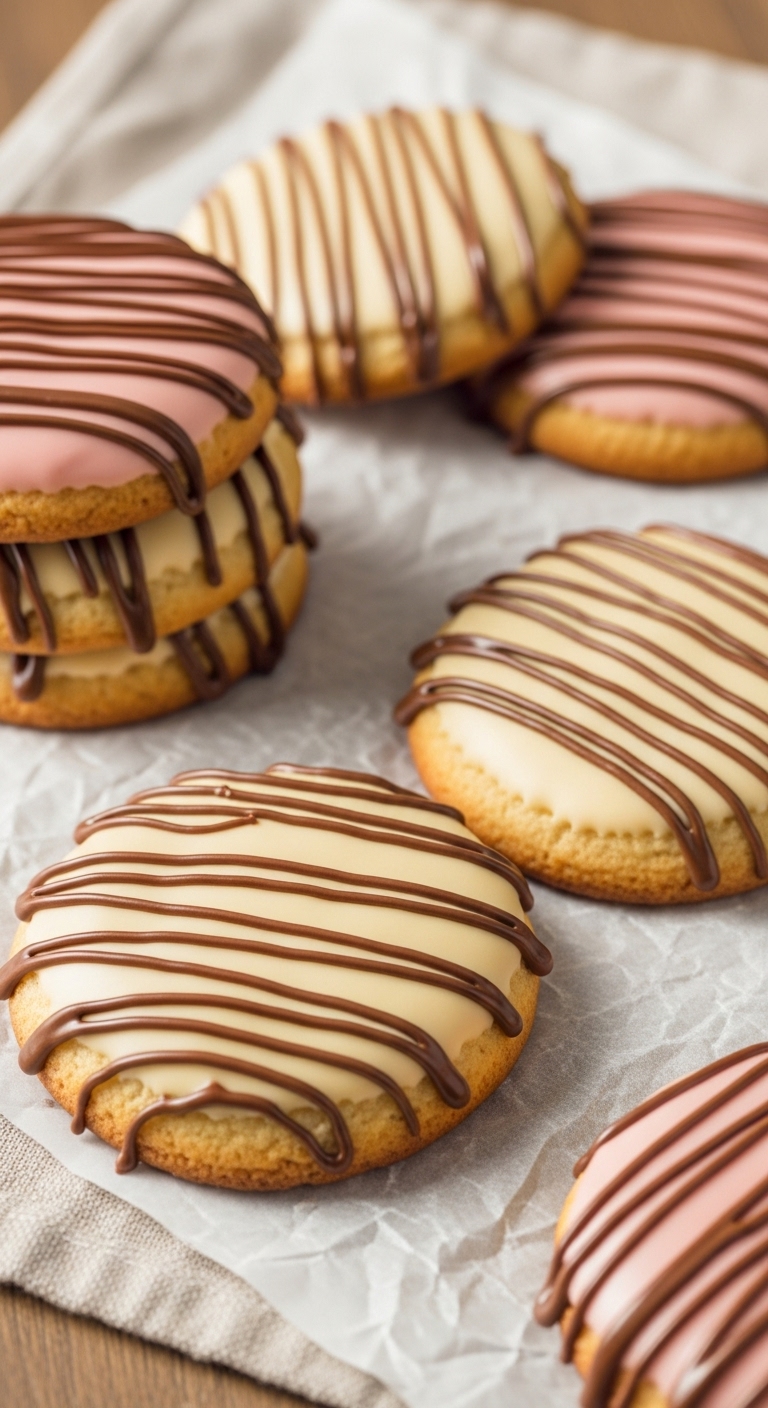
A thin chocolate drizzle adds contrast and polish while keeping the cookie soft and approachable. Full chocolate coatings can harden and dominate the flavor, which isn’t ideal for cookies meant to be shared.
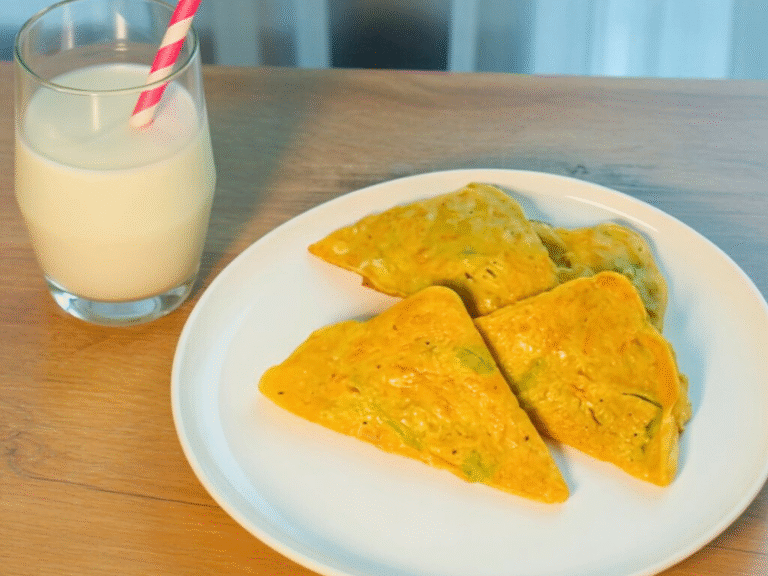
“Another post you’ll enjoy: Veggie Hidden Banana Pancake Breakfast for Kids
Packaging Ideas That Feel Thoughtful, Not Overdone
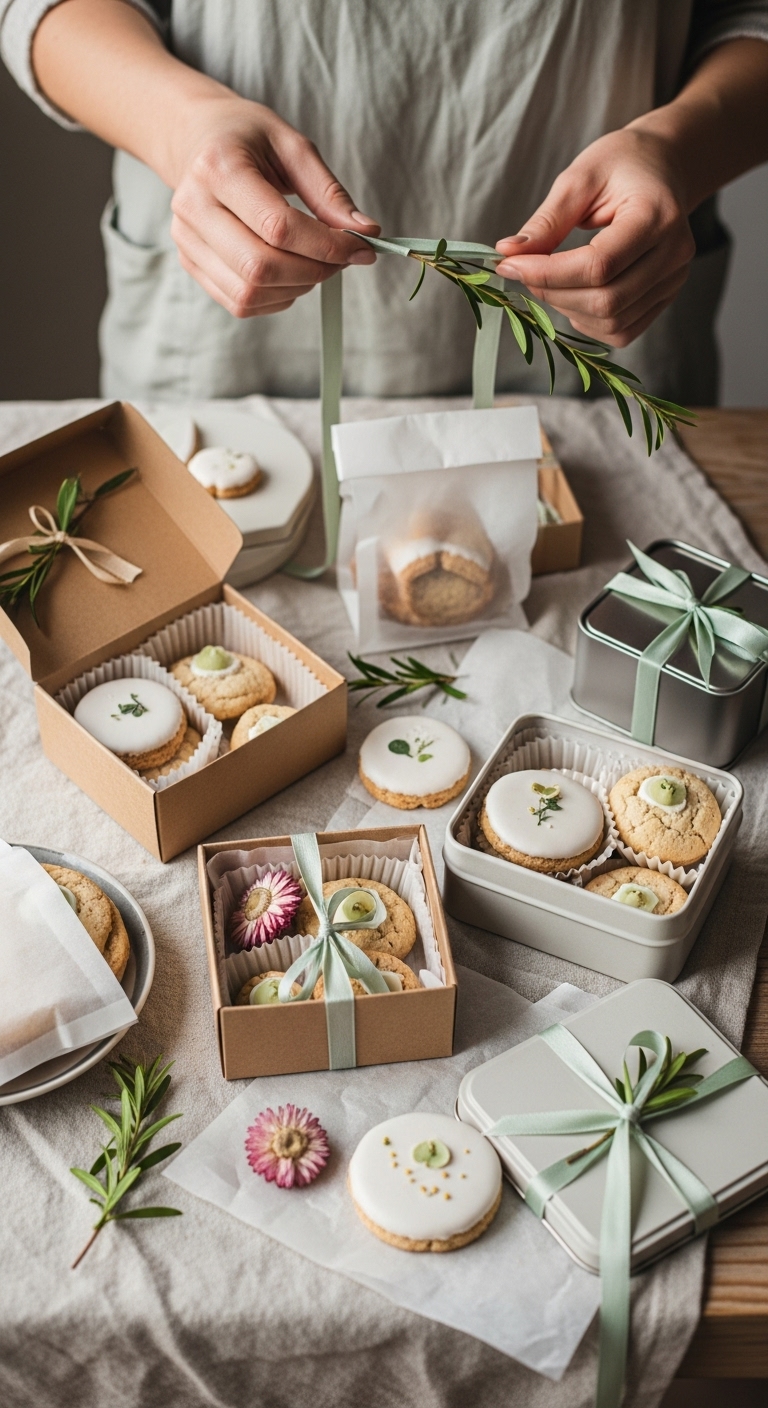
Packaging is where many cookies lose their charm. The goal is protection first, beauty second.
Individual wrapping with parchment
Wrapping cookies in parchment paper protects softness while letting the cookie breathe slightly. Tying with twine or pastel ribbon keeps the look light and seasonal without feeling commercial.
Small boxes or tins for sharing
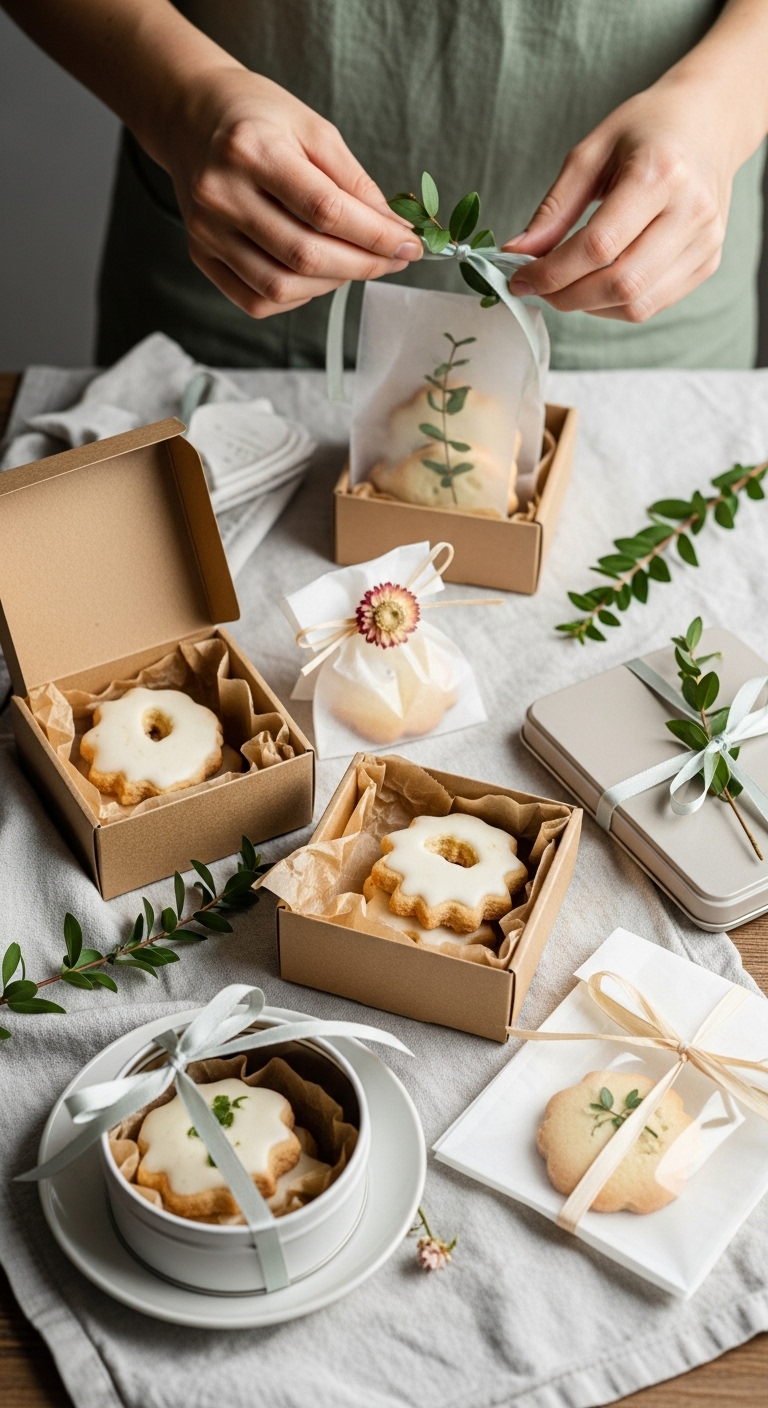 Shallow boxes or tins prevent stacking pressure, which helps soft cookies keep their shape. They also feel intentional for small celebrations, birthdays, brunches, or spring visits.
Why size matters
Overfilling a container causes cookies to press against each other, damaging decoration and texture. Fewer cookies in a well-sized box feel more generous and thoughtful.
Adding a simple note or tag
A short spring message or handwritten tag turns cookies into a personal gift. It doesn’t need to be clever, even a simple “Baked for you this spring” makes the gesture feel warm and intentional.
While you’re here, see this: Garlic Butter Mashed Baby Potato Recipe
Display Tips for Small Gatherings
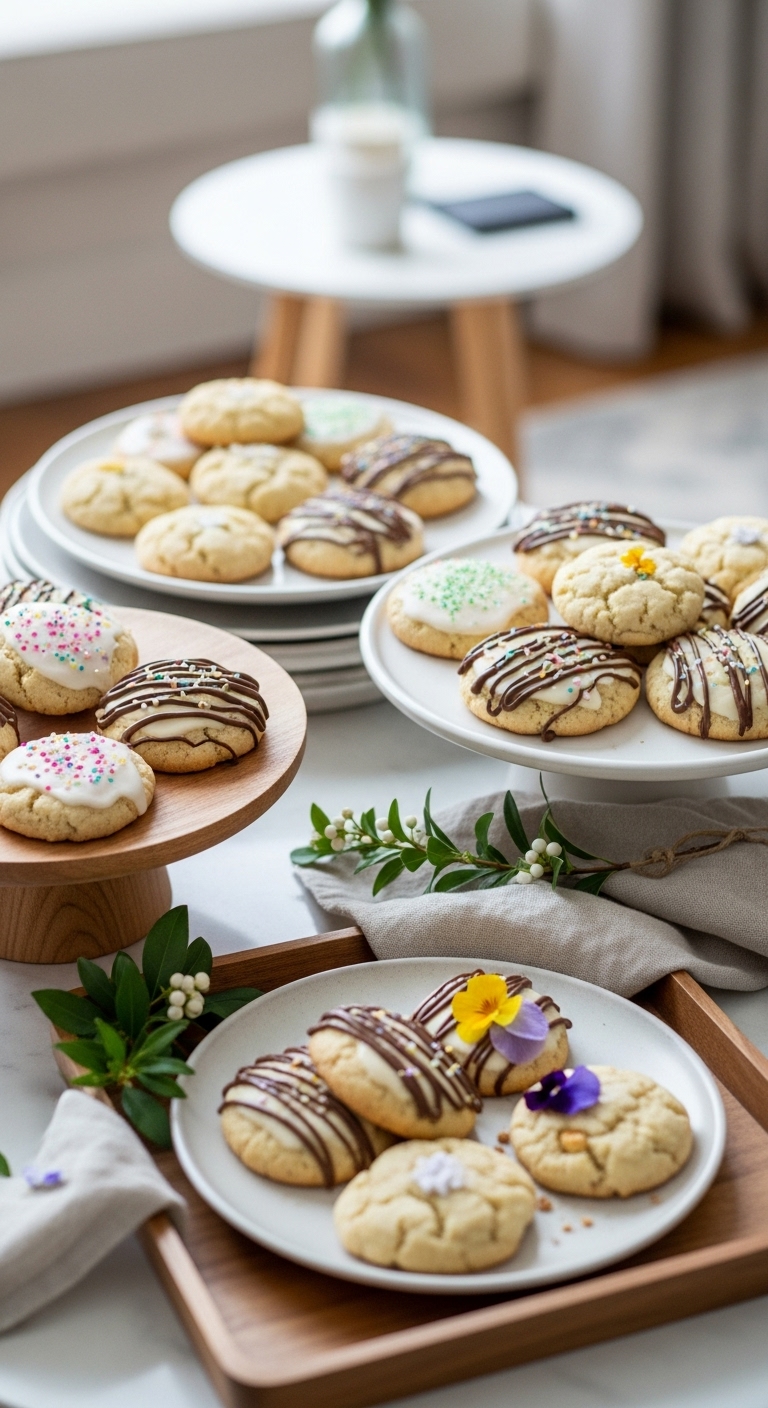
When cookies are served at small gatherings, how they’re displayed affects how people interact with them.
Layering creates visual interest
Using cake stands, trays, or plates at different heights makes even simple cookies look abundant. It also encourages guests to approach and choose comfortably.
Rustic trays or colorful plates work best for spring
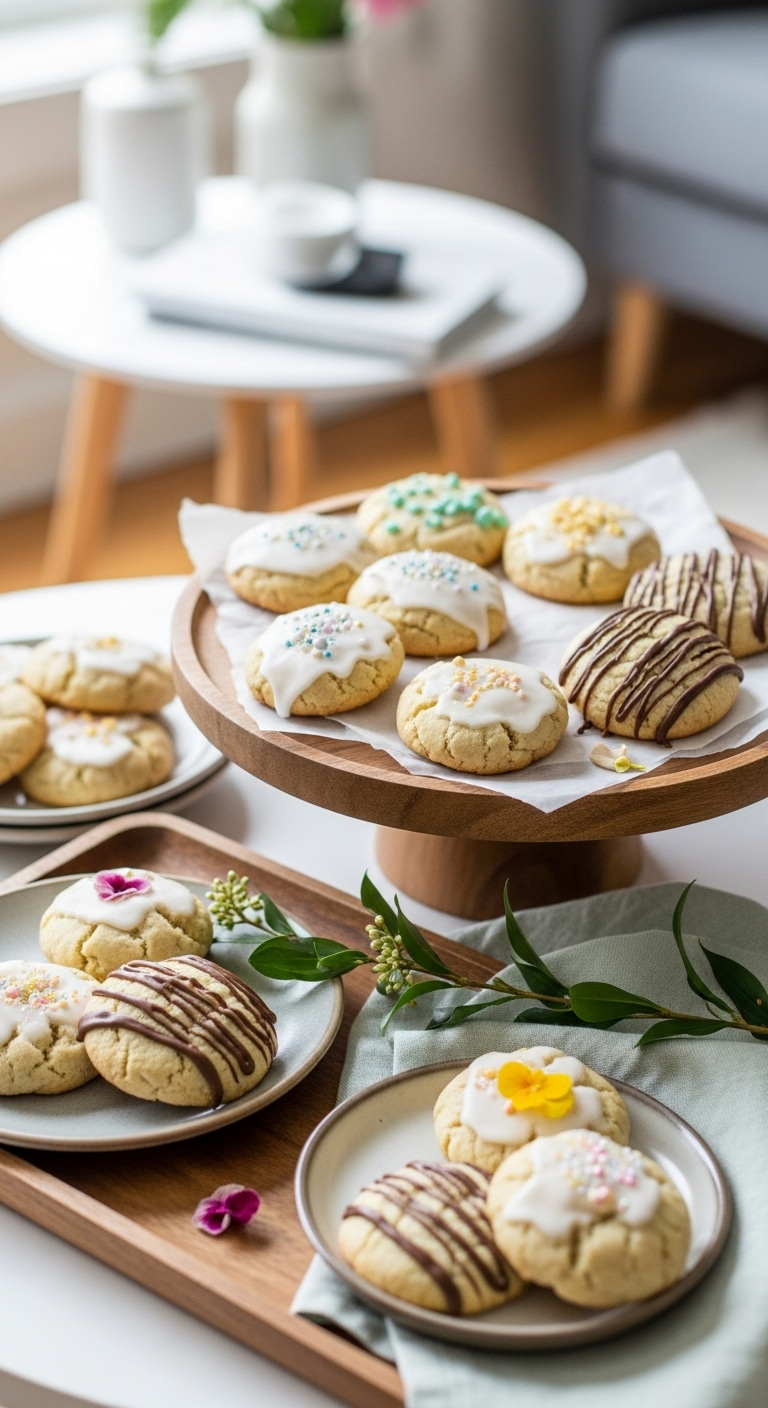 Natural wood, soft ceramics, or pastel plates echo spring without feeling staged. These surfaces highlight the cookie instead of competing with it.
Cookies as part of the table, not an afterthought
Placing cookies alongside flowers, napkins, or a small centerpiece helps them feel integrated into the celebration. This works especially well for spring cookies baked softly for sharing, gifting and small celebrations, where atmosphere matters as much as food.
A Final Thought on Presentation
Decoration and presentation aren’t about impressing, they’re about care. When cookies are soft, gently decorated, and thoughtfully packaged, people feel that intention immediately.
That’s what turns simple spring cookies into something memorable.
Storing Soft Cookies Without Losing Their Freshness
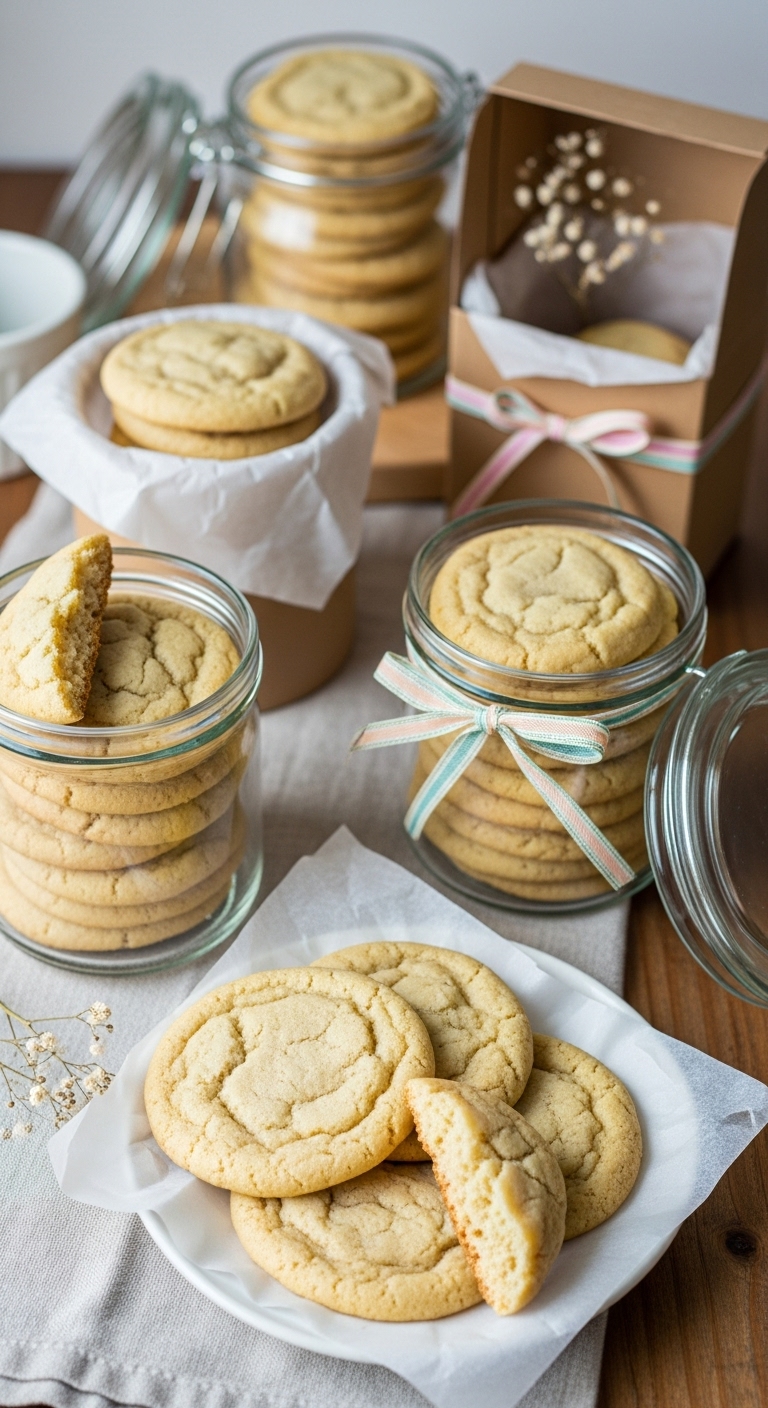
Soft cookies are fragile. What keeps them tender in the first few hours can easily be lost if they’re stored the wrong way.
This is especially important when you’re making spring cookies baked softly for sharing, gifting and small celebrations, because these cookies are often stored overnight, transported, or wrapped for later.
Freshness is about moisture, structure, and how air interacts with the cookie after baking.
Continue reading: Easy Veggie Stir Fry Pasta Recipe For Dinner
Best Containers and Wraps to Retain Softness
The goal of storage is simple: to slow down moisture loss without trapping heat or making it dense.
What to do:
Use airtight containers, but not immediately
Warm cookies release steam. If you seal them too early, moisture turns into condensation, which ruins texture. Let cookies cool completely before storing.
Choose shallow containers over deep ones
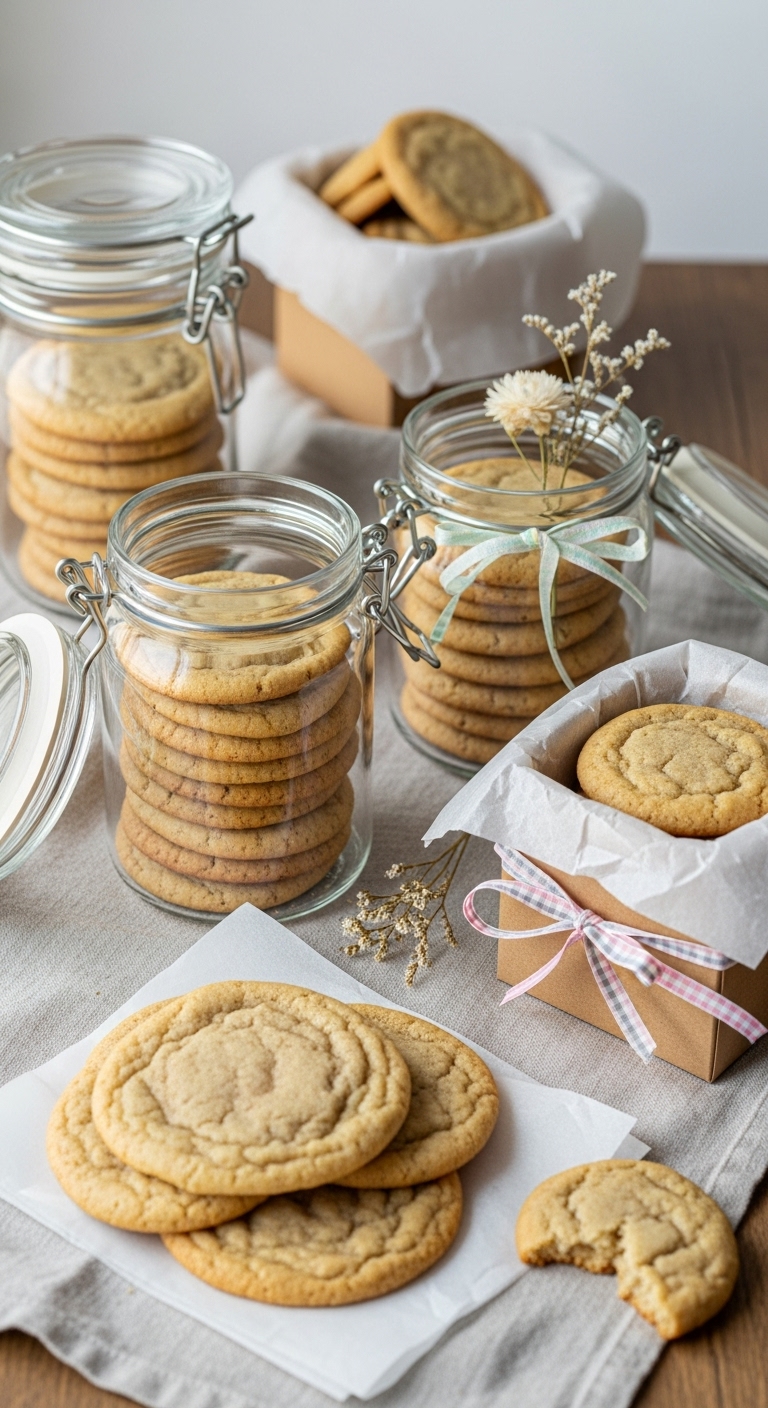 Deep containers cause pressure. Soft cookies stacked too tightly lose shape and texture. Shallow containers keep cookies intact and evenly protected.
Layer with parchment paper
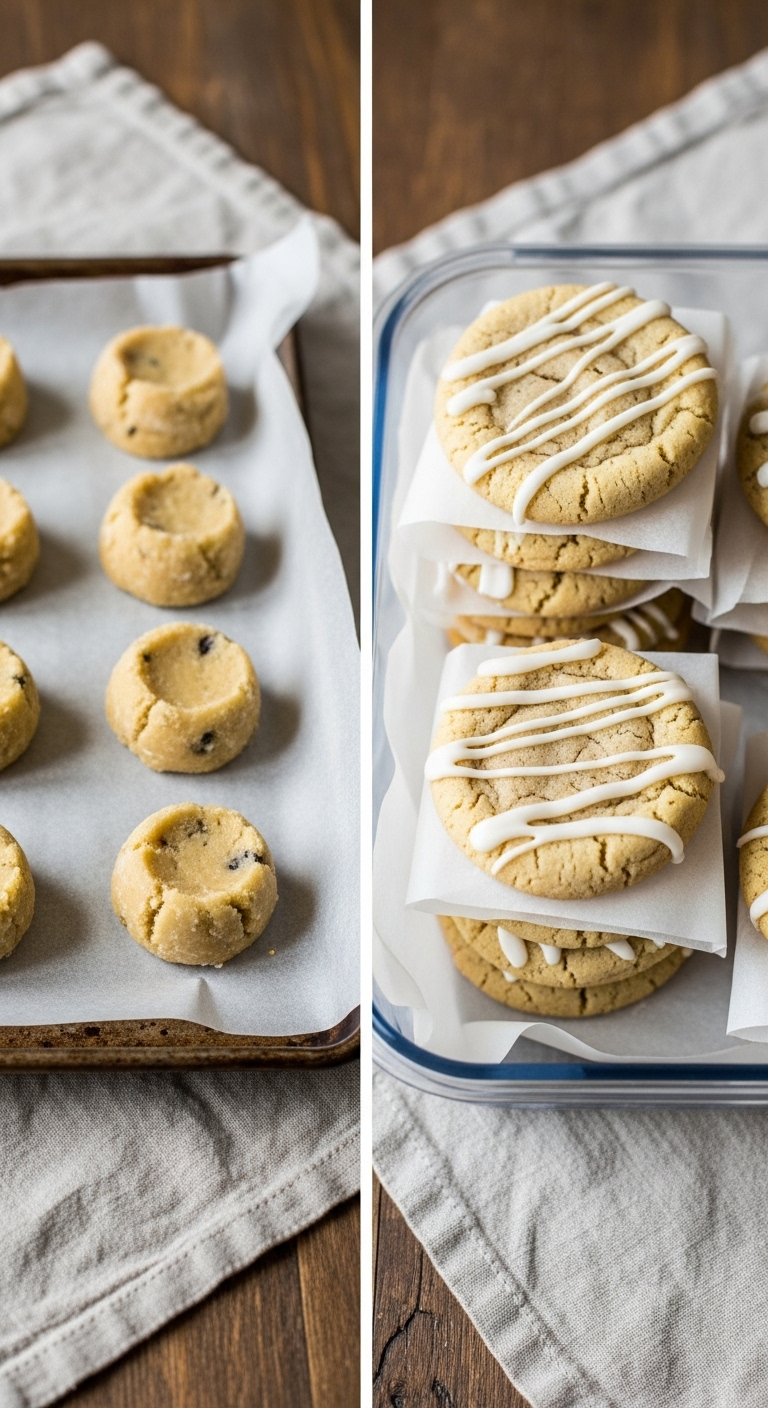
Parchment creates a barrier that reduces moisture transfer between cookies. This is crucial when storing spring cookies baked softly for sharing, gifting and small celebrations, especially when different flavors are involved.
Avoid plastic wrap alone
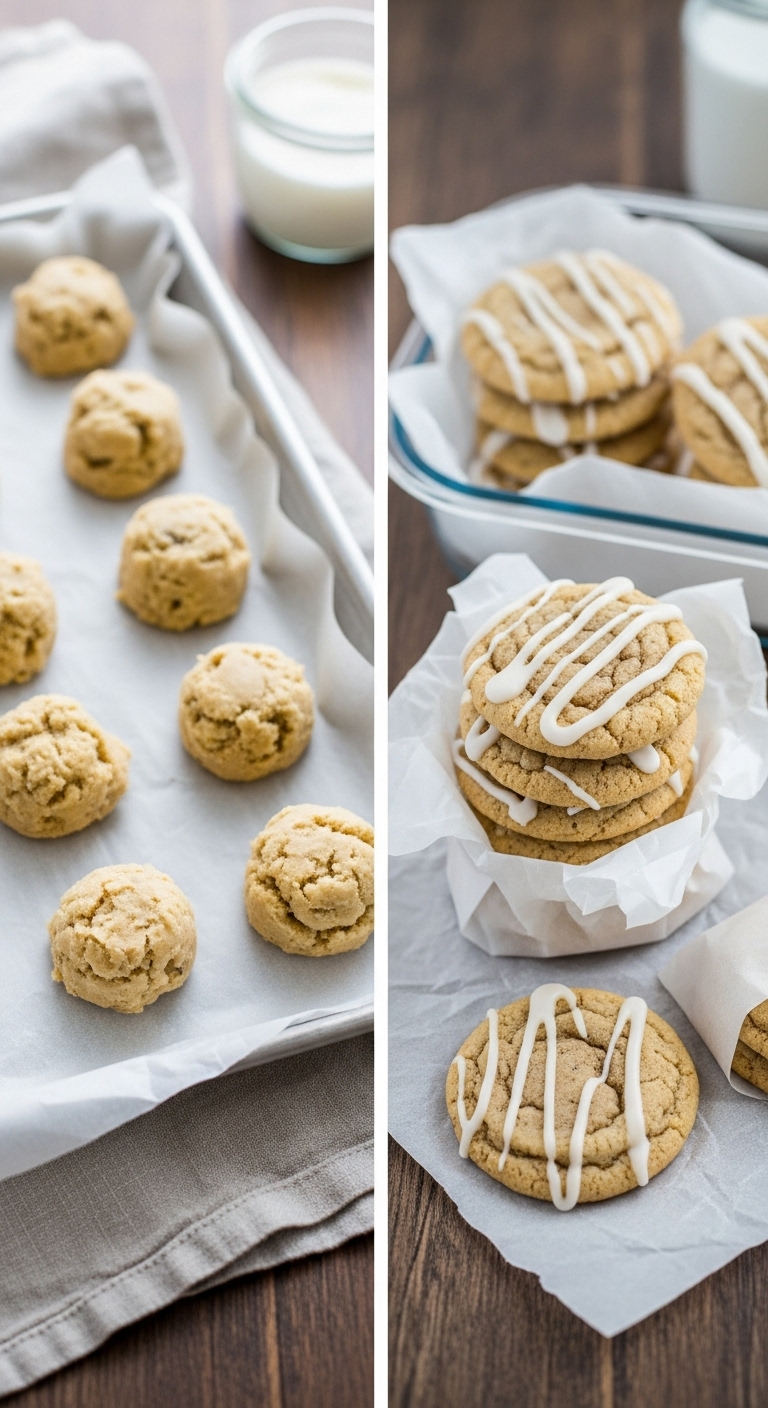
Plastic wrap traps moisture unevenly and can make cookies sticky. It works best only when combined with parchment or placed inside a container.
Why paper towels sometimes help
A single sheet of paper towel inside the container absorbs excess moisture without drying the cookies out. This balance keeps soft cookies tender longer.
Freezing Dough vs Freezing Baked Cookies
Freezing is one of the most misunderstood parts of cookie storage.
Cookie Dough Freezing (best for softness)
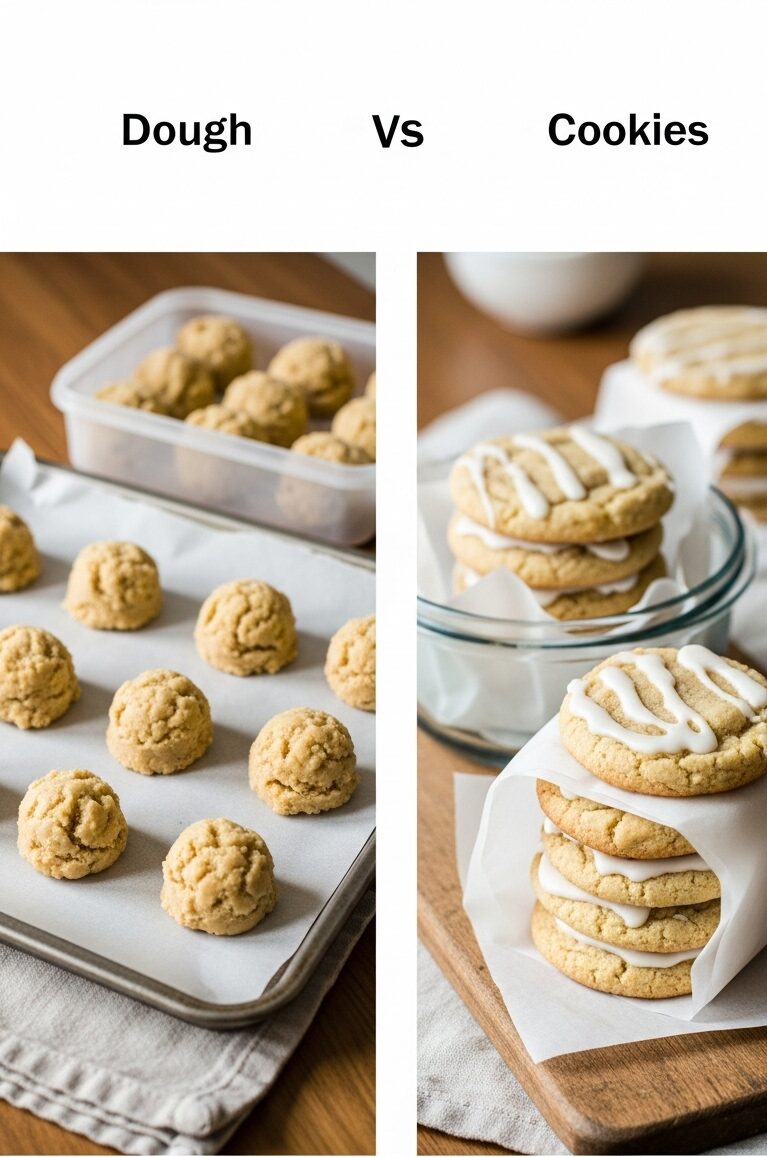
Freezing dough allows you to bake cookies fresh when needed. Dough freezes well because moisture stays locked in. This is ideal for spring cookies meant for small celebrations where timing matters.
Freezing baked cookies (only if done right)
Baked cookies can be frozen, but only after they are completely cooled. Wrap them individually in parchment, then place them in an airtight container. This protects texture and prevents freezer burn.
Which is better for gifting and sharing?
Freezing dough is better if you want fresh cookies later. Freezing baked cookies works when you need to prepare ahead, but they must be thawed gently to avoid drying out.
You’ll love this too: Veggie Hidden Banana Pancake Breakfast for Kids
How to Re-Soften Cookies That Have Gone Slightly Firm
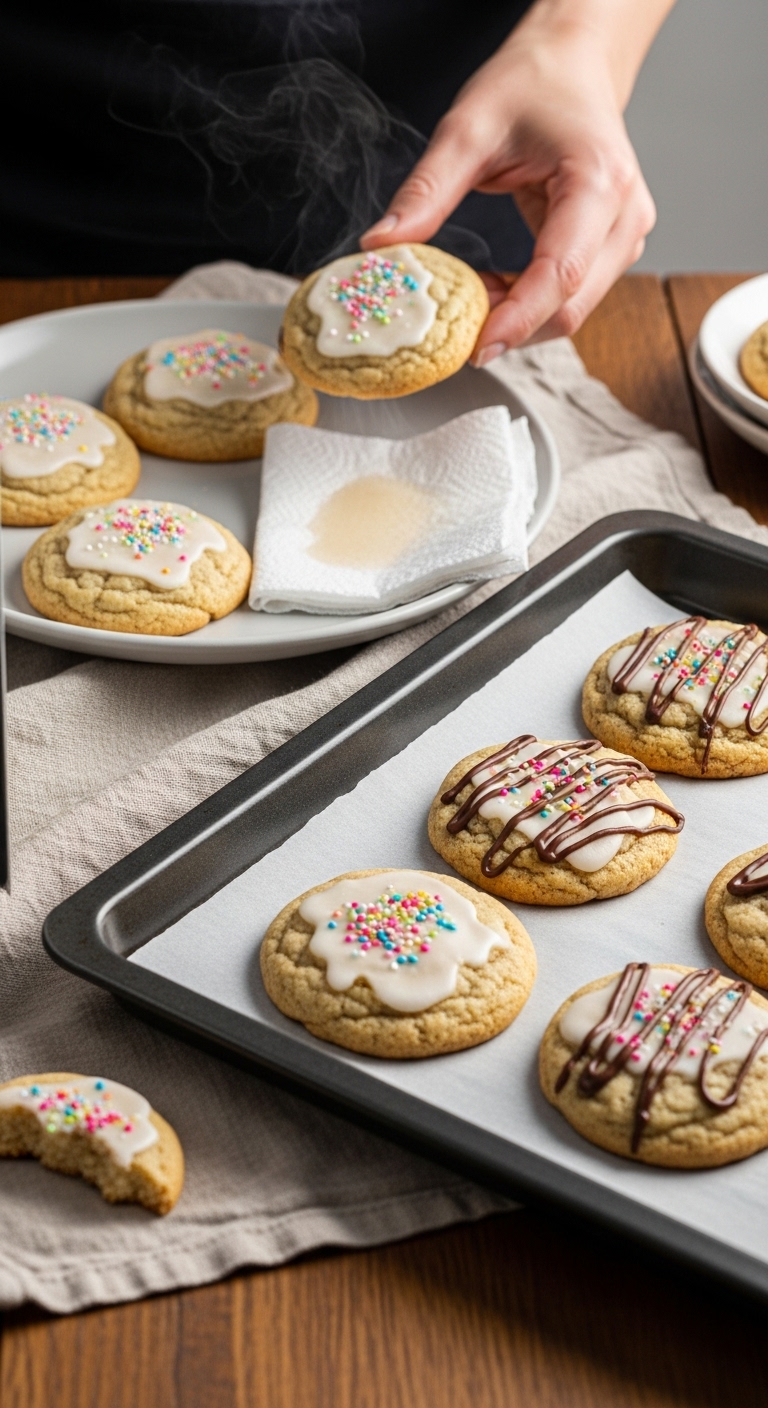
Even well-stored cookies can firm up. This doesn’t mean they’re ruined.
Here’s wha you need to know:
The bread method (controlled moisture return)
Placing a small piece of bread inside the container adds moisture to the air. The cookies absorb it slowly, softening without becoming wet.
Short warming (not reheating)
A few seconds in a warm oven or microwave can soften cookies, but timing matters. Overdoing it dries them out further. This works best for cookies meant to be eaten immediately.
Why this works
Cookies harden because moisture escapes. These methods gently restore balance instead of flooding the cookie with steam.
Why Storage Matters for Spring Cookies
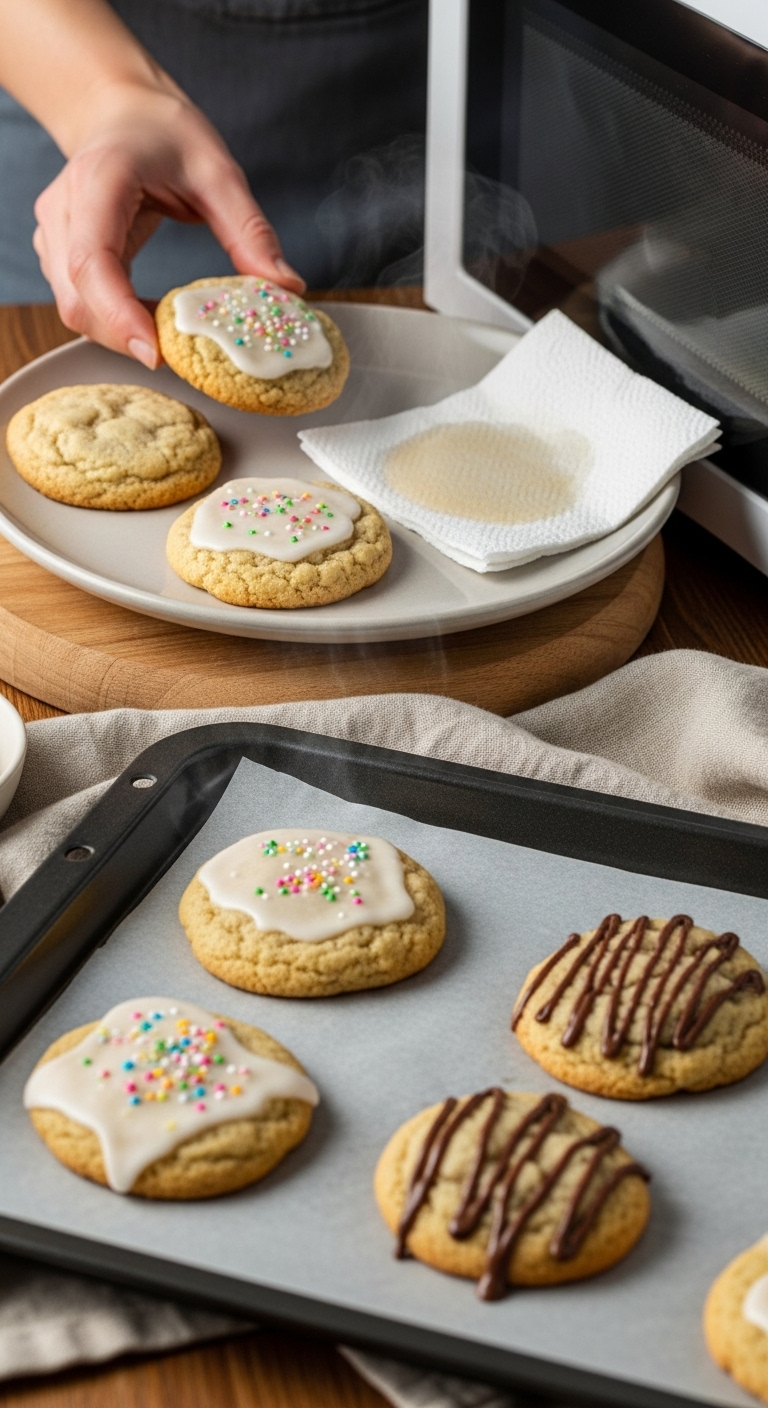
Spring cookies are rarely eaten all at once. They’re shared later, gifted the next day, or enjoyed slowly. Knowing how to store them properly ensures spring cookies baked softly for sharing, gifting and small celebrations stay enjoyable, comforting, and worth the effort.
Softness is not luck.
It’s care, even after baking is done.
Another post worth a look: Easy Veggie Stir Fry Recipe
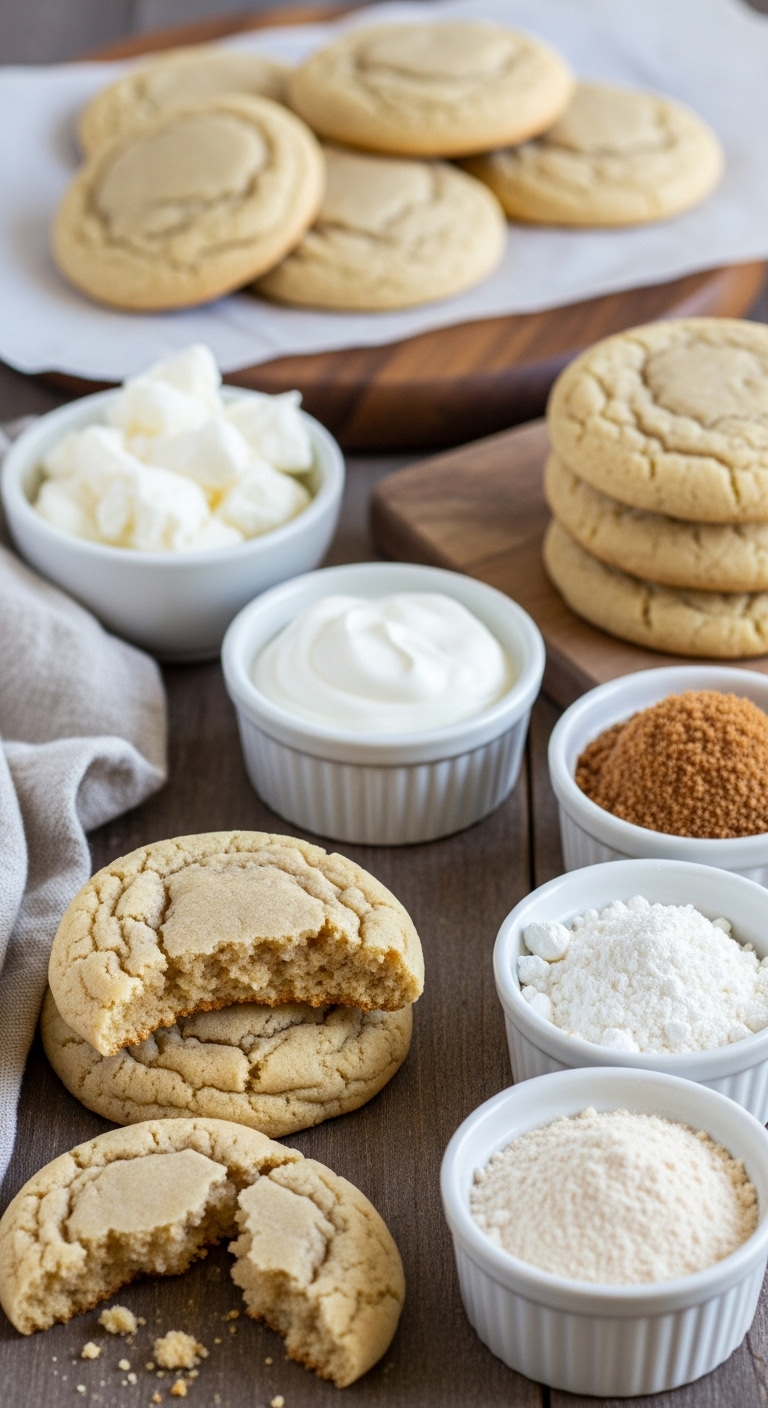
Many people looking for ingredient substitutions are simply avoiding cookies that feel too sugary, too heavy, or uncomfortable to eat, especially in spring.
This is common among people who are vegan, gluten-free, allergy-aware, or just baking for guests with different needs.
When cookies are meant for others, sweetness and texture matter even more. A cookie can meet every dietary requirement and still fail if it’s overly sweet.
This section focuses on substitutions that protect softness, balance, and enjoyment, which is essential for spring cookies baked softly for sharing, gifting and small celebrations.
Lower-Sugar Adjustments
Reducing sugar doesn’t mean removing it. Sugar does more than sweeten, it holds moisture.
How to reduce sugar safely
- Replace part of white sugar with brown sugar to keep moisture
- Reduce sugar slightly, not drastically (small cuts work best)
- Avoid sugar substitutes that dry out when baked
Balanced sweetness helps people enjoy more than one bite.
Vegan Substitutions
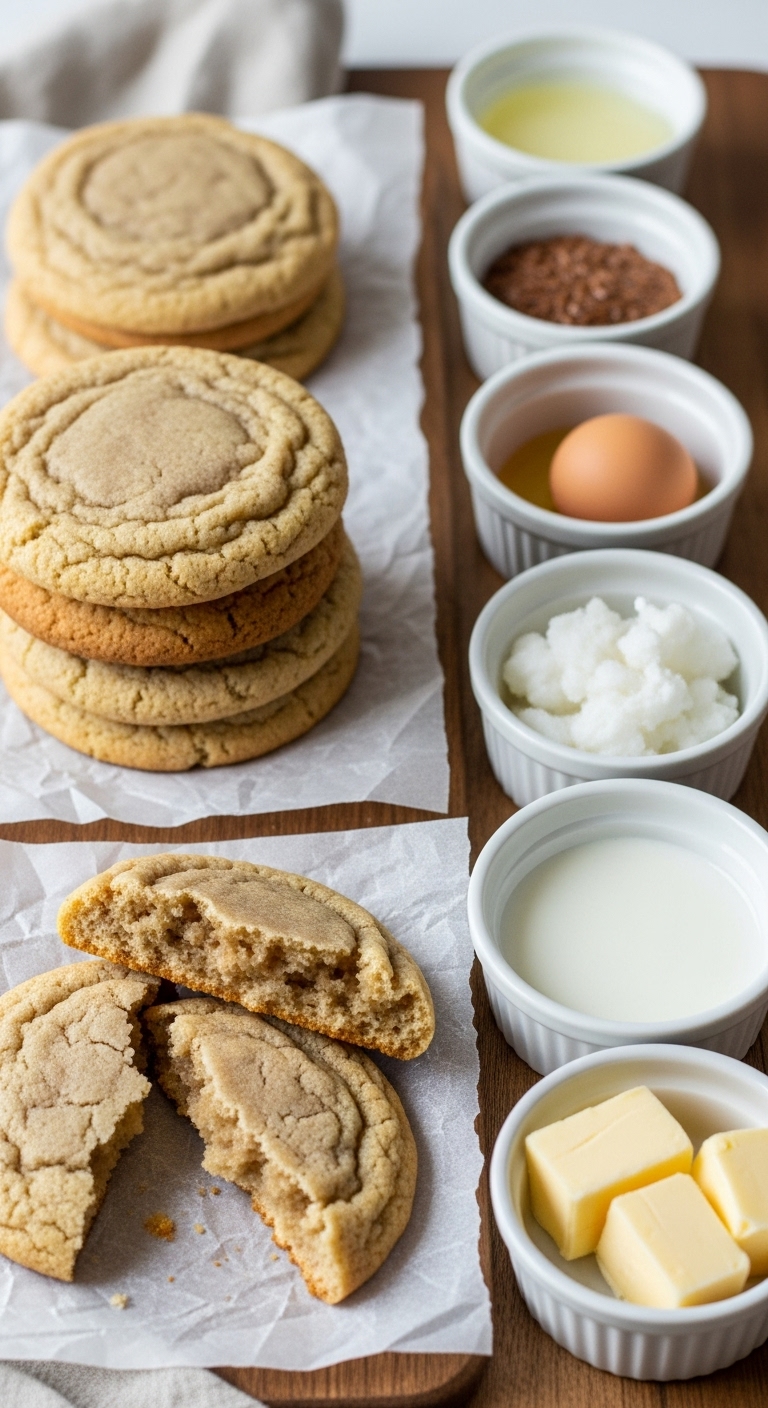
Vegan cookies often fail because too many things are replaced at once. The goal is minimal swaps with maximum softness.
Egg replacements that work
- Applesauce: adds moisture and keeps cookies tender
- Yogurt alternatives: help structure without drying
- Flax eggs: use carefully to avoid density
Fat matters more than flavor
- Vegan butter sticks behave closest to real butter
- Avoid liquid oils unless the recipe already supports them
Brown sugar becomes even more important in vegan baking because it replaces moisture lost from eggs and dairy.
Gluten-Free Substitutions Without Grit or Dryness
Gluten-free cookies turn dry when flour blends aren’t balanced.
What works better
- Use a gluten-free flour blend, not a single flour
- Add cornstarch or tapioca starch to soften texture
- Slightly underbake to protect tenderness
Gluten-free cookies firm up as they cool, so timing matters more than precision.
Allergy-Aware Baking
Nut-free, dairy-free, or egg-free cookies should never feel like a downgrade.
Key principle: replace volume and moisture
- Removing nuts? Replace with oats or extra flour plus fat
- Removing dairy? Match fat levels carefully
- Removing eggs? Replace both moisture and structure
Why Substitutions Matter More When Cookies Are Shared
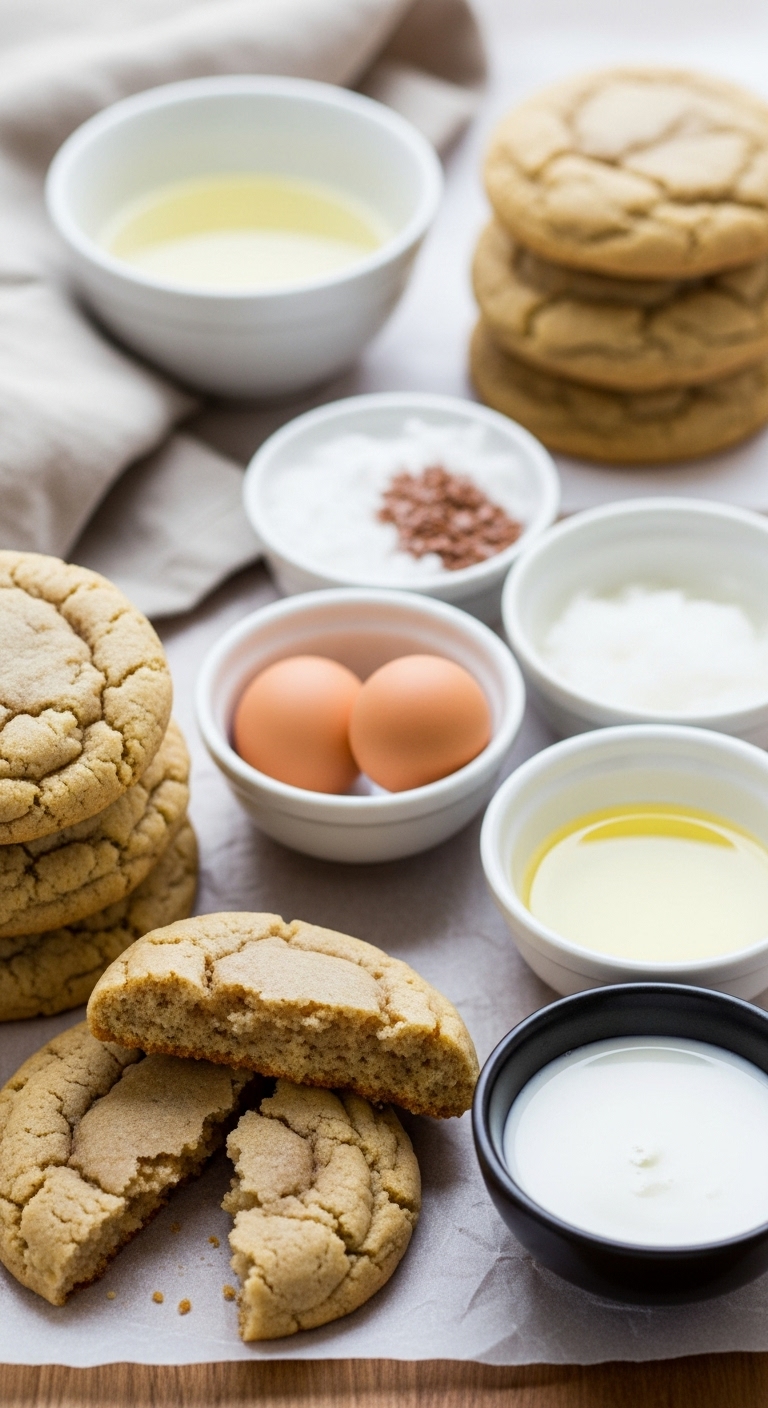
When cookies are baked for yourself, imperfections don’t matter much. But when cookies are shared, gifted, or served at small gatherings, people notice texture immediately.
Ingredient substitutions done thoughtfully ensure spring cookies baked softly for sharing, gifting and small celebrations feel inclusive, enjoyable, and genuinely thoughtful, without feeling restrictive or heavy.
If this helped, try this next: Gluten-Free Almond Bread Recipe
Conclusion
Soft cookies don’t need grand occasions. A small batch shared with a friend, wrapped for a neighbor, or placed on a table during a quiet spring gathering can mean more than an elaborate dessert ever could.
The beauty of spring cookies baked softly for sharing, gifting and small celebrations lies in their simplicity. They invite connection. They feel warm, familiar, and personal.
Don’t be afraid to experiment, try new flavors, gentle decorations, or simple packaging ideas that feel like you. The goal isn’t perfection; it’s intention.
This week, bake or choose a soft spring cookie and share it with someone special. You might be surprised how such a small gesture brings such big joy.
FAQs
Soft cookies are surprisingly sensitive to humidity. High humidity can make cookies too soft or sticky, while dry air can make them firm or crumbly faster. To adjust:
- Bake slightly less if it’s humid to avoid spreading too much.
- Store in an airtight container with a small piece of parchment in humid areas to balance moisture.
- In dry weather, adding a small extra tablespoon of brown sugar or a teaspoon of corn syrup can help retain softness.
This is crucial for spring cookies baked softly for sharing, gifting and small celebrations, especially if you live in a damp or dry climate.
- Can I make soft cookies in advance for a party without them losing their texture?
Yes! The key is timing and storage:
- Bake one day ahead and store in an airtight container with a small sheet of parchment or paper towel between layers.
- Freeze dough instead and bake the morning of the party for maximum freshness.
- Avoid stacking warm cookies in boxes, which crushes them and can smear decoration.
- Why do some soft cookies spread too much or not enough?
Cookie spread depends on fat type, temperature, and dough moisture:
- Butter that’s too soft or melted makes cookies spread too thin.
- Cold dough spreads less, giving thicker cookies.
- Ingredient ratios (flour vs sugar/fat) also matter: too little flour = wide cookies; too much = dense, dry cookies.
Understanding this helps you control cookies for sharing, gifting, or display at small celebrations.
- Can I decorate soft cookies ahead of time without them getting sticky or smudged?
Yes, but the trick is timing and type of decoration:
- Use soft icing that firms gently instead of thick royal icing.
- Let cookies cool completely before icing.
- Store iced cookies separately in a single layer if possible, with parchment between layers to prevent smudging.
This ensures cookies stay beautiful for gifting or party tables.
- How can I prevent soft cookies from sticking together when packed for gifting or transporting?
Soft cookies naturally stick if stacked or wrapped incorrectly. To avoid this:
- Place parchment or wax paper between layers.
- Wrap individual cookies in small sheets of parchment if traveling longer distances.
- Choose shallow containers rather than deep boxes to prevent pressure on the cookies.
This ensures the cookies retain their soft texture and decoration, which is essential for spring cookies baked softly for sharing, gifting and small celebrations.