This post contains affiliate links. This means I may earn a small commission if you purchase through my links at no extra cost to you.
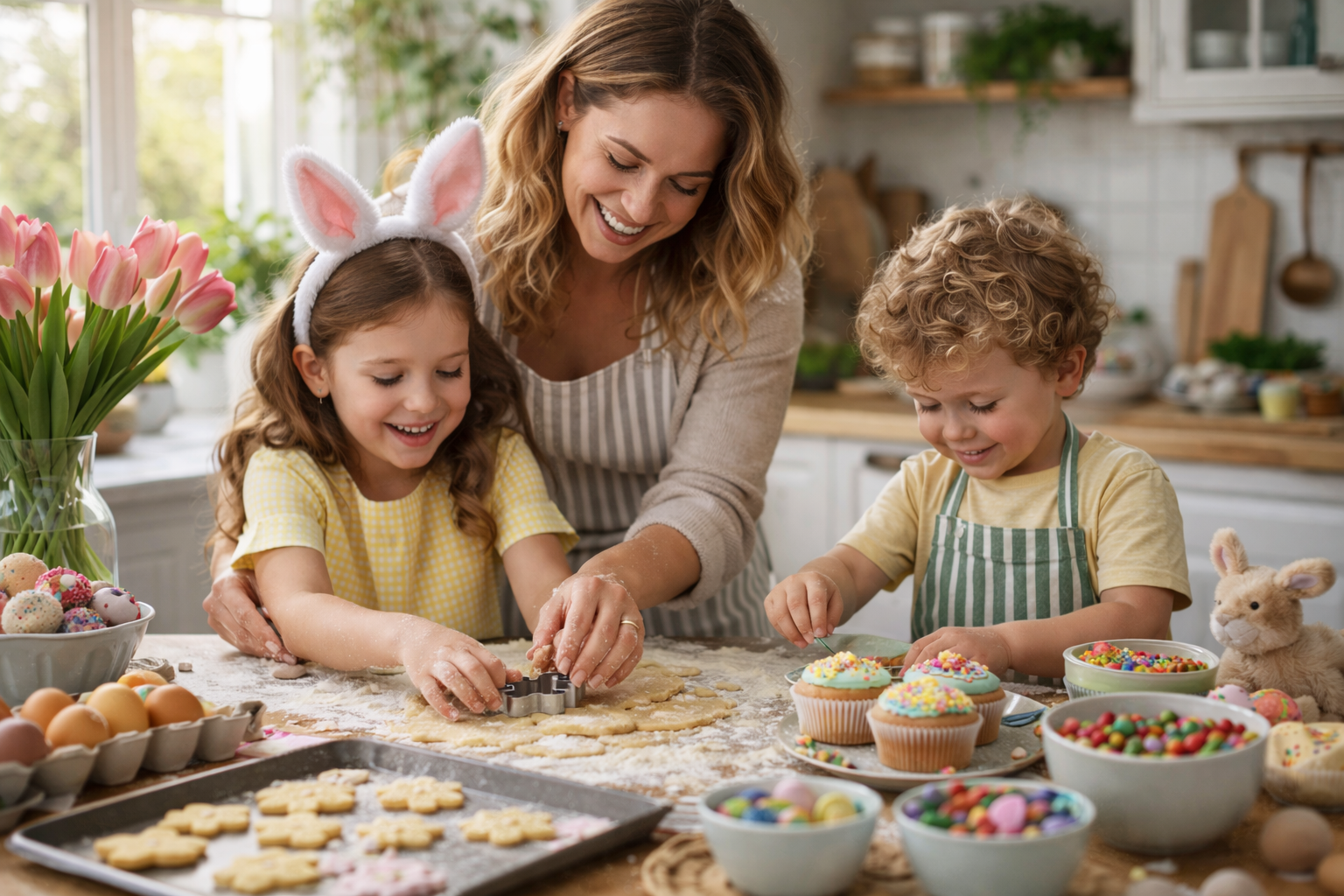
Can baking with kids be fun and calm? These 7 spring baking ideas for kids that feel playful, calm, and mess-friendly show how.
Baking with kids is more than just making sweet treats, it’s a fun way to boost their creativity, patience, and fine motor skills.
When little hands mix, knead, or decorate, they are learning without even realizing it. Plus, baking can be surprisingly calming, giving kids a sense of accomplishment and focus while having fun.
Spring is the perfect season for this kind of activity. The bright colors of fresh fruits and veggies, the smell of herbs, and seasonal ingredients make spring baking for kids a full sensory experience. Children get to explore flavors, colors, and textures while connecting with the season around them.
I remember one Saturday when I tried baking cupcakes with my niece. Flour was everywhere, batter ended up on the floor, and we both got frustrated.
But the next time, I tried a simple, mess-friendly recipe with clear steps and fun shapes. She stayed engaged, I stayed calm, and we both ended up laughing while creating playful spring treats for kids.
That’s when I realized that baking could be fun, educational, and stress-free if you plan it right.
The Principle of Playful, Calm, Mess-Friendly Baking
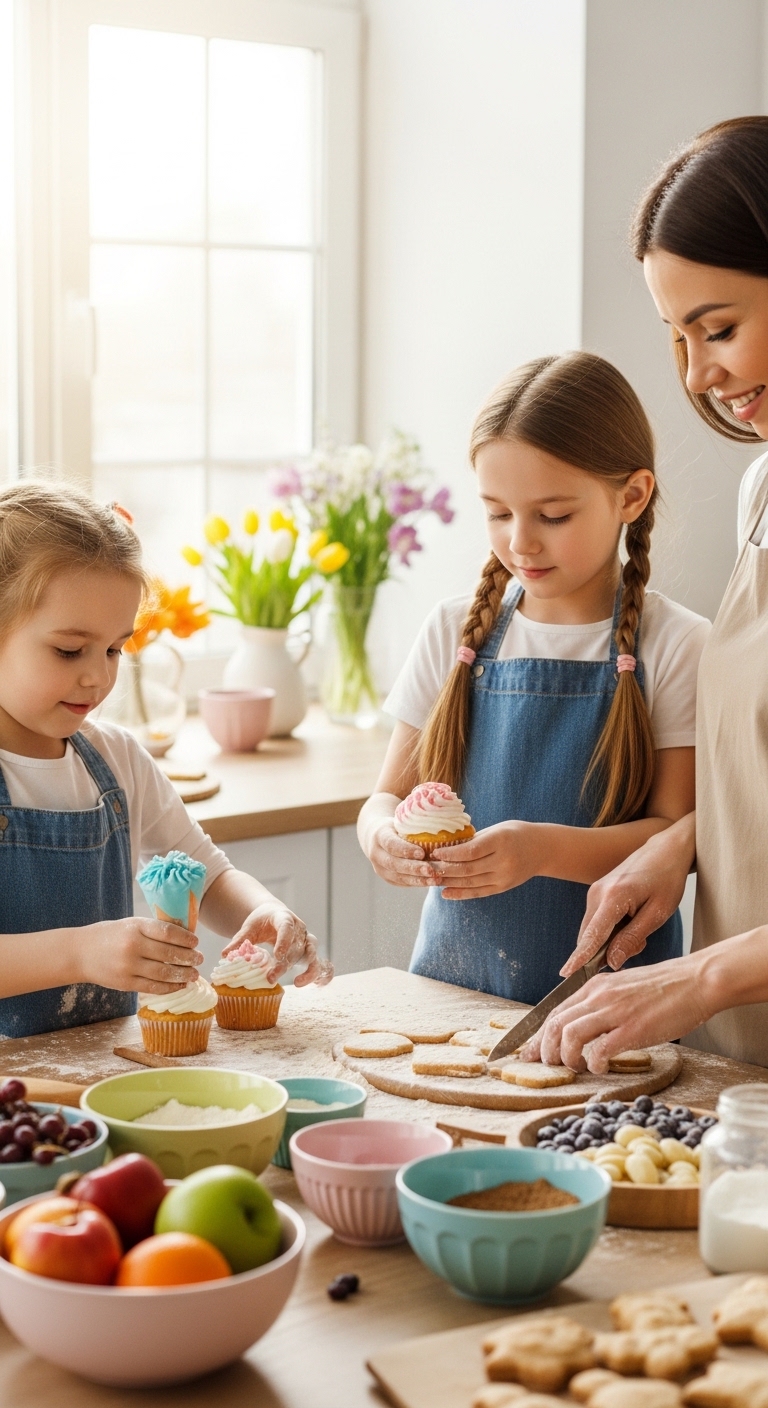
Baking with kids can be fun, but it can also get messy or stressful if you’re not prepared. That’s why following a few simple principles can make spring baking for kids enjoyable, calm, and learning-filled.
1. Calm
Calm baking means keeping things simple. Structured steps and easy recipes reduce stress for both kids and parents.
Instead of a complicated multi-step cake, try something simple like mini muffins or no-bake treats. Calm baking also encourages focus and patience, helping kids feel proud when they finish a recipe without feeling overwhelmed.
2. Playful
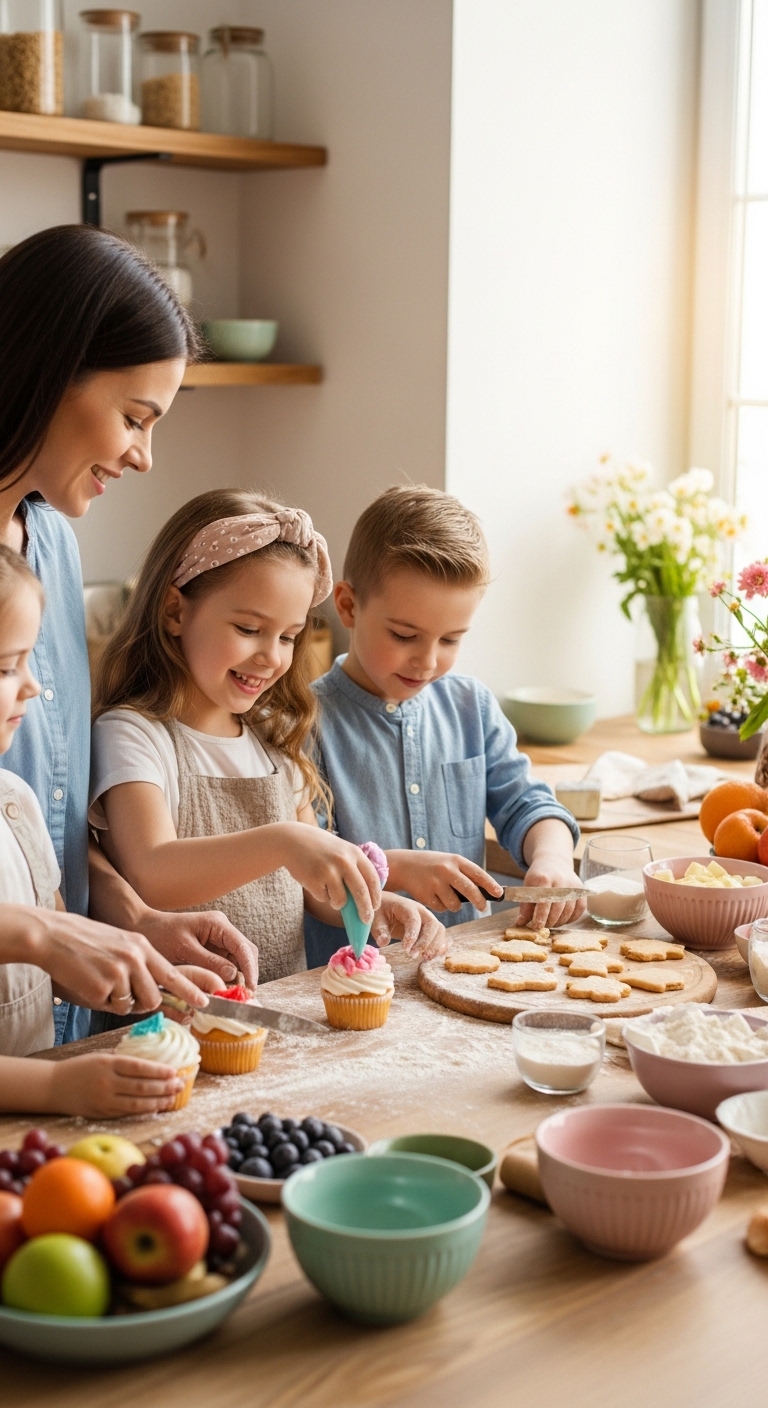
Kids love to create, so let baking feel like a mini art project. Use fun shapes, bright colors, or small tasks that give them a sense of pride.
Cutting cookies into flowers, decorating cupcakes like bunnies, or arranging fruit on a tart lets children play while learning. Playfulness keeps them interested and makes the experience memorable.
3. Mess-Friendly
Nobody wants flour on the floor or sticky counters. Mess-friendly baking is all about using the right tools and hacks: muffin liners, silicone mats, pre-measured ingredients, or a squeeze bottle for batter. These small changes make cleanup easier and let kids enjoy baking without turning it into a stress fest.
Let kids measure ingredients themselves. They might not realize it, but they are practicing math skills like counting, fractions, and measurement. Measuring sugar, flour, or milk teaches numbers and volume in a real-life, hands-on way.
This kind of learning is subtle but effective, your little bakers are learning while having fun, without even noticing it.
These fun spring cookie ideas complement other gentle baking moments like those in Spring Cookies Baked Softly for Sharing, Gifting and Small Celebrations, perfect for cozy afternoons in the kitchen together.
Spring Baking Ideas for Kids That Feel Playful, Calm, and Mess-Friendly
1. Rainbow Veggie Muffins
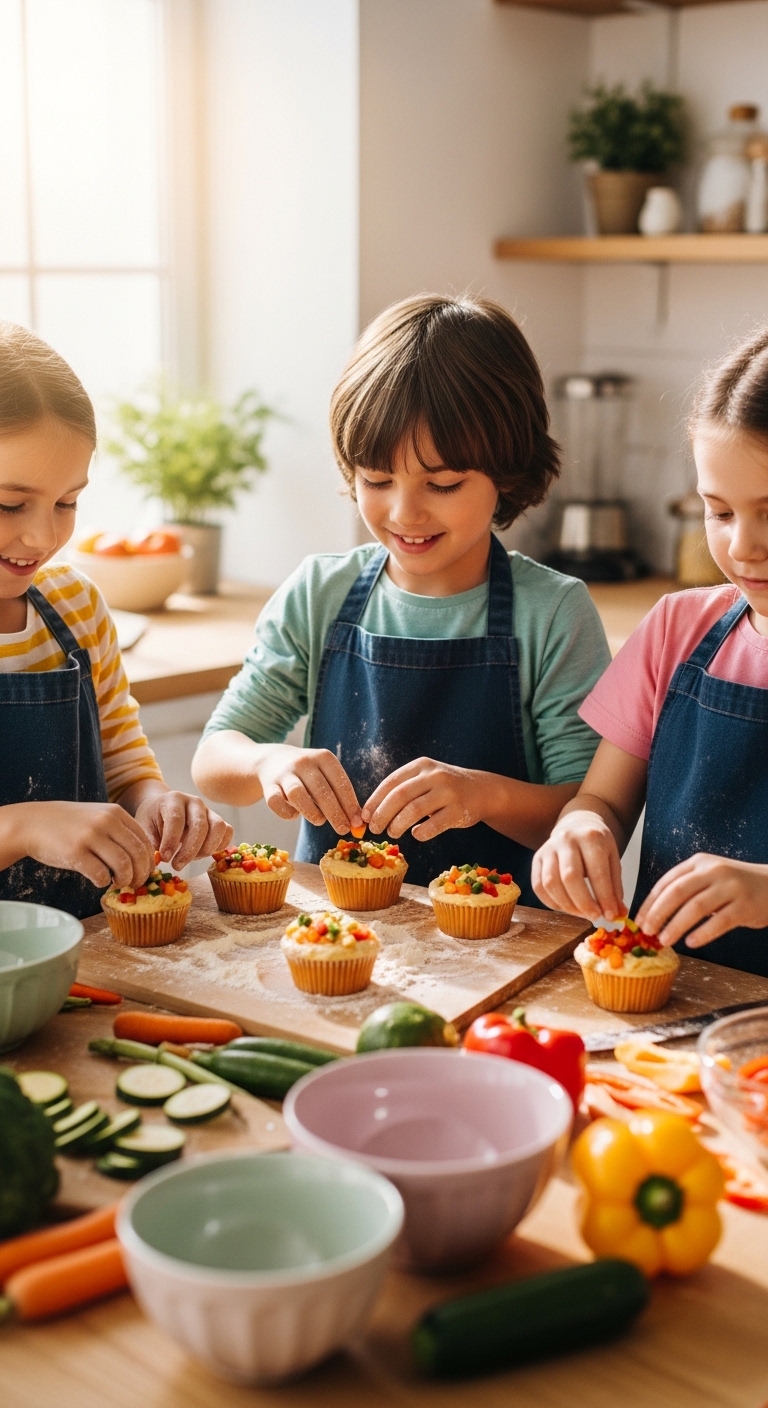
Kids usually think of muffins as sweet treats, but Rainbow Veggie Muffins turn veggies into something fun and colorful. Chopped carrots, bell peppers, and zucchini create a bright rainbow of colors that make eating vegetables exciting for little ones.
Educational Aspect:
- Nutrition lessons: Kids learn that vegetables can be tasty and colorful, and you can explain which nutrients are in each veggie (e.g., carrots for eyes, bell peppers for energy).
- Math and counting skills: Let kids count the pieces of each veggie or measure ingredients in cups or tablespoons. This teaches fractions and basic math hands-on.
- Science fun: Kids can observe how heat changes the muffin batter. They’ll notice textures, colors, and smell changes, introducing basic food science concepts naturally.
- Creativity & problem-solving: Let kids arrange the veggie pieces in patterns or shapes on top of the muffins. They’ll experiment and make decisions, boosting creative thinking.
Mess-friendly tips:
- Use pre-chopped veggies or silicone muffin liners to reduce spills.
- Encourage kids to mix ingredients in a large bowl and use small spoons or cups for adding veggies. This helps contain the mess while giving them hands-on experience.
Extra tip for parents:
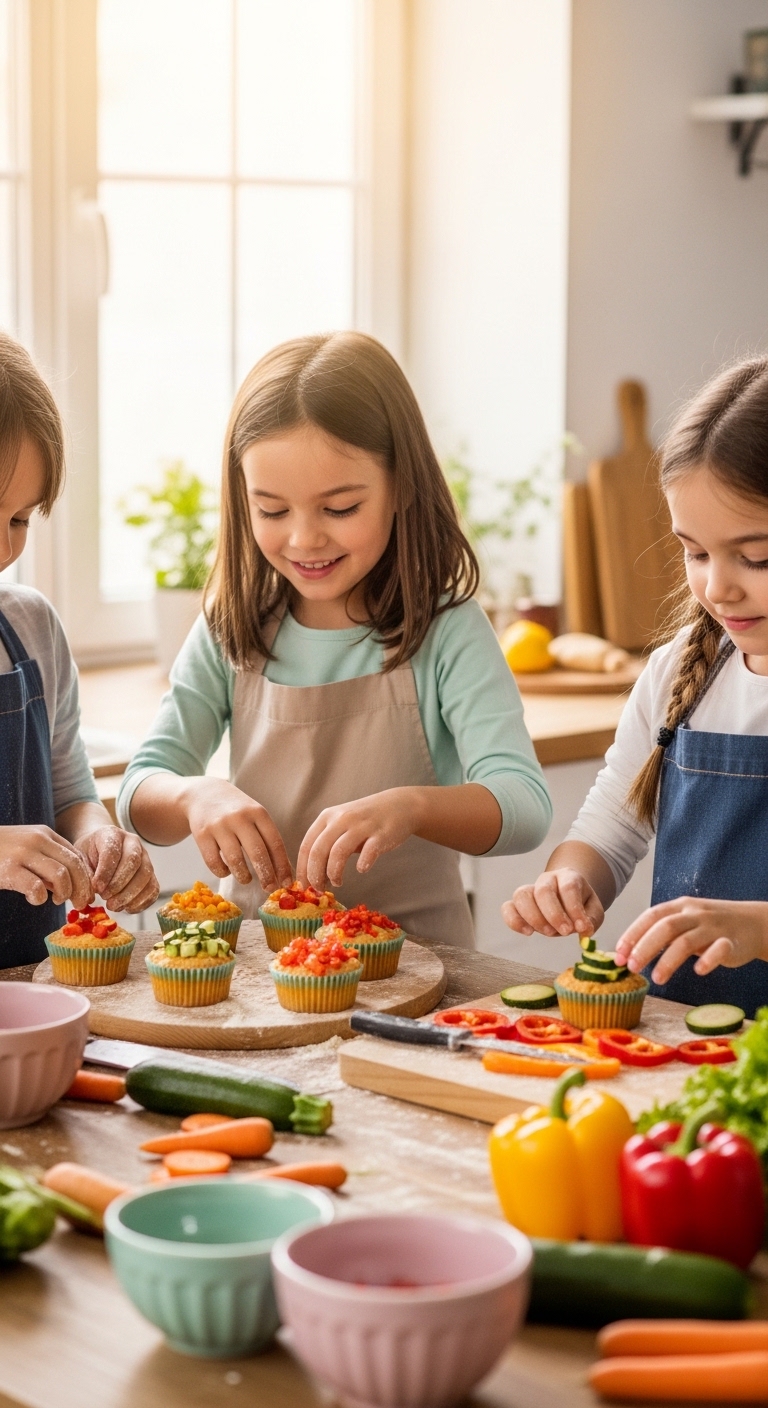
- Talk about colors and textures while baking. Ask questions like: “Which veggie is orange? Which one is soft or crunchy?” This keeps kids engaged and turns baking into a full sensory learning experience.
If your kids enjoy slow baking moments that feel calm and intentional, you’ll love the soft recipes in Soft and Sweet Valentine’s Day Sugar Cookies Made for Slow Baking Moments, for simple, comforting treats together.
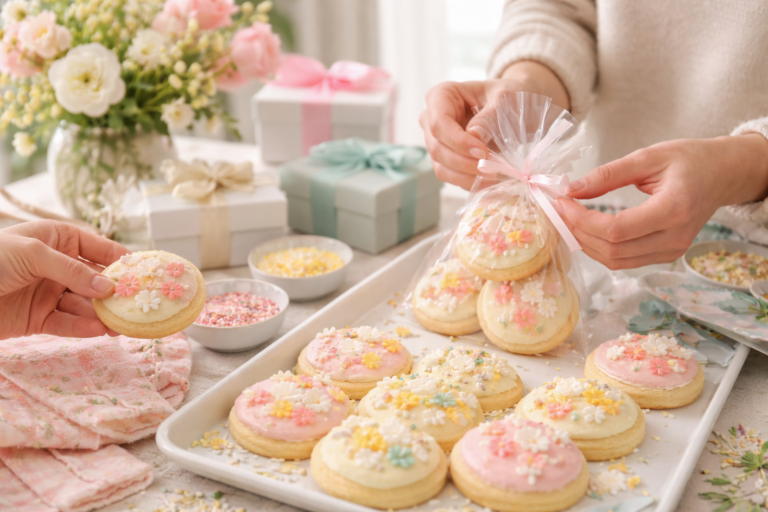
2. Flower-Shaped Sugar Cookies
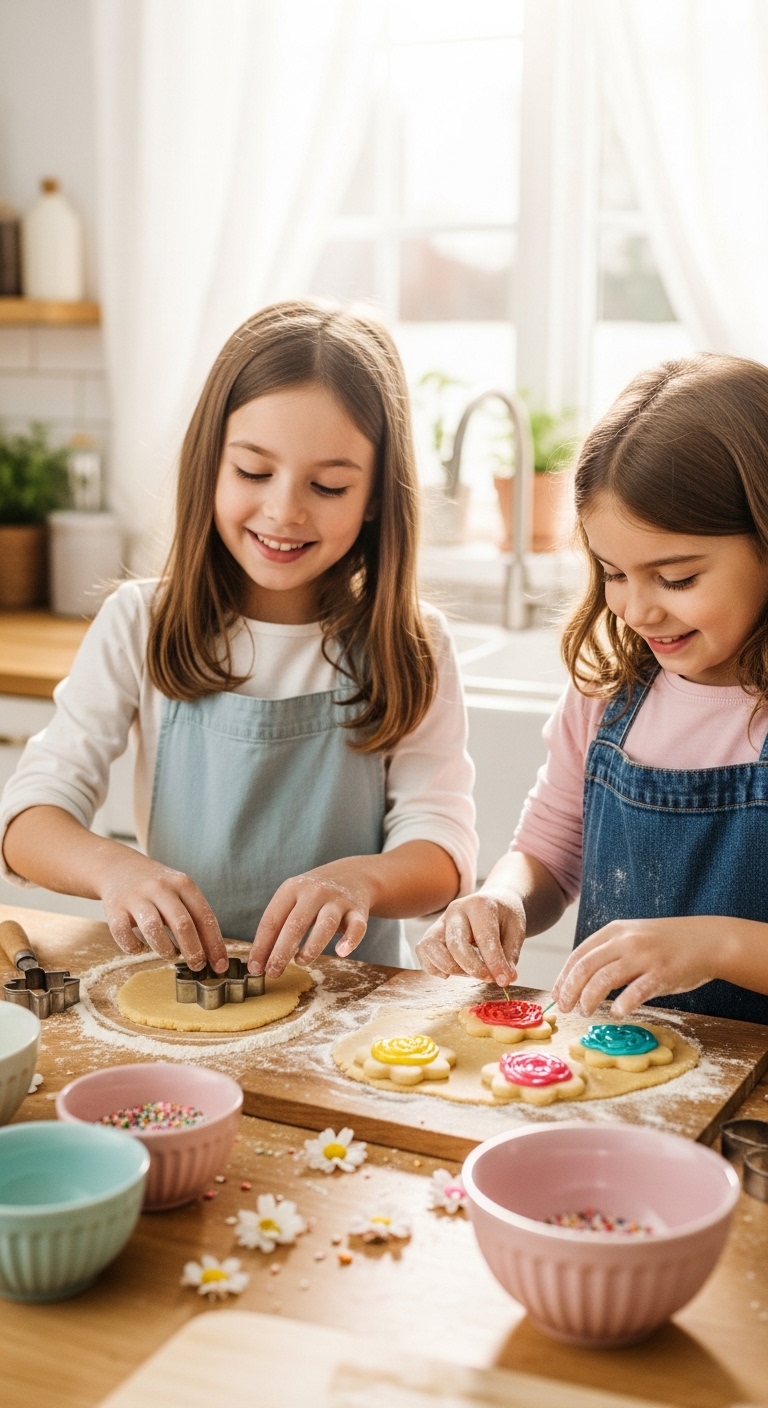
Spring is full of flowers, so why not bring them into the kitchen? Flower-shaped sugar cookies are a fun way for kids to bake while celebrating the season. Using cookie cutters, kids can create colorful blooms that are as fun to decorate as they are to eat.
Why it’s educational:
- Shape recognition & geometry: Kids learn about shapes and symmetry when pressing cookie cutters into the dough or arranging petals.
- Math skills: Measuring flour, sugar, and butter introduces fractions and volume naturally. For example, “1/2 cup of sugar” teaches concepts that will stick better than worksheets.
- Science in action: Kids observe how dough changes when mixed, chilled, and baked. You can explain why butter makes cookies soft or how sugar caramelizes to create color and flavor.
- Creativity & color learning: Decorating cookies with icing or sprinkles lets children explore color mixing, patterns, and design, all while improving fine motor skills.
Mess-friendly tips:
- Roll dough between parchment paper sheets to minimize flour on counters.
- Use pre-cut cookie shapes if kids are very young, letting them focus on decorating rather than cutting.
- Keep icing in small squeeze bottles or piping bags to reduce spills.
Extra fun idea:
- Encourage kids to create a spring garden on the baking tray, arranging different flower shapes together. It becomes a mini art project and teaches planning and spatial awareness.
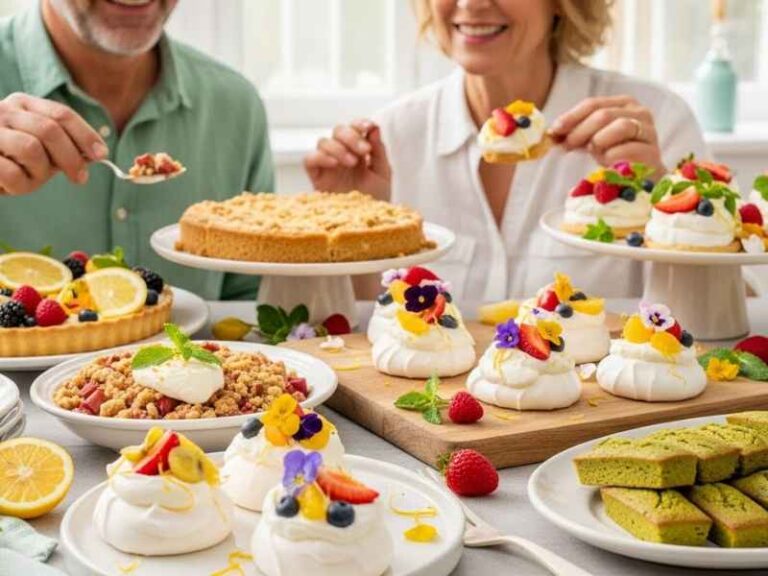
3. Mini Fruit Tartlets
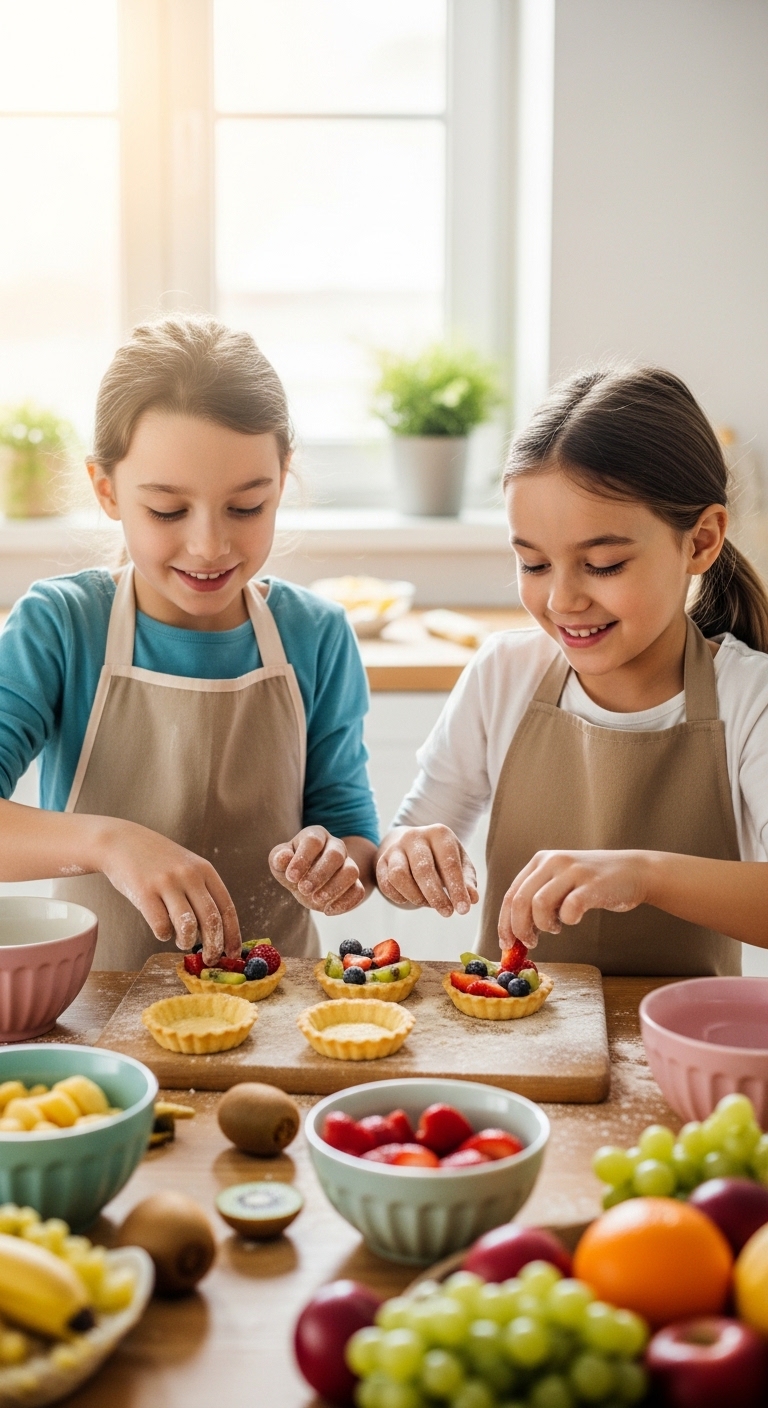
Mini fruit tartlets are bite-sized treats that kids can help assemble without handling raw dough too much.
They’re colorful, customizable, and perfect for little hands. Using pre-made tart shells or simple no-bake bases makes this a calm, stress-free activity.
Why it’s educational:
- Nutrition awareness: Kids learn about different fruits, their colors, and healthy benefits, like vitamin C in strawberries or fiber in kiwi.
- Fractions and sharing: Cutting fruit into halves, quarters, or slices teaches fractions and division naturally. They can practice sharing portions with family while learning math in real-life situations.
- Science & sensory learning: Kids can explore textures, flavors, and colors, noticing how soft fruit mixes with creamy fillings. They also learn cause and effect as ingredients are combined.
- Creativity & design skills: Decorating tartlets encourages kids to plan and create patterns with fruit shapes, practicing hand-eye coordination and artistic thinking.
Mess-friendly tips:
- Use pre-cut fruit or soft fruits that are easy to handle.
- Let kids assemble tartlets on a tray or plate to contain spills.
- Use spoons or small tongs for fruit placement to minimize sticky fingers on counters.
Extra fun idea:
- Challenge kids to make a fruit rainbow or seasonal design on each tartlet. It’s playful, encourages pattern recognition, and gives them a sense of pride in their creations.
4. Bunny-Shaped Pancake Pops
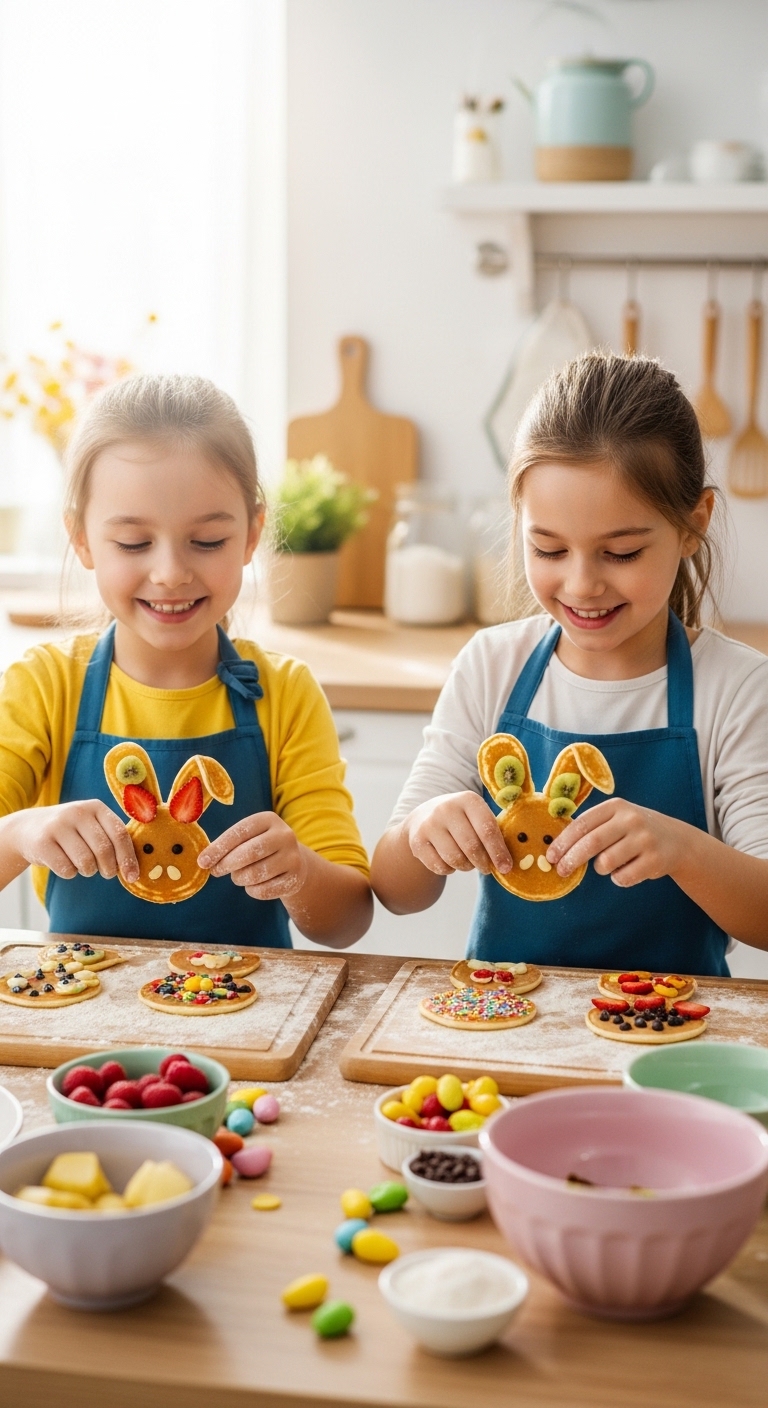
Bunny-shaped pancake pops are a fun and easy spring treat that kids can help make without using the oven.
Using a simple pancake batter and a squeeze bottle, children can draw bunny shapes on a griddle or non-stick pan, then decorate with fruit, chocolate chips, or yogurt for faces.
This makes them perfect for spring baking ideas for kids that are interactive and playful.
Why it’s educational:
- Science in the kitchen: Kids see how batter changes from liquid to solid when heated. This introduces simple food science concepts like heat transformation.
- Math and measurement: Using measuring cups or spoons to pour batter helps children practice fractions and volume.
- Creativity & problem-solving: Decorating bunny faces allows kids to experiment with shapes, symmetry, and design, improving fine motor skills and artistic thinking.
- Sensory learning: Kids explore textures, smells, and colors, which engages multiple senses and keeps them focused.
Mess-friendly tips:
- Use a non-stick griddle or pan to reduce the need for extra oil.
- Let kids squeeze the batter through small bottles instead of free-pouring, it keeps the kitchen cleaner.
- Prepare decorations like fruit or chocolate chips in small bowls, so spills are minimal.
Extra fun idea:
- Turn it into a mini bunny breakfast party, where kids arrange their pancake pops on plates to form a spring garden. It’s playful, engaging, and makes kids proud of their creations.
Looking for soft treats that still feel playful? You might also enjoy the recipes in Soft and Sweet Valentine’s Day Sugar Cookies Made for Slow Baking Moments ,for inspiration.
5. No-Bake Carrot Cake Bites
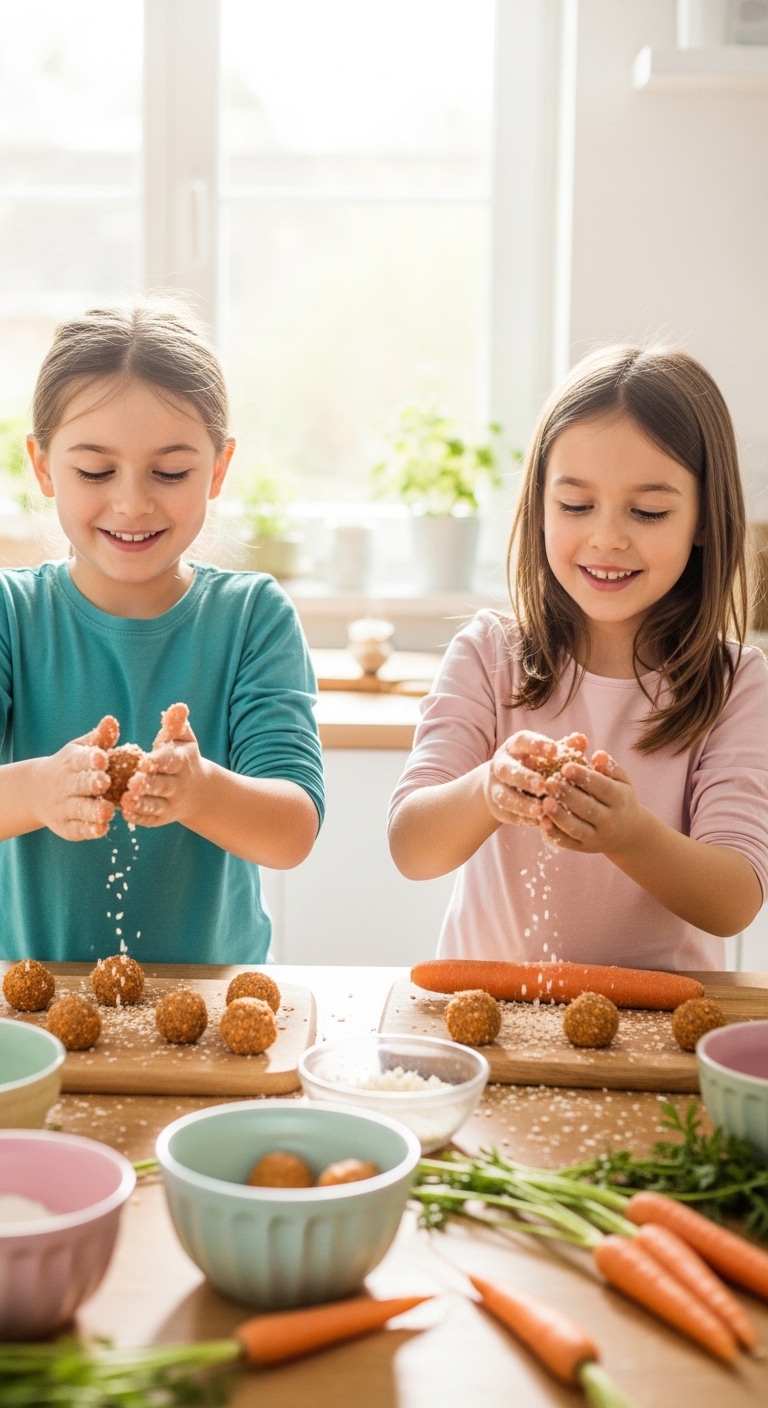
No-bake carrot cake bites are a simple, hands-on treat that kids can help make without turning the kitchen into a mess.
Using grated carrots, oats, honey, and a few spices, children can mix, roll, and shape the bites into small balls, perfect for little hands.
Why it’s educational:
- Nutrition lessons: Kids learn about healthy ingredients like carrots, oats, and natural sweeteners, seeing how they combine to make something tasty.
- Science & texture: Mixing ingredients teaches binding and texture concepts, how sticky or dry ingredients work together to hold shape.
- Math & counting skills: Rolling equal-sized balls helps children practice size comparison and counting, introducing basic math skills naturally.
- Creativity & design: Kids can decorate the bites with nuts, seeds, or coconut flakes, learning patterns and design while improving fine motor skills.
Mess-friendly tips:
- Use a large mixing bowl and a spoon for scooping to minimize sticky fingers on counters.
- Have kids work on a tray lined with parchment paper to contain any spills.
- Pre-measure ingredients so mixing is quick and tidy.
Extra fun idea:
- Turn the carrot cake bites into mini carrots or spring shapes by rolling some into elongated pieces and adding small toppings. Kids get to play with shapes while learning and having fun!
6. DIY Fruit Leather Strips
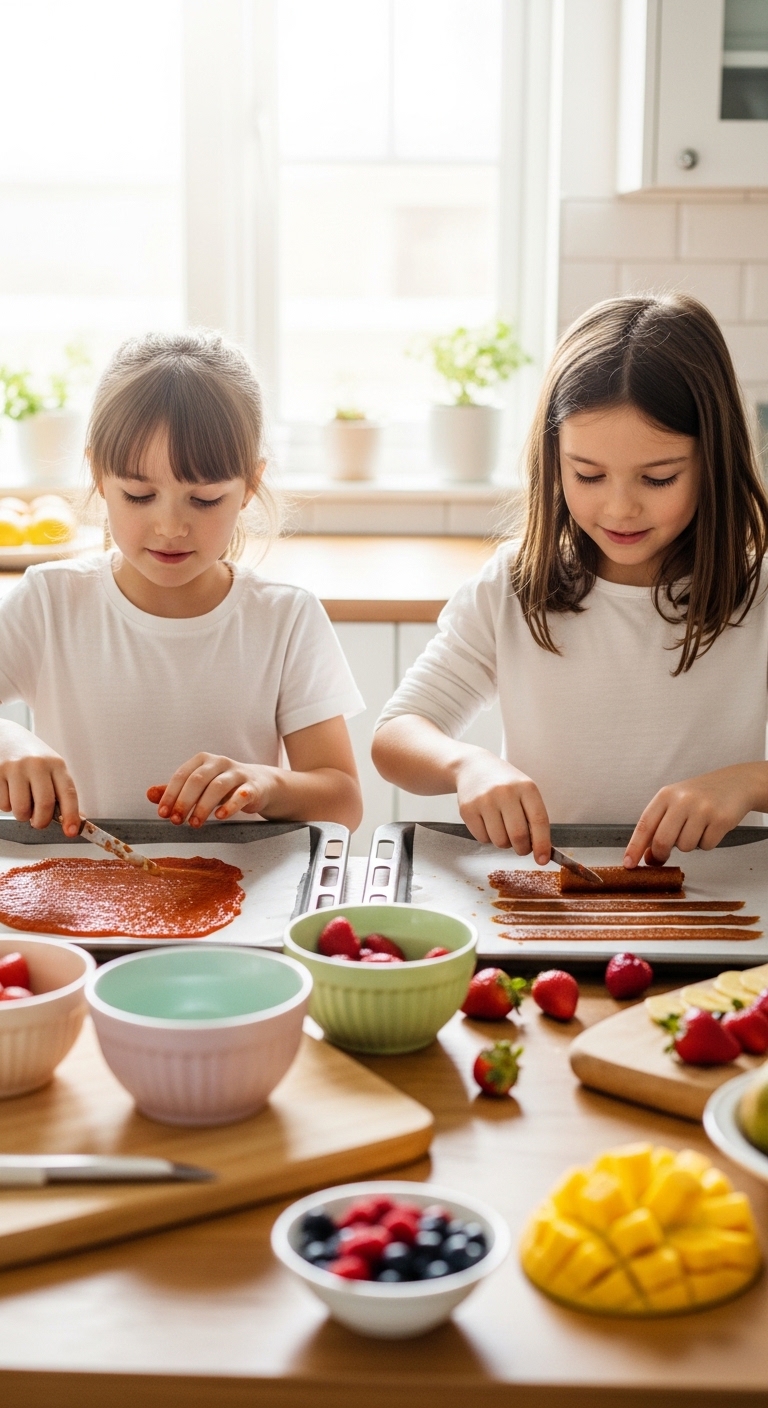
DIY fruit leather strips are a fun, hands-on snack that kids can help make while exploring healthy ingredients.
Using blended fruits and a simple baking sheet or dehydrator, children can spread, shape, and roll the mixture into colorful strips,making them a perfect addition to your list of spring baking ideas for kids.
Why it’s educational:
- Nutrition awareness: Kids learn about natural sugars, vitamins, and fiber in fruits, seeing how different fruits combine to create new flavors.
- Science & observation: They can watch how liquid fruit puree turns into a chewy sheet through drying or low-heat baking, introducing basic food science concepts.
- Math & measurement skills: Measuring fruit portions and spreading them evenly teaches fractions and spatial awareness.
- Creativity & planning: Kids can layer different fruit colors or make patterns in the strips, encouraging artistic thinking and fine motor skills.
Mess-friendly tips:
- Use a silicone baking mat or parchment paper to prevent sticking.
- Encourage kids to spread fruit puree with small spatulas to minimize spills.
- Pre-measure fruit in small bowls to keep the process organized and stress-free.
Extra fun idea:
- Challenge kids to create fruit rainbows or spring designs on the sheet before drying. This makes the activity playful, interactive, and visually rewarding!
7. Spring-Themed Smoothie Bowls
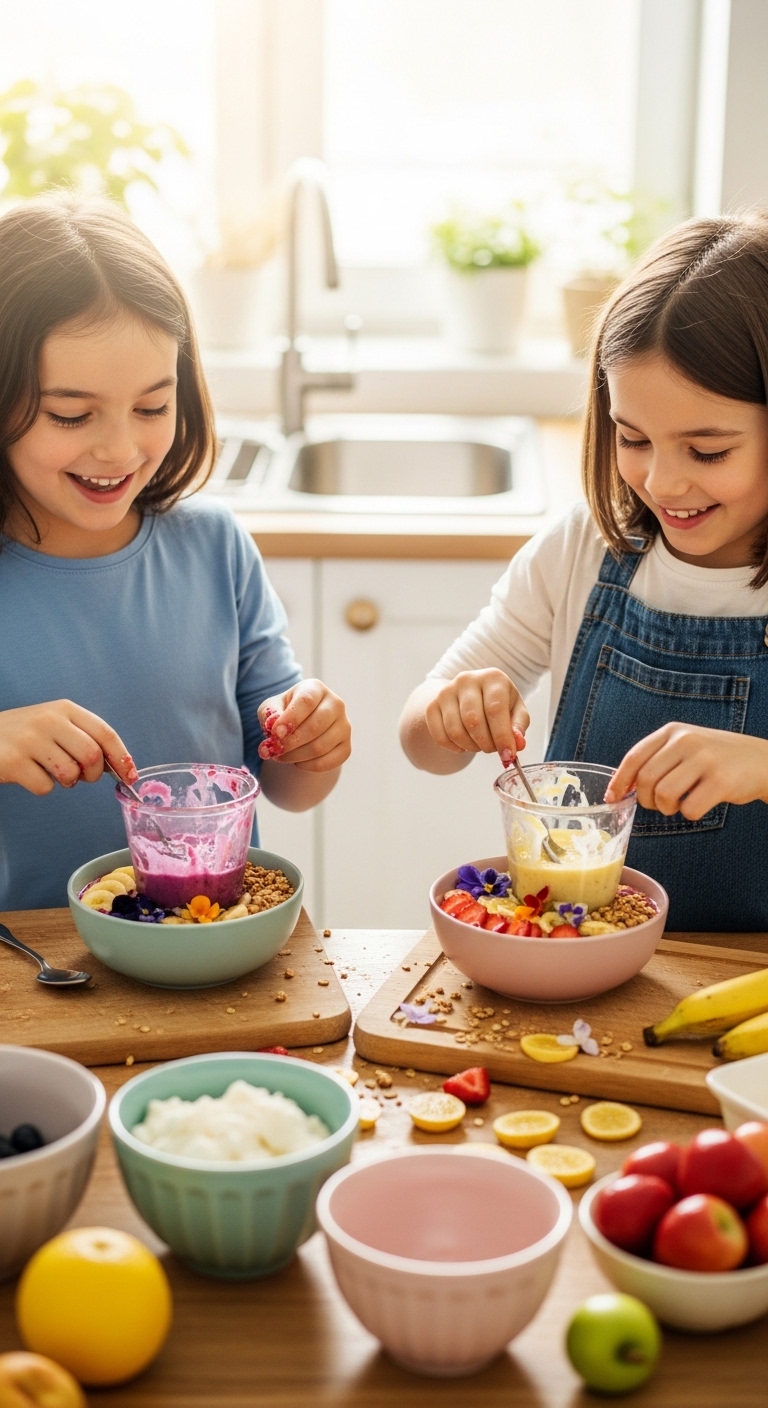
Smoothie bowls are a colorful and interactive way for kids to enjoy fruits while exploring textures and designs.
Using a thick smoothie base, children can decorate with fresh fruit, seeds, and edible flowers, turning breakfast or snack time into a playful, spring-inspired activity.
Why it’s educational:
- Nutrition lessons: Kids learn about healthy fruits, vitamins, and fiber, and see how combining ingredients can make a tasty, balanced treat.
- Science & texture exploration: They can observe how liquid smoothies thicken when blended or how toppings sink or float, introducing simple food science naturally.
- Math and patterns: Arranging fruit, seeds, or nuts in patterns or designs teaches counting, sequencing, and spatial awareness.
- Creativity & fine motor skills: Decorating the bowls encourages artistic expression and helps improve hand-eye coordination.
Mess-friendly tips:
- Use small cups or bowls to contain spills.
- Let kids use spoons or small squeeze bottles for adding toppings to reduce mess.
- Prepare fruits and seeds in pre-measured small bowls for easy access and minimal cleanup.
Extra fun idea:
- Encourage kids to create a spring garden or rainbow theme in their smoothie bowls. This keeps them engaged, lets them experiment with colors, and makes the activity feel playful and rewarding.
Seasonal and Nutritional Awareness
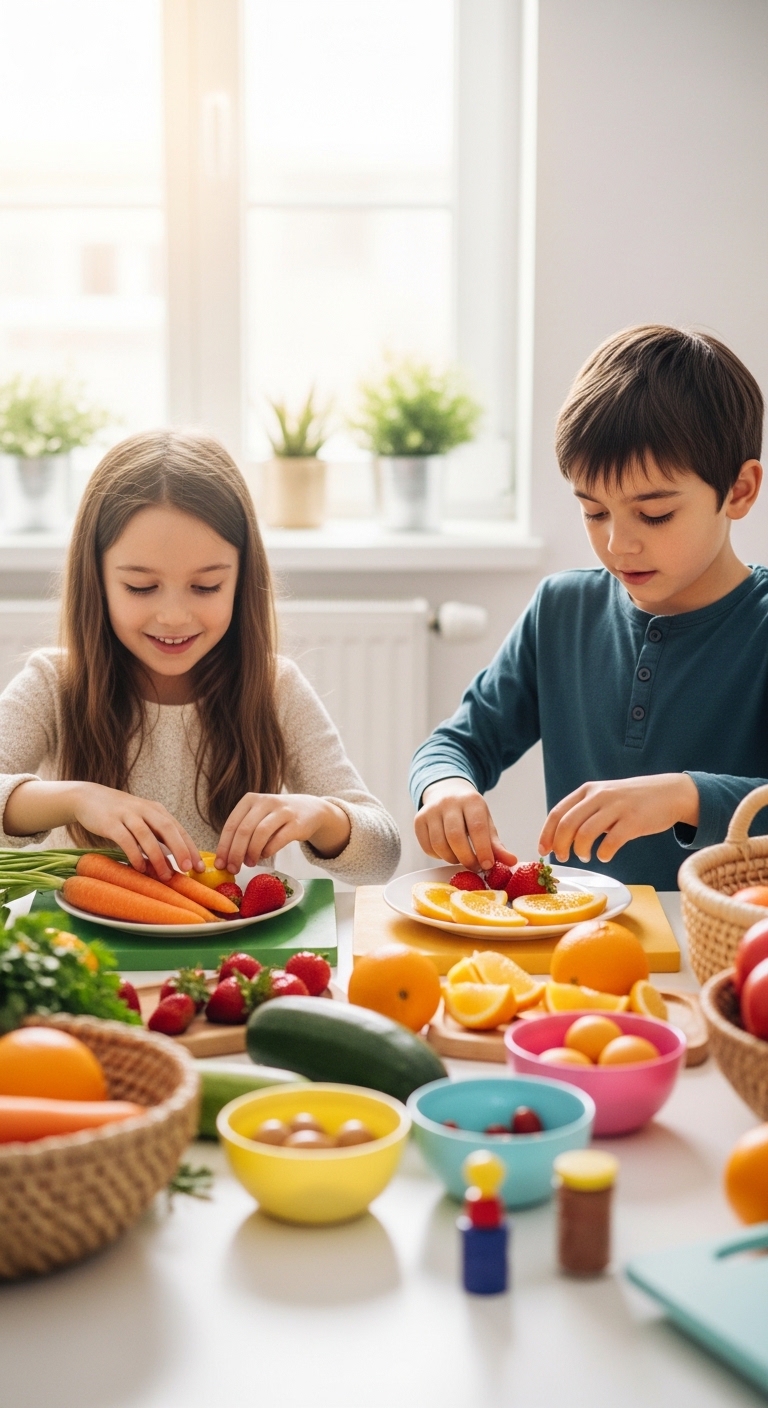
One of the best parts of spring is the abundance of fresh, colorful fruits and vegetables. Teaching kids about seasonal ingredients through spring baking ideas for kids is a fun way to help them learn about nutrition while enjoying baking.
Why it’s important: Kids often think of fruits and vegetables as “boring” or “yucky.” Baking gives them a hands-on way to explore these ingredients in a playful, tasty, and creative way.
For example, strawberries, carrots, zucchini, and citrus are perfect for spring recipes, they’re colorful, flavorful, and full of vitamins that help kids grow and stay healthy.
How to teach nutrition subtly while baking:
- Color recognition: Ask your child to name the colors of the fruits or veggies. Explain that different colors mean different nutrients, like orange carrots have vitamin A for strong eyes, and red strawberries have vitamin C for healthy skin and immunity.
- Taste exploration: Let kids taste small pieces of each ingredient before adding them to the recipe. Ask questions like: “What does this fruit taste like? Is it sweet, tart, or soft?” This helps develop their palate and encourages them to try new foods.
- Healthy swaps: Show how baking can be balanced and nutritious. For instance, use mashed banana or applesauce instead of sugar, or whole wheat flour instead of white flour. Explain that these swaps make treats healthier without losing fun or flavor.
- Science in the kitchen: Kids can see how ingredients change when baked, like carrots softening in muffins or citrus juice thickening in tarts. This is an easy introduction to food science in a way that’s hands-on and memorable.
Extra tip: Turn it into a color-and-nutrition game. Let kids pick one fruit and one veggie for each recipe and name the vitamins they contain. This reinforces learning without feeling like a lesson.
By including these lessons in your spring baking ideas for kids, you’re helping children develop healthy eating habits, understand nutrition, and connect with the season, all while having fun and creating delicious treats.
Encouraging Creativity and Ownership
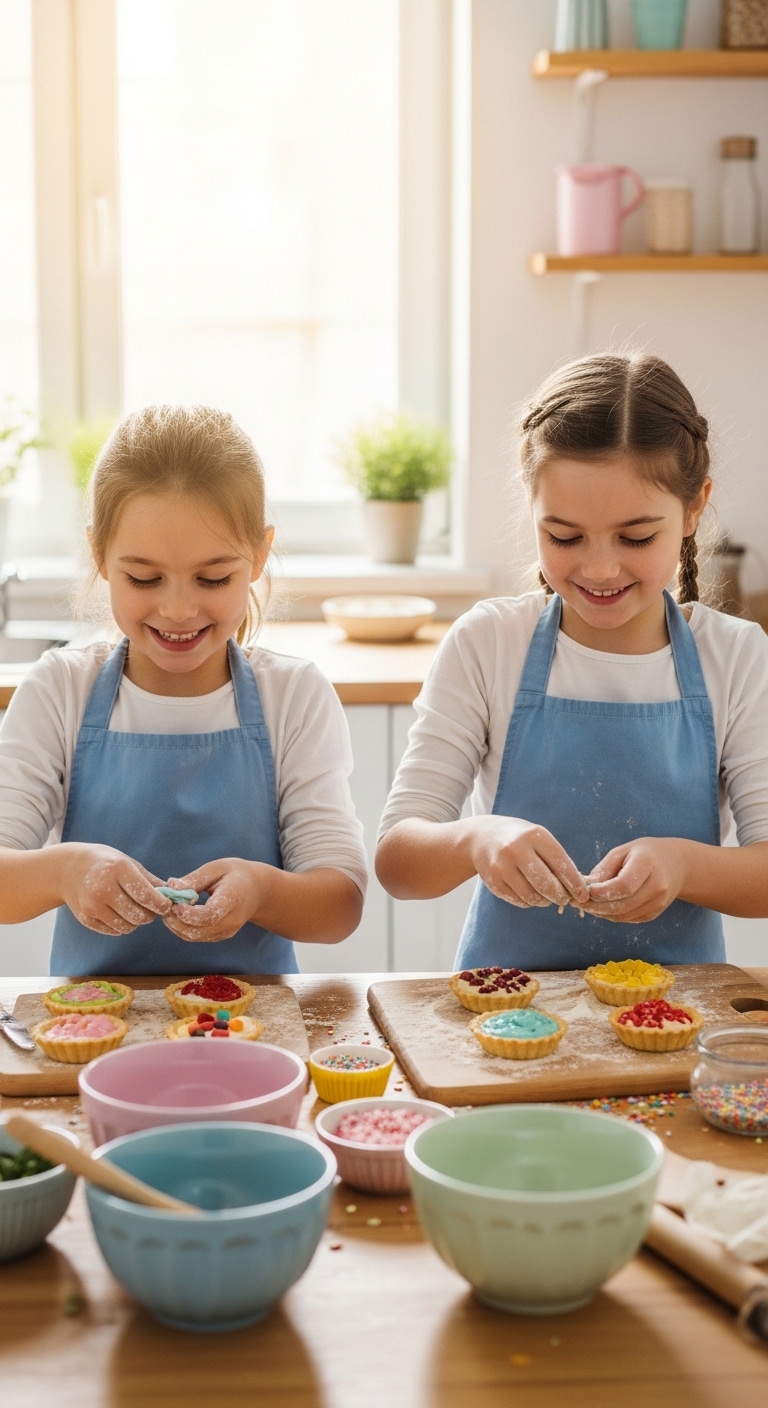
Baking is not just about following a recipe, it’s also a chance for kids to express themselves, make decisions, and feel proud of what they create.
When children are allowed to design, decorate, and experiment, it boosts their confidence and sense of independence.
Why it’s educational:
- Problem-solving & planning: When kids decide how to decorate a cookie or arrange fruit, they are planning steps, predicting outcomes, and solving small challenges. For example, figuring out how to balance fruit on a tart teaches spatial reasoning and sequencing.
- Fine motor skills: Activities like piping icing, sprinkling decorations, or rolling dough improve hand-eye coordination and dexterity.
- Decision-making: Giving kids small creative challenges, like “Can you make a rainbow cookie?” or “Arrange fruit like a garden?”, lets them experiment, test ideas, and learn from the results. This fosters independence and critical thinking.
- Emotional growth: Seeing their finished creation encourages a sense of ownership and accomplishment, which is great for self-esteem.
How parents can encourage creativity without chaos:
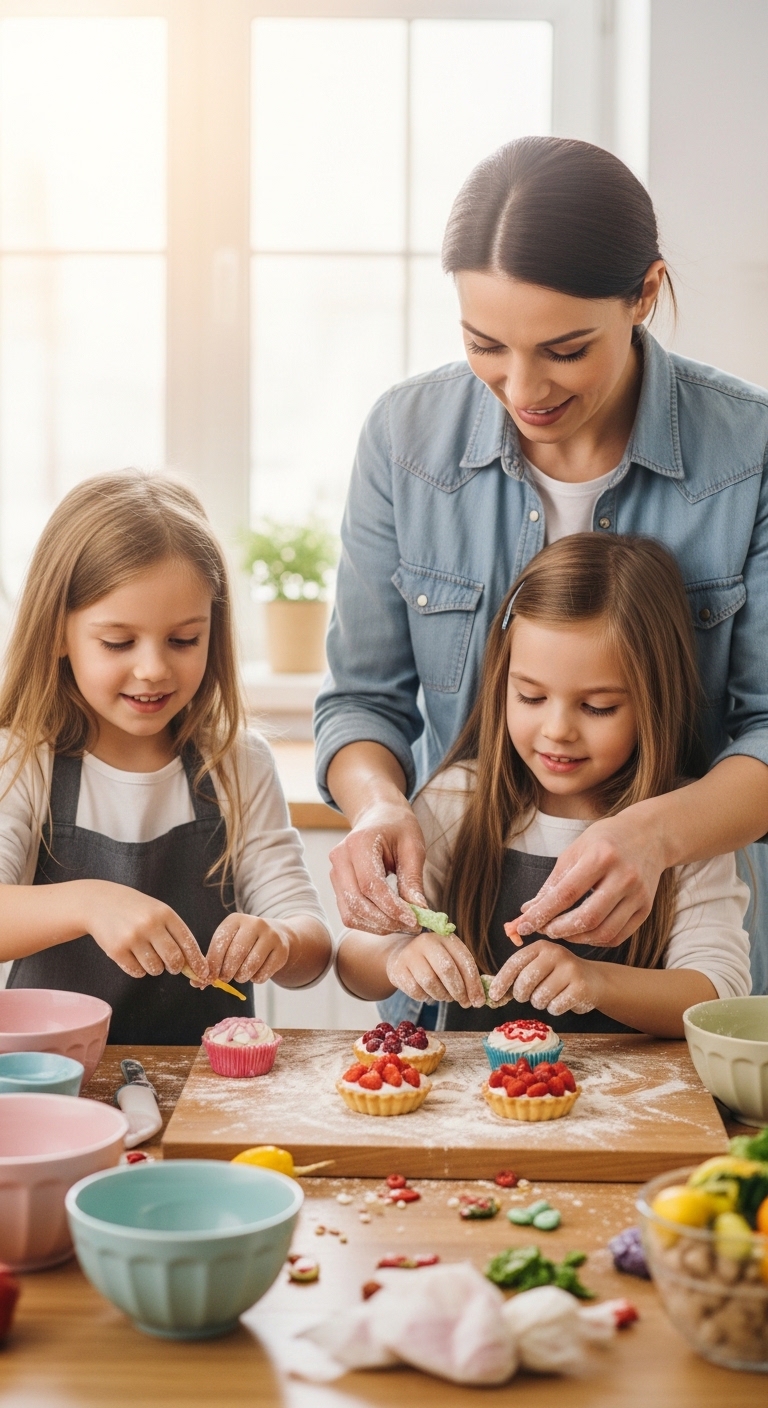
- Offer limited choices (two or three colors of icing, a few toppings) to keep it simple and manageable.
- Provide tools that are safe and easy for little hands: squeeze bottles, silicone molds, or small decorating spoons.
- Celebrate their unique designs, even if they’re messy or unconventional. The goal is learning, creativity, and fun, not perfection.
Extra fun idea:
- Create a baking gallery: display cookies, muffins, or tartlets on a tray and let kids present their creations. This turns the activity into a mini art show, reinforcing pride, creativity, and ownership.
By encouraging creativity and ownership, baking becomes more than making treats,it’s a way for kids to learn, explore, and grow while having fun.
Pair playful baking with cozy spring ambiance, check out 5 Gentle Ways to Style a Spring Mantel That Feels Fresh and Cozy for sweet, simple ways to make your home feel like the perfect backdrop to these joyful baking sessions.
Conclusion:
Spring baking with kids is about so much more than making sweet treats. From rainbow muffins to flower-shaped cookies, each recipe gives children a chance to learn, explore, and express themselves while having fun.
By keeping activities playful, calm, and mess-friendly, parents can turn the kitchen into a space where kids feel proud, confident, and excited to help.
Baking teaches valuable life skills without feeling like a lesson:
- Math and science through measuring, mixing, and observing changes in ingredients.
- Nutrition awareness by exploring seasonal fruits and vegetables and understanding their benefits.
- Creativity and problem-solving through decorating, designing, and experimenting.
- Patience, focus, and confidence as they see their work transform into delicious treats.
Spring is the perfect season to connect learning with play, using hands-on activities that engage multiple senses and spark curiosity.
These Spring Baking Ideas for Kids don’t just make snack time fun, they help children build skills, confidence, and a love for healthy ingredients in a memorable, playful way.
Curious to see all the ideas in action? Scroll back up and try each recipe, you’ll be amazed at how much your little bakers can create, learn, and enjoy… all while making memories that last far beyond the kitchen.
This blog post shared: 7 Spring Baking Ideas for Kids That Feel Playful, Calm, and Mess-Friendly.