This post contains affiliate links. This means I may earn a small commission if you purchase through my links at no extra cost to you.
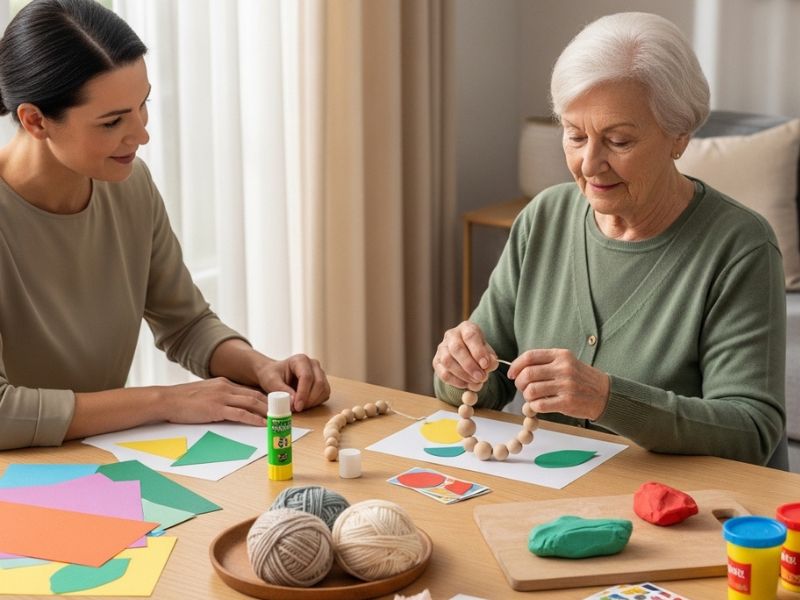
Many activities feel too complex or frustrating for seniors. These crafts for seniors with dementia offer simple, safe ways to spark focus and comfort.
Finding activities that keep someone you love calm, engaged, and still feeling like themselves can feel heavier than people expect.
Some days, you try something simple, paper, colors, maybe a few materials on the table, and it doesn’t land the way you hoped.
They lose interest quickly, or get frustrated, or just sit quietly without really connecting to it. And in that moment, it’s easy to feel like you’re running out of ideas.
Dementia changes how memory, focus, and coordination work. Things that used to feel easy can suddenly feel confusing or tiring.
That’s why not every craft or activity will fit, and that’s not a failure on your part, it’s just part of how the condition works.
But there is something important to hold onto here: the right activities don’t have to be complicated to be meaningful.
The goal isn’t perfection, or even completion. It’s comfort, familiarity, and giving the mind something gentle to hold onto without pressure.
What follows are simple, safe, and familiar crafts that are designed to support exactly that, quiet focus, small moments of joy, and gentle mental stimulation that feels natural, not forced.
In this guide, you’ll find easy craft ideas that don’t require special skills or complicated steps.
Just simple activities that meet the person where they are, whether you’re a caregiver, a family member, or someone looking for gentle ways to stay engaged.
The focus here isn’t on doing things perfectly. It’s on creating small, meaningful moments that feel calming, familiar, and a little more connected, one simple activity at a time.
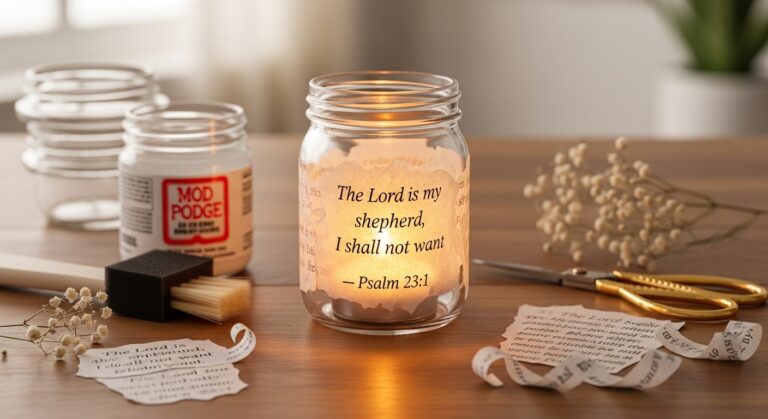
If you’re planning a faith-filled gathering, these 7 Bible Verse Craft Night Ideas for Seniors That Inspire Faith and Joy help create calm, meaningful moments through creativity and reflection.
Understanding Why Crafts Help Seniors With Dementia

When you’re trying to support someone you care about, it helps to understand why certain activities seem to work better than others.
Crafts can feel simple on the surface, but for someone living with dementia, they can gently support comfort, focus, and emotional balance in ways that are meaningful.
-
Stimulates Procedural Memory (Doing Familiar Actions)
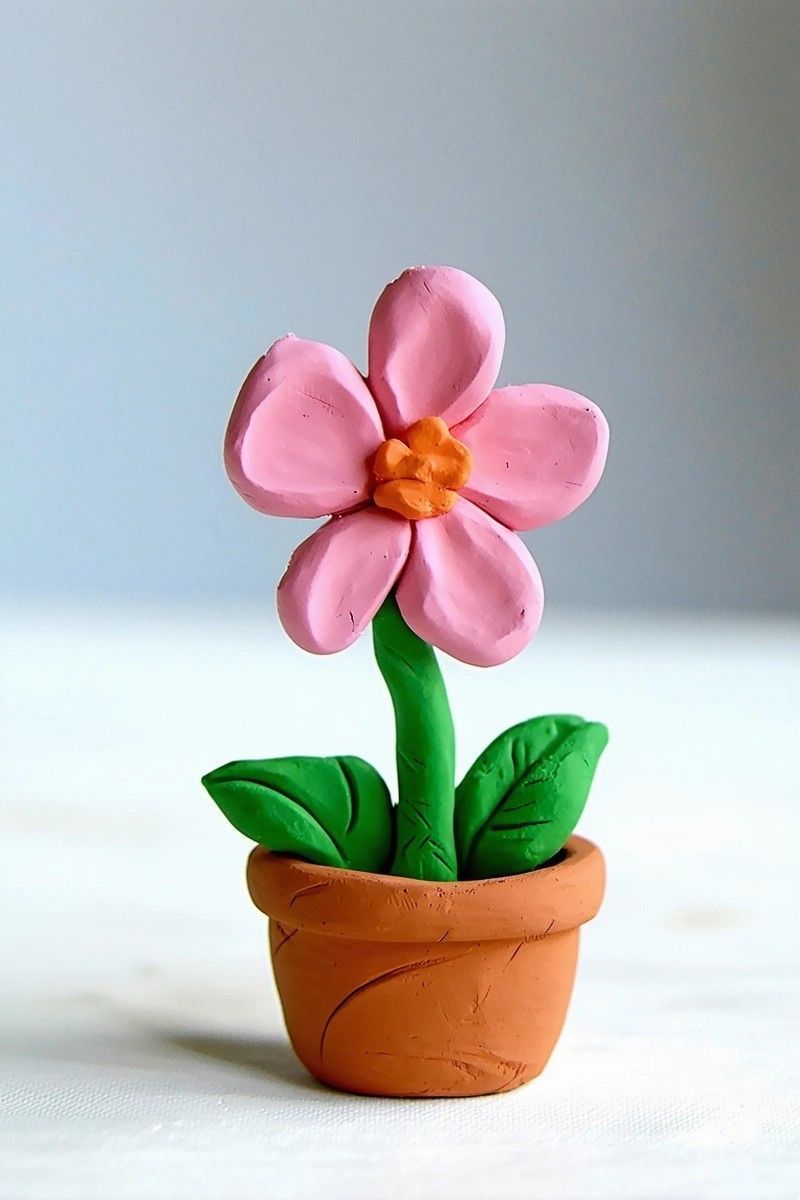
Even when short-term memory becomes difficult, the body can still remember familiar actions. Simple steps like folding, painting, or rolling clay can feel surprisingly natural because they tap into muscle memory, things the hands have done before without needing too much thinking.
-
Encourages Calm Focus And Reduces Agitation
Gentle, repetitive craft activities can help settle restlessness. When the hands are busy with something simple, the mind often becomes quieter too. This can create a calm, steady rhythm that feels comforting rather than overwhelming when using crafts for seniors with dementia.
-
Supports Hand Coordination And Sensory Engagement
Touch-based activities like squeezing, sticking, or arranging materials help keep the hands active. These small movements support coordination while also giving soft sensory feedback, which can feel grounding and reassuring.
-
Creates Emotional Connection And Routine
Doing the same familiar craft regularly can become something to look forward to. It creates a sense of routine, and sometimes even opens small moments of connection, through conversation, shared activity, or simply being present together.
Shared craft time becomes even more special with family, and Grandma and Grandkids Craft Night: 15 Simple Ideas That Create Real Memories focuses on bonding through easy activities.
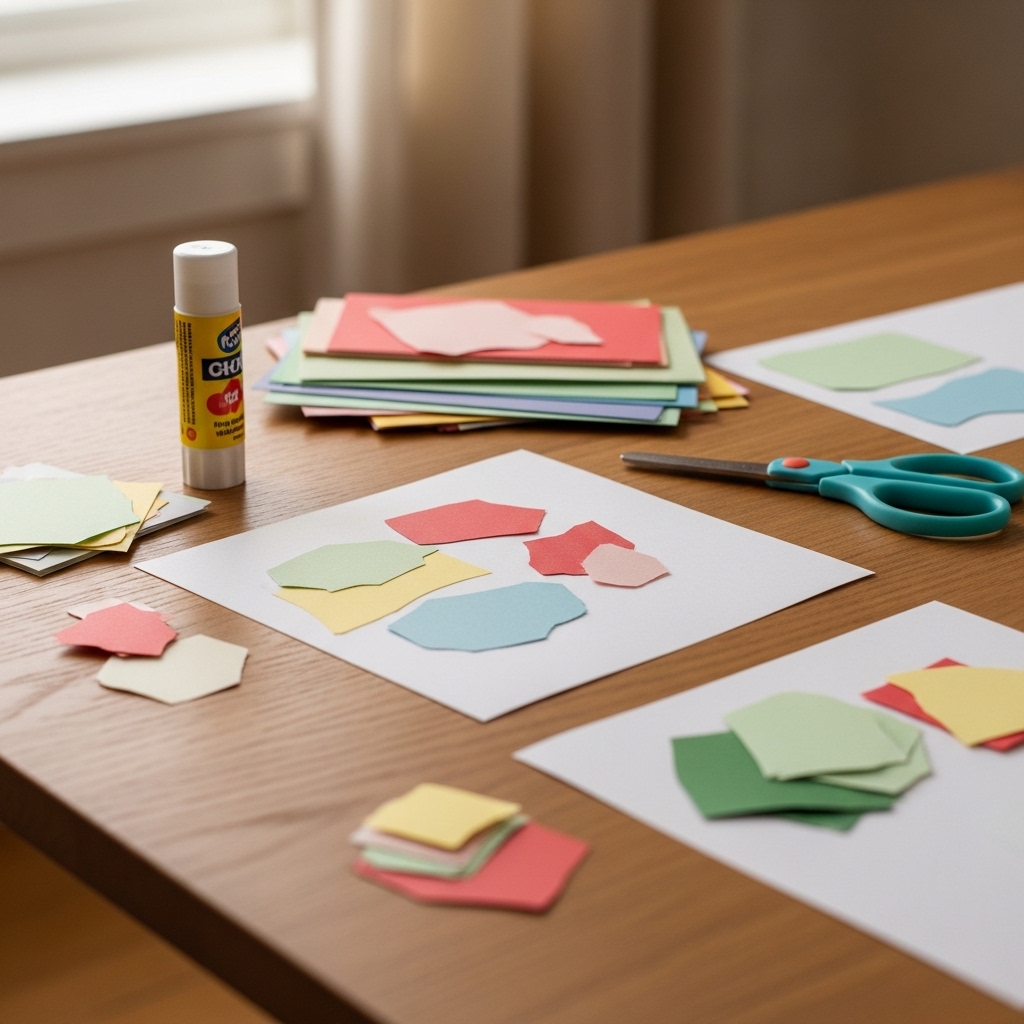
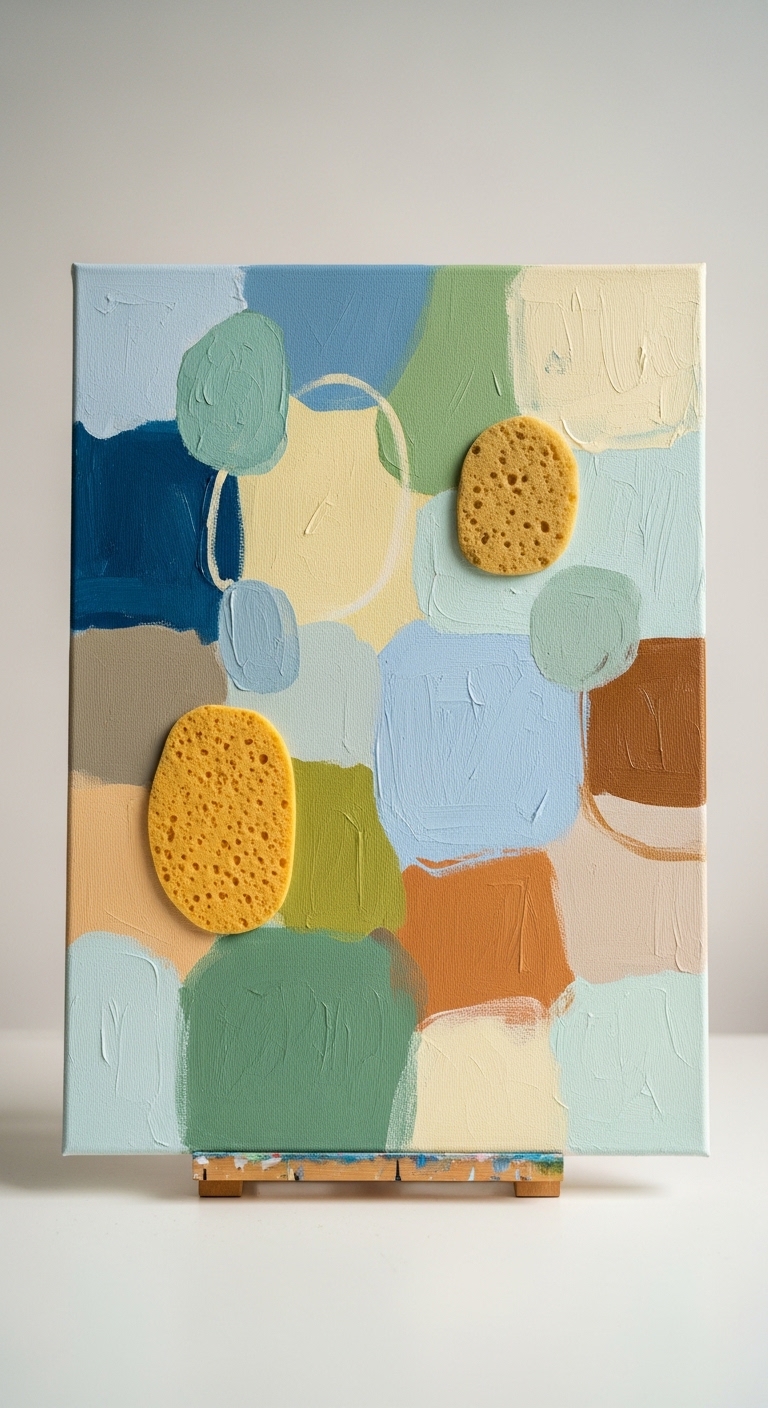
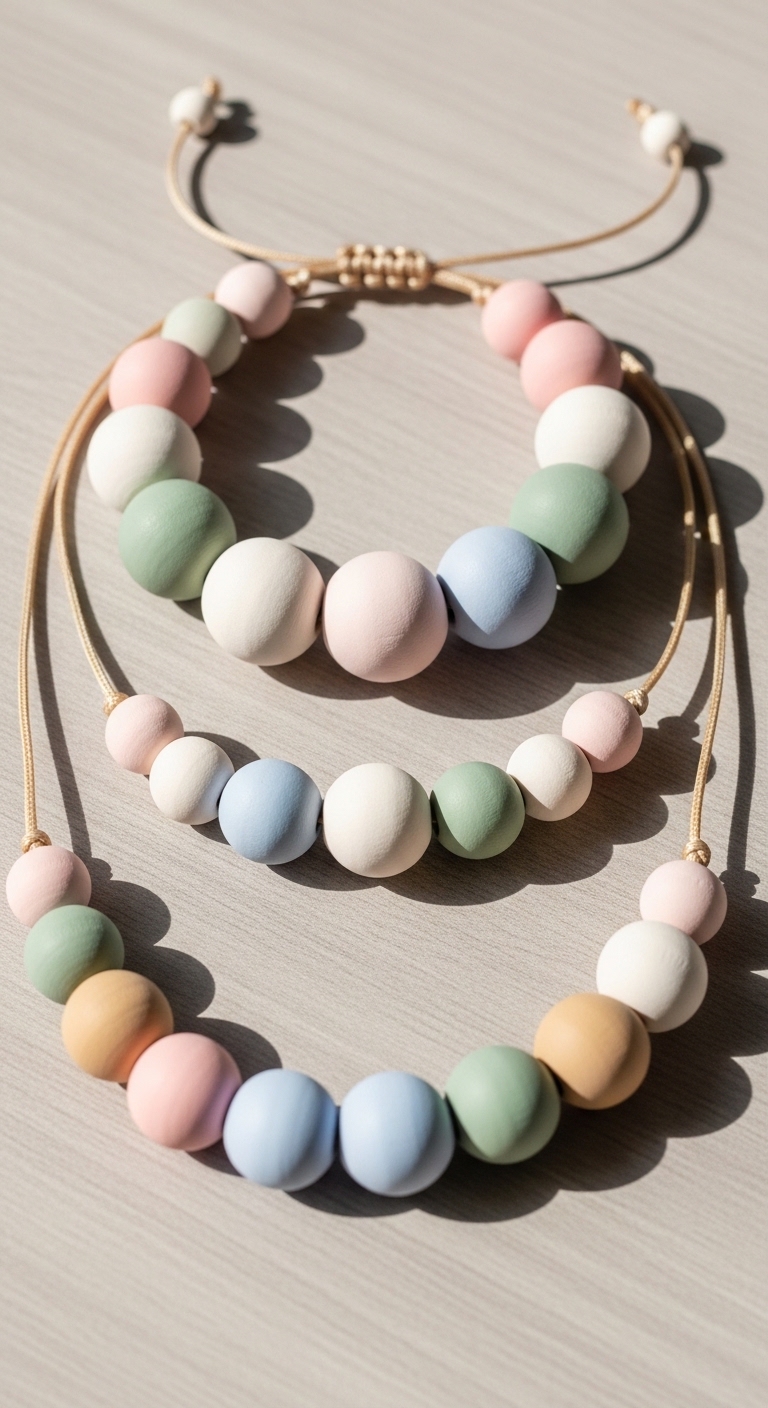
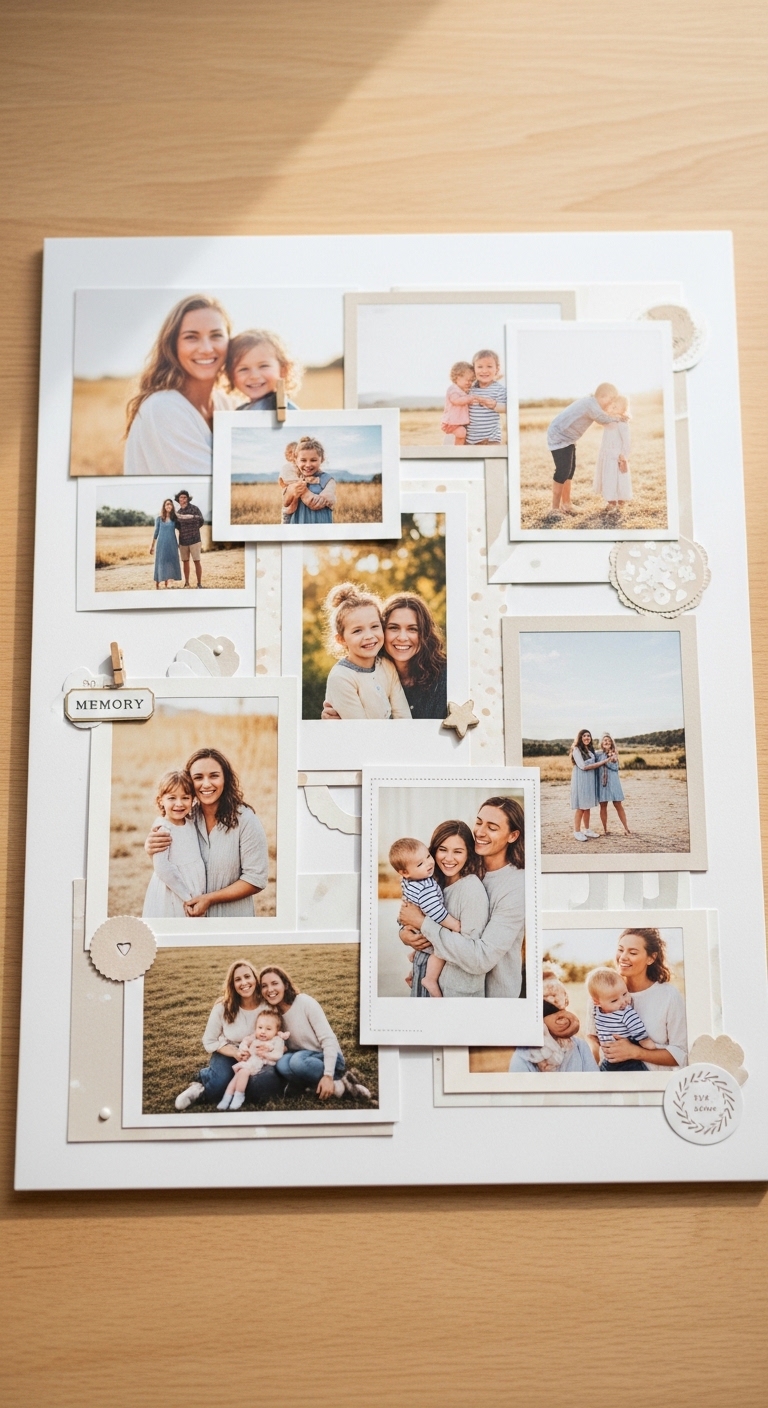
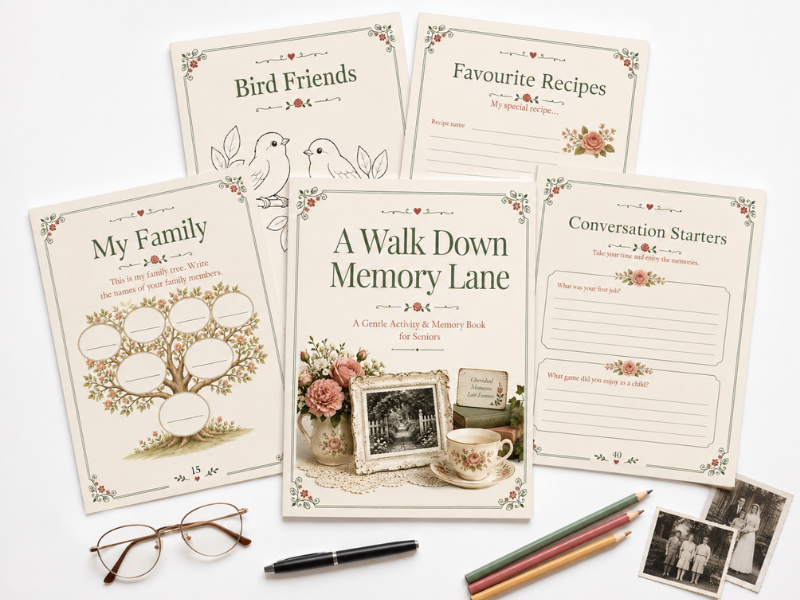
Crafts For Seniors With Dementia That Stimulate The Mind
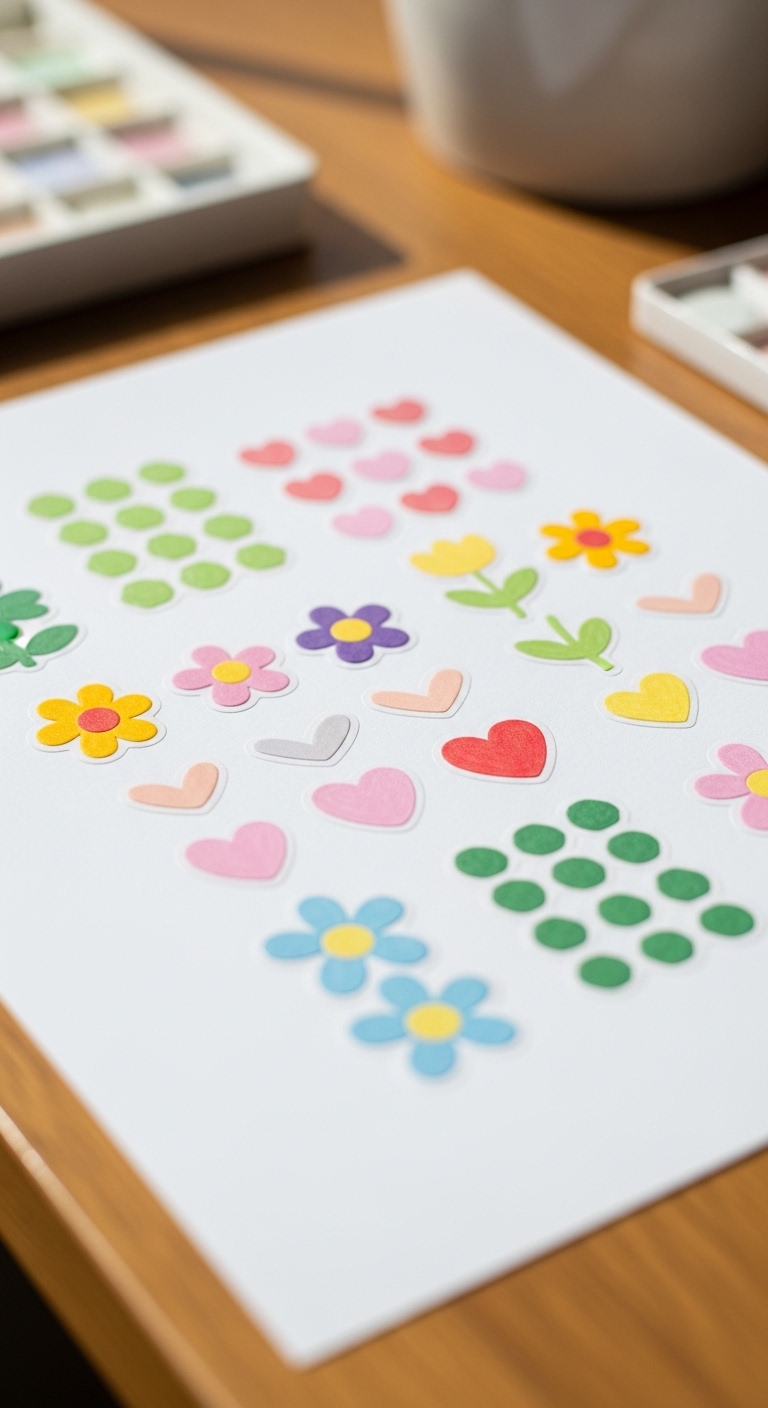
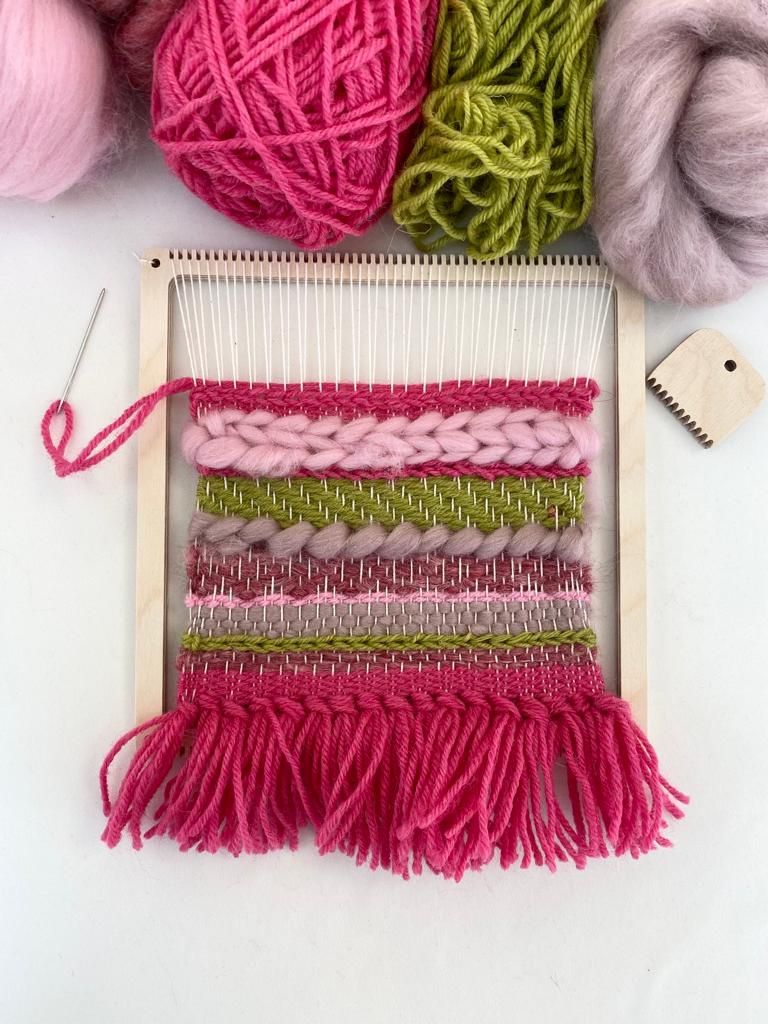
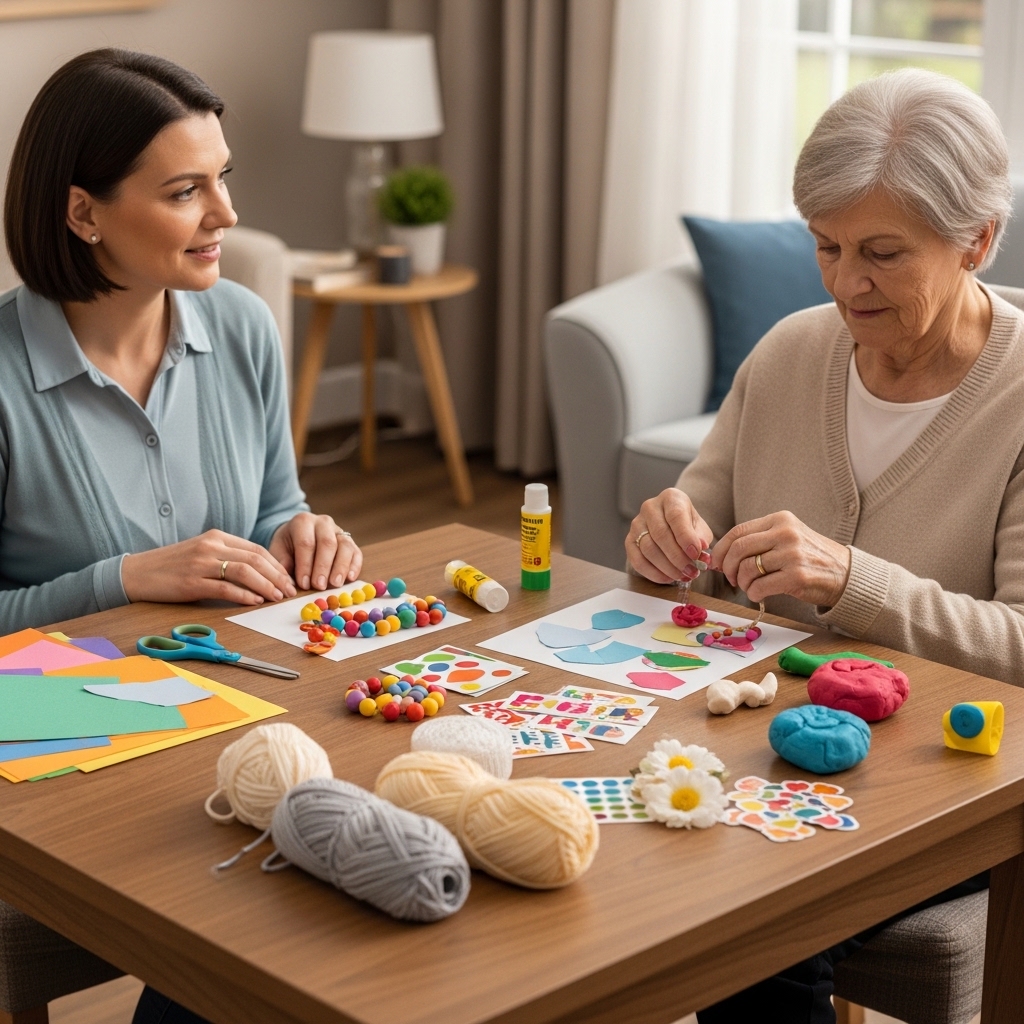
Bridal showers can feel more personal with creativity, and these The Most Creative Bridal Shower Craft Night Ideas for the Bride and Her Girls add a warm, memorable touch to the celebration.
Safety & Comfort Tips
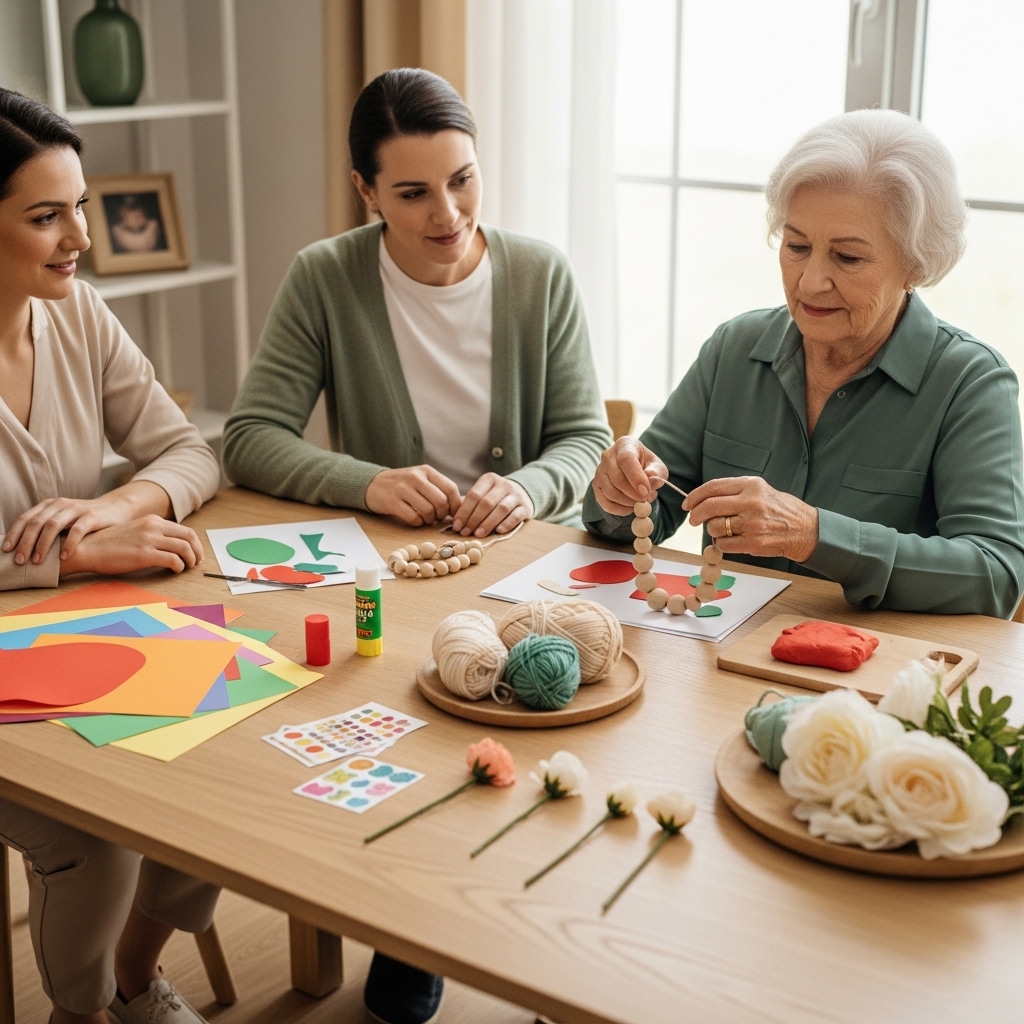
When you’re choosing crafts for seniors with dementia, safety and emotional comfort matter just as much as the activity itself.
The goal is to create a space where the person feels relaxed, supported, and free from pressure, not overwhelmed or at risk.
1. Avoid Small Choking Hazards (Tiny Beads, Pins)
Small items like tiny beads, pins, or sharp decorative pieces can pose a risk, especially if hand coordination or awareness is reduced. It’s safer to use larger, easy-to-handle materials that reduce any chance of accidental swallowing or injury.
2. Always Supervise Depending on Stage of Dementia
Levels of dementia vary from person to person. Some may need close supervision, while others only need gentle guidance. Being present ensures safety and also allows you to step in calmly if confusion or frustration appears.
3. Keep Sessions Short (10–30 Minutes)
Short sessions work best because attention spans can change quickly. A brief, positive experience is far more effective than a long activity that leads to fatigue or frustration. It’s better to end early on a good note than to push too far.
4. Focus on Enjoyment, Not Accuracy
The purpose of crafts for seniors with dementia is not to create a perfect result. It’s about the feeling of doing something meaningful and calming. Even simple participation, holding, placing, or choosing colors, is enough.
5. Use Familiar Colors and Objects
Familiarity creates comfort. Soft, recognizable colors and everyday objects help reduce confusion and make the activity feel more natural. This small detail can make the experience feel safer and more enjoyable.
Simple, calming projects are great for early learners, and 6 Simple Flower Crafts for Kids That Encourage Creativity Over Perfection supports gentle creativity without pressure.
How to Keep Engagement Consistent
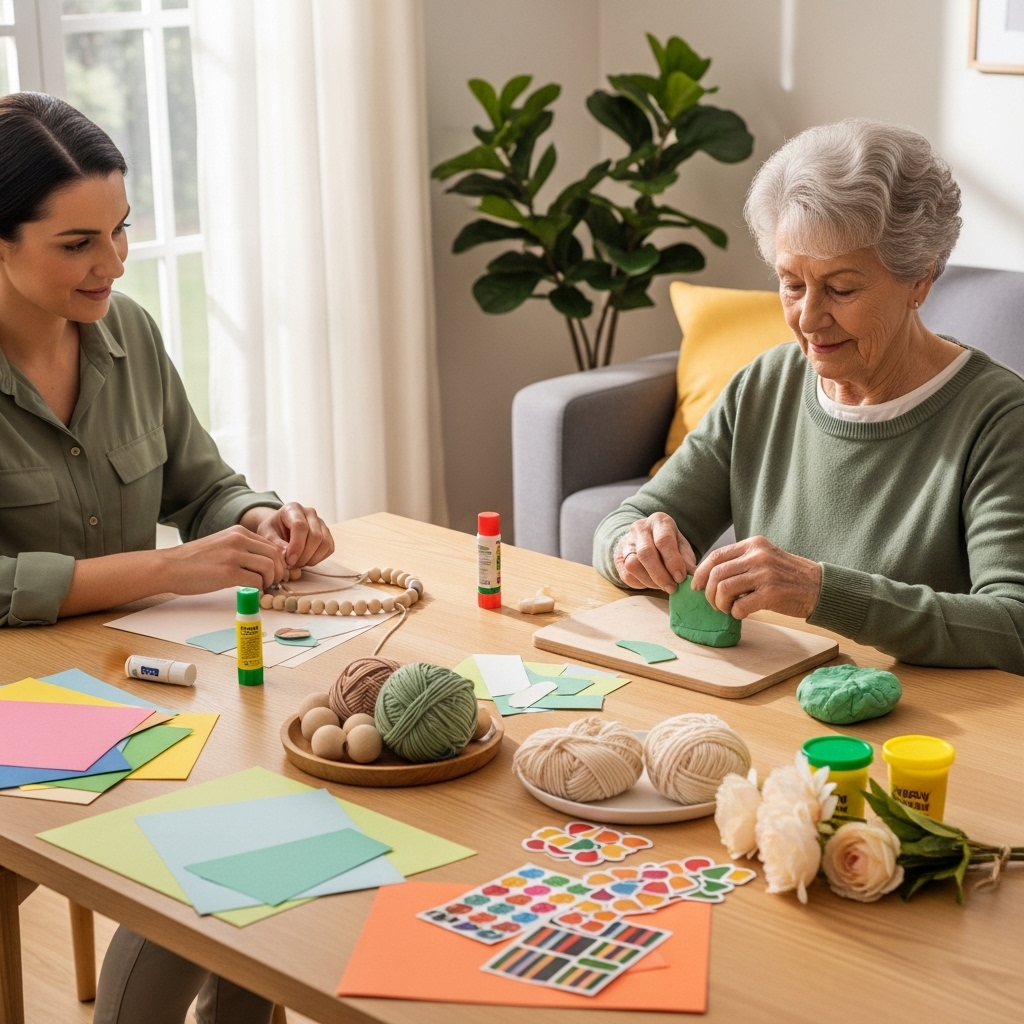
Consistency is often what makes the biggest difference when working with crafts for seniors with dementia.
It’s not about introducing new activities all the time, but about creating a calm rhythm that feels familiar, safe, and easy to return to.
-
Repeat Favorite Crafts (Familiarity Reduces Stress)
Repetition is not a limitation here, it’s a strength. When a person recognizes an activity, it reduces confusion and builds comfort. Returning to the same simple crafts helps them feel more confident and less anxious over time.
-
Use a Calm Environment (Low Noise, Soft Lighting)
The surrounding environment plays a big role in how well someone engages. A quiet space with soft lighting and minimal distractions helps the mind settle, making it easier to focus and enjoy the activity without feeling overstimulated.
-
Pair Crafts With Music Or Conversation
Gentle background music or light conversation can make the experience feel more natural and comforting. It creates a sense of connection and helps the activity feel less structured and more like a shared moment.
-
Avoid Multitasking Instructions
Too many steps at once can quickly become overwhelming. Keeping instructions simple and giving one step at a time helps reduce confusion and allows the person to move at their own comfortable pace.
When kids need something fun and engaging, these 10 Fun Butterfly Crafts for Kids That Will Keep Little Hands Busy All Afternoon make learning and creativity feel effortless.
Farm-themed creativity adds fun learning opportunities, and Farm Animal Crafts for Kids: Building Confidence and Creativity Beyond the Tutorial helps build skills through playful crafting.
Conclusion
At the end of the day, this isn’t about doing more or finding the perfect activity. It’s about noticing what brings a little calm, a little comfort, and a sense of ease in the moment.
With crafts for seniors with dementia, even the simplest actions, holding, placing, repeating, can carry real meaning. They don’t need to be complex to matter.
What truly makes the difference is showing up consistently, not constantly changing things. Familiar, steady activities often do more than new or complicated ones ever could.
If this helped you, save this guide so you can come back to it when you need ideas, and share it with someone who might need a little support too.
FAQs
1. What crafts are safe for dementia patients?
Safe crafts are simple, low-risk activities that use large, easy-to-handle materials like paper, fabric strips, stickers, or soft clay. The focus is on avoiding sharp tools, tiny objects, and anything that could cause frustration or safety concerns.
2. What activities reduce anxiety in dementia?
Calm, repetitive activities such as folding paper, simple painting, sorting objects, or gentle crafting can help reduce anxiety. These activities give the hands something steady to do, which often helps ease restlessness.
3. How long should craft sessions last?
Most sessions work best within 10 to 30 minutes. Short activities help maintain comfort and attention without causing fatigue or confusion. It’s better to stop while the experience is still positive.
4. What materials should be avoided?
Avoid small items like tiny beads, pins, glitter that can scatter easily, and any sharp or complex tools. These can increase safety risks and also make the activity more stressful or difficult to follow.
5. Why do seniors with dementia lose interest quickly in activities?
This is common because attention span and cognitive processing can change over time. Activities that are too complex or unfamiliar may feel overwhelming, so simple, repetitive crafts usually hold attention better.
6. How do I know if an activity is too difficult?
If the person shows signs of frustration, confusion, or stops engaging early, the activity may be too complex. In that case, switching to something simpler with fewer steps is often more effective.