This post contains affiliate links. This means I may earn a small commission if you purchase through my links at no extra cost to you.
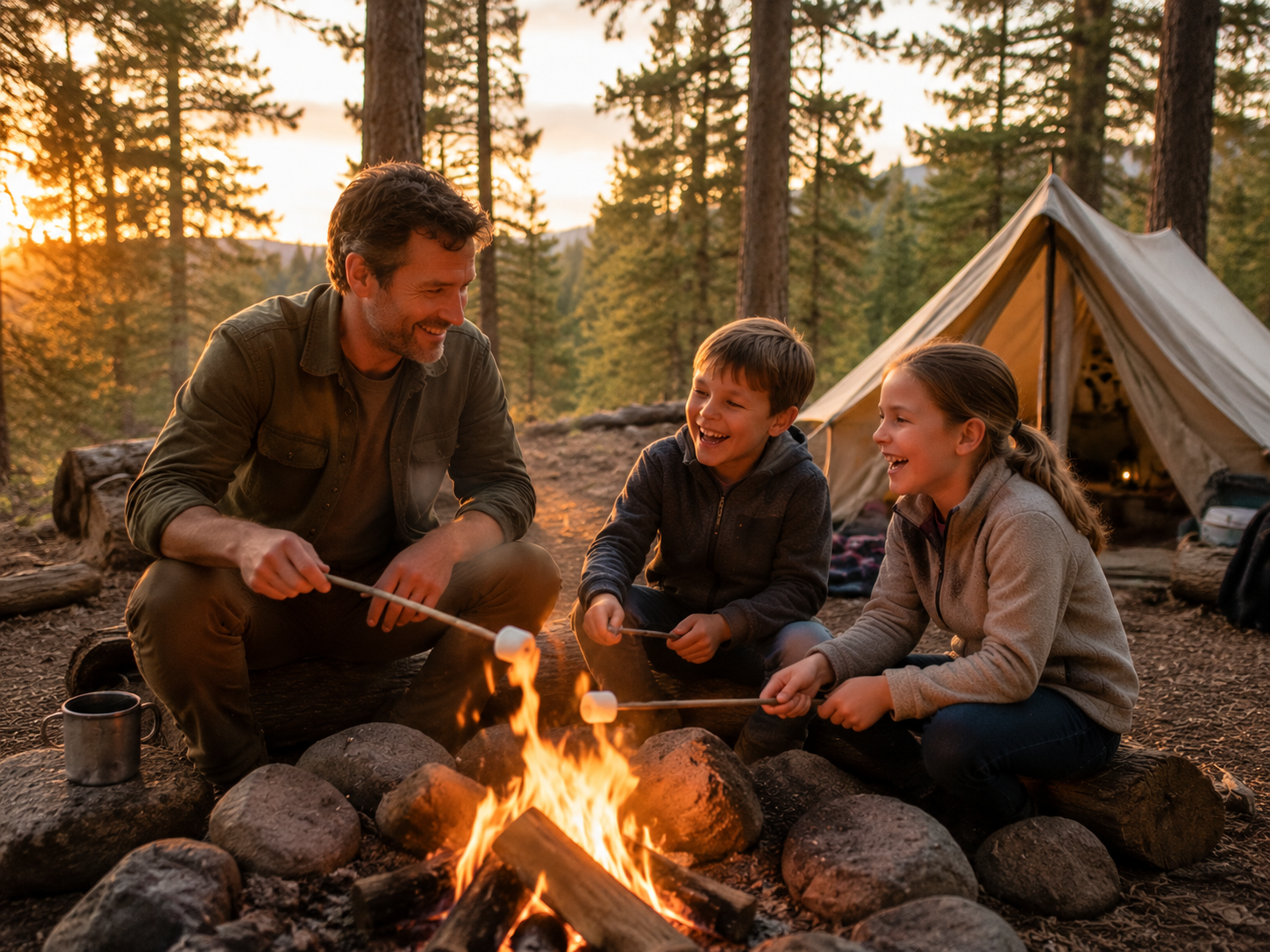
We had packed the usual things. Snacks, flashlights, extra clothes we already knew would get dirty within the first hour.
But nothing prepares you for that moment when the excitement fades and the “what do I do now?” starts creeping in.
That night taught me something simple: kids don’t need more entertainment outdoors they need the right kind of engagement.
The kind that turns confusion into curiosity and boredom into discovery. And once I started looking at camping through their eyes, everything changed.
In this post, I’m sharing camping activities for kids that don’t feel recycled or predictable the kind that actually hold their attention, spark imagination, and make the outdoors feel like a story they’re living inside.
If you’re planning more hands-on outdoor fun for kids, these 10 easy spring crafts for kids are perfect for keeping little hands busy with simple, creative activities that also build focus.
Why Camping With Kids Feels Harder Than It Looks
Camping looks peaceful from the outside. Soft firelight, quiet trees, everyone smiling in matching cozy outfits that somehow survive the first hour.
But anyone who has actually been camping with kids knows the truth: it can swing from magical to chaotic in seconds.
The real challenge isn’t the location it’s the transition. Kids move from structured environments into a space that has no rules, no familiar distractions, and no built-in rhythm.
That’s where boredom sneaks in fast, followed closely by restlessness.
What most people miss is that children don’t experience camping as “relaxing.” They experience it as unfamiliar. Every sound is louder. Each space feels bigger. Every minute stretches differently.
That’s why simple instructions like “go play outside” rarely work. Kids need direction, but not rigid structure. They need invitations into experiences that feel like discovery rather than tasks.
Once I understood that, I stopped thinking about camping as a break from routine and started treating it like a world that needed gentle storytelling. That shift changed everything about how our trips felt.
Experts in child development highlight that outdoor play supports emotional regulation, creativity, and problem-solving, especially when children are given unstructured time in nature.
CAMPING ACTIVITIES FOR KIDS
1. Night One Memory Map Challenge
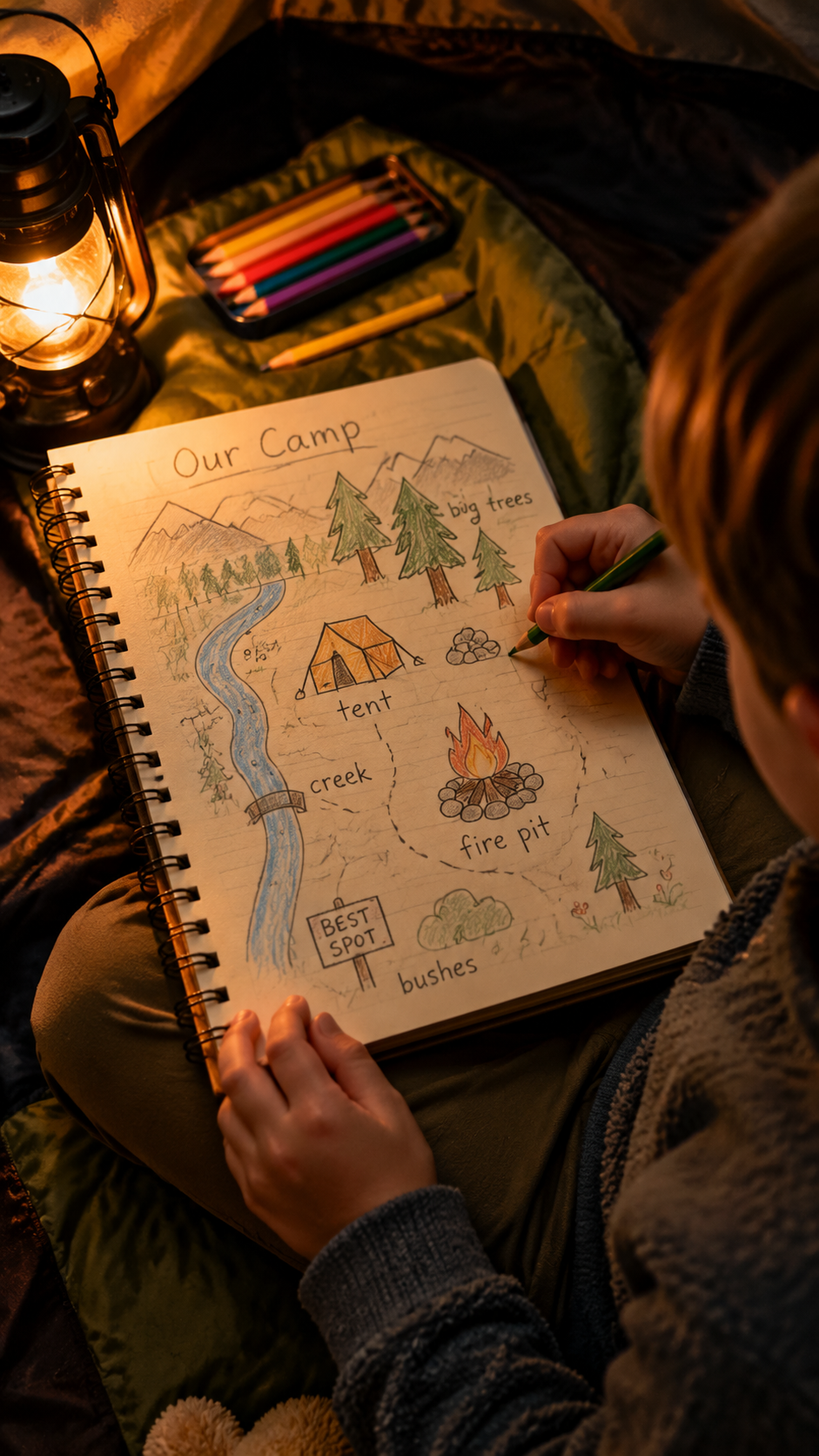
This activity turns the very first hour at camp into something kids can actually process and own.
Instead of just “arriving and unpacking,” they draw a simple map of where everything happened where the tent went, where they first sat, what caught their attention immediately, and what felt unfamiliar or exciting.
What makes this powerful is that it helps kids mentally settle into a new environment. Camping can feel overwhelming at first because everything is unfamiliar, but turning it into a visual story gives them control.
It becomes less about “where am I?” and more about “this is what I discovered.”
The moment kids start labeling their first fears and first curiosities on paper, you realize they weren’t just observing the space they were emotionally mapping it.
For children who enjoy nature-based creativity, these 6 simple flower crafts for kids can easily be adapted into campsite-inspired crafting moments using natural materials.
2. Silent Explorer Minute
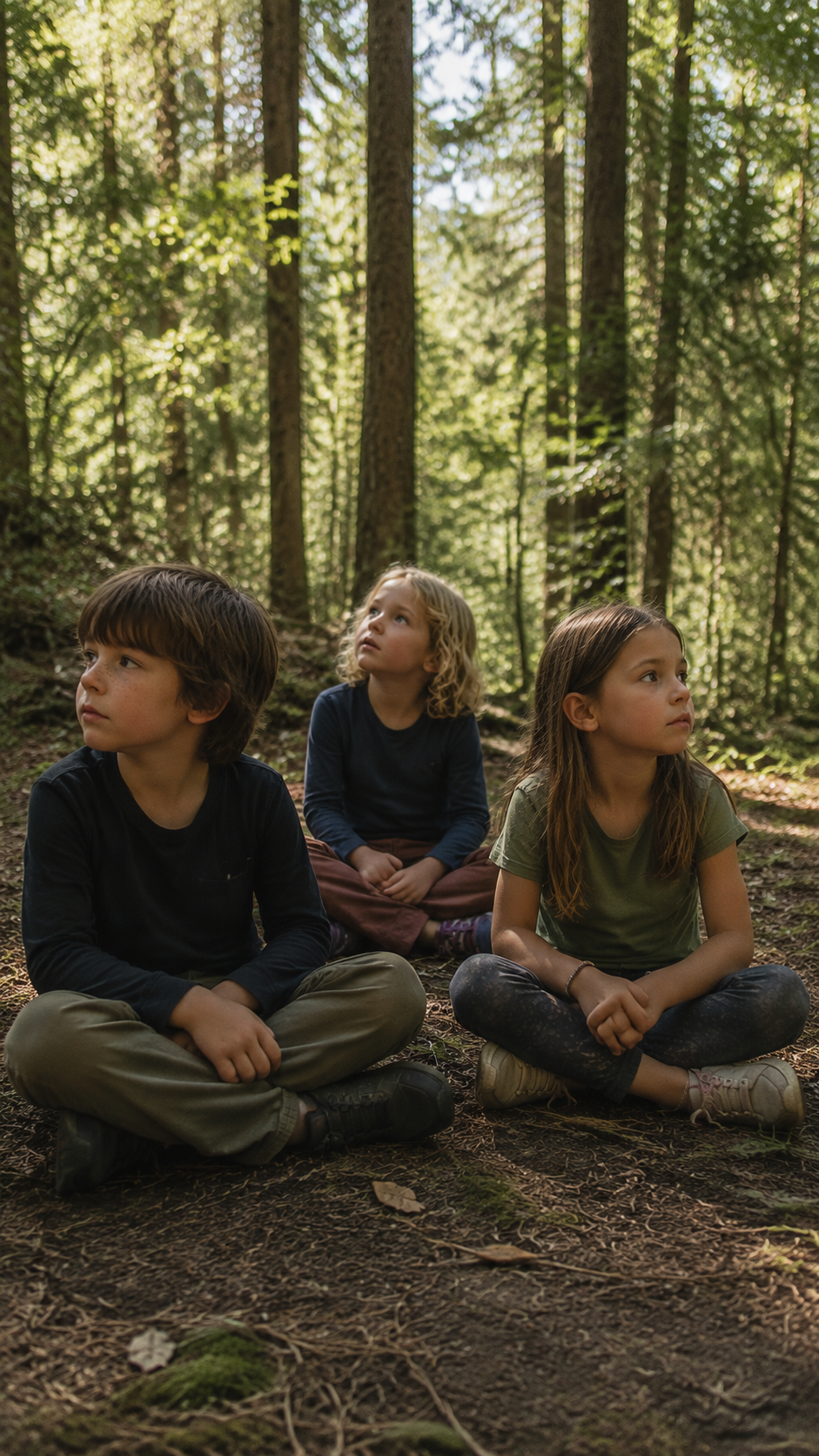
This is a short, almost uncomfortable moment of stillness that works surprisingly well. Everyone goes silent for sixty seconds and simply notices everything around them without reacting or talking.
Afterward, each child shares one detail nobody else mentioned. It could be something tiny like a bug moving across a log or a sound that faded in and out without explanation.
What it does is slow the “excited chaos” of camping without telling kids to calm down. Instead, it turns observation into a game, and suddenly even the quietest details feel important.
Kids always come out of this one slightly surprised, like they just realized the world doesn’t stop being interesting when they stop talking.
For storytelling-style play like the ones in camping activities, these 10 creative rock painting ideas for kids work well as both campsite crafts and memory keepsakes.
3. Campfire “What If It Was Magic?” Story Circle
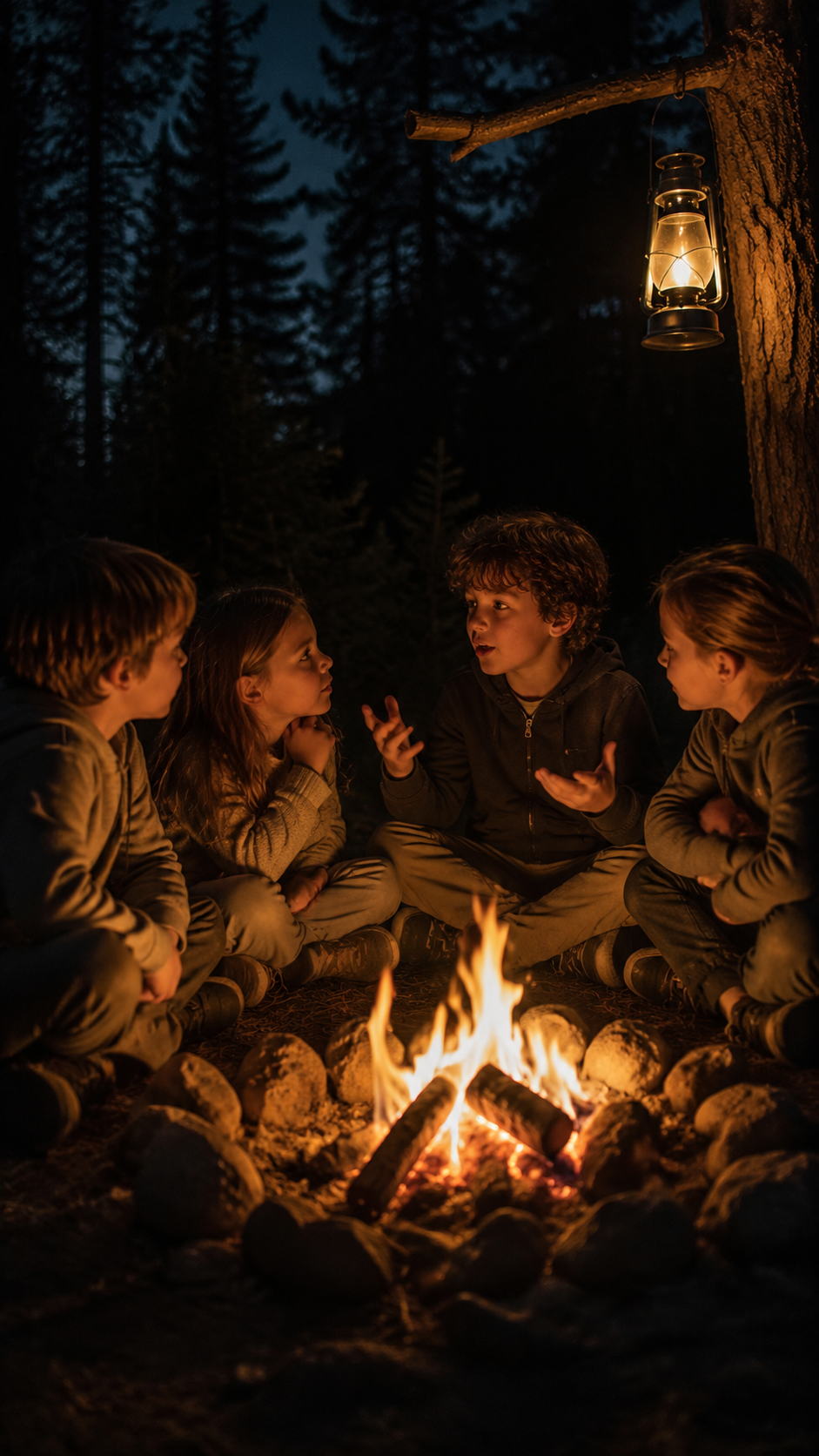
Instead of traditional storytelling, this version flips everything into imagination mode. Kids take real objects around the campsite and reimagine them as magical versions of themselves.
A log becomes a sleeping forest giant. A lantern becomes a trapped floating star. A tent zipper becomes a secret portal switch.
What makes this different is that it connects imagination directly to their physical surroundings, so the campsite itself becomes part of the story.
The best part is watching kids start treating ordinary objects with a kind of quiet respect, like they’re no longer sure what might be alive.
If your camping trip includes younger children, these friendship-themed preschool crafts for kids can help create calm, guided creative time during quieter moments outdoors.
4. Trail Message Stones Game
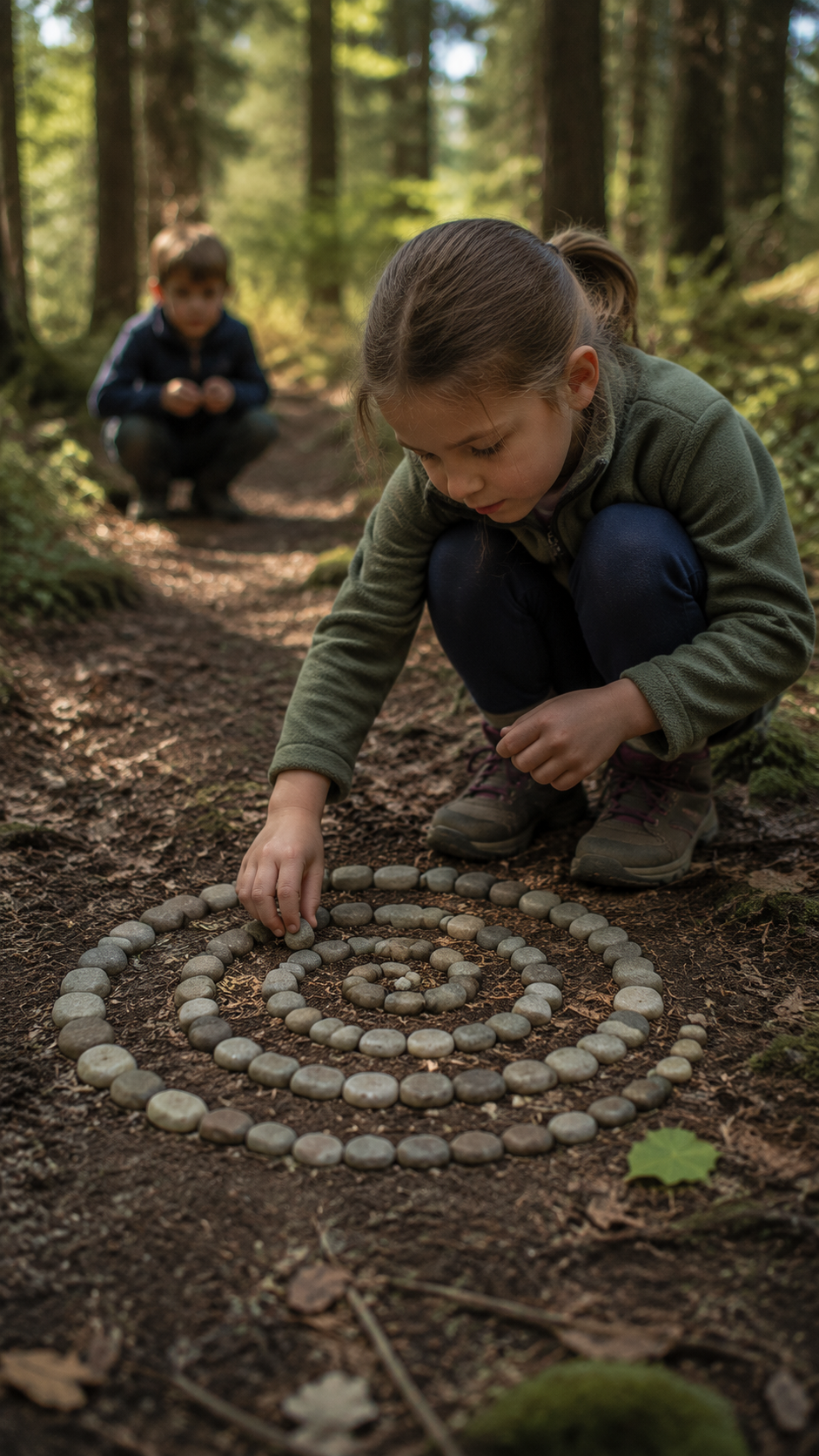
Kids use small stones to create simple “messages” along a short and safe walking path. These aren’t words in the traditional sense they’re patterns, shapes, and coded arrangements that someone else has to interpret later.
One child might create a “warning” made of scattered stones, while another creates a “welcome path” using lines or spirals.
What makes this engaging is that it turns walking into communication. It also gives kids the feeling that they’re interacting with the environment, not just passing through it.
There’s something oddly serious about how carefully kids arrange these stones, like they genuinely believe someone important will decode them later.
If your kids enjoy imaginative games, these 10 fun butterfly crafts for kids offer similar creativity-based engagement that can be simplified for outdoor settings.
Shadow Creature Personality Game
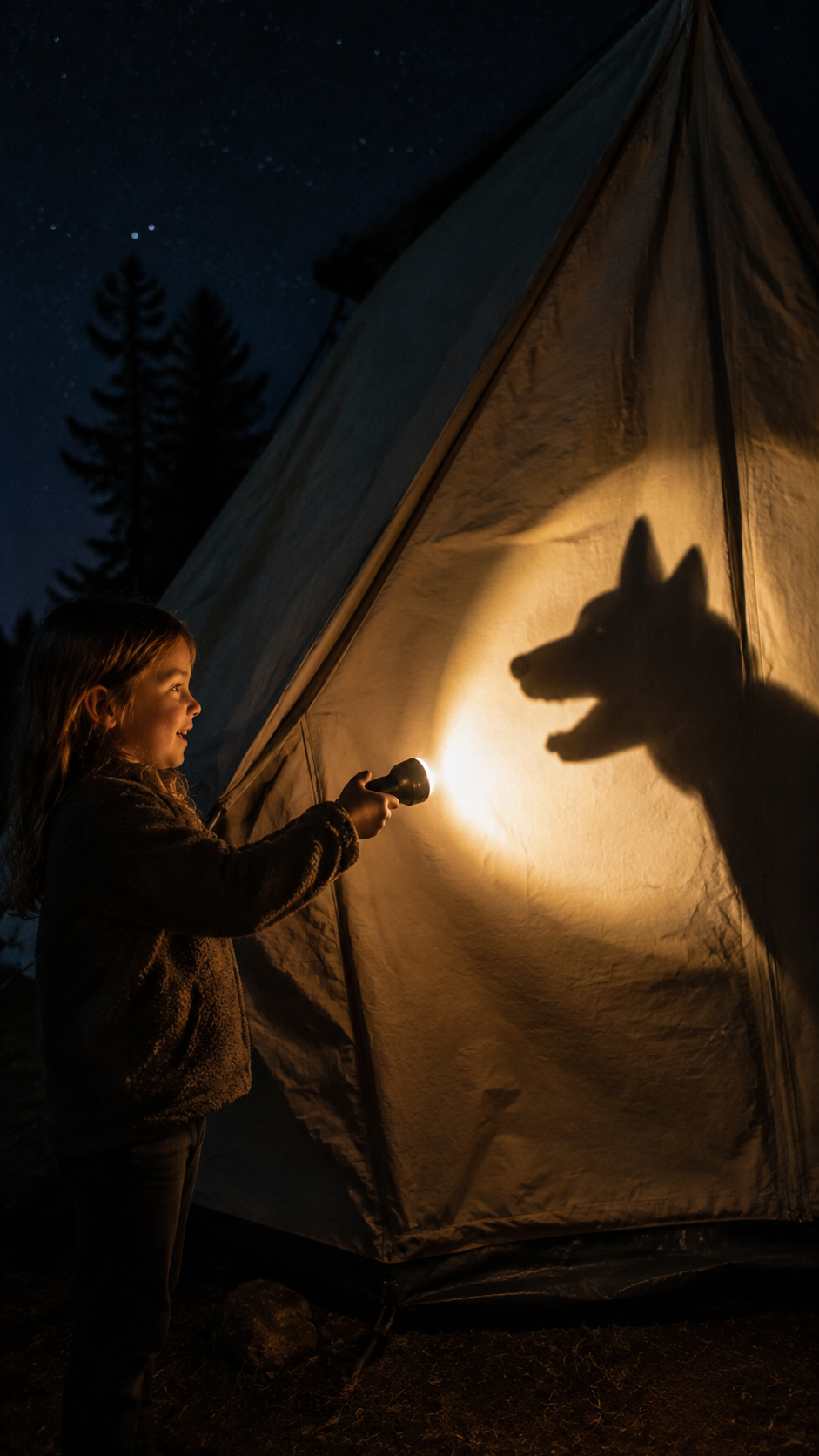
Once the sun goes down, flashlights become tools for imagination. Kids create shadow shapes on tents or trees, but instead of just making animals, they give each shape a personality and a story.
A crooked shadow might become a shy creature that only comes out at night. A tall shadow might become a strict “forest guardian” who checks if everyone is behaving.
What makes this special is that it blends storytelling, movement, and nighttime curiosity into one shared experience.
The quieter the night gets, the more elaborate their shadow worlds become like silence gives imagination more room to breathe.
For older kids who enjoy deeper creative expression, these popsicle stick crafts for kids can easily be packed as lightweight camping craft kits.
6. Camp Sound Detective Journal
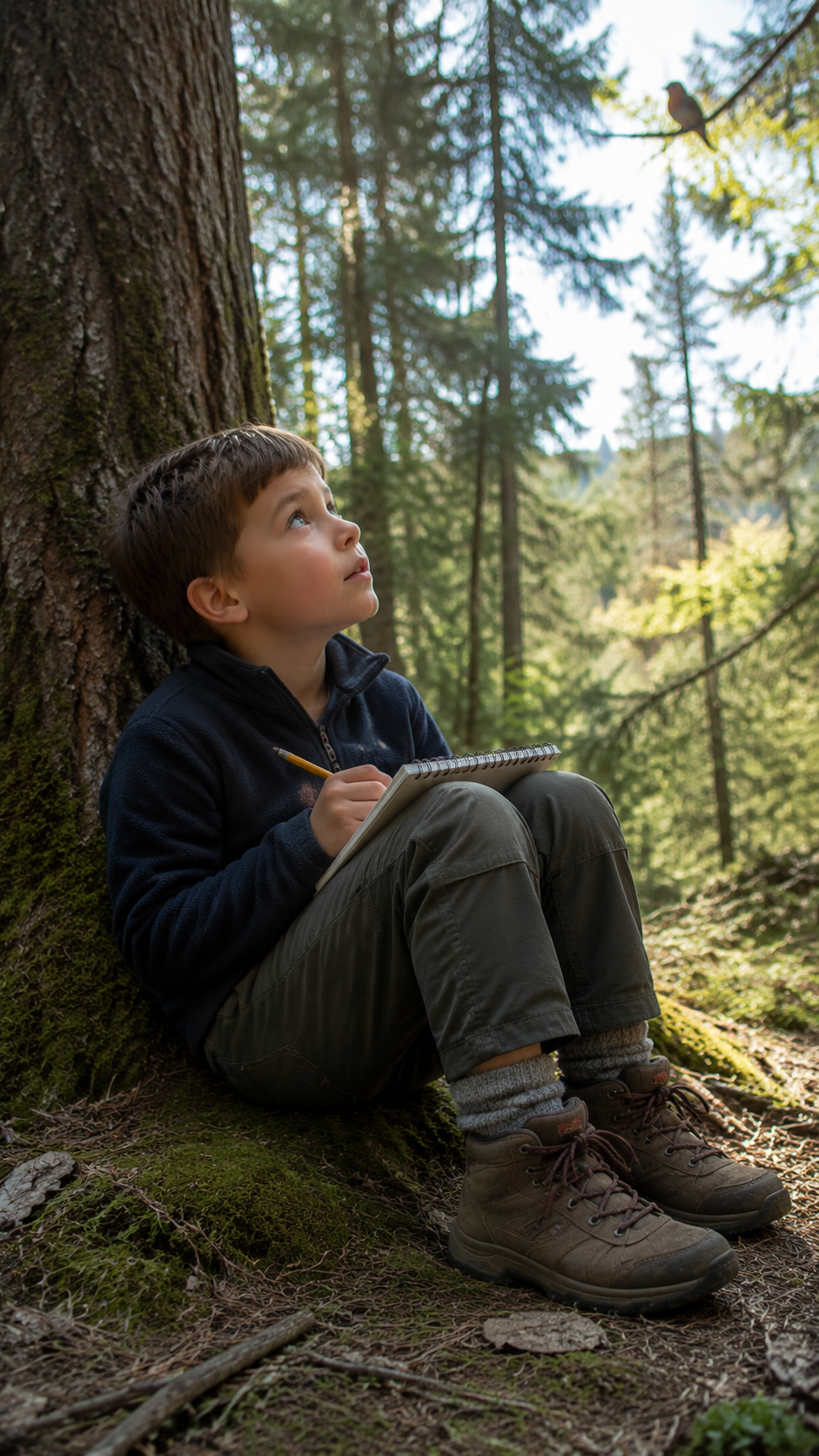
Instead of simply listing sounds, kids turn listening into investigation. They identify a sound, then build a small story around it who made it, why it happened, and what might happen next.
A snapping branch becomes “a secret meeting in the forest.” A rustling bush becomes “a small animal delivering messages.”
This shifts attention from passive hearing to active interpretation, which keeps kids engaged much longer than expected.
Narrator Tip: Kids stop asking “what was that?” and start asking “what was that trying to do?” and that shift changes everything.
7. Reverse Scavenger Hunt (Nature Placement Game)
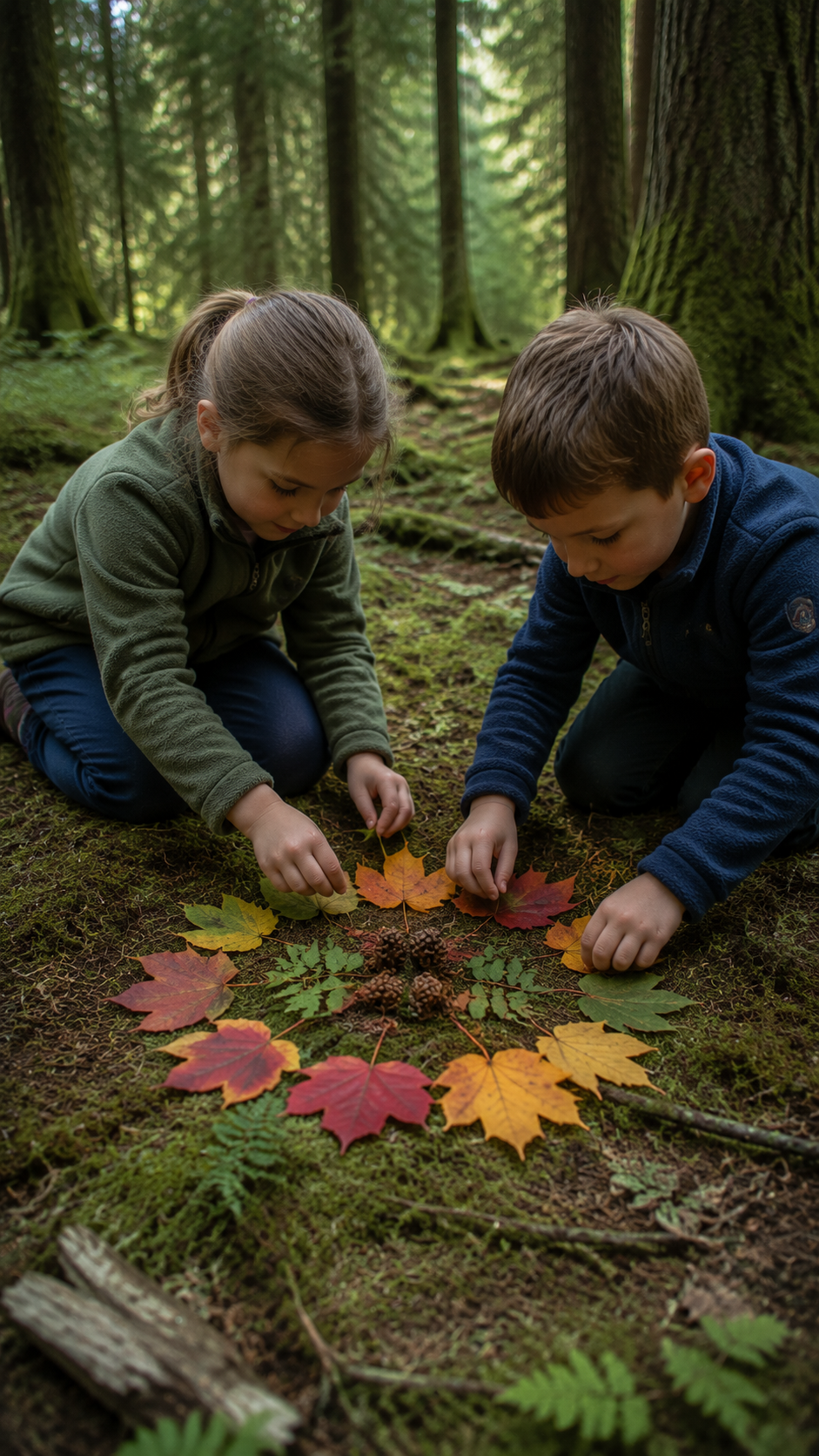
Instead of finding objects, kids place natural items into imagined “missing spaces.” For example, they might place leaves into a “wind collection zone” or stones into a “sleeping circle for forest creatures.”
It sounds simple, but it flips the entire idea of scavenging. They’re not collecting they’re contributing.
What makes it powerful is that it encourages responsibility and imagination at the same time.
The moment kids start arranging nature instead of just collecting it, you can see how seriously they begin to treat the environment.
8. Emotion Firelight Circle
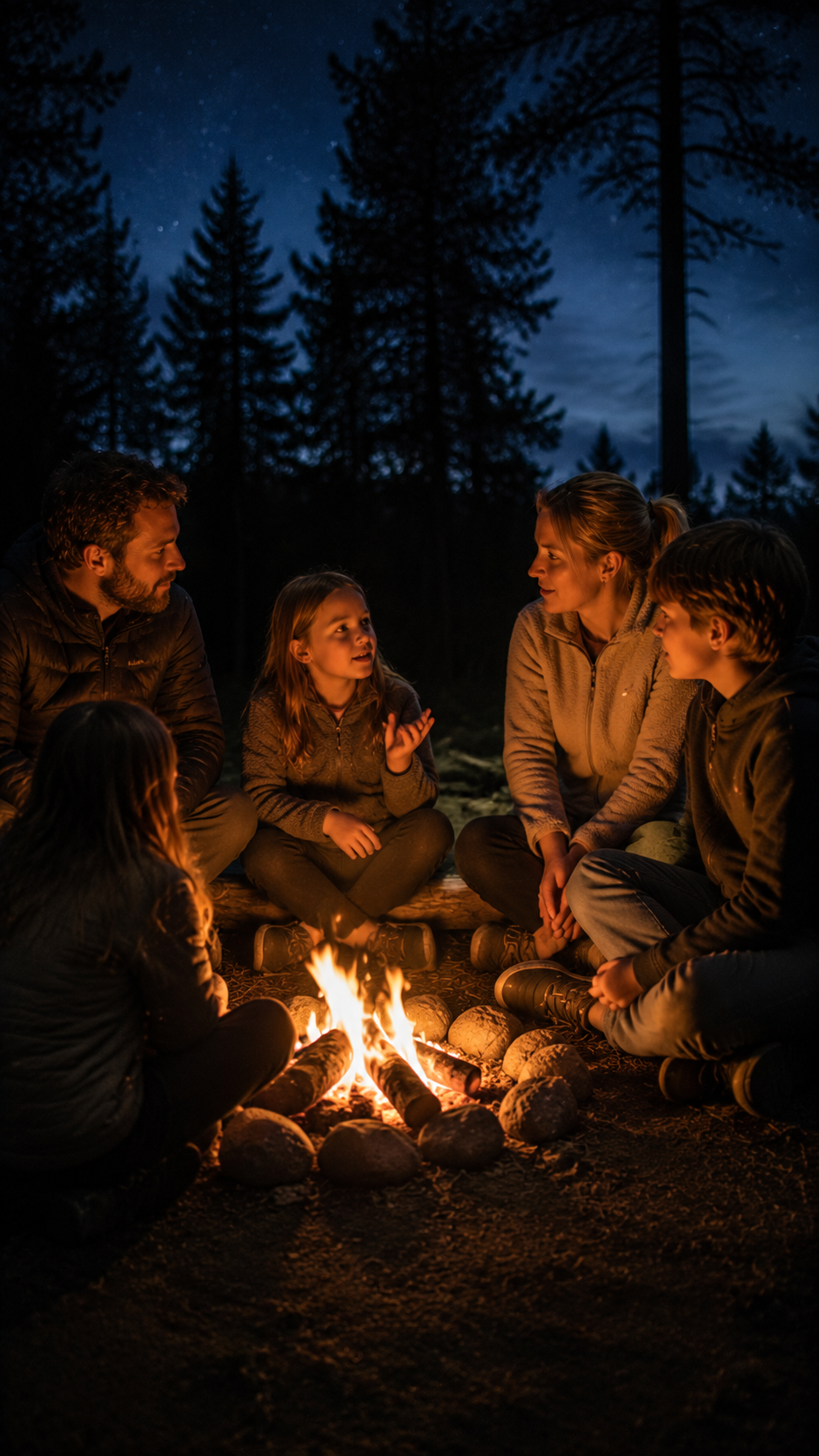
Each child chooses an emotion card or simply names a feeling from the day, then connects it to a small campsite moment that matches it.
Instead of saying “I had fun,” they might say, “I felt curious when I saw the fire change color,” or “I felt nervous when the wind got loud.”
This builds emotional awareness without making it feel like a lesson.
Camping becomes less about what they did and more about how it felt and that’s where real memories stick.
9. Mystery Ingredient Camp Kitchen Challenge
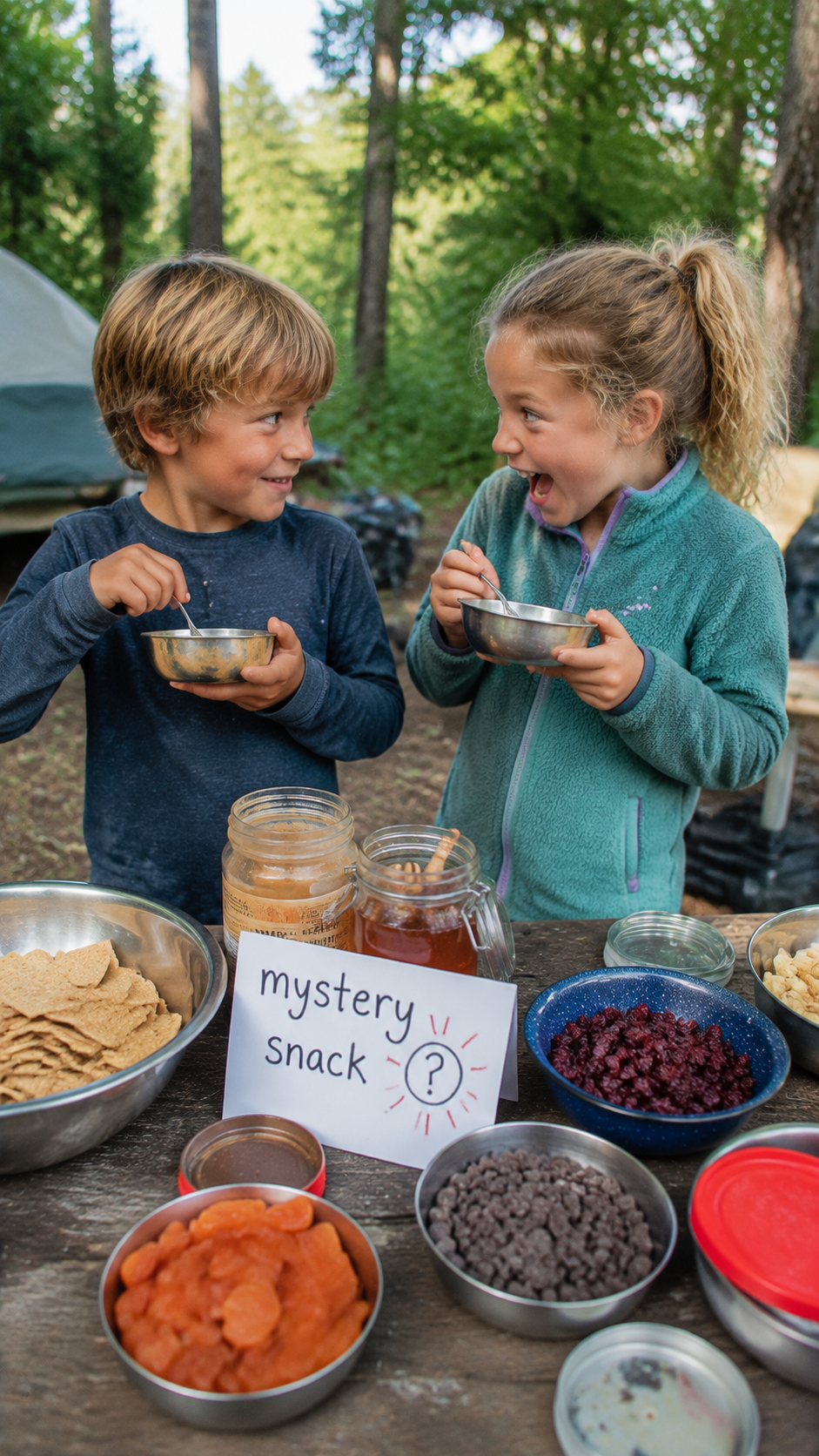
Kids are given a few safe, simple ingredients and asked to create a “survival snack” with a name and story behind it.
There are no right answers only combinations and creativity.
What makes it fun is the unpredictability. It’s not about cooking skills, it’s about decision-making under playful pressure.
The names they give their snacks are usually more creative than the food itself and somehow, that’s the whole point.
If you want to connect camping with family bonding moments, these grandma and grandkids craft night ideas show how shared creative activities build emotional connection across generations.
10. One-Path Micro Adventure Rule
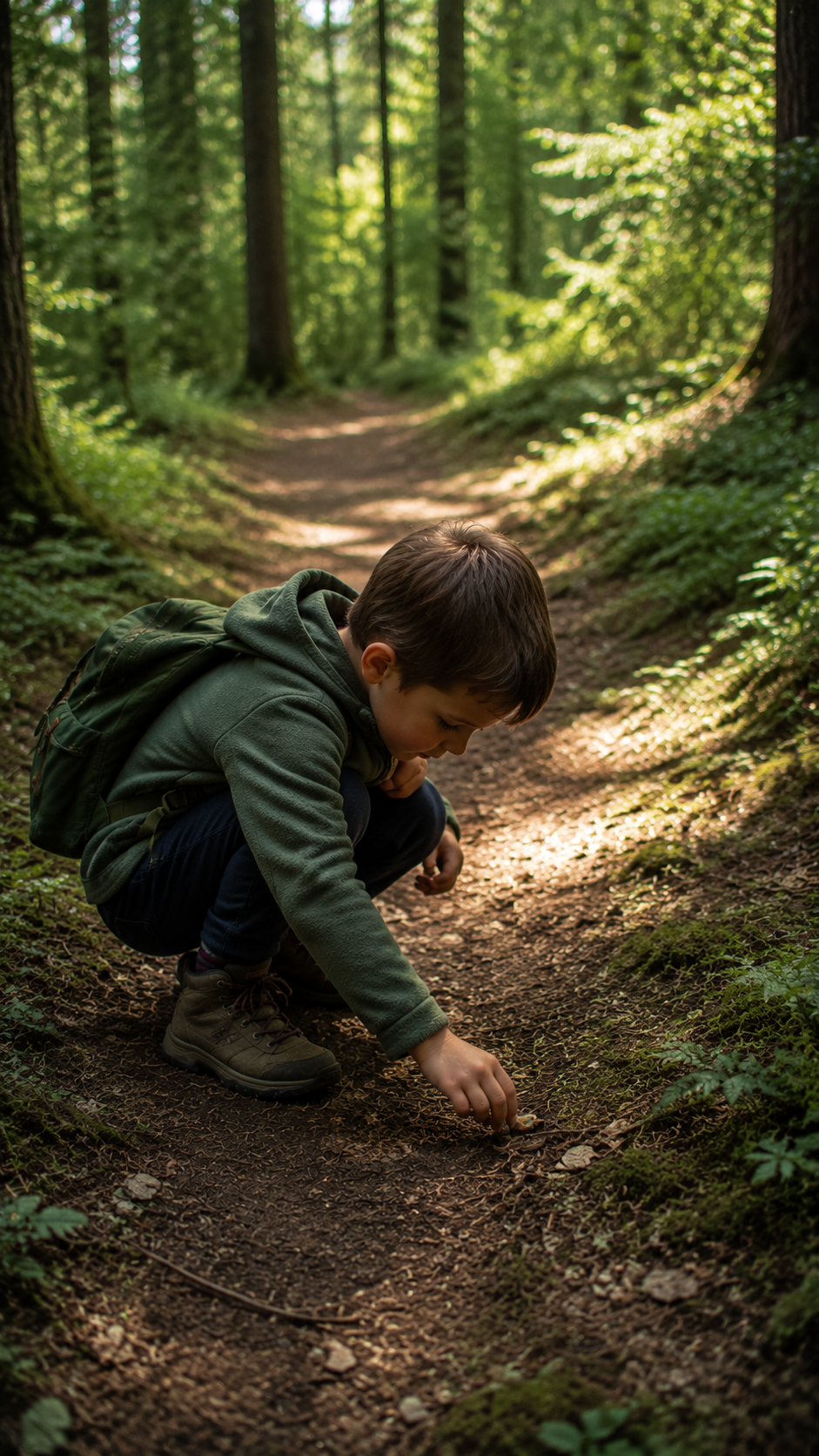
Kids are allowed to walk only one designated path, but their mission is to discover five tiny things they’ve never noticed before.
It could be textures, insects, sounds, or even light changes.
This removes overwhelm and replaces it with focus, turning a simple walk into a slow discovery game.
Limitation doesn’t reduce curiosity it sharpens it.
11. Weather Reporter Roleplay Game
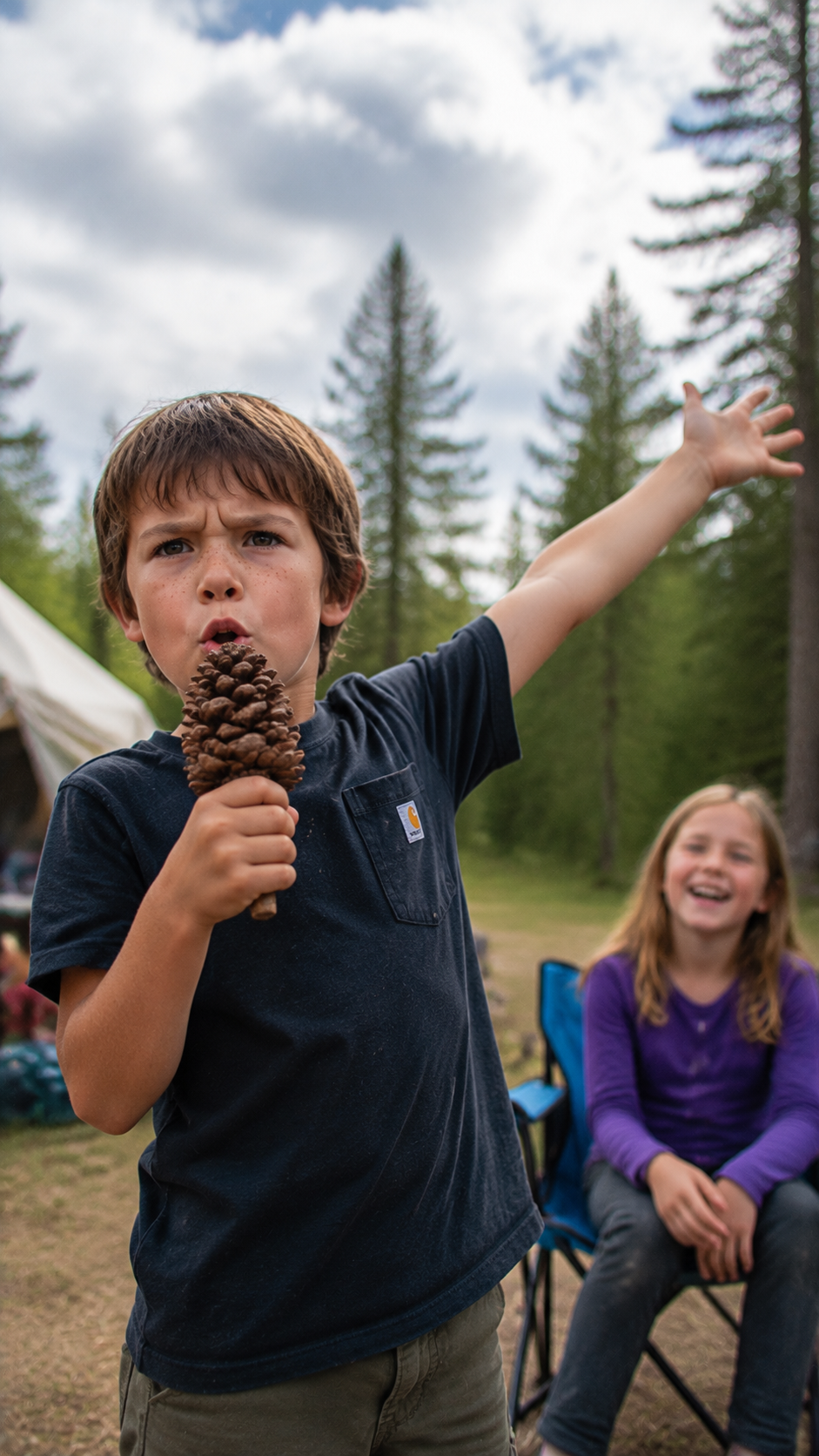
Each child becomes a campsite “weather reporter,” describing conditions dramatically as if broadcasting live news.
Suddenly, a breeze becomes “incoming wind activity” and clouds become “slow-moving sky changes.”
It adds humor and performance to observation.
Kids take this role way too seriously and honestly, that’s what makes it so good.
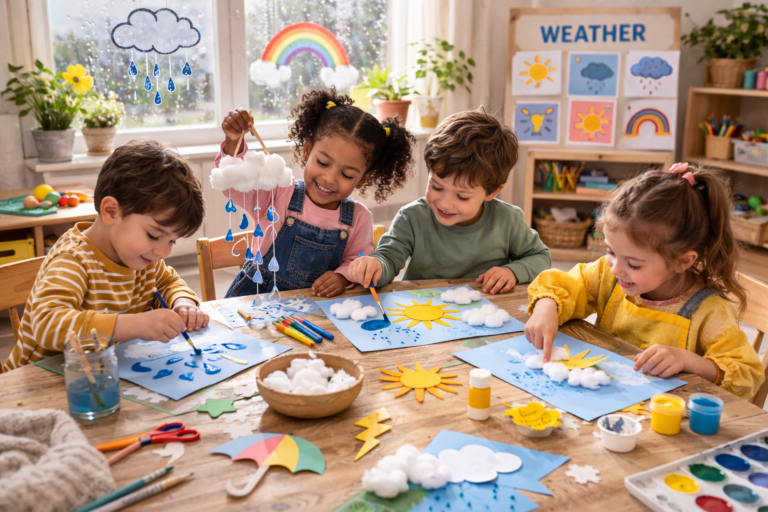
For even more outdoor inspiration, these weather crafts for kids pair beautifully with camping trips where kids are already observing clouds, wind, and changing conditions.
12. Personal Flag Meaning System
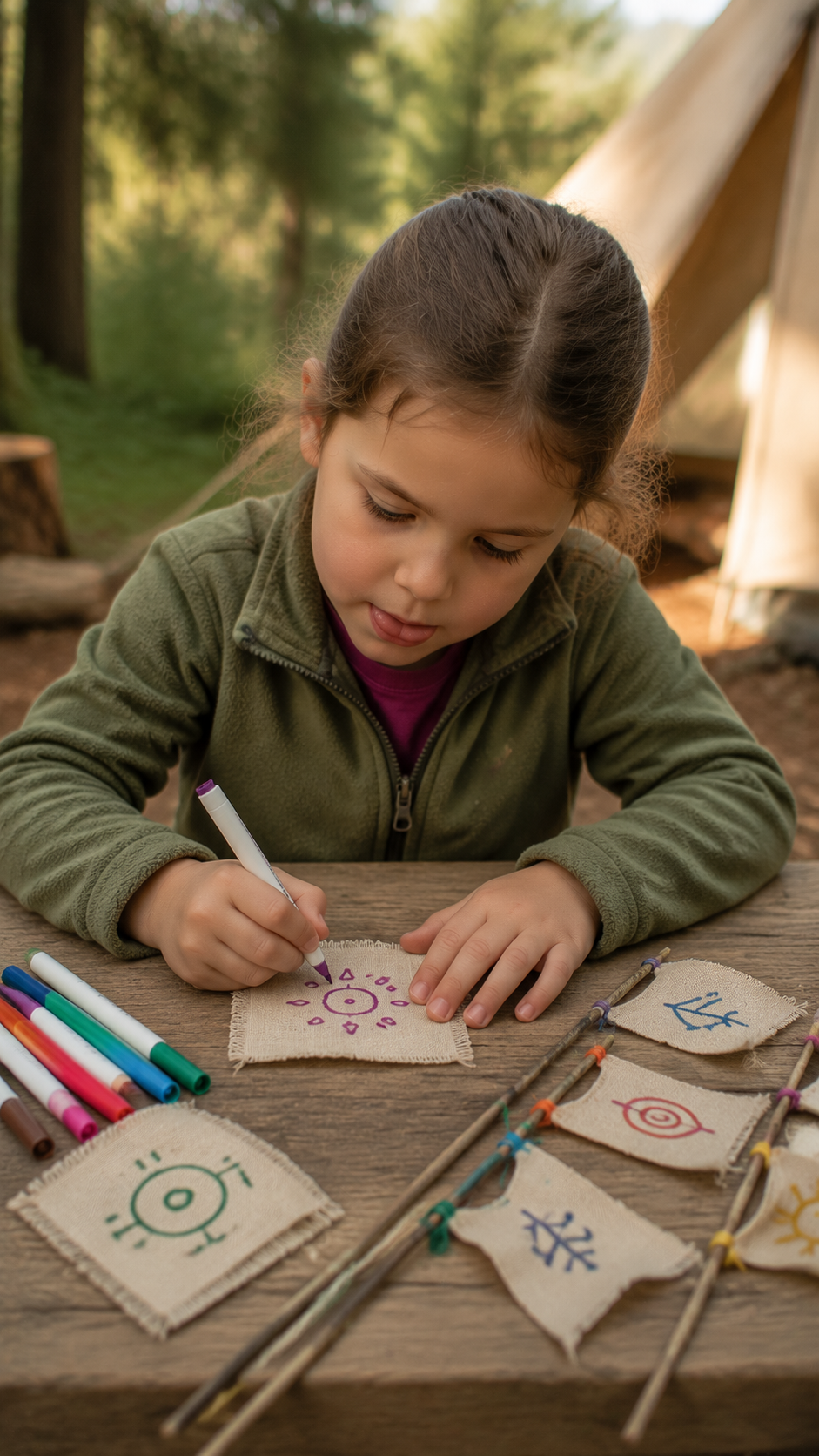
Kids design small flags or symbols, but each color or shape has a private meaning known only to their family or group.
It creates a hidden language within the campsite experience.
There’s something powerful about kids having symbols that belong only to them.
13. What Changed Overnight Investigation
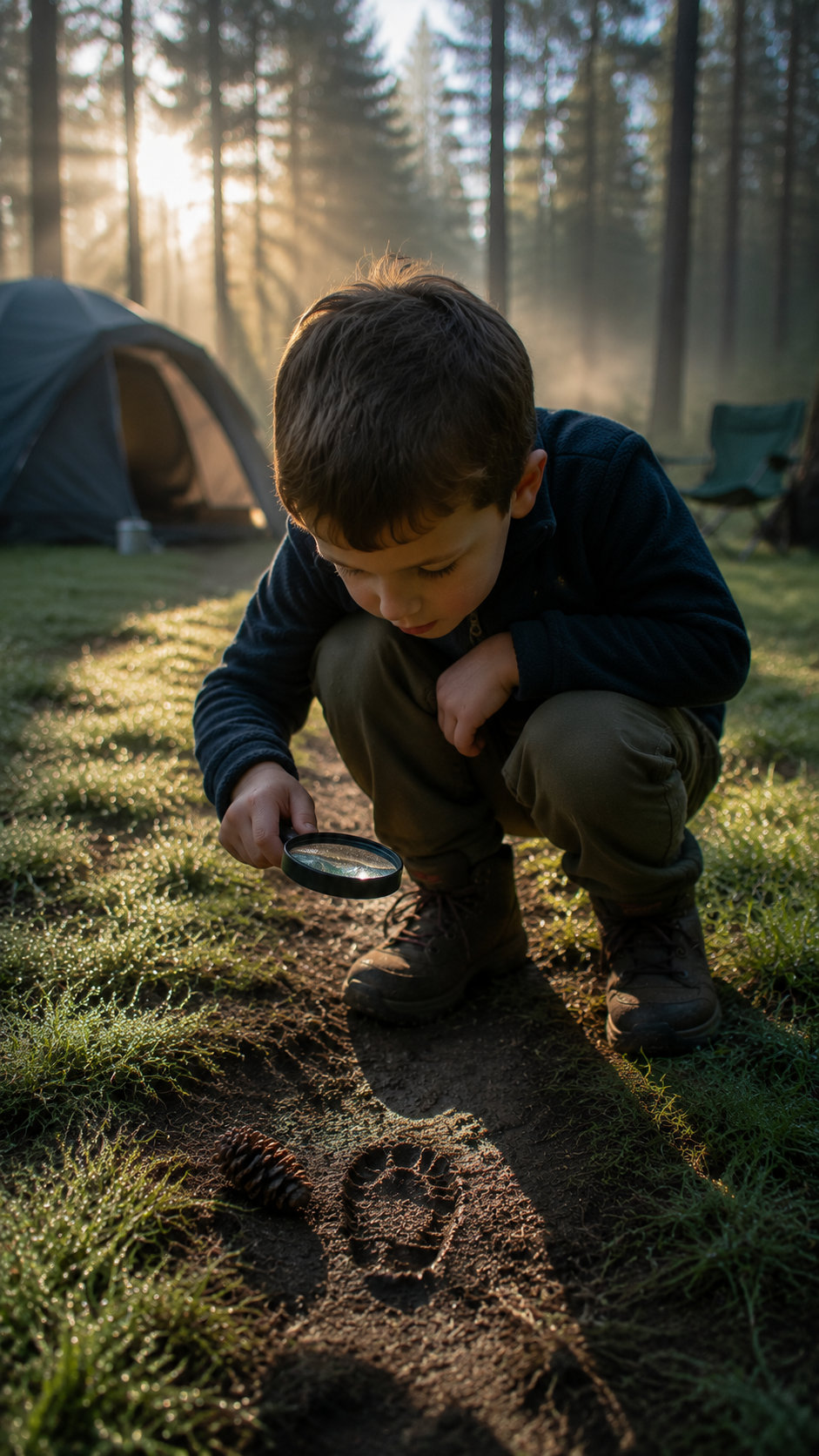
In the morning, kids revisit the exact same spot they saw the night before and look for differences.
Even tiny changes dew, footprints, shifted objects become part of the investigation.
They start realizing that nothing outdoors is actually “still.”
If you want to turn camping into a more structured creative experience, this guide on how to host a craft night party for any age can inspire simple group activities you can easily adapt outdoors.
14. Campfire Object Interview Game
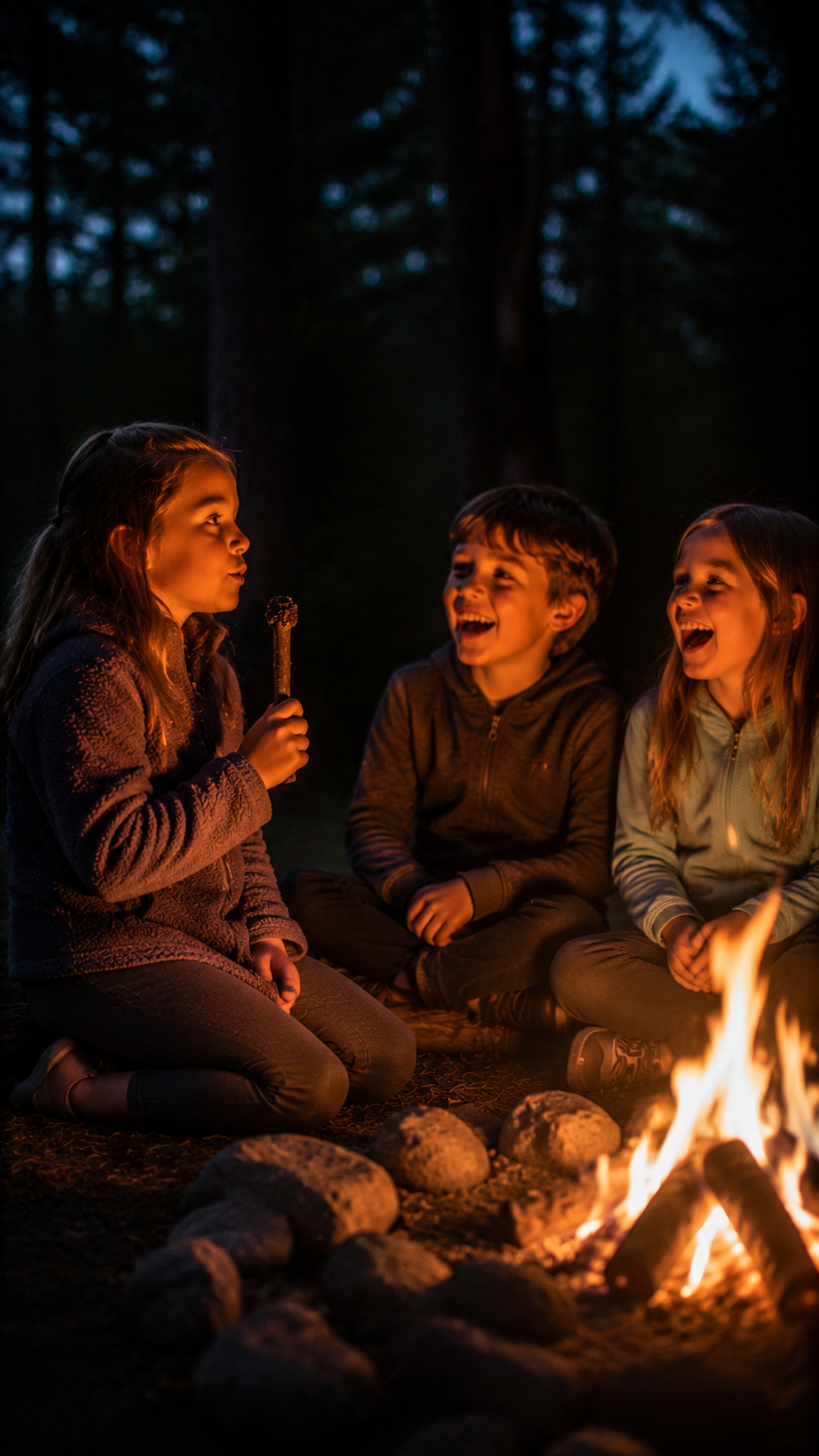
Kids choose any object and pretend to interview it about its life, history, and experiences.
A stick might “talk” about being carried by the wind. A cup might “complain” about being dropped.
The humor hides a deeper skill perspective-taking without them realizing it.
For more structured activity planning ideas, this how to plan a virtual craft night party with friends can inspire how to organize group-based camping games and storytelling sessions.
15. Memory Capsule Time Drop
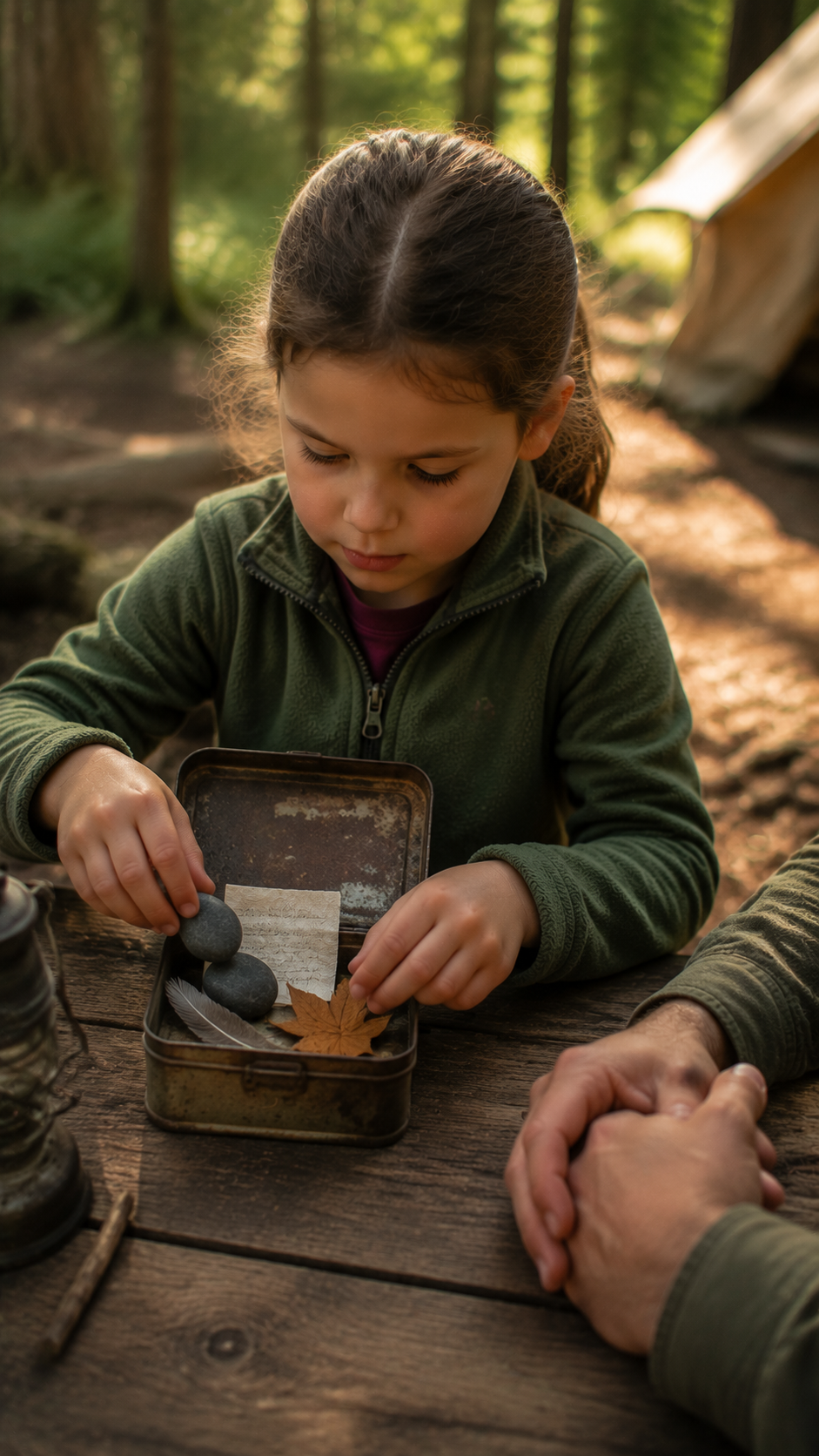
Kids gather small symbolic items or notes and “store” them in a capsule to open later in the trip or after returning home.
It creates anticipation and gives meaning to small moments.
What they choose to save always surprises adults it’s rarely what you expect.
AGE-BASED ACTIVITY ADJUSTMENTS
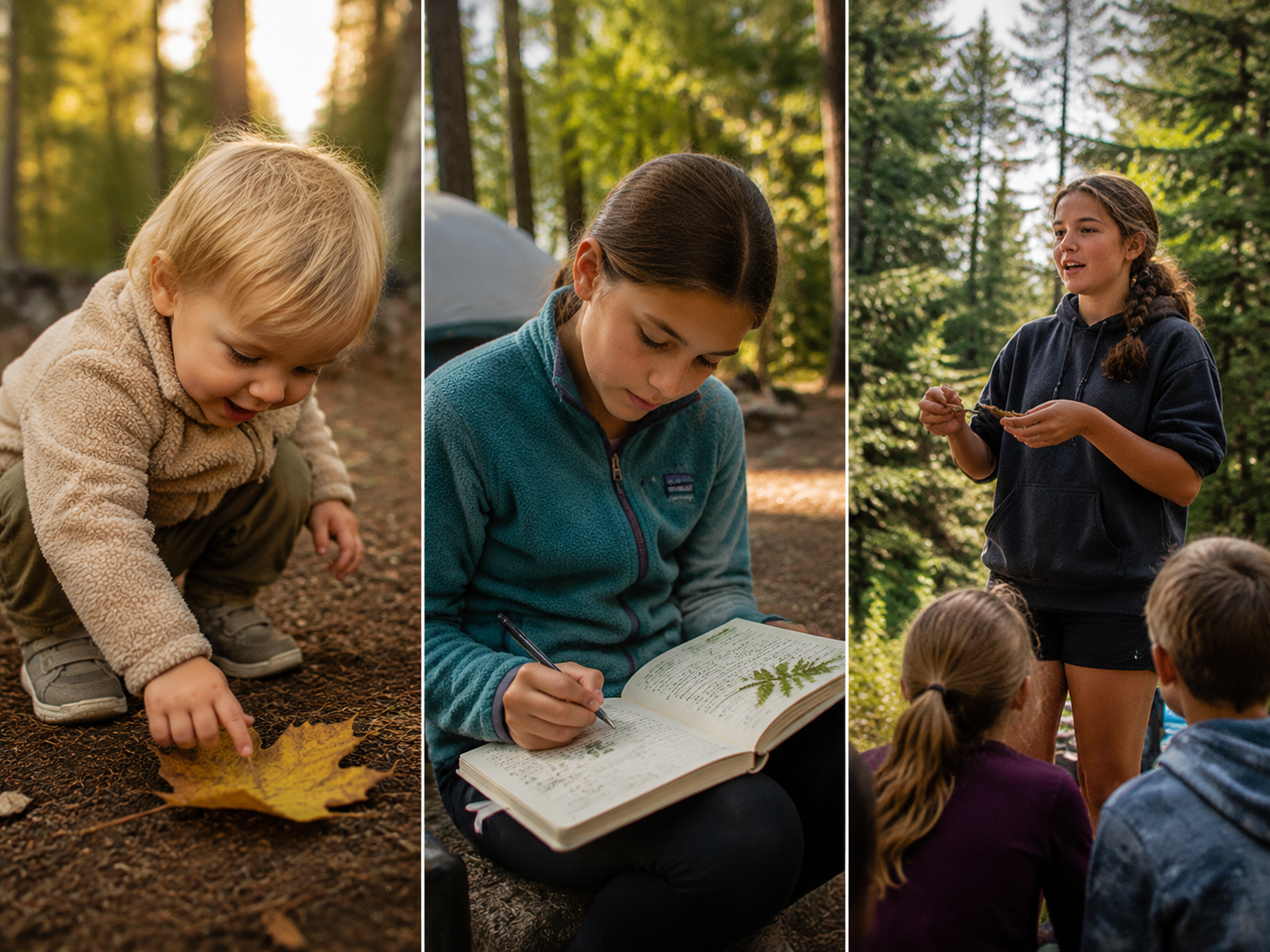
Not every camping activity lands the same way depending on a child’s age, and honestly, this is where most parents quietly struggle.
A game that feels exciting to a 10-year-old can feel confusing or too abstract for a younger child, while older kids often lose interest if something feels too simple.
For toddlers and younger children, the key is keeping things physical and immediate.
Activities like the One-Path Micro Adventure or Shadow Creature Game work best when an adult gently guides the storytelling and keeps the steps simple. They don’t need complexity they need involvement.
Older kids, on the other hand, thrive when you give them ownership. The Camp Sound Detective Journal or Memory Capsule Time Drop works well because it lets them interpret, record, and decide without constant instruction.
Teenagers are a different challenge altogether. They don’t want “games” that feel like games.
They respond better to subtle roles like the Weather Reporter Game or creative independence in the Camp Kitchen Mystery Challenge where they can experiment without feeling supervised.
The real trick is not matching the activity to the age —it’s matching it to how much independence they’re ready to handle in that moment.
TIPS FOR A STRESS-FREE CAMPING EXPERIENCE WITH KIDS
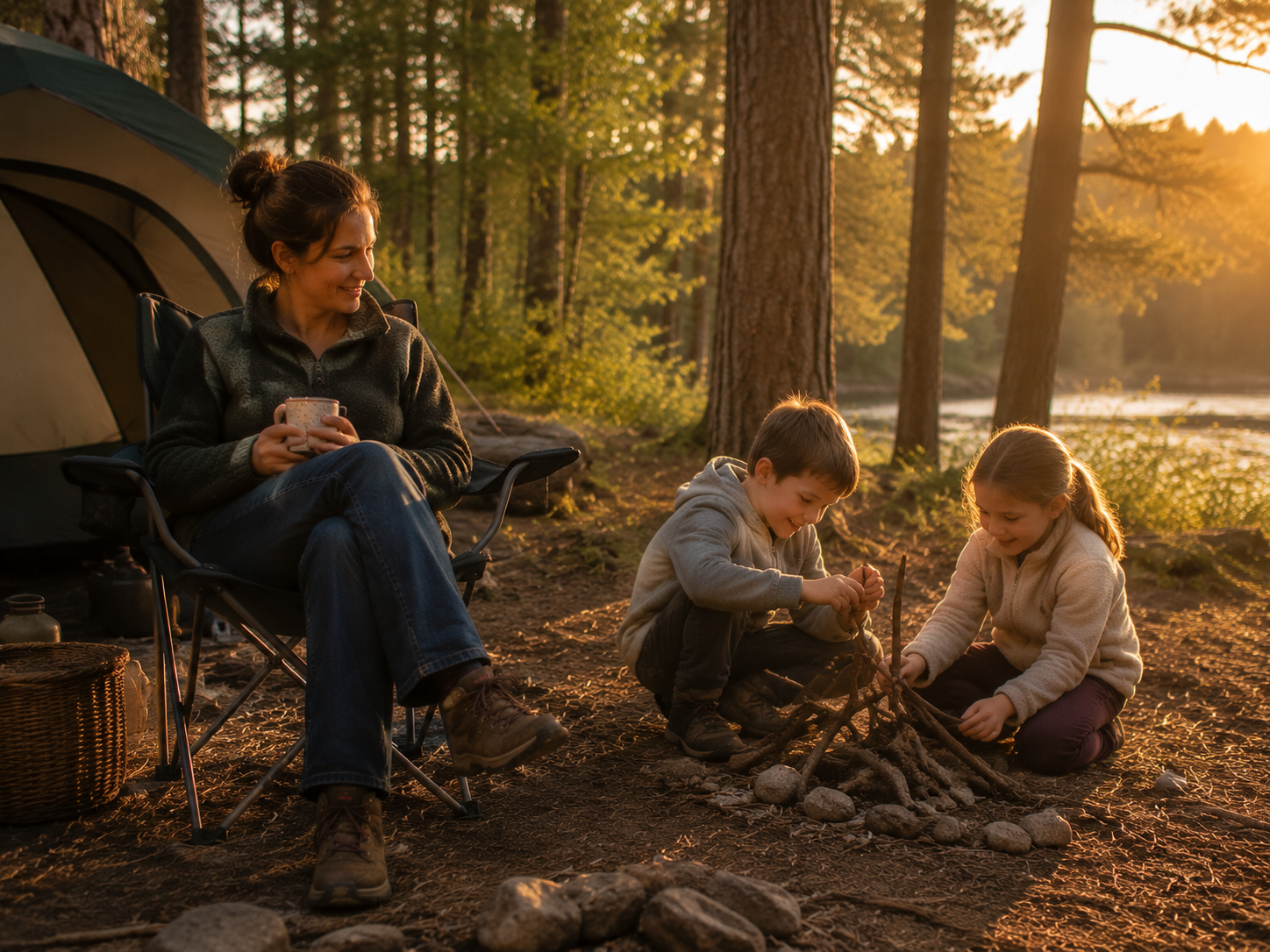
Camping with kids stops feeling stressful when you stop trying to control every moment.
The truth is, most of the chaos comes from expecting everything to flow smoothly when kids are actually designed to respond unpredictably in new environments.
One of the biggest shifts is preparing fewer structured plans and more flexible prompts.
Instead of scheduling every hour, think in “activity windows” where kids can move in and out of ideas naturally. That alone reduces pressure for everyone involved.
Another overlooked tip is pacing. The first few hours of camping are usually overstimulating, so it helps to start with calm, grounding activities like the Silent Explorer Minute before introducing higher-energy games.
It also helps to accept that boredom will show up. Not as a failure, but as part of the rhythm.
Some of the best moments in camping happen right after a child says, “I’m bored,” and then slowly finds their way into something unexpected.
And finally, don’t underestimate how much kids mirror adult energy. When adults are relaxed, present, and not constantly directing, kids naturally settle into the environment faster.
Research shows that time spent in natural environments can improve children’s focus, reduce stress, and support healthier emotional development over time.
FAQ — CAMPING ACTIVITIES FOR KIDS
What are the best camping activities for kids who get bored quickly?
The best camping activities for kids who get bored easily are ones that change how they interact with the environment.
How do I keep kids entertained at a campsite without screens?
The key is offering activities that feel like discovery rather than entertainment. Camping activities for kids like storytelling games or nature-based challenges replace passive screen time with active curiosity.
What should kids do at night while camping?
Nighttime works best with calm imagination-based activities. Shadow games, storytelling circles, or quiet observation games help kids stay engaged without overstimulation.
Are camping activities necessary or should kids just play freely?
A balance works best. Free play is important, but structured camping activities for kids help prevent frustration during transitions or downtime when kids aren’t sure what to do next.
How do I adapt camping activities for different ages?
You simplify the steps for younger kids and give older kids more creative control. The same activity can work for all ages if you adjust the level of independence, not the idea itself.
In The End
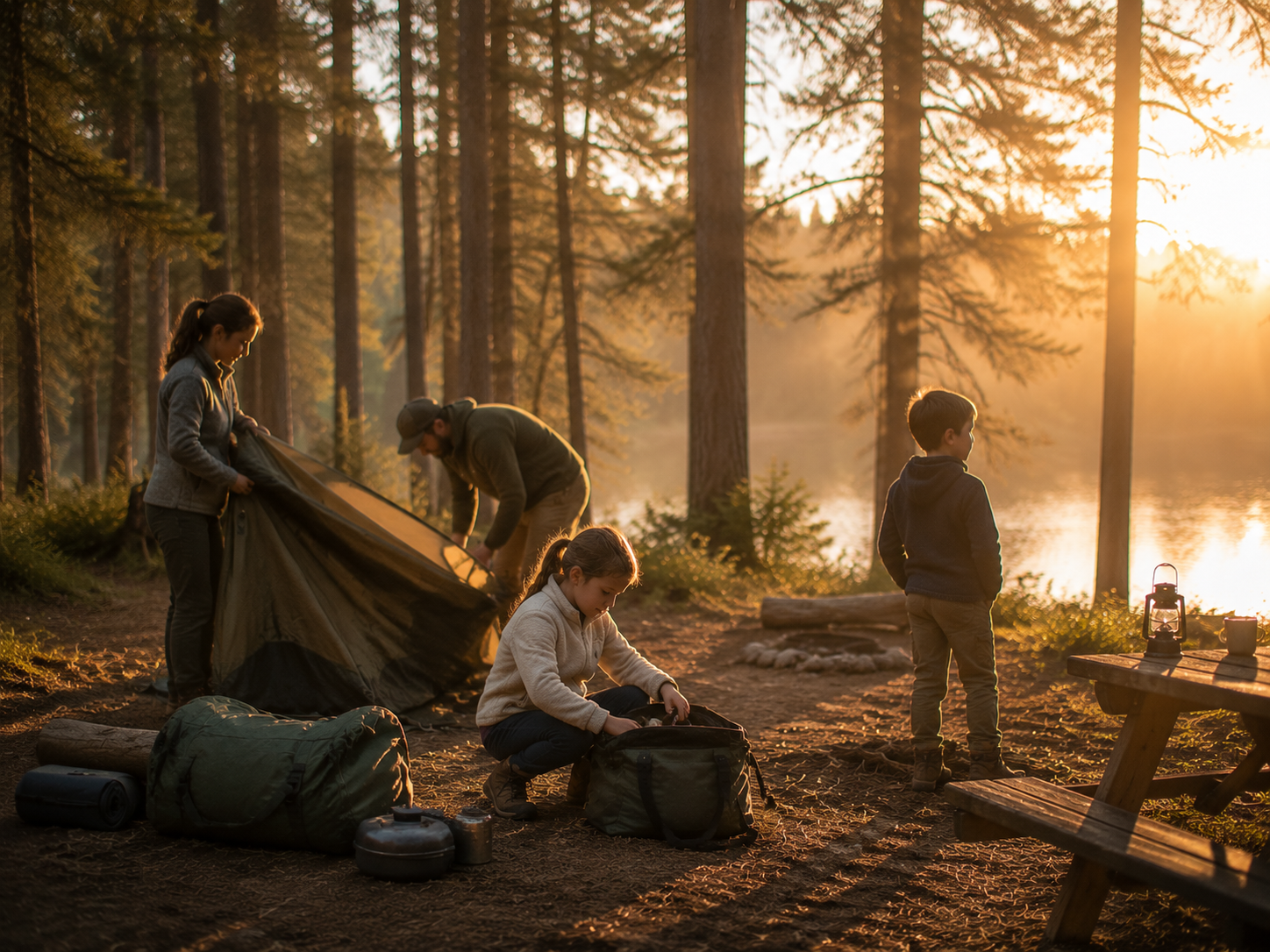
Camping doesn’t need to feel like a constant effort to “keep kids busy.” When the right kind of camping activities for kids are in place, the trip starts to feel less like management and more like shared discovery.
What changes everything is not the location or the gear it’s the way kids are invited into the experience. Once they feel part of the environment instead of just existing in it, everything becomes easier.
And honestly, those are the moments they remember long after the tents are packed away.
Save this for your next camping trip you’ll be glad you did when the first “I’m bored” moment shows up right on schedule.