Hosting a craft night party sounds fun until you’re the one planning it.
Suddenly you’re googling supplies, second guessing the activity, and wondering if people will actually enjoy it or just sit there politely pretending to.
Been there.
Here’s what nobody tells you though: a craft night doesn’t have to be impressive to be really, really good.
In fact, the best ones aren’t. They’re the ones where nobody cared that the candles came out lopsided or the paint got everywhere.
Where conversations happened naturally because everyone’s hands were busy. Where people stayed longer than expected and left with something they actually made.
That’s the whole point.
Whether you’re hosting kids, teens, adults, or a mix of all three this guide walks you through how to plan a craft night that feels easy to host, fun to attend, and worth repeating.
Any age. Any season. Any occasion. Let’s get into it.
Table of Contents
- 1 Starting With the Feeling, Not the Craft
- 2 How to Host a Craft Night Party (Step by Step)
- 3 Step 1: Choose the Right Type of Craft Night Party
- 4 Step 2: Select Crafts That Match the Age Group
- 5 Step 3: Adapt Your Craft Night to Any Season
- 6 Step 4: Plan the Supplies Without Overcomplicating
- 7 Step 5: Set Up a Craft‑Friendly Space
- 8 Step 6: Add Simple Food & Drinks (No Overthinking Allowed)
- 9 Step 7: Keep the Party Flowing Smoothly
- 10 Step 8: Make It Extra Memorable
- 11 Craft Night Party Themes You Can Reuse Anytime
- 12 Common Craft Night Mistakes (and How to Avoid Them)
- 13 FAQs About Hosting a Craft Night Party
- 14 Final Thoughts: Why Craft Nights Are Worth Repeating
Starting With the Feeling, Not the Craft
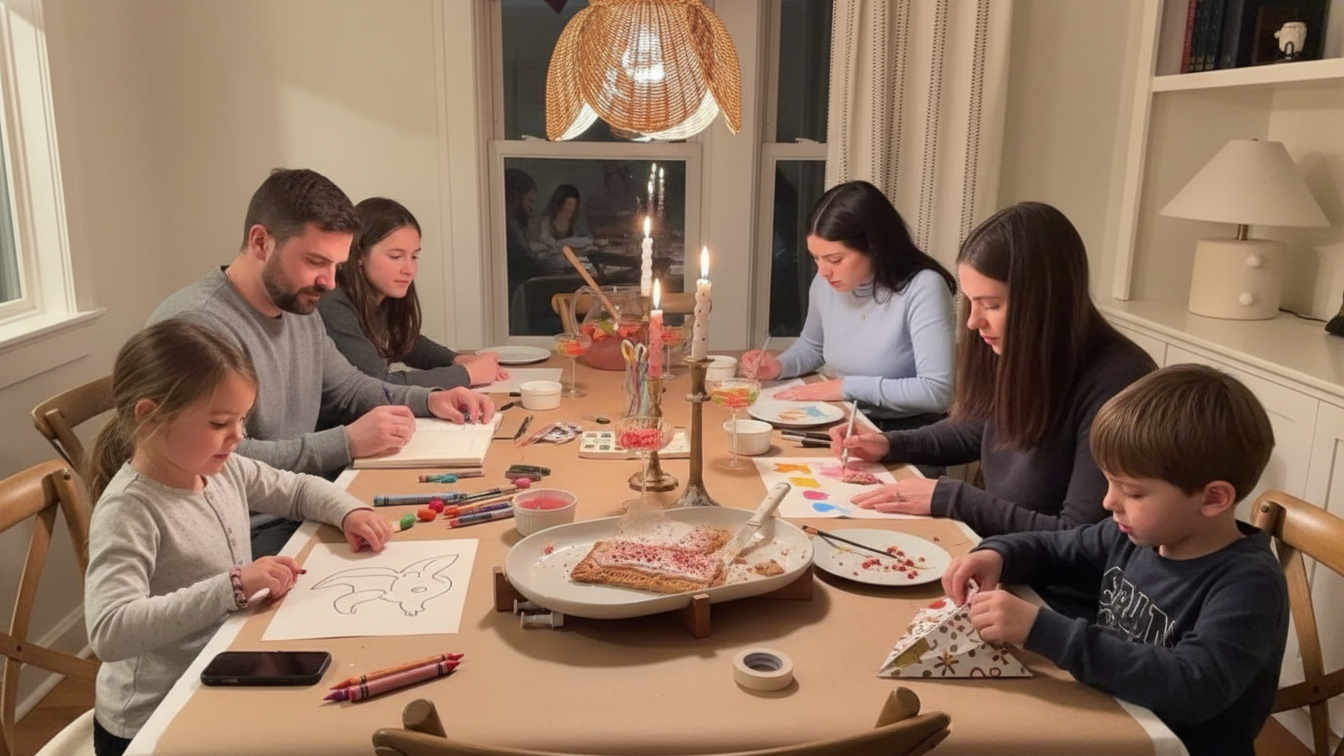
Before you think about supplies, tables, or what everyone will make, pause for a moment and ask a simpler question:
How do I want this night to feel?
This is where most craft nights quietly go wrong. We start with the activity instead of the mood. We pick a project that looks impressive, then try to force the evening to fit around it.
That’s when things start to feel rushed, messy in the wrong way, or oddly stressful for something that’s supposed to be fun.
Craft nights work best when you choose the feeling first.
Do you want the night to feel cozy — soft lighting, slow conversation, no pressure to finish?
Playful — lots of laughter, bright colors, music in the background?
Calm — quiet hands busy time where people can decompress?
Or celebratory — something joyful that marks a moment, a season, or a milestone?
Once you decide that, the craft almost chooses itself.
There’s also something freeing that happens when you let go of the idea that the night has to impress anyone. When no one is trying to out create the internet, people relax.
They talk more, laugh at their uneven lines, and they stop worrying about whether they’re “doing it right.”
Craft nights feel different when the goal isn’t productivity or perfect results it’s connection.
When you plan from that place, everything gets easier. You stop overthinking, buy fewer supplies, and you worry less about timing. And you end up hosting a night that feels natural instead of forced.
That mindset is what turns a craft night from “an activity” into a really good memory.
How to Host a Craft Night Party (Step by Step)
Step 1: Choose the Right Type of Craft Night Party
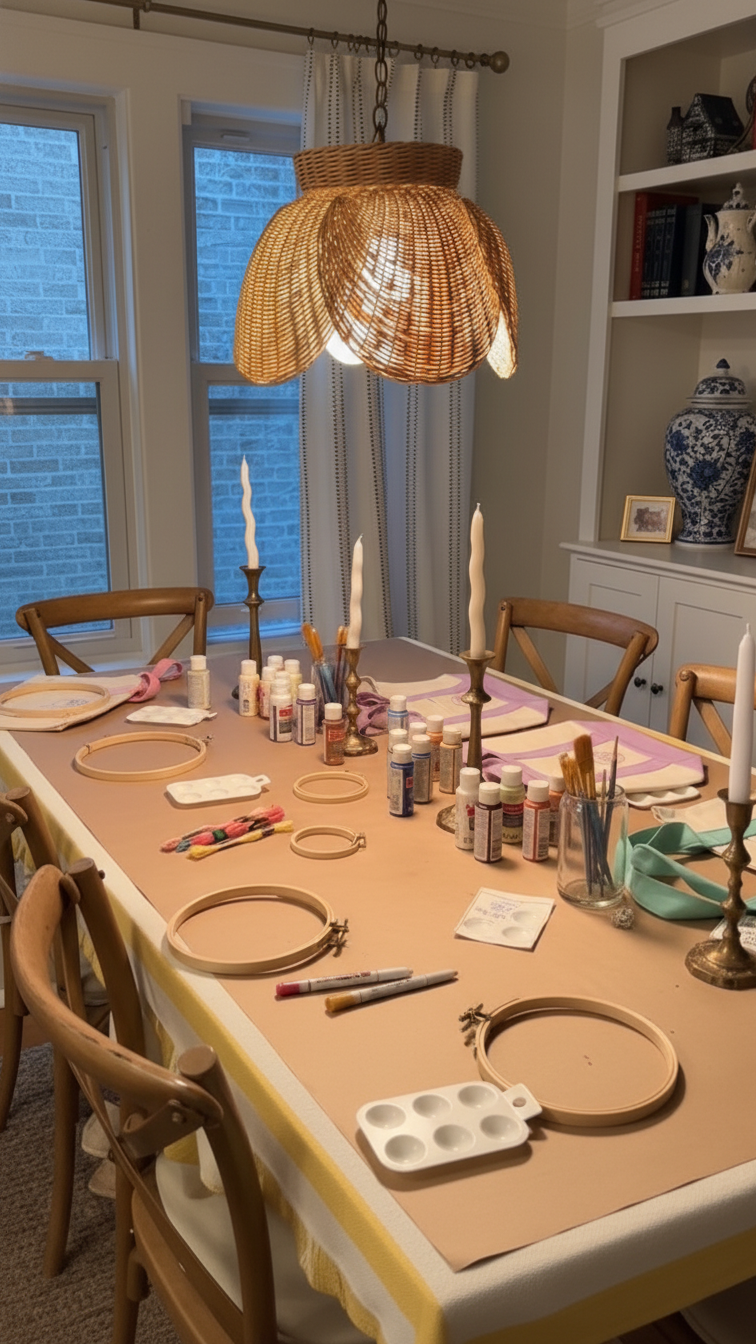
Before you pick a craft, buy supplies, or send invites, decide what kind of night you’re hosting. Not the project the vibe.
This step saves you from doing too much and helps your guests relax before they even arrive.
Pick Your Vibe First
Think of your craft night like setting the tone of a conversation. Once the tone is right, everything else falls into place.
Relaxed and cozy
This is the “come as you are” kind of night. Soft lighting. Comfortable seating. No rush to finish anything. People can talk, pause, and work at their own pace.
Best for: adults, mixed ages, small groups, weeknights.
Loud and playful
Music on. Lots of color. More movement. The craft is fun, forgiving, and doesn’t require much focus.
Best for: kids’ parties, teens, birthday gatherings, energetic groups.
Skill‑based or workshop style
There’s a clear project, a bit of instruction, and a shared goal but still room for personal touches.
Best for: older kids, teens, adults who enjoy learning something new together.
You don’t need to label the night formally. This is just for you as the host, so you can plan with intention instead of guessing.
Match the Craft Night to the Occasion
Once you know the vibe, match it to why people are gathering. This keeps expectations realistic and stress low.
Birthday parties
Choose something forgiving and fun. For birthday craft nights specifically, these farm animal crafts that build confidence and creativity are a crowd favorite low pressure, high energy
Holiday gatherings
Go simple and seasonal. One clear theme. One main craft. No marathon projects.
Baby showers or bridal showers
Keep it light and optional. Guests should feel welcome to chat without pressure to “perform.”
School breaks or weekend hangouts
Think flexible. Some kids will dive in. Others will drift in and out. Plan for both.
The goal here isn’t to impress anyone. It’s to create a night where people feel comfortable participating or not without awkwardness.
When you choose the type of craft night first, every other decision gets easier.
You stop overbuying.
You stop overexplaining.
And you host with more confidence, because the night actually fits the people coming.
Next, we’ll talk about choosing crafts that truly work for different age groups without turning the night into a lesson or a chore.
Step 2: Select Crafts That Match the Age Group
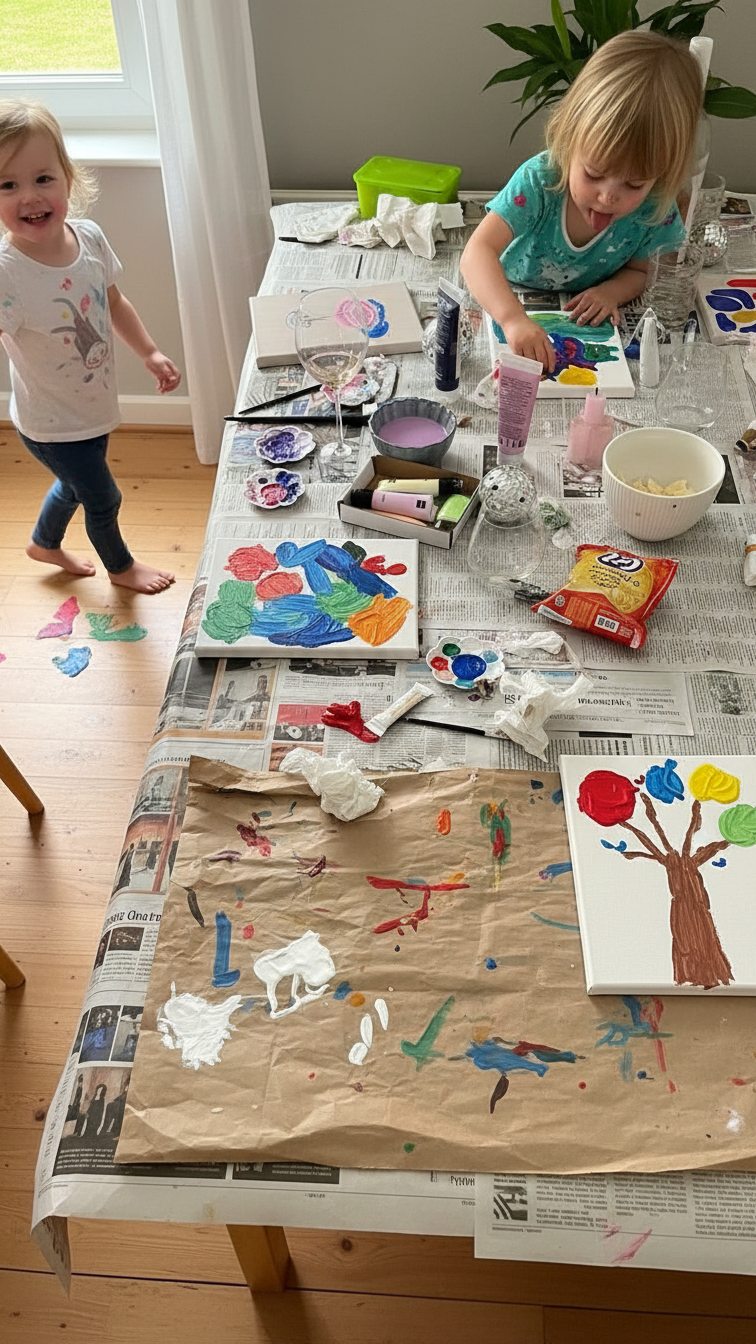
One of the fastest ways to drain the energy from a craft night is choosing a project that doesn’t fit the people in the room. When the craft matches the age group, everything feels easier less explaining, less frustration, more enjoyment.
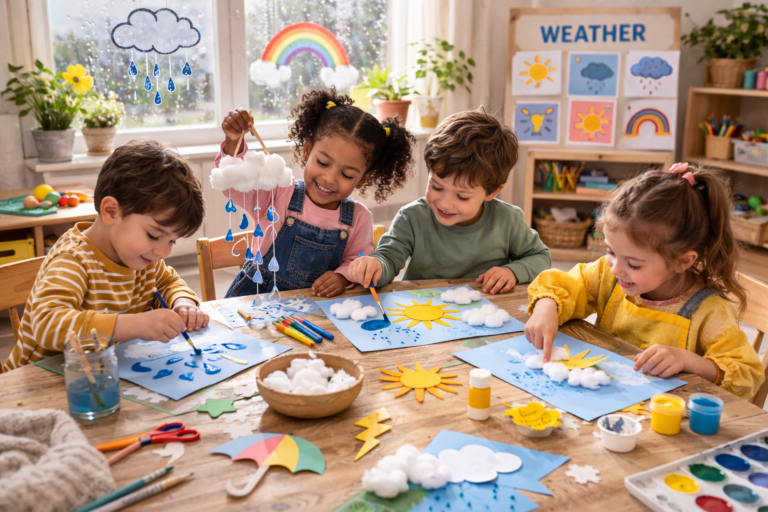
Craft Night for Kids
When kids are involved, simpler is always better even if you think they can handle more.
Complicated steps aren’t what make kids feel proud. Freedom, color, and a clear starting point matter far more. If you need a starting point, these simple flower crafts that boost creativity over perfection are beginner-friendly and genuinely fun for kids.
What works best:
-
Low mess projects (or at least predictable mess)
-
Open ended designs with no “right” result
-
Activities that don’t fall apart if a child walks away halfway through
Good craft ideas:
-
Paper crafts (collage, folding, tearing)
-
Painting with big brushes or sponges
-
Stickers, foam shapes, stamps
-
Beads or pipe cleaners for threading
Helpful mindset shift:
If a craft can survive five minutes of attention and still feel successful, it’s a good choice.
Kids will drift in and out. That’s normal. Plan crafts that don’t punish them for that.
Craft Night for Teens
Teens want independence but they don’t want to feel thrown into the deep end.
The best teen crafts feel cool enough to share online, but simple enough that no one feels awkward asking questions.
What works best:
-
Minimal instructions
-
Space for personalization
-
Projects they’d actually keep or use
Good craft ideas:
-
Tote bag painting or stamping
-
Jewelry making
-
Phone charms or keychains
-
Simple wall art or photo displays
Tip:
Avoid anything that feels childish or overly precious. Teens want to feel capable, not corrected.
Craft Night for Adults
Adult craft nights work best when they feel relaxing not like a class you have to keep up with.
Most adults come to unwind, chat, and do something with their hands. The craft should support that, not compete with it.
What works best:
-
Repetitive or calming motions
-
Aesthetic results without precision
-
Optional sipping, not required focus
Good craft ideas:
-
Candle making
-
Wreaths or floral hoops
-
Embroidery or simple stitching
-
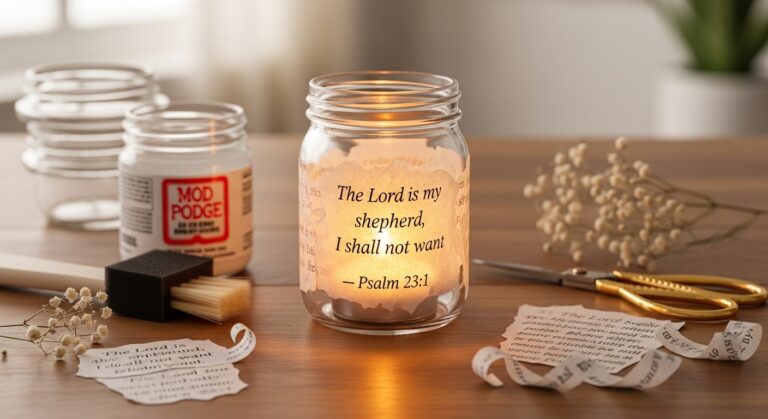
Painted jars or home accents
Helpful reminder:
Adults don’t need complicated steps to feel accomplished. They need permission to enjoy the process.
Mixed‑Age Craft Nights
These can feel intimidating but they don’t have to be.
The key is choosing one base craft with natural upgrade paths.
How to make it work: just
-
Same materials for everyone
-
Different levels of detail allowed
-
No pressure to “match”
Example:
Everyone paints a canvas.
Kids use bold colors and big shapes.
Teens add patterns or quotes.
Adults layer textures or details.
Same activity. Different depth.
Step 3: Adapt Your Craft Night to Any Season
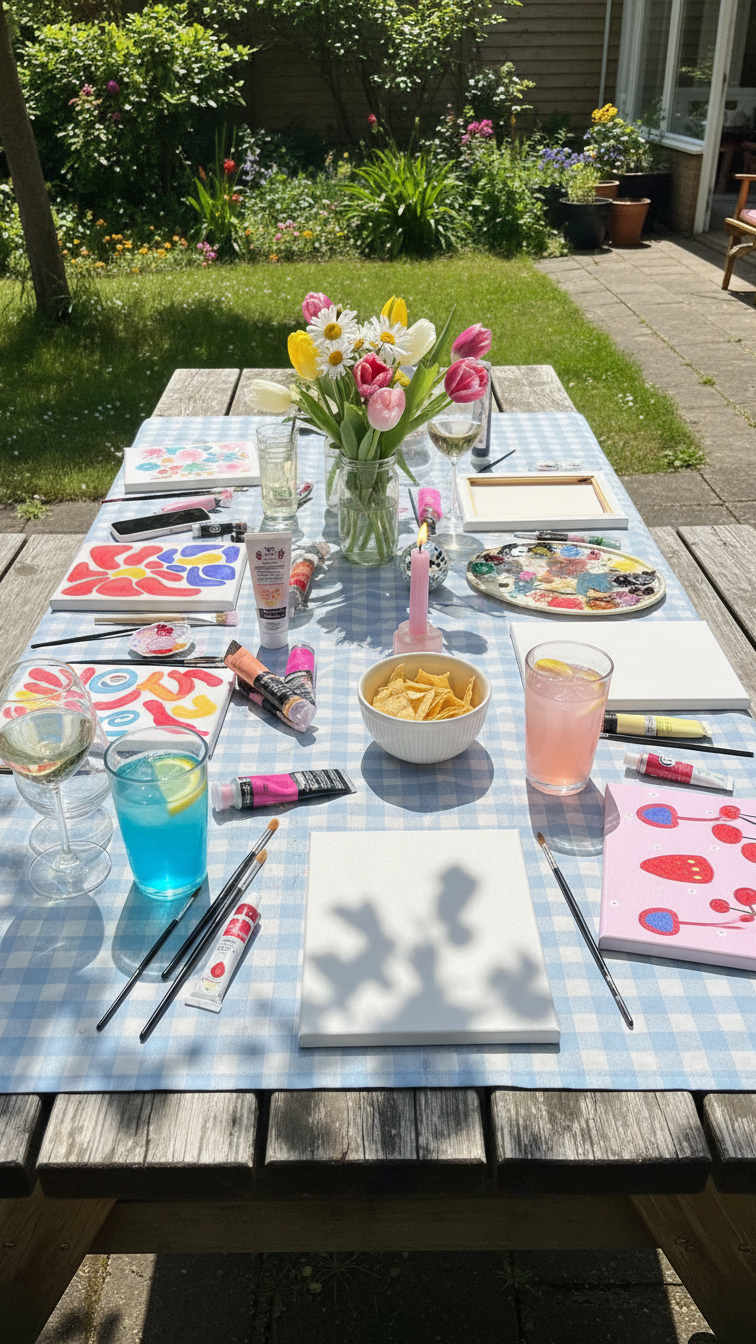
Seasonal touches don’t need to be literal or expensive. A few small choices can anchor the night without locking you into a theme.
Spring Craft Night Ideas
Spring is light, fresh, and forgiving.
- Spring brings a light, forgiving energy to craft nights.
- Florals and nature-inspired projects work beautifully here
- Pastels add softness without effort.
- Overall, aim for crafts that feel airy and open.
Think renewal, not perfection.
Summer Craft Night Ideas
Summer crafts should feel easy and breathable.
-
Outdoor‑friendly projects
-
Bright colors
-
Minimal heat tools or long drying times
If it can be done on a patio or picnic table, even better.
Fall Craft Night Ideas
Fall is about texture and warmth.
-
Earthy tones
-
Layered materials
-
Crafts that feel cozy without being heavy
People naturally slow down in fall let the craft match that rhythm.
For a cozy fall gathering, a DIY housewarming basket also doubles as a beautiful take-home gift idea that fits the season perfectly.
Winter Craft Night Ideas
Winter crafts work best indoors with intention.
-
Keepsakes or gifts
-
Soft lighting
-
Projects people can work on while chatting
The goal is comfort, not productivity.
Step 4: Plan the Supplies Without Overcomplicating
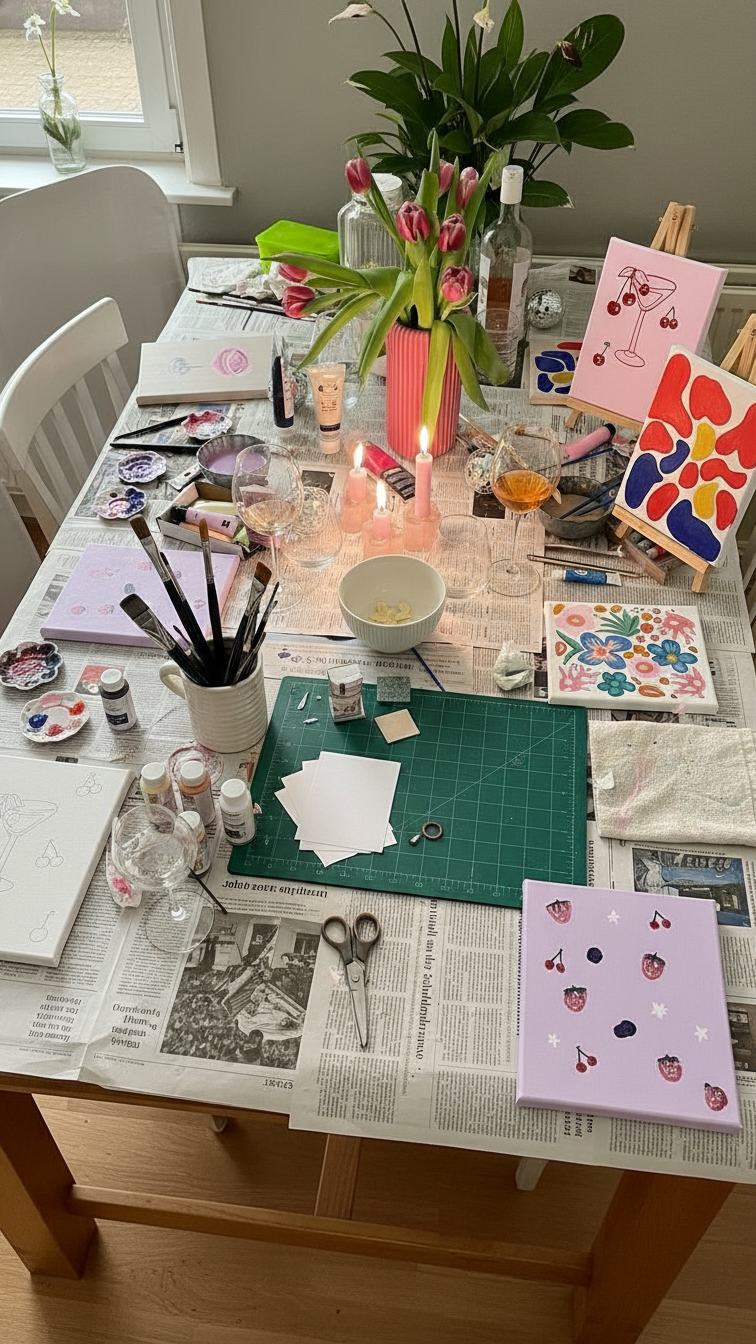
Supplies are where hosts tend to overdo it and overspend.
You don’t need individual kits unless the craft truly requires it.
Instead:
-
Make one master supply list
-
Buy shared materials in bulk
-
Set out only what’s needed
Pro tip:
Prep stations, not piles.
One table for painting. One for assembly. One for drying.
You can start with the craft supplies worth having on hand before your first craft night.
Step 5: Set Up a Craft‑Friendly Space
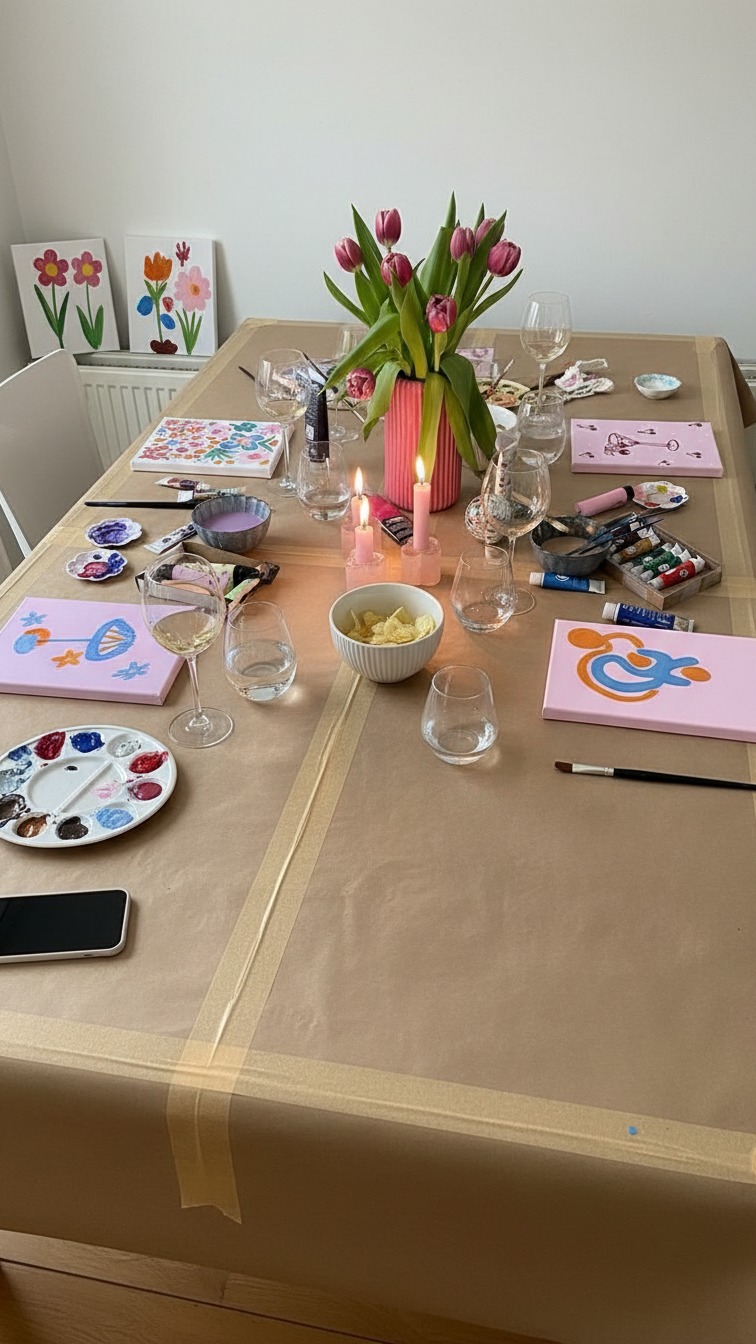
Your space doesn’t need to be big it just needs to be intentional.
Table setup:
-
Enough elbow room
-
Easy access to supplies
-
Clear “finished” area
soft lighting can completely change how a space feels and sets the mood before a single craft is touched.
-
Bright enough to see details
-
Soft enough to feel relaxed
Surface protection without killing the vibe:
-
Kraft paper
-
Old tablecloths
-
Butcher paper taped down
Practical can still feel nice.
Step 6: Add Simple Food & Drinks (No Overthinking Allowed)
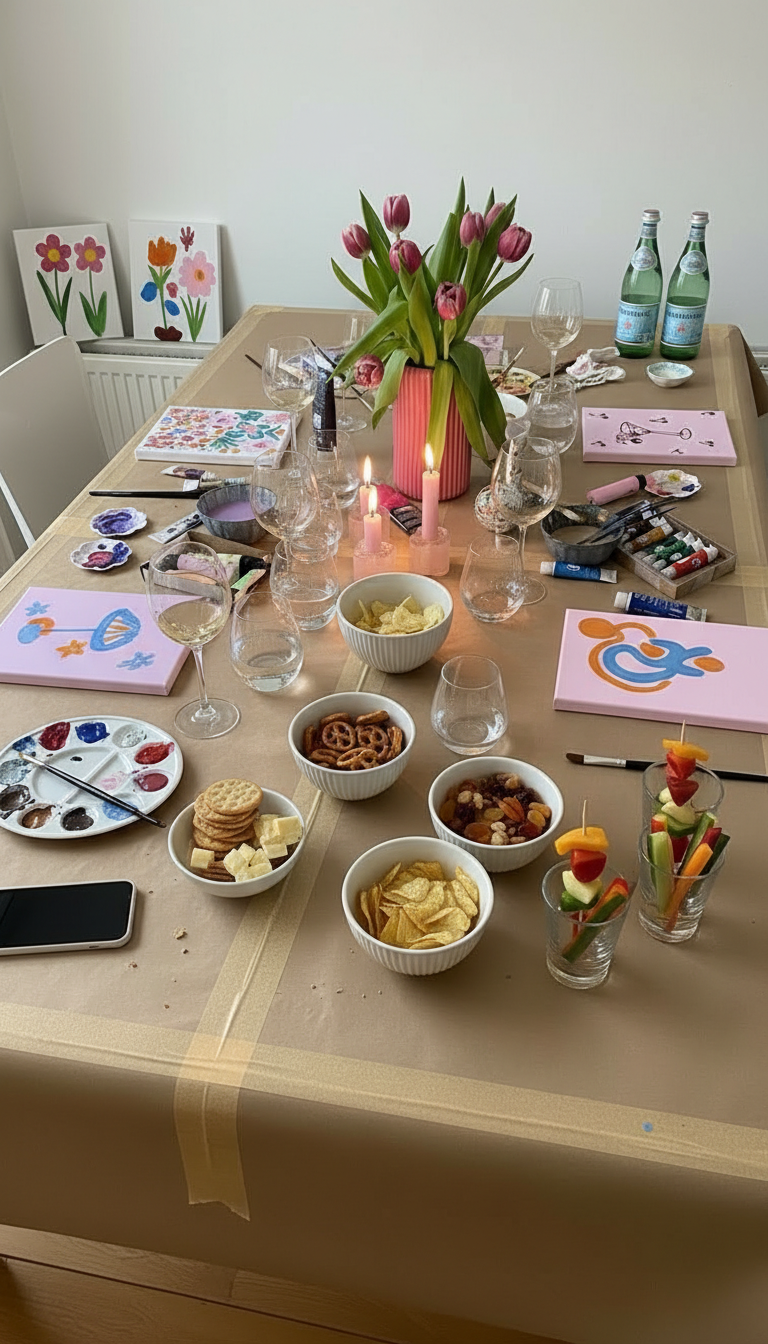
Food should support the craft night not distract from it.
Best options:
-
Dry or wipeable foods
Theme matching helps:
-
Color‑coordinated snacks
-
Seasonal treats
-
Simple drinks in clear cups
For adults, wine or mocktails are optional not the focus. The craft should still stand on its own.
Step 7: Keep the Party Flowing Smoothly
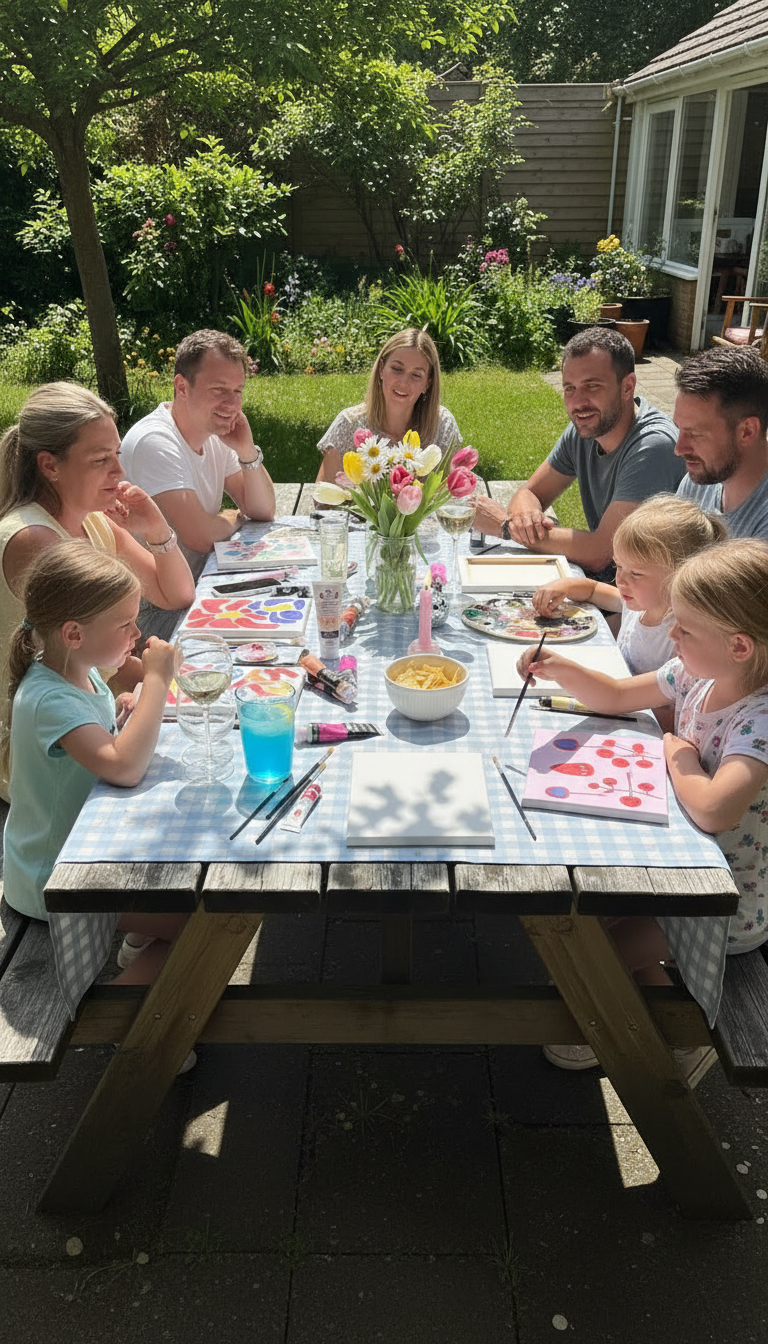
Structure makes people feel comfortable even if it’s loose.
Start with:
-
A warm welcome
-
A quick, no‑pressure demo
Keep instructions short. People learn by watching.
During craft time:
-
Let conversations rise naturally
-
Avoid interrupting flow
-
Offer help quietly, not loudly
Social breaks:
-
Snacks midway
-
A quick reset
-
Then back to crafting if people want
No forcing. No rushing.
Step 8: Make It Extra Memorable
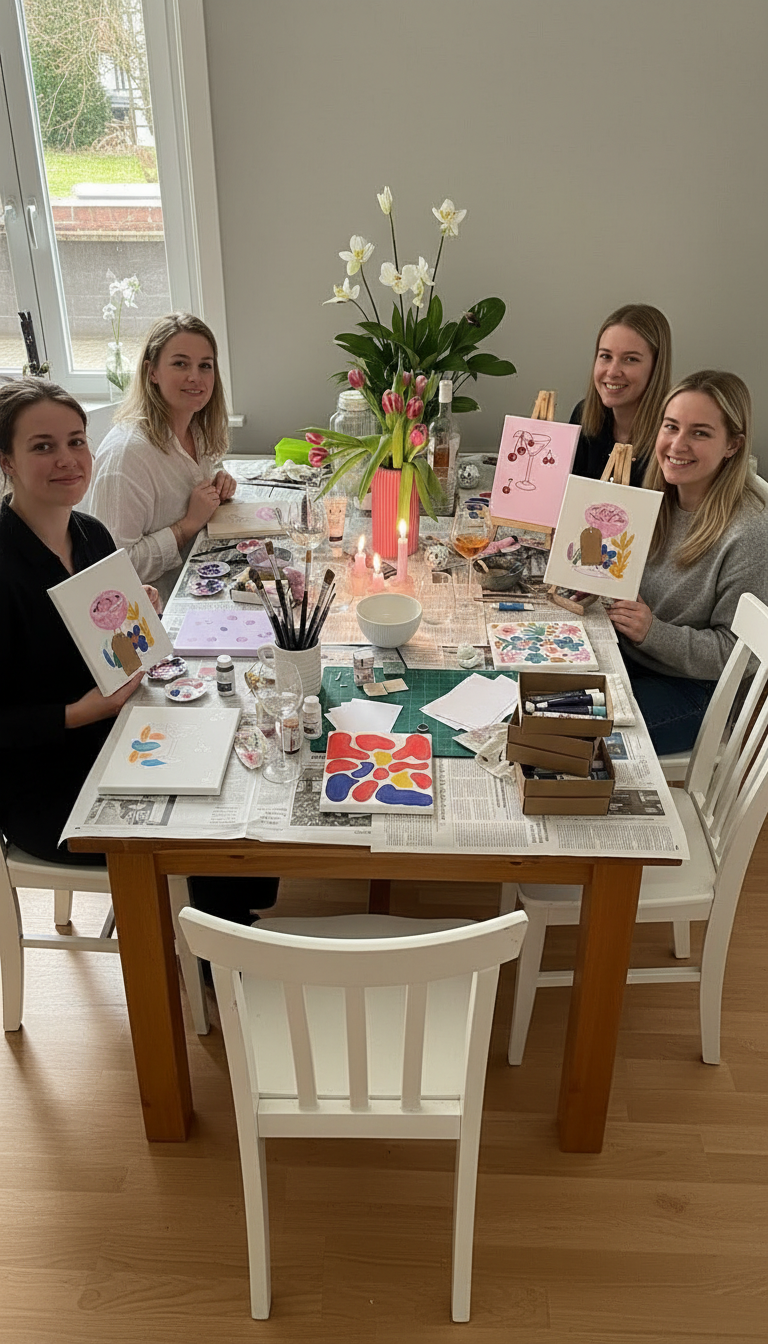
The little touches are what people remember.
Easy ideas:
-
Mini take home kits
-
Simple tags with names or dates
-
A small photo corner with good lighting
These details don’t need to be fancy. They just need to feel thoughtful.
When people leave feeling relaxed, capable, and included, they’ll remember the night not the mess, not the timing, not the imperfections.
That’s what makes a craft night worth repeating.
Craft Night Party Themes You Can Reuse Anytime
One of the best things about craft nights is that you don’t need a brand‑new idea every time. A good theme is like a favorite sweater it works again and again, just styled a little differently.
Here are a few reusable craft night themes that adapt easily to ages, seasons, and group sizes.
Cozy Night In
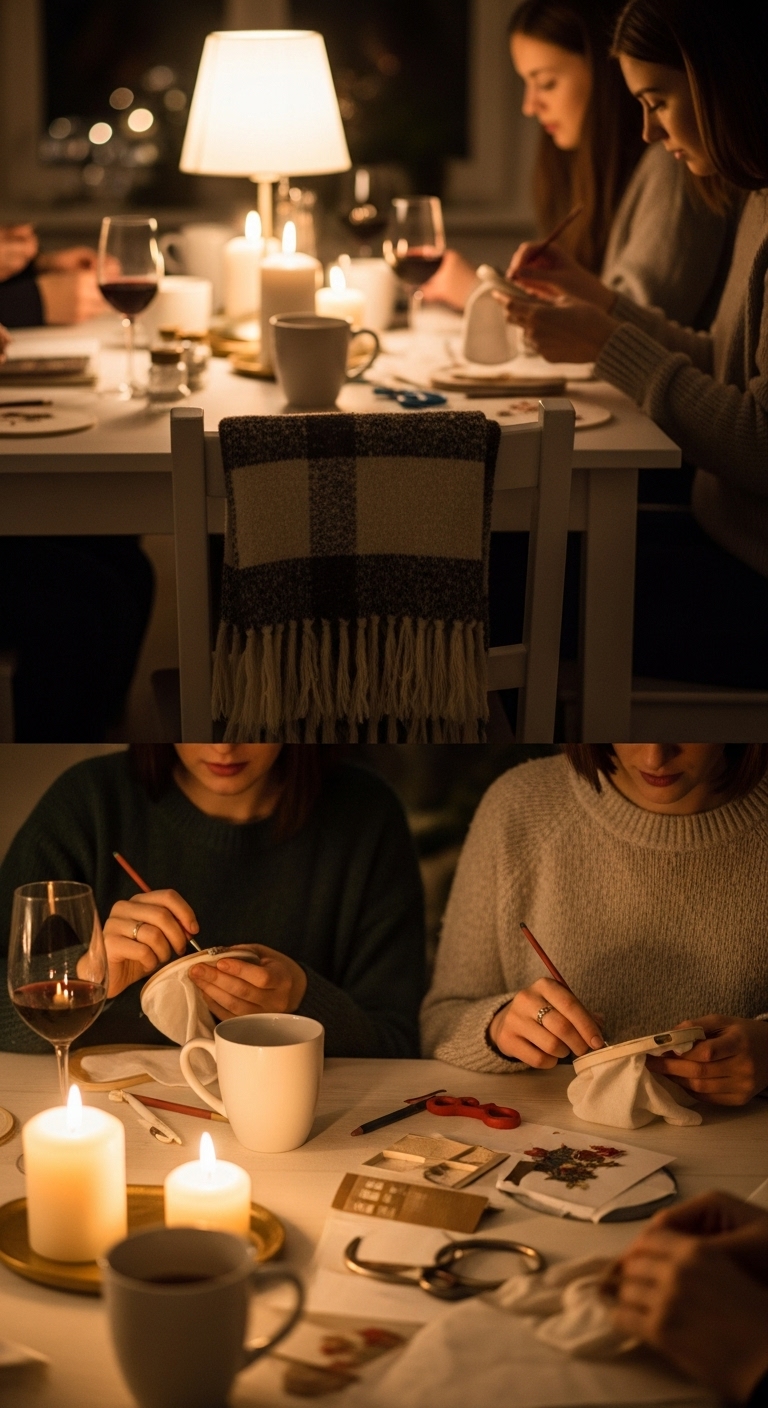
This theme is about slowing down. Think soft lighting, comfy seating, and crafts that don’t require rushing or standing up every two minutes.
Good craft fits:
-
Embroidery, simple painting, paper crafts, journaling
-
Anything that can be done sitting down with a warm drink nearby
Add-ons that set the mood:
-
Candles (real or battery, depending on the crowd)
-
Soft music
-
Blankets on chairs (yes, people love this)
This theme works especially well for adults, mixed‑age families, or winter evenings when no one wants to leave the house.
Holiday Countdown
Instead of one big holiday craft, turn the night into a mini countdown.
How it works:
-
Choose 2–3 small crafts tied to the holiday
-
Let guests pick which ones they want to do
-
Keep everything simple and repeatable
Examples:
-
Ornaments, gift tags, paper decorations
-
Countdown cards or mini keepsakes
This keeps energy up without overwhelming anyone and it works just as well for kids as it does for adults.
Self‑Care Craft Night
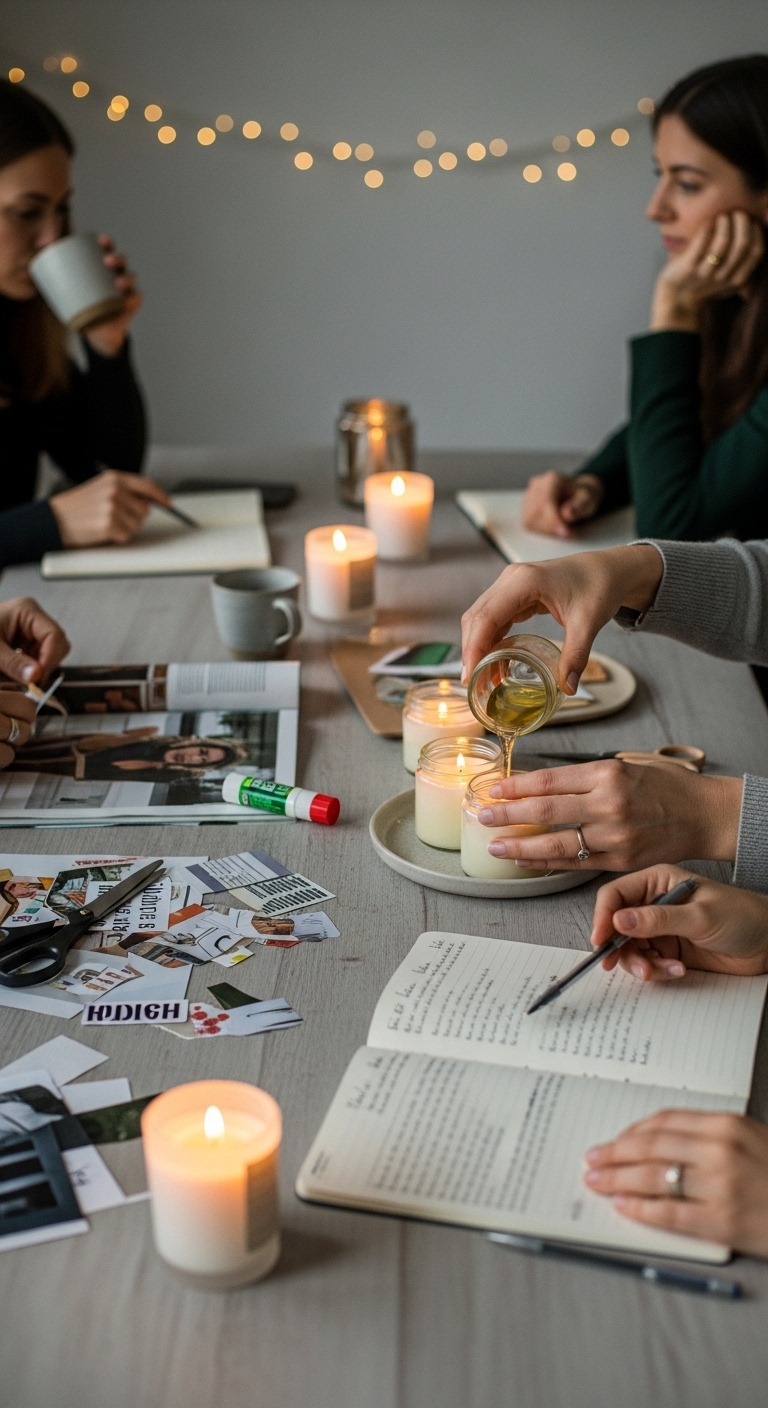
This is a favorite for adults and teens, especially when life feels busy.
The focus isn’t productivity. It’s pause.
Craft ideas:
-
Candle making
-
Vision boards
-
Simple embroidery or painting
-
Journaling with prompts
Set expectations clearly:
“This is a no‑pressure night. You can finish, not finish, or just sit and chat.”
That permission alone makes people exhale.
If your goal is to turn craft night into a true self-care ritual, this guide on hosting a cozy self-care craft night for busy women walks you through every detail.
Friends & Family Memory Night
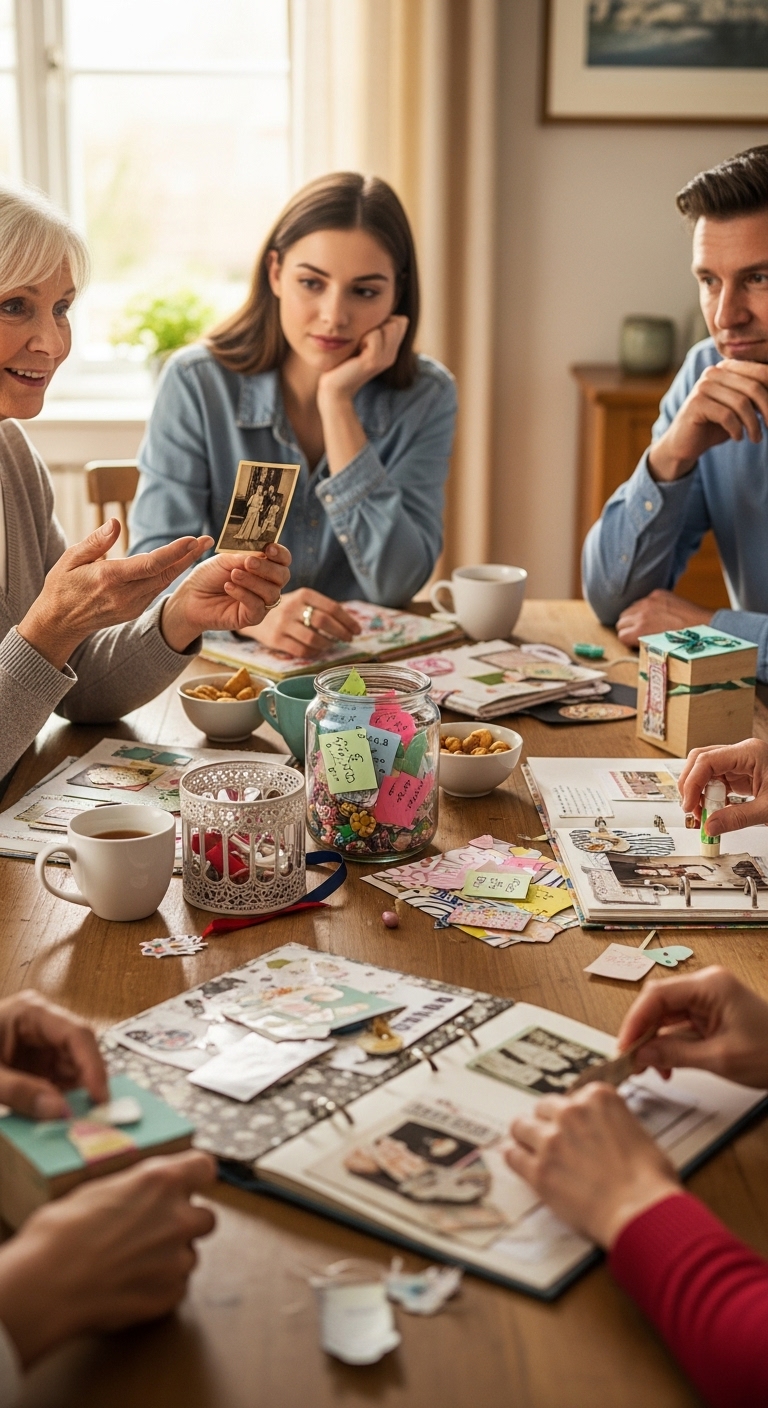
This theme is about connection, not perfection.
Crafts might include:
-
Memory jars
-
Photo frames
-
Scrapbook pages
-
Keepsake cards
What makes it special:
-
Encourage storytelling while crafting
-
Let people explain their choices if they want
-
No correcting, no rushing
This theme works beautifully for mixed ages and creates keepsakes people actually care about.
Need gift ideas to go along with the memory theme? This list of meaningful DIY gifts your friends will actually treasure fits perfectly with this vibe.
Common Craft Night Mistakes (and How to Avoid Them)
Even the best‑planned craft nights can feel stressful if a few key things go wrong. The good news? These mistakes are common and very fixable.
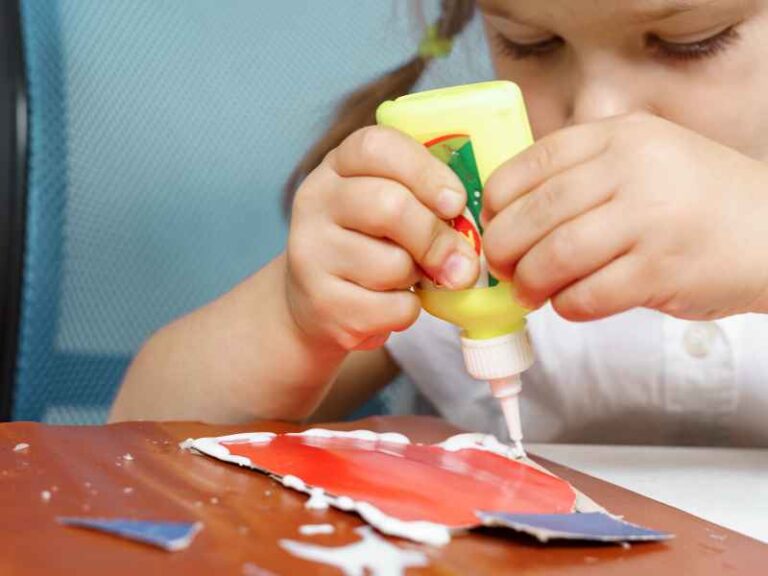
If you’re hosting for the first time and want everything in one place, this guide on what glue to use for paper crafts will save you from one of the most common beginner headaches.
Choosing Overly Complicated Projects
If you need a long tutorial video to explain the craft, it’s probably too much.
A good rule:
-
A craft is too complex if guests need you every two minutes.
-
And if you’re stressed explaining it, they’ll feel it too.
Fix it:
Choose projects with one main technique and optional extras for those who want more challenge.
Underestimating Prep Time
Craft nights feel relaxed only when the host isn’t scrambling.
Common prep traps:
-
Cutting everything during the party
-
Sorting supplies while guests wait
-
Realizing you forgot one key item
Fix it:
Prep as much as possible ahead of time, even if it feels tedious. A calm host sets the tone for the entire night.
Forgetting the Cleanup Strategy
Nothing kills a good night like staring at a disaster afterward.
Fix it before it happens:
-
Put trash bins and wipes on every table
-
Use disposable table covers or old sheets
-
Assign a “last 10 minutes” light cleanup window
Cleanup feels easier when it’s expected not a surprise.
FAQs About Hosting a Craft Night Party
How long should a craft night last?
Most craft nights work best at 1.5 to 2.5 hours.
That gives time for:
-
Arriving and settling in
-
Crafting without rushing
-
Chatting and winding down
Longer than that, and energy starts to drop.
How many crafts should I plan?
One main craft is usually enough.
If you want options:
-
One main project
-
One very simple backup (coloring, stickers, loose parts)
Too many choices can actually overwhelm people.
What if guests have different skill levels?
Design the base craft to be easy then offer upgrades.
Examples:
-
Simple version + optional detail work
-
Same materials, different levels of complexity
This way, beginners feel safe and experienced crafters don’t feel bored.
Final Thoughts: Why Craft Nights Are Worth Repeating
Craft night party don’t need to be perfect to be meaningful. In fact, the slightly messy, unfinished, off‑schedule ones are often the most memorable.
When people gather around a table to make something anything walls come down. Conversations flow. Laughter happens without trying.
And those imperfect crafts? They become reminders of a good night, not a failed project.
If you’ve hosted one craft night and it felt good, that’s your sign to host another. Save this post, tweak what worked, skip what didn’t, and make it your own.
Because perfect crafts fade but shared moments stick.