How do you make crafts fun without chaos? These easy spring crafts for the classroom that feel fun without feeling overstimulating show exactly how.
If you’ve ever tried doing crafts around this time of year, you already know the problem. Most “spring crafts” look cute online but end up being noisy, messy, and too stimulating once 20 students are involved.
Instead of helping children focus, they make transitions harder and the classroom harder to settle afterward.
That’s why this guide focuses on easy spring crafts for the classroom that feel fun without feeling overstimulating.
The goal isn’t just decoration, it’s giving students something hands-on that keeps their attention steady while they practice fine motor control, patience, and creativity.
Every activity here is simple to prepare, manageable to clean up, and structured enough to keep the room calm while still feeling enjoyable for students.
If you’re looking for more spring craft inspiration, check out my list of 10 Easy Spring Crafts for Kids (Fun and Educational)
Table of Contents
- 1 Reason Overstimulation Matters in Classroom Crafts
- 2 Unique Spring Crafts for the Classroom
- 2.1 1. Layered Flower Sun Catchers
- 2.2 Core materials needed:
- 2.3 How it’s done:
- 2.4 Skills Built:
- 2.5 Why it works in classrooms:
- 2.6 2. Nature-Inspired Texture Collages
- 2.7 Core materials needed:
- 2.8 How it’s done:
- 2.9 Skills built:
- 2.10 Why it works in classrooms:
- 2.11
- 2.12 3. Spring Critter Origami
- 2.13 How it’s done:
- 2.14 Skills Built:
- 2.15 Why it’s classroom friendly:
- 2.16 How it’s done:
- 2.17 Skills built:
- 2.18 Why it’s classroom friendly:
- 2.19 How it’s done:
- 2.20 Skills Built:
- 2.21 Why it’s classroom friendly:
- 3 Tips for Managing Craft Time Without Chaos
- 4 Conclusion
Reason Overstimulation Matters in Classroom Crafts
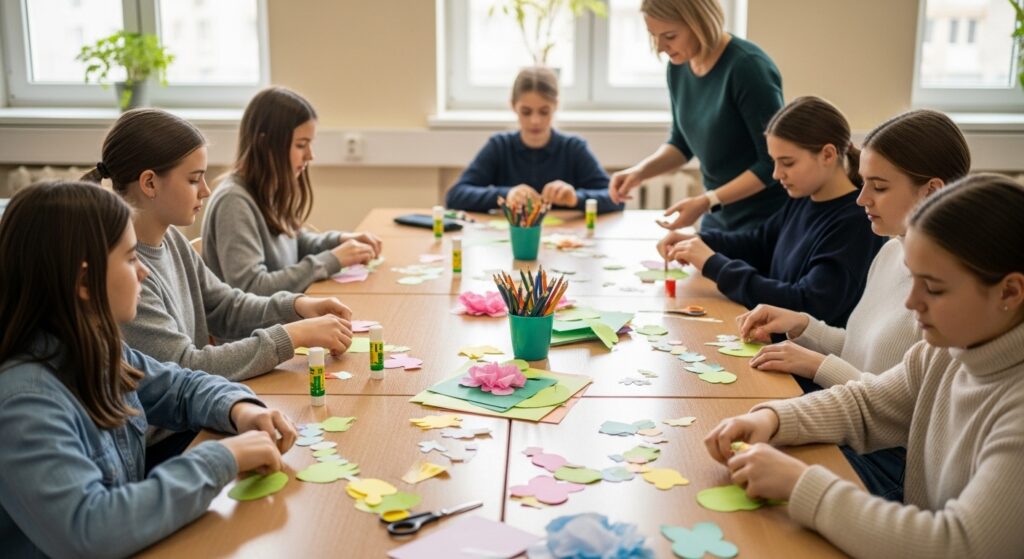
A lot of classroom crafts fail for one simple reason: there’s too much happening at once. Bright markers, glitter, glue, paint, cutting, talking, and movement all happening together sounds fun in theory, but for many students it becomes hard to process.
Instead of concentrating on the task, they react to the noise, the visual clutter, or the feeling of the materials in their hands.
When the brain is trying to manage too many inputs at the same time, attention drops. You’ll notice more rushing, more mistakes, and students asking for help with things they normally handle on their own. After the activity ends, settling back into a lesson takes longer because their nervous system is still “busy.”
Calm, purposeful activities work differently. When a craft has clear steps and limited materials, students can focus on completing one action at a time.
That supports emotional regulation, they stay patient, finish what they start, and remember the learning tied to the activity instead of just the excitement around it.
In practice, this means smoother transitions and better retention of whatever concept the craft was meant to support.
If you teach toddlers or young learners, these gentle Valentine’s activities offer calm, age‑appropriate options. You should read, Gentle Valentine’s Activities Toddlers Can Truly Enjoy.
Quick advice:
Before introducing a craft, simplify it.
- Choose a limited color palette (2–3 colors instead of the whole box)
- Provide pre-cut shapes when cutting isn’t the learning goal
- Use only one main tactile material per craft (for example: paper or clay, not both)
You’ll still get creativity, just without the overstimulation that makes the classroom harder to manage afterward.
These Friendship-Themed Spring Preschool Crafts For Kidsare a great way to promote sharing and kindness while crafting together.
Unique Spring Crafts for the Classroom
These spring crafts for the classroom are chosen because they hold attention without raising the energy level of the room. Each one has a clear process students can settle into.
1. Layered Flower Sun Catchers
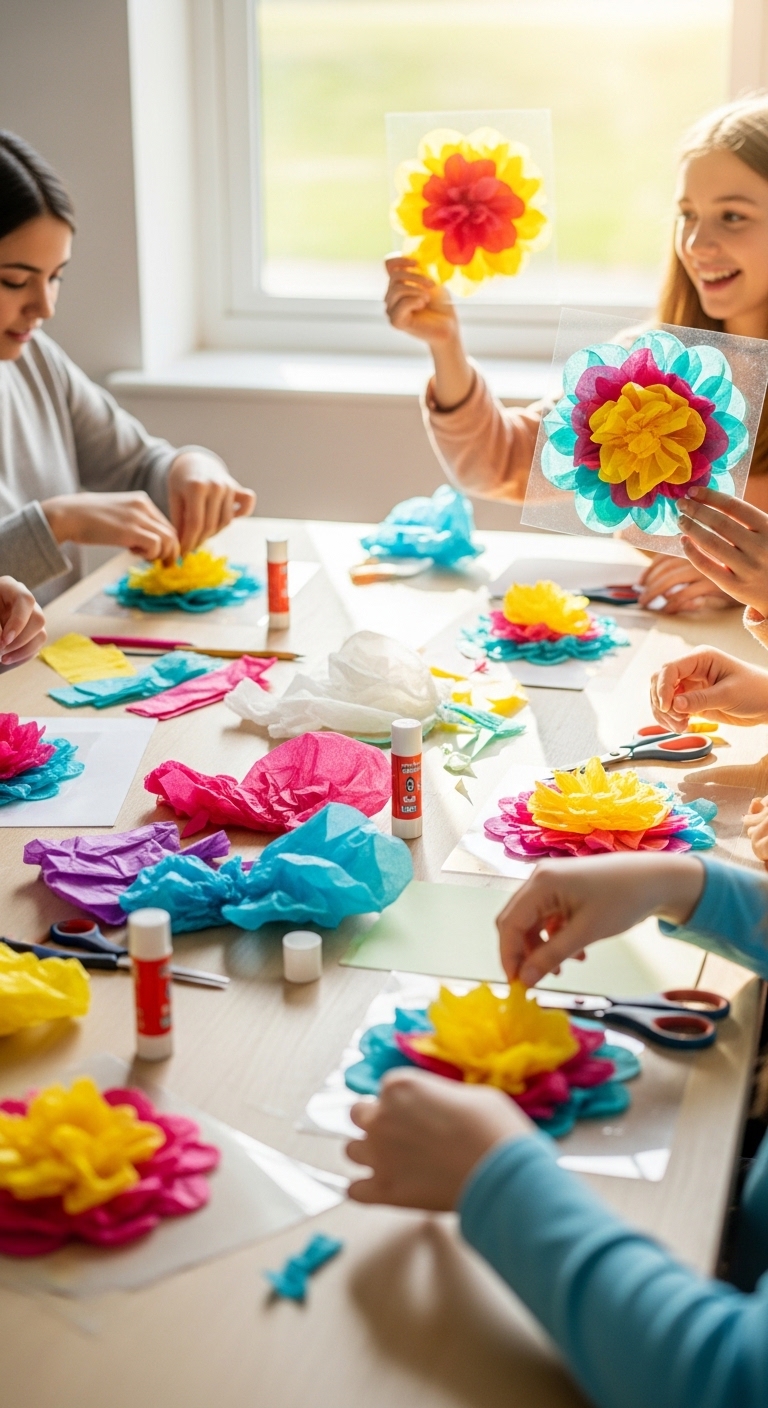
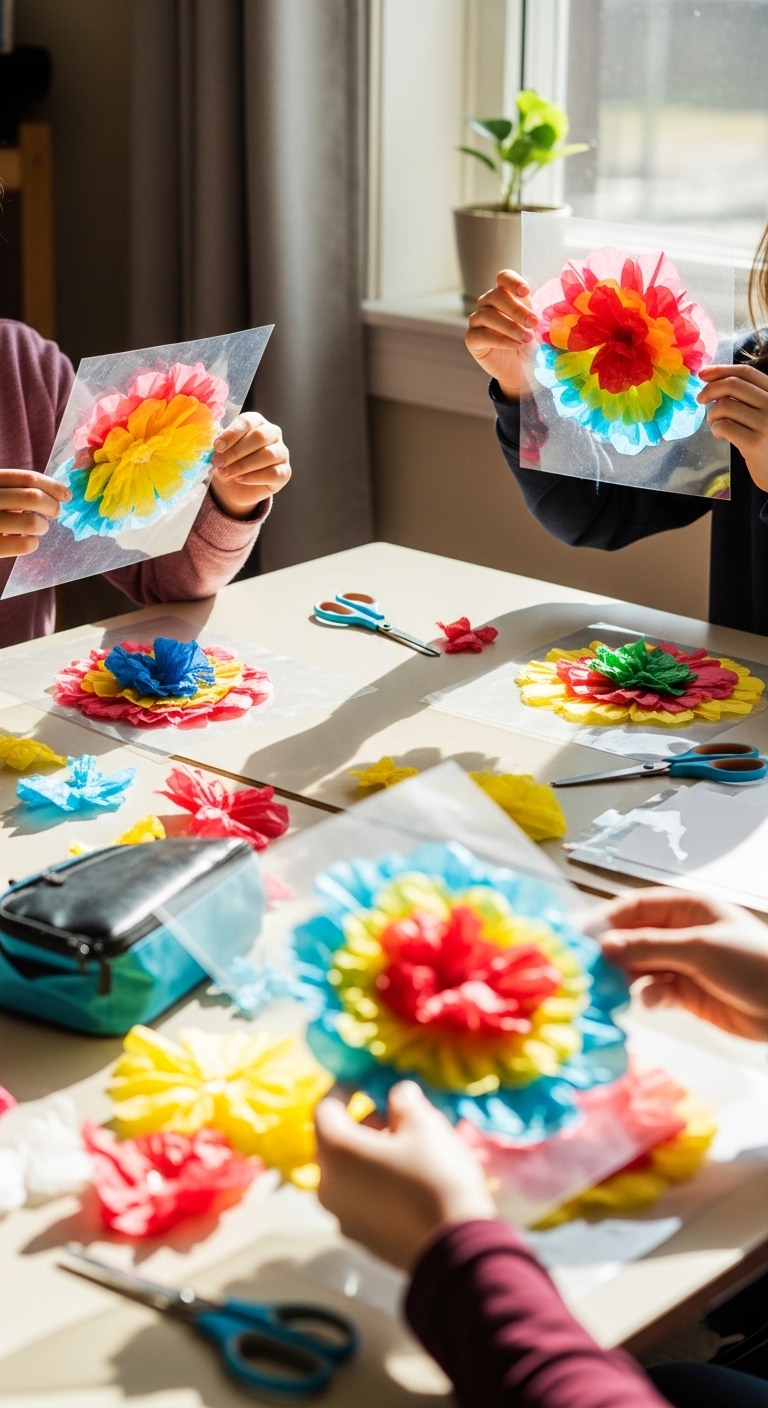
Layered Flower Sun Catchers are perfect when you want students to create something colorful without chaos. Unlike traditional painting or glitter crafts, this activity keeps hands busy, eyes focused, and the classroom calm.
Students get the satisfaction of seeing colors blend and layers build, all while practicing fine motor skills and patience.
Core materials needed:
Tissue paper, clear contact paper, cardstock frame, scissors
How it’s done:
Give each student a simple flower frame. Tear small pieces of tissue paper (tearing helps younger hands control size better than cutting).
Students layer the pieces inside the flower outline, overlapping colors to build depth. Once complete, seal with another sheet of contact paper. For younger kids, pre-cut the flower frames so they can focus on layering instead of struggling with scissors.
Skills Built:
Fine motor control, hand-eye coordination, color awareness, patience. Students also learn sequencing, placing pieces thoughtfully rather than randomly.
Why it works in classrooms:
The activity is slow, repetitive, and quiet. There’s no wet glue, no drying time, and no chaos, even active or distracted students stay engaged. It gives a tangible sense of accomplishment without the energy spike typical of messy crafts.
For inspiration on creating simple, visually pleasing arrangements on a budget, see these Simple DIY Baby Shower Centerpieces Under $20 ideas.
2. Nature-Inspired Texture Collages
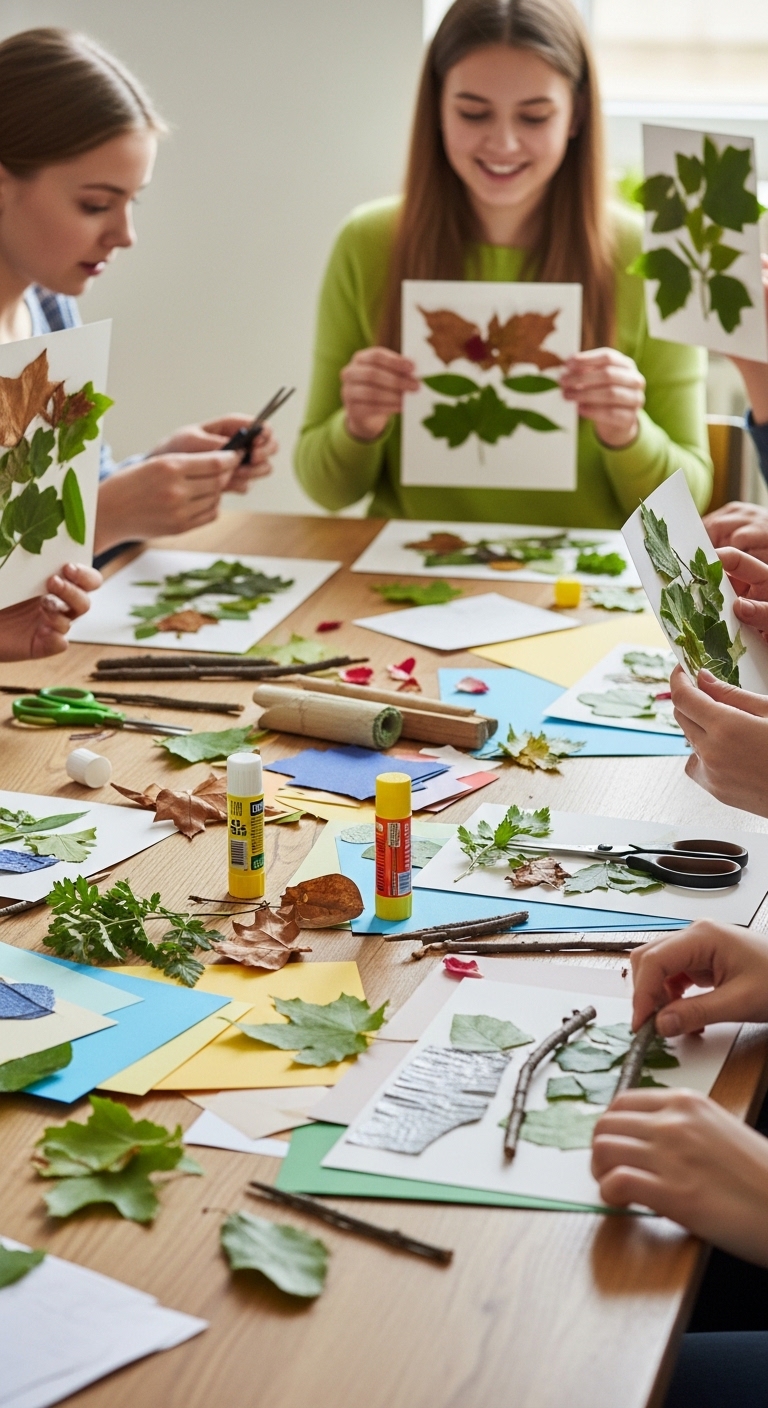
This craft brings the outdoors into the classroom in a calm, tactile way. Students explore textures and shapes of real leaves, petals, and twigs without the mess of glitter or paint.
Core materials needed:
Leaves, petals, twigs, cardstock, glue sticks
How it’s done:
Have students first arrange the materials on their cardstock before gluing anything down. Encourage them to notice size, shape, and color, then select the placement carefully. After planning, they glue each piece gently. Limiting the number of items per student helps maintain focus.
Skills built:
Observation, planning, visual organization, hand control, and decision-making.
Why it works in classrooms:
The natural materials slow down the pace of the activity, reducing impulsive behavior and keeping the class calm. Students engage thoughtfully, not just quickly finishing for the sake of it.
For more calm, confidence‑building creative activities for kids that focus on process over perfection, read- Farm Animal Crafts for Kids: Building Confidence and Creativity Beyond the Tutorial.
3. Spring Critter Origami
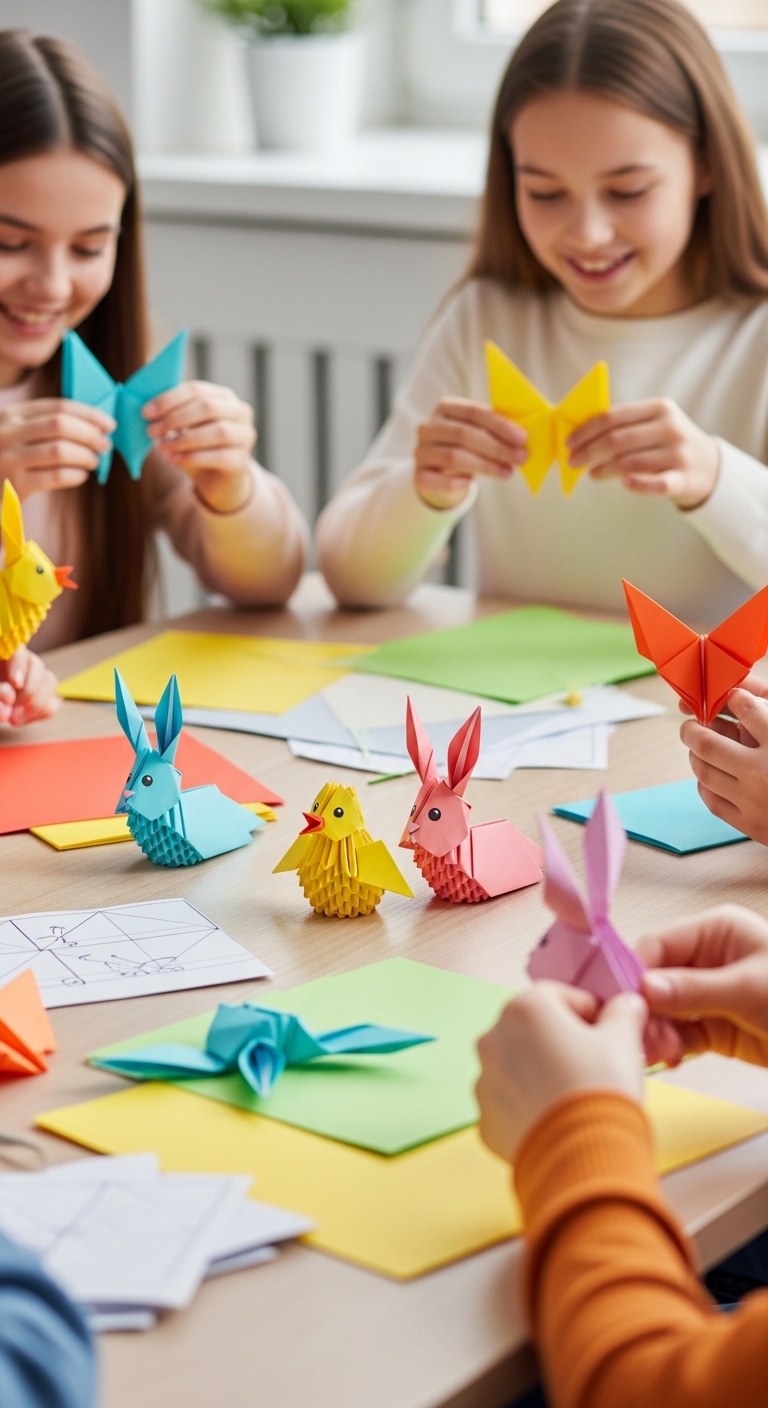
Origami adds structure without distraction. Students fold paper into simple critters like butterflies or frogs, creating something meaningful without overwhelming materials.
Core materials needed:
Square origami paper or standard square sheets
How it’s done:
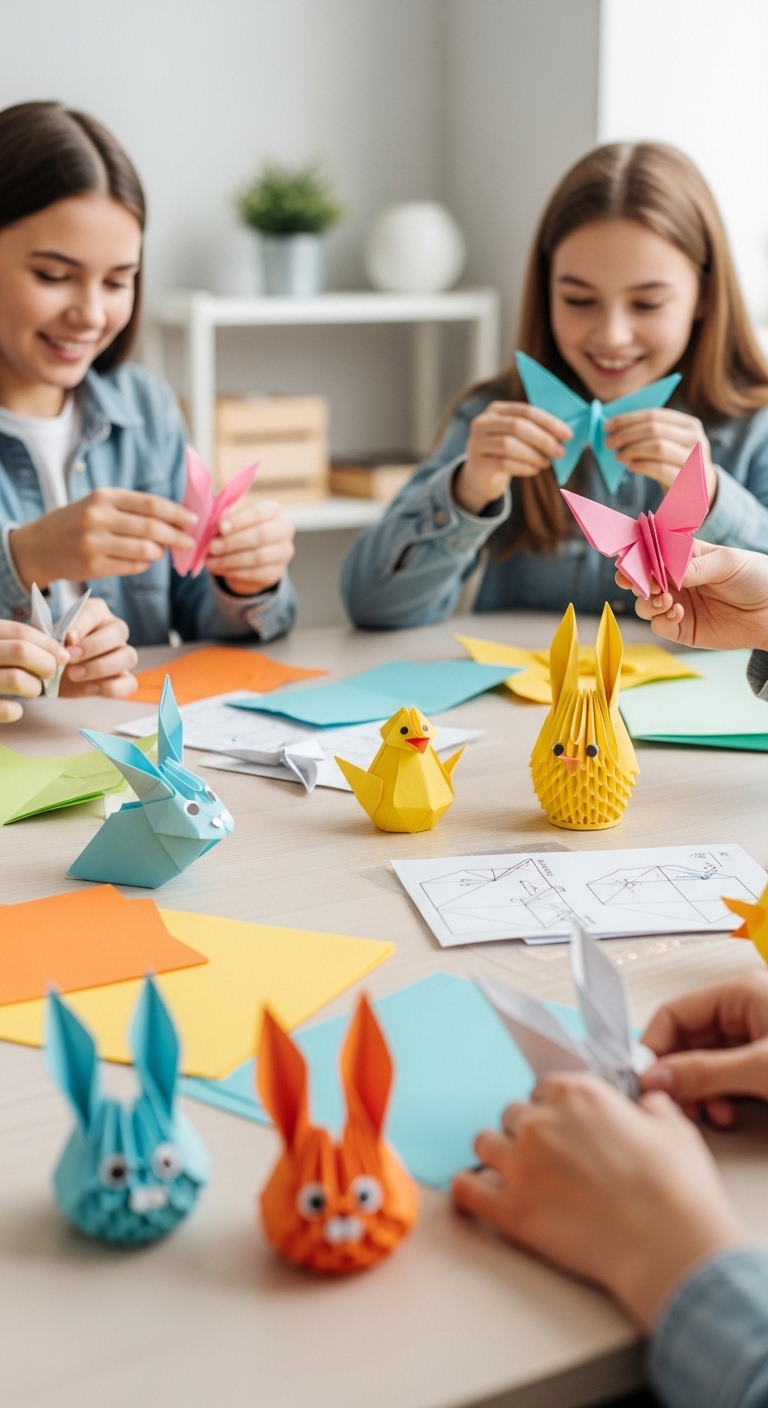
Model one fold at a time, letting students complete each step before moving on. Repeat as needed for those who fall behind. Focus on the sequence, not speed, and provide visual examples.
Skills Built:
Sequential thinking, fine motor skills, patience, and focus
Why it’s classroom friendly:
Everyone progresses together at the same rhythm, which minimizes chatter and off-task behavior. The clear, repeated steps naturally keep students engaged without chaos.
4. Soft Clay Seed Pots
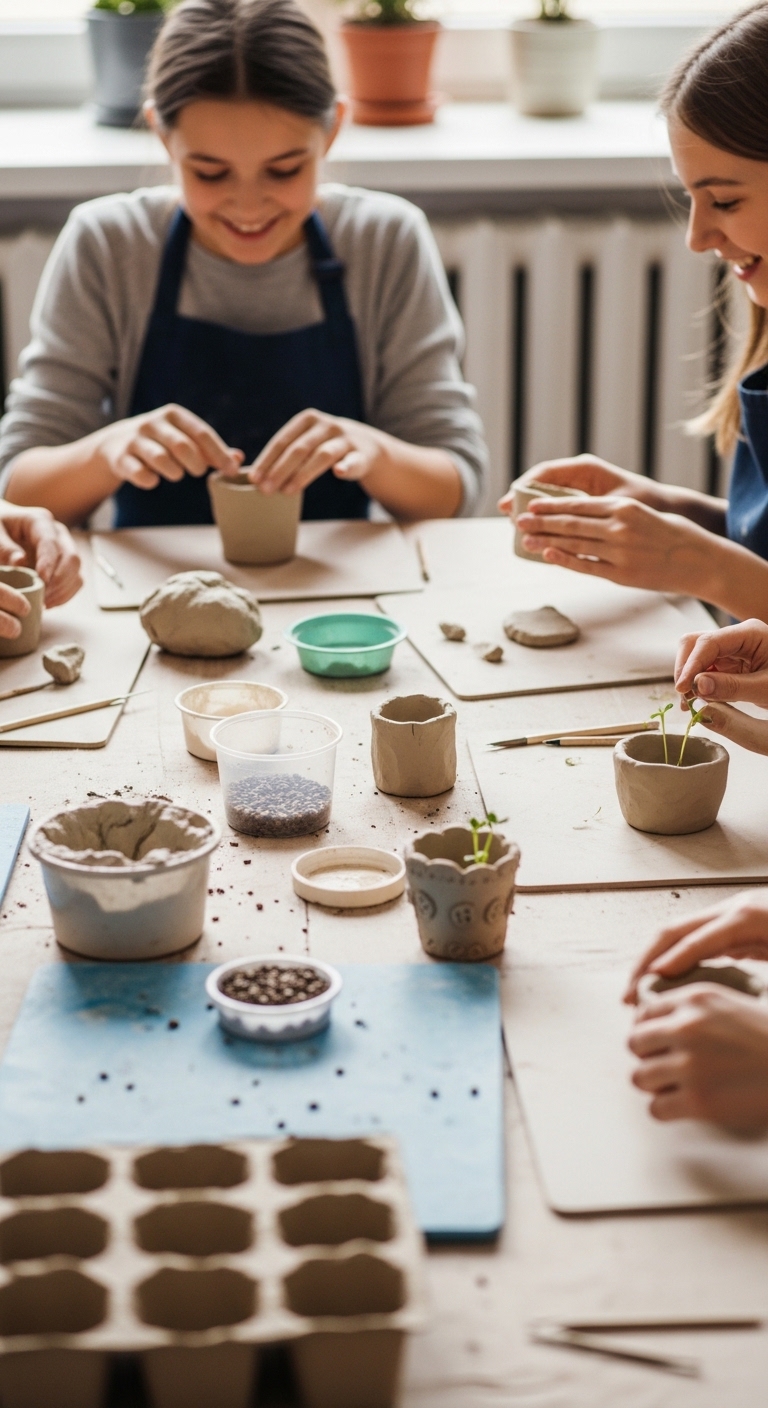
A calm, hands-on collage craft that also introduces cause-and-effect learning. Students create small pots they’ll later use to plant seeds, making the activity meaningful beyond the craft itself.
Core materials needed:
Air-dry clay, simple tools (pencil, leaf, or textured object), seeds
How it’s done:
Roll clay into a ball, press your thumb into the center, and slowly shape the walls of a pinch pot while rotating. Add gentle textures using pencils or leaves. Let dry before planting seeds. Keeping decoration minimal maintains focus on the shaping process.
Skills built:
Hand strength, fine motor control, patience, and understanding of cause-and-effect.
Why it’s classroom friendly:
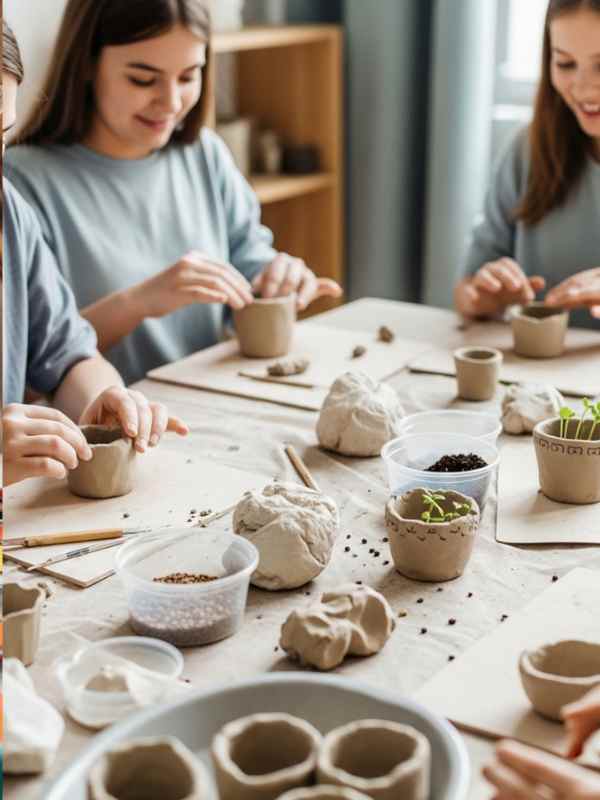 The pressing and shaping motion is grounding and repetitive. Students stay engaged, and the follow-up planting gives the craft purpose and connection to real-world learning.
Mindful crafting, like these DIY Housewarming Baskets New Homeowners Actually Love, shows how intentional design can make a big impact, the same principle applies to classroom projects.
5. Minimalist Rainbow Mobiles
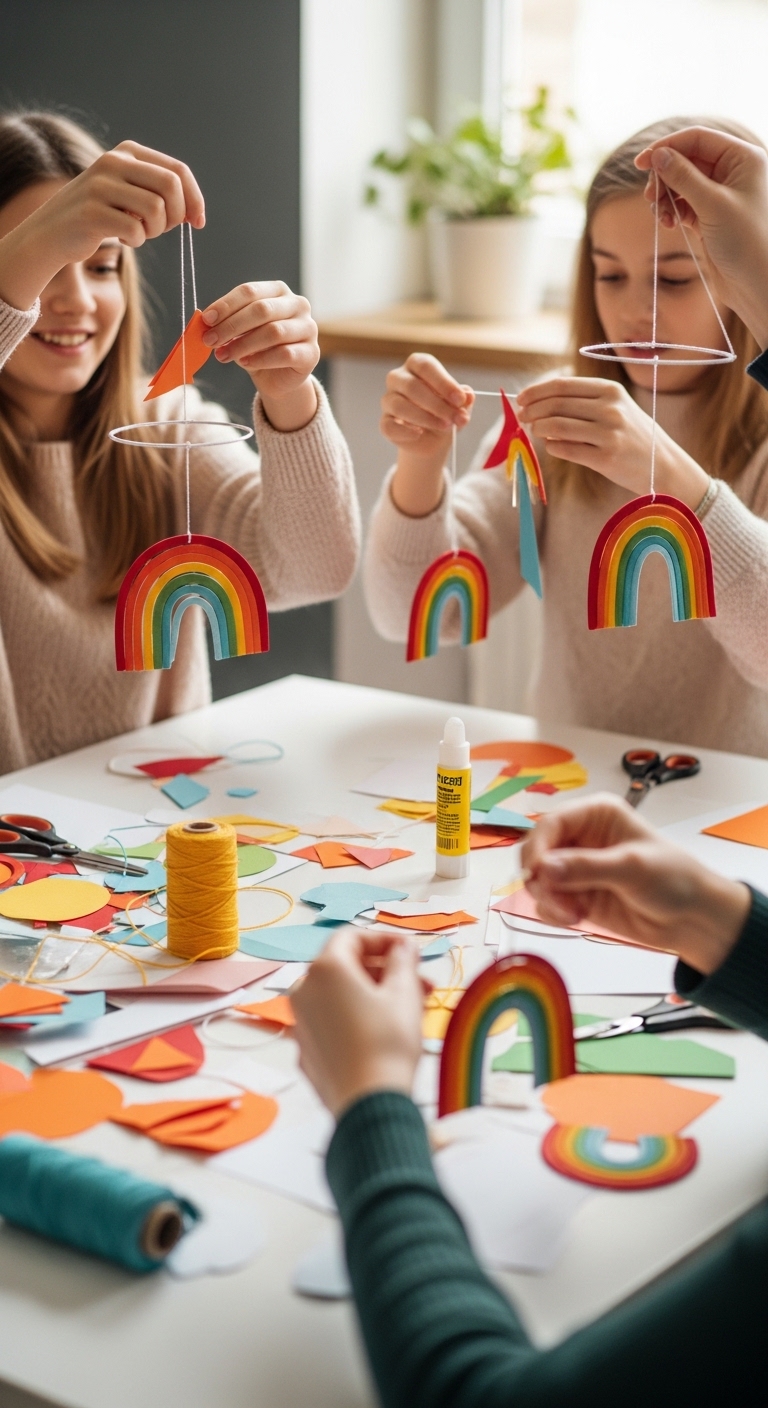
A visually soothing craft that teaches order and spacing. Students create rainbows with paper strips without the chaos of overdecorating.
Core materials:
Colored paper strips, string, wooden stick, hole punch
How it’s done:
Provide students with pre-sorted strips. Attach strips to a stick in order, letting students check spacing as they go. Encourage them to hold the mobile up midway to see balance before finishing.
Skills Built:
Sequencing, spatial awareness, self-correction, and visual organization
Why it’s classroom friendly:
The structured sequence keeps students calm and prevents overstimulation. Limited decisions make it easier to stay on task, and the finished mobile is neat and display-ready.
You might also enjoy these simple flower crafts that encourage creativity without pressure. See, Crafts to Make for Friends: Meaningful DIY Gift Ideas They’ll Actually Love
Tips for Managing Craft Time Without Chaos
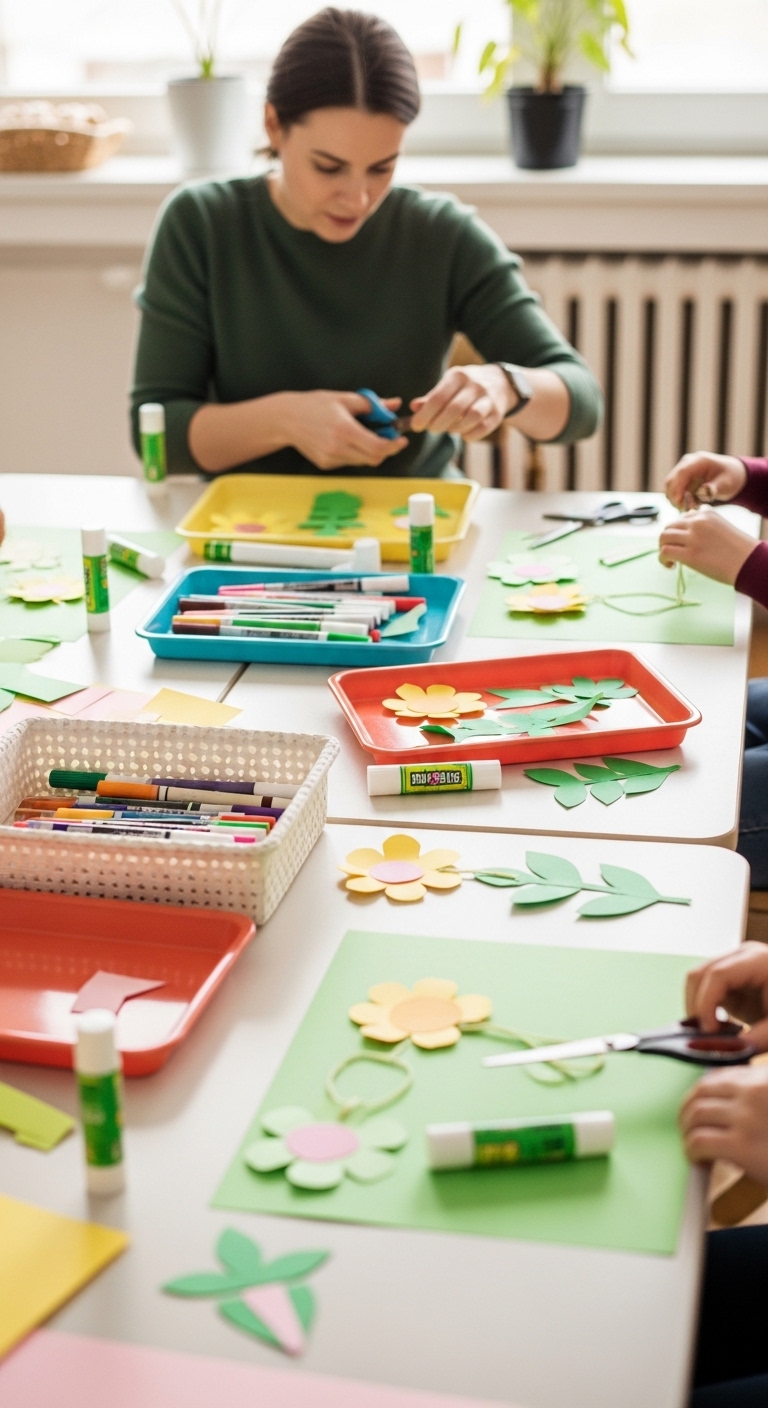
Managing craft time doesn’t have to be stressful. These tips help keep students focused, calm, and engaged while giving you control over the classroom flow.
Time-blocking: Limit each step of the craft to 10–15 minutes. Students stay engaged because tasks feel short and achievable, and it prevents energy from spiking mid-activity.
Clean stations in rotations: Instead of tackling the entire classroom at once, rotate groups through cleaning or resetting stations. Fewer visual distractions help students stay focused and reduce overstimulation.
Calm music or nature sounds: Background sound can subtly regulate energy. Soft music or nature sounds complement the crafting process and create a soothing environment, even during more active tasks.
By using these strategies, crafting stays productive, students remain focused, and the classroom energy stays balanced , making even multi-step spring crafts for the classroom manageable and enjoyable.
For hands-on spring activities beyond crafts, these calm, mess-friendly 7 Spring Baking Ideas for Kids That Feel Playful, Calm, and Mess-Friendly can complement your classroom projects
Conclusion
Calm, minimal crafts are often more impactful than flashy, over-the-top projects. When students aren’t overstimulated, they can focus better, practice fine motor skills, and engage in meaningful learning, all while enjoying the creative process.
Sensory-friendly spring crafts for the classroom don’t just produce pretty results; they support emotional regulation and help students feel successful without chaos.
Try one of these crafts in your classroom and notice the difference — calmer students, smoother transitions, and deeper engagement. Small changes in craft design can make a big difference in the day-to-day classroom experience.