
This post contains affiliate links. This means I may earn a small commission if you purchase through my links at no extra cost to you.
What can keep everyone laughing until midnight? These family New Year’s Eve party games bring kids and adults together for a fun celebration.
There is something special about gathering with family on the final evening of the year. It is a chance to enjoy one another’s company, share stories from the months gone by and welcome the possibilities of a new year.
But a family celebration becomes even more enjoyable when everyone has something fun to participate in, rather than spending the evening in separate corners of the house.
That is where a little friendly competition can make a difference. A challenge to remember an old family moment, a ridiculous guessing game or an unexpected contest can get even the quietest relatives joining in. And nobody needs to be particularly good at games to enjoy the laughter that follows.
These 15 family New Year’s Eve party games that will keep everyone laughing until midnight offer fun ways to bring different generations together, with activities that can be enjoyed at home using simple supplies.
Whether the celebration includes children, teenagers, parents or grandparents, there is something to make the wait for a new year more enjoyable.
Thoughtful gifts can make the New Year feel more special, and 15 DIY New Year Gift Boxes for Best Friends That Feel Personal and Thoughtful shares creative ways to put together a meaningful gift for someone close to you.
What to Consider When Choosing New Year’s Eve Games for the Family

Choosing games for a family New Year’s Eve party involves more than finding activities that sound entertaining.
A game that works well for a group of adults may be difficult for young children to follow, while an activity that requires everyone to perform in front of the group may not appeal to relatives who prefer quieter ways of participating.
Since family celebrations often bring together people of different ages, interests and personalities, it helps to think about who will be playing before deciding which games to include.
✓ Consider the ages and abilities of the players:
Not every family member will have the same reading ability, attention span, physical mobility or familiarity with certain games.
For example, a word puzzle with complicated clues may be suitable for teenagers and adults but frustrating for younger children.
You can make it more inclusive by using picture clues, simplifying instructions or putting younger players on teams with older relatives.
For activities involving movement, provide an alternative way to participate so that someone who cannot comfortably move around can still enjoy the game.
✓ Allow room for different personalities:
Some people enjoy acting, singing and making jokes in front of others, while others would rather solve a puzzle, draw a picture or help their team work out an answer.
A family party should not make participation feel like a performance test. Include a mixture of activities so that outgoing relatives have opportunities to entertain the group, while quieter family members can contribute without being put under pressure.
It is also worth allowing players to pass on a particular challenge without making them feel uncomfortable.
✓ Choose games with manageable playing times:
A game may sound interesting but become less enjoyable when the instructions are lengthy, the rounds drag on or players have to wait too long for their turn.
Before the party, decide how many rounds you want to play and explain the rules clearly.
For a larger family, divide everyone into smaller teams or let several people play at once. Short activities are particularly useful on New Year’s Eve because guests will also want time to eat, talk, take photographs and enjoy other parts of the celebration.
✓ Make room for the midnight countdown
The games should complement the celebration, not take over the entire evening. Avoid starting a lengthy competition so close to midnight that everyone has to abandon it when the countdown begins.
Instead, choose a suitable stopping point for the last game, allow time to clear the playing area and gather everyone together.
This also gives family members an opportunity to prepare their drinks, take photographs or make any other arrangements for welcoming the new year.
✓ Think about the space and supplies available:
Your choice of games should reflect the room you have and the number of people attending.
A photograph guessing challenge, drawing activity or mystery object game can work around a dining table, whereas a wrapping competition may need more floor or table space.
Check that there is enough room for players to move safely, particularly when children and older relatives are participating. Also, gather the required supplies beforehand rather than interrupting a game to search for paper, pens, tape or other materials.
A little preparation makes it easier to choose games that fit the family rather than expecting everyone to adjust to activities that may not suit them.
You do not have to play every game available; a handful of well-chosen activities, with enough time for conversation and refreshments, can make a much more enjoyable New Year’s Eve celebration.
Families who want to include faith in their New Year celebrations can explore 15 New Year’s Bible Crafts for Kids to Celebrate Faith and New Beginnings for child-friendly activities with a Christian focus.
Family New Year’s Eve Party Games
1. Guess the Month: A Family Photo Timeline Challenge

Family photographs can bring back memories that people remember differently, making them a lovely starting point for a New Year’s Eve game.
For this challenge, gather pictures taken throughout the year and ask everyone to work out when each one was taken.
A photograph from a birthday celebration, a family visit, a school event or an ordinary day at home might seem easy to place at first, but details such as clothing, decorations, weather and the people present can make the guesses more interesting.
How to play:
- Select 10–15 photographs taken at different points during the year. Choose pictures from several months rather than gathering most of them from one event or season.
- Display one photograph at a time on a television, laptop or phone. For a smaller group, printed photographs can be passed around instead.
- Give each player or team a little time to write down the month they believe the photograph was taken. Players should keep their answers private until everyone has made a guess.
- Reveal the correct month and award one point to each player or team that gets it right. For an added challenge, ask everyone to arrange printed photographs in the order they were taken.
- Continue until all the selected photographs have been shown, then add up the scores to find the winner.
Make the challenge more interesting: Don’t reveal the event or location immediately. Let players study the photograph and explain what clues helped them make their guesses.
Someone might recognise the decorations from a birthday, remember what the family wore during a particular outing or identify a relative who visited during the holidays. These little discussions can make the game enjoyable even for people who don’t get the answers right.
What to prepare: 10–15 family photographs, a phone, television or laptop for displaying them, and paper and pens for recording answers.
Check the dates before the game begins so that the answers are accurate.
Where a photograph’s exact date is uncertain, use pictures with a clearly identifiable month or accept a reasonable answer rather than turning the challenge into an argument.
2. The Family Newsroom: Turn Ridiculous Situations Into Breaking News
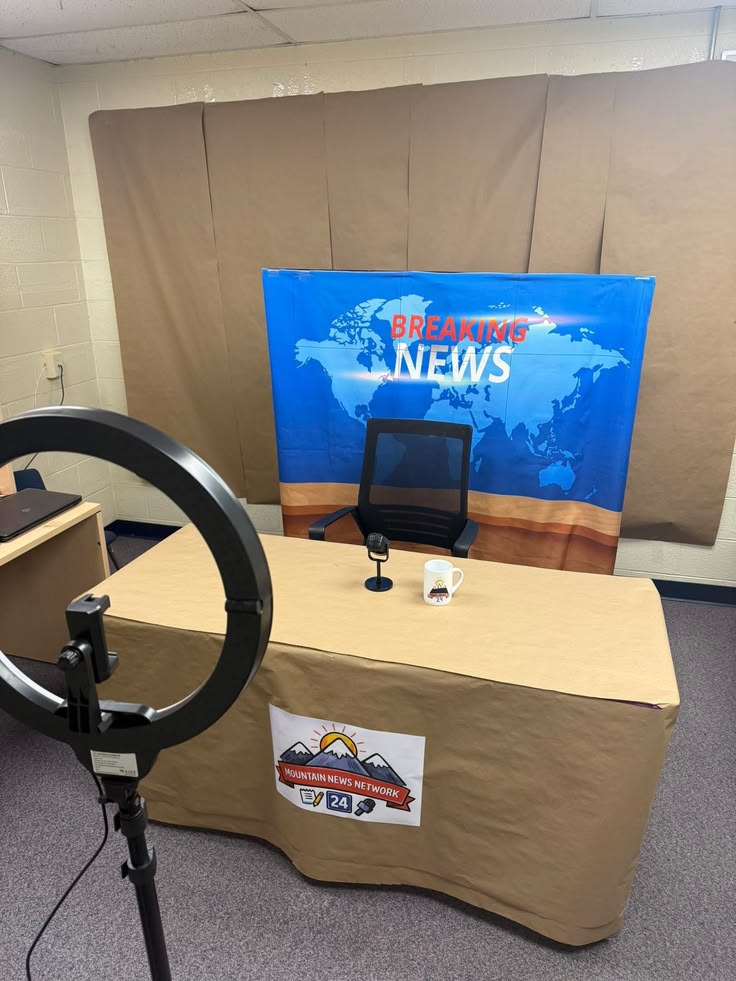
A family New Year’s Eve party game becomes more entertaining when players have to think quickly and work together.
In this activity, each team becomes a television news crew reporting on an unusual event. The aim is to make an ordinary or completely imaginary situation sound like an important news story, complete with a presenter, eyewitness accounts and dramatic reporting.
How to play:
- Divide the family into small teams of three or four people, depending on the number of guests.
- Prepare prompt cards with unusual situations. Each team picks one card without seeing the others.
- Give the teams about two minutes to plan their broadcast. They should decide on a headline, choose a news presenter and assign roles such as field reporter, eyewitness or studio guest.
- Allow each team 60–90 seconds to present its breaking news story. Encourage them to include a short introduction, an explanation of what happened and at least one eyewitness account.
- After all the presentations, let the family vote for categories such as funniest report, most convincing broadcast or best headline.
News prompts to try:
- Breaking news: The family dog has been appointed head of the household for the coming year.
- Local report: Someone has eaten the last piece of Christmas cake, and the investigation is underway.
- Special announcement: The youngest child has declared a new rule that every family member must follow.
- Weather update: A sudden shower of sweets has interrupted preparations for the New Year’s celebration.
How to include younger players: Children who are not comfortable presenting can create the headlines, hold the prompt card, make sound effects or act as eyewitnesses. Older relatives can take the presenter or reporter roles.
This gives everyone a way to contribute without requiring the same level of confidence or speaking ability.
What to prepare: Written prompt cards, a timer and an optional toy microphone. A phone can also be used as a pretend news camera, but no recording is necessary.
3. The Mystery Voice Challenge: Can the Family Recognise the Speaker?

People often recognise familiar voices without seeing the person speaking, but certain changes in tone and delivery can make identification less straightforward.
This makes the mystery voice challenge a fun addition to family New Year’s Eve party games, particularly when relatives have spent a lot of time together and are familiar with one another’s voices.
How to play:
- Ask willing family members to record themselves saying the same short sentence, such as “Happy New Year, everybody!”
- Save the recordings with numbers rather than names so the speaker’s identity remains hidden.
- Play each recording through a phone or speaker while everyone listens carefully.
- Give players time to write down the name of the person they believe is speaking.
- Reveal the speakers after each round and award one point for every correct answer. The player with the highest score at the end wins.
Add another round: Ask volunteers to record the same sentence using different expressions, such as excitement, surprise, sleepiness or a serious newsreader’s voice. Players must still identify the speaker.
Keep the sentence and recording length consistent so that everyone has a fair chance of recognising the voice.
What to prepare: A phone for recording and playing the clips, a speaker if the room is large, and paper and pens for answers.
Ask permission before recording anyone, and let participants decide whether their clips can be played to the group. Anyone who prefers not to be recorded can simply join as a guesser.
4. What’s Missing From the Party Tray? A Family Observation Game
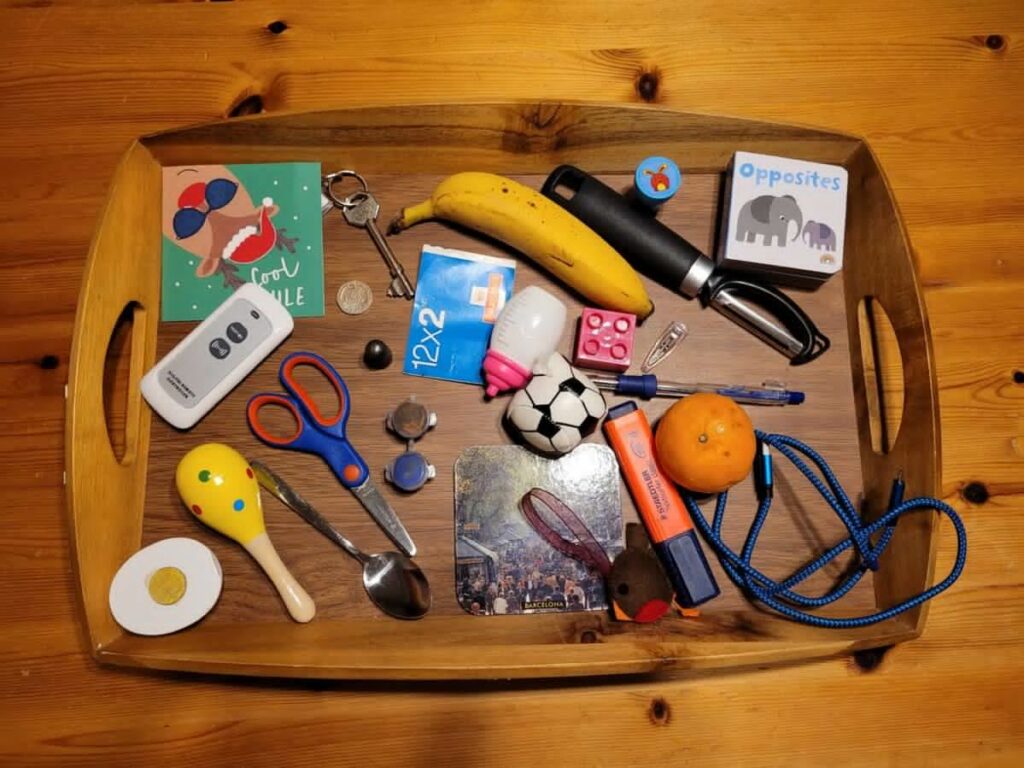
This is one of the easier family New Year’s Eve party games to organise because it needs little preparation and can be played while everyone is seated around a table.
It tests how carefully players observe and remember a collection of objects. The challenge is simple: study the tray, look away and work out which item has disappeared.
How to play:
- Arrange 10–12 familiar objects on a tray. These could include a spoon, key, party hat, ribbon, toy, paper clip, cup or unopened packet of biscuits.
- Give everyone about 30 seconds to study the objects. Ask players not to touch or move anything.
- Cover the tray with a cloth and quietly remove one object.
- Uncover the tray and give everyone a short time to identify what is missing.
- Players write down their answers before revealing the missing item. Award one point for each correct answer.
- For another round, remove two objects or rearrange the remaining items before covering the tray.
Make the game more challenging: Instead of removing an object, change the position of two items. Players must identify what has moved. Another option is to let everyone study the tray for a shorter period, making the observation task a little harder.
How to make it suitable for different ages: Use familiar, recognisable objects for younger children and introduce more similar-looking items for older players.
Family members who find writing difficult can give their answers aloud after everyone has had a chance to think.
What to prepare: A tray, a cloth and 10–12 safe household or party objects. Avoid sharp objects, fragile items and small pieces that could pose a choking risk to young children.
Keep the objects on a stable surface where everyone can see them.
5. Sell This Completely Useless Invention: A Funny Family Sales Pitch

This game gives everyone an opportunity to be creative by turning an ordinary object into an imaginary product that nobody knew they needed.
It works particularly well when family members enjoy humour and spontaneous ideas. The funniest part is listening to someone confidently explain why a completely ordinary household item is an extraordinary invention.
How to play:
- Collect a selection of safe household objects and place them in a basket or box. Choose items with different shapes and possible uses, such as a wooden spoon, empty plastic container, clean sock, cardboard tube or clothes peg.
- Let each player pick one object without looking inside the basket.
- Give the player one minute to invent a completely different purpose for the object. They should think of a product name, the problem it supposedly solves and one reason someone should buy it.
- Allow each person 30–60 seconds to present their sales pitch to the family.
- After everyone has presented, let the group vote for the funniest invention, most creative product name or most convincing sales pitch.
Example: Someone who picks up a wooden spoon could introduce it as a remote control for managing stubborn household members.
The presenter might claim that one tap makes everyone tidy their rooms, wash their plates or stop arguing over the television.
Give players a little more direction: For a more structured round, ask each person to include three things in the presentation: the product’s name, the unusual problem it solves and a short demonstration of how it works.
This helps younger players who may need an idea to get started. They can also work with an older relative rather than present alone.
What to prepare: A basket of harmless household objects and a timer. Avoid electrical appliances, sharp tools, breakable items or anything that could cause injury during a demonstration. A toy microphone or pretend money can be added, but neither is necessary.
A craft night can be a fun way to welcome the year with friends, and 20 New Year’s Eve Craft Night Party Ideas for Adults Who Want a Real Grown-Up NYE offers ideas for planning an enjoyable evening.
6. Draw What You Hear: Can You Follow the Instructions?
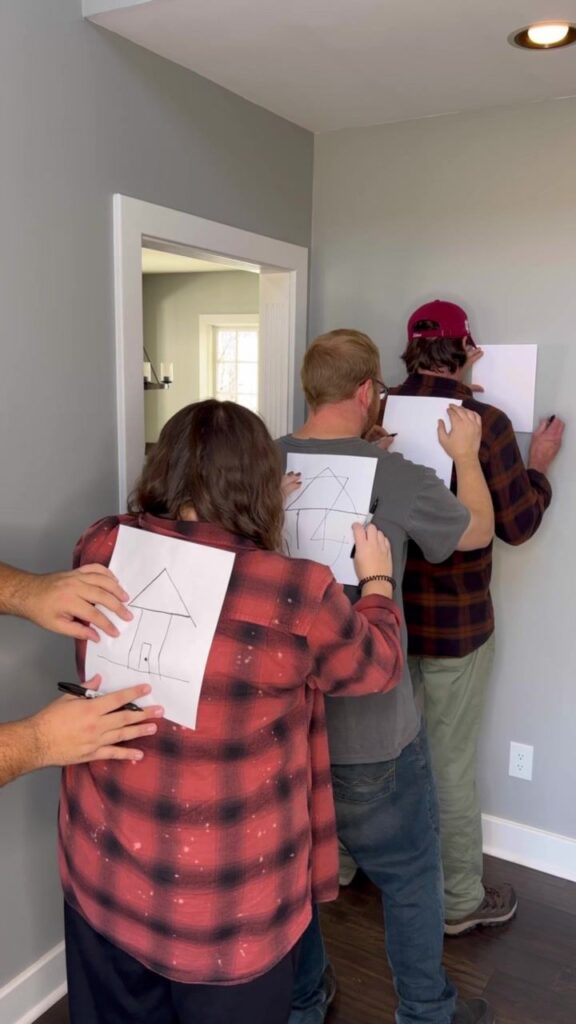
This drawing challenge is about how well one person can explain a picture and how accurately another person can follow those instructions.
The person drawing cannot see the original image, so they must rely entirely on the description. It is a good option for a family party because artistic ability is not the main requirement; the challenge is communicating clearly and listening carefully.
How to play:
- Divide everyone into pairs. Give each pair a sheet of paper and a pencil or marker.
- Give one person a simple printed picture or drawing. The other person must not see it.
- The person holding the picture describes what is on it, giving directions about shapes, positions, sizes and details without naming the main objects directly.
- Their partner draws what they understand from the description. The person giving instructions should not point, gesture towards the paper or look at the drawing while it is being made.
- After two or three minutes, let everyone stop drawing and reveal the original pictures. Compare each drawing with its reference image.
An example to use: Give one player a picture of a house with a triangular roof, two square windows, a crooked chimney and a cat sitting on the roof.
They might describe it by saying, “Draw a large square in the middle of your paper. Put a triangle on top of it, then add two small squares inside the larger shape.” They can continue with the chimney and cat without saying what the picture represents.
How to make the challenge fair: Choose pictures with a manageable number of details. A complicated illustration can make the game frustrating, especially for younger children.
Also, agree that the person describing the image can repeat an instruction but cannot show the picture or correct the drawing while the round is in progress.
Award a point for each correctly placed detail rather than judging the drawing on artistic quality.
What to prepare: Printed pictures with simple shapes and objects, plain paper, pencils or markers, and a timer.
7. The Mystery Bag Description Game: Guess the Object by Touch
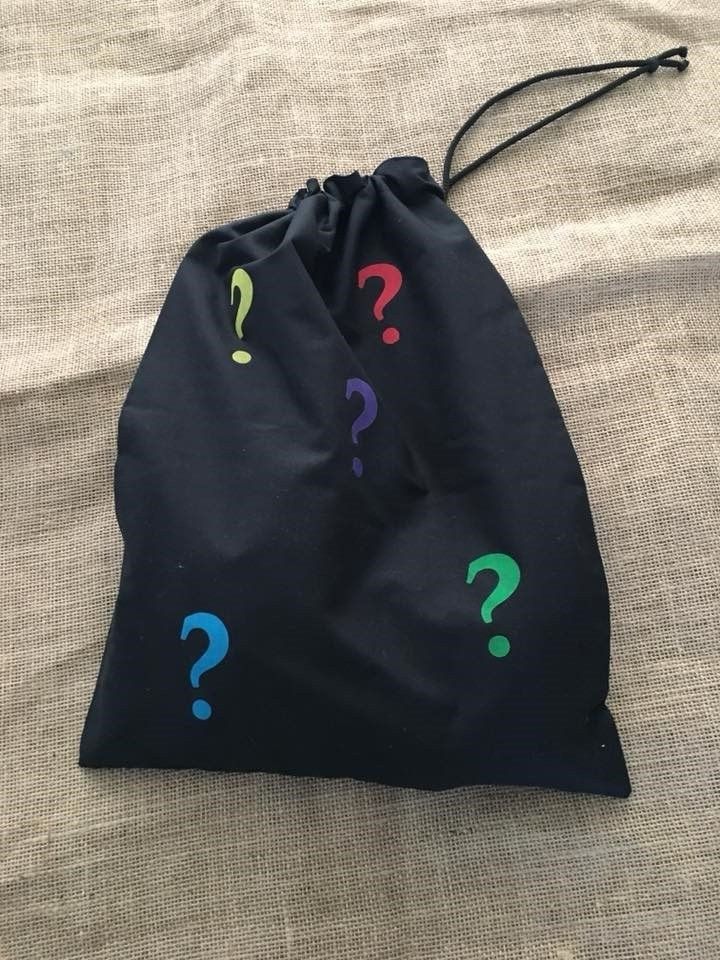
This game challenges players to identify familiar objects without seeing them.
Instead of reaching into a bag and immediately naming whatever they touch, the player must describe its shape, texture, size or other physical features while the rest of the family tries to guess.
It is a simple indoor activity that can be played around a table.
How to play:
- Place six to ten familiar objects inside an opaque bag. Make sure the objects are clean, safe to handle and different enough to be recognised by touch.
- Invite one player to reach inside without looking. They should choose one object but keep it inside the bag.
- Give the player about 20 seconds to describe what they can feel. They can mention whether it is soft, hard, smooth, rough, round, long or flexible, but they must not say its name.
- The other players take turns guessing the object. Alternatively, everyone can write down an answer before the reveal.
- Remove the object from the bag to confirm the answer. Award a point to the first person who guesses correctly, then move on to another object.
Objects to put in the bag: A clean sponge, a wooden spoon, a large plastic comb, a tennis ball, a rolled-up pair of socks, a measuring tape or a soft washcloth. Choose items that have recognisable textures and shapes rather than objects that feel almost identical.
Make the guessing more interesting: Give each player only one guess per round. This encourages people to listen to the description instead of calling out several possibilities. For younger children, allow a few extra clues or let them play alongside an older family member.
What to prepare: An opaque cloth bag and a selection of clean, familiar objects. Avoid sharp tools, glass, hot items, small pieces that could be swallowed, or anything with an unsafe edge.
Do not use food or personal-care items that could cause an allergy or hygiene concern.
8. The Wrong Answer Interview: Give the Funniest Incorrect Response
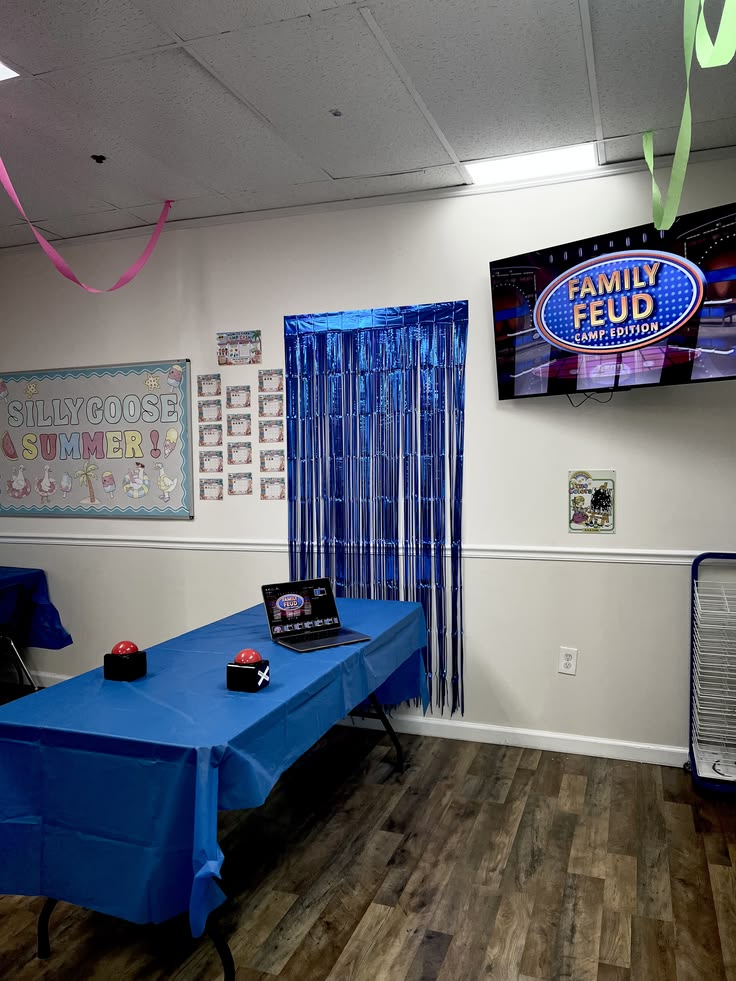
In this quick-response game, players must answer ordinary questions with answers that are clearly wrong.
The challenge is to think of something unexpected without repeating what another person has already said. It works best when the questions are familiar enough for children and adults to understand, leaving room for creative answers rather than difficult general knowledge.
How to play:
- Choose one person to act as the interviewer. Prepare a list of simple everyday questions before the game begins.
- Ask one question at a time, giving each player about five seconds to respond.
- Every answer must be incorrect but still make sense as a funny response. For example, when asked, “What do people use a refrigerator for?” a player might answer, “To keep their shoes cold before going out.”
- Players cannot repeat an answer that has already been given during that round.
- Award one point for each original answer that follows the rule. Continue for a set number of questions, then let another person become the interviewer.
Questions to get the game started:
- What should someone pack for a holiday?
- What is a toothbrush used for?
- What do people normally eat for breakfast?
- Why do people wear shoes?
- What would happen if the television started talking?
- What is the most unusual thing to keep in a school bag?
A useful variation for younger children: Instead of eliminating anyone who takes too long or repeats an answer, give everyone a chance to try again with a different question.
This keeps the game relaxed and allows children who need more thinking time to participate. For older players, introduce a five-second limit to make the responses more spontaneous.
What to prepare: A list of everyday questions and a timer or stopwatch. No special equipment is required.
9. The Impossible Gift-Wrapping Challenge: Wrap an Awkward Object
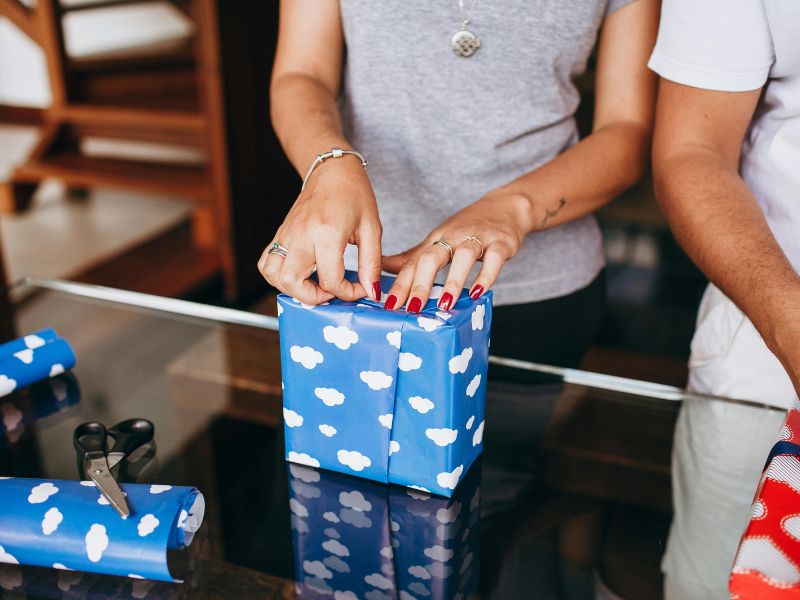
Gift wrapping is usually easier when the present comes in a neat rectangular box. This challenge removes that advantage by giving everyone an awkward-shaped object to wrap.
Players must work with the same materials and time limit to produce a package that stays together.
It is a practical choice among New Year’s Eve games because the supplies are easy to find, especially during the Christmas season.
How to play:
- Choose a few safe objects with different shapes, such as a ball, a large plastic spoon or a soft stuffed toy.
- Divide the family into individuals or small teams. Give each participant the same amount of wrapping paper and tape.
- Demonstrate the rules before starting. Players may fold, cut and tape the paper, but they must wrap the entire object without placing it inside a box or bag.
- Set a time limit of three to five minutes, depending on the size and shape of the objects.
- When time is up, inspect the packages. Give points for neatness, how well the paper covers the object and whether the wrapping stays together when gently lifted.
How to keep the competition fair: Give everyone objects of similar difficulty, or let each player choose from the same selection.
A ball, for example, is harder to wrap neatly than a rectangular box because the paper has no flat corners to follow. For a family with younger children, allow extra time or let an adult and child work as a team.
What to prepare: Wrapping paper, sticky tape, safety scissors and awkward-shaped objects without sharp edges.
Prepare individual paper and tape portions before the game so nobody has to compete for supplies halfway through a round. Reusable gift bags or scrap paper can also be used to reduce waste.
Setting goals for a new year can feel more engaging with a creative activity, so take a look at DIY Vision Board Crafts for New Year Goals for ideas to put your plans and aspirations on paper.
10. Decode the Family Emoji Story: What Does This Combination Mean?
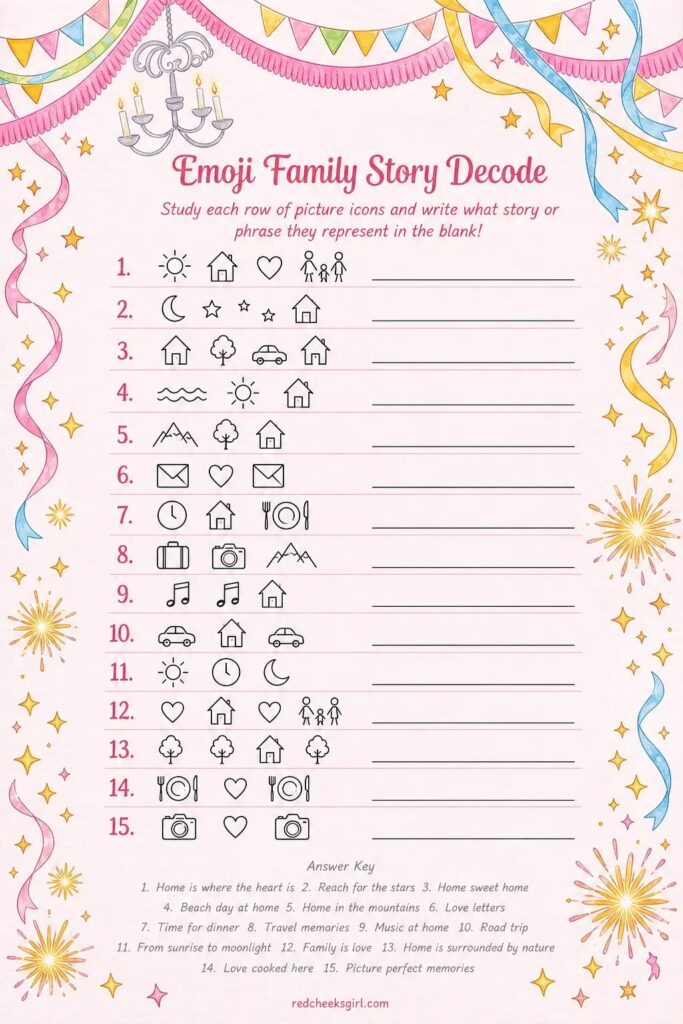
Most people recognise common emojis, but interpreting a group of them as one event or message requires a little more thought. In this game, players use emoji clues to identify familiar family occasions, everyday situations or shared memories.
It can be played on a phone or with printed cards, making it suitable for a group that wants a quieter activity between more energetic games.
How to play:
- Prepare cards containing three to six emojis that represent a particular event, activity or saying. Write the intended answer on the back of each card so the host can check guesses.
- Show one emoji combination to the group without revealing the answer.
- Give players about 20–30 seconds to work out what the emojis represent.
- Let everyone write down their guesses before the answer is revealed. Award one point for each correct answer.
- Continue with the remaining cards and add up the points at the end.
Example clues to try:
- 🎂 🎈 🎁 📸 — A birthday celebration.
- 🚗 🧳 🛣️ 🥪 — A family road trip.
- 🍿 📺 👨👩👧👦 — A family movie night.
- 🎄 🎁 👨👩👧👦 — Opening Christmas presents together.
Include family memories carefully: A clue about a particular family holiday or celebration can make the game more personal, but make sure the people playing know the event being represented. A photograph of a family outing or a familiar saying can help when creating these clues. Mix personal memories with general clues so relatives who were not present at every event can still score points.
What to prepare: Printed emoji cards or a phone or laptop for displaying the clues, plus paper and pens if players will write their answers.
Test each clue beforehand to make sure it has a reasonably clear answer rather than several equally possible interpretations.
11. The Family Sound Effects Challenge: Bring a Story to Life
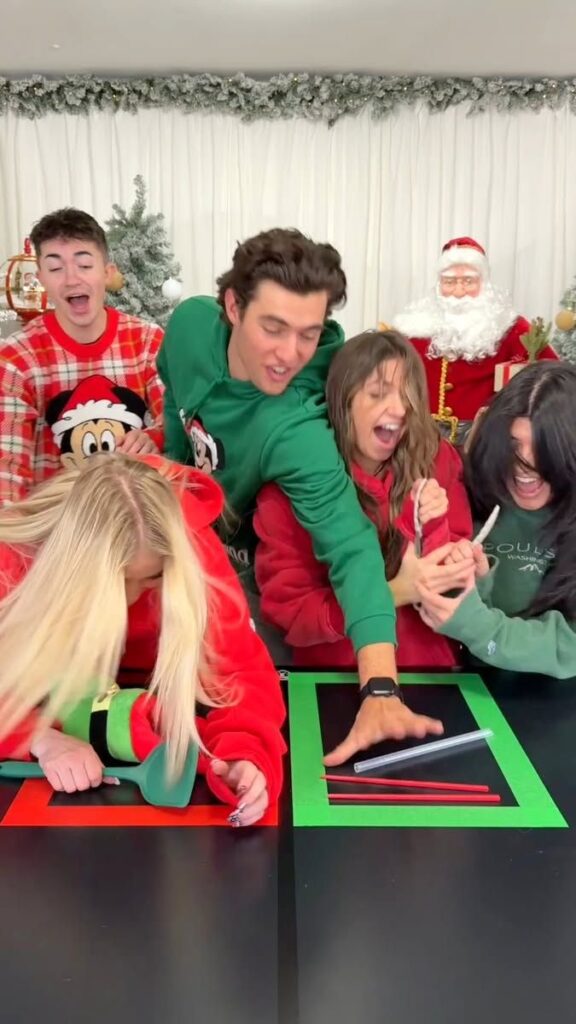
This activity combines storytelling with sound effects. One person tells a short story while the other players make sounds to match the events being described.
The storyteller must continue speaking while the sound team listens for the right moments to contribute. It is a useful group activity for children and adults because participants can take different roles without needing to memorise a script.
How to play:
- Divide everyone into small groups. Each group chooses one storyteller, while the remaining players provide the sound effects.
- Give the storyteller a simple scenario, such as a family road trip, a visit to the market, a rainy afternoon or a morning when everything goes wrong.
- Allow about one minute for the storyteller to plan a short story with a beginning, a few events and an ending.
- The sound team listens and adds suitable sounds at the appropriate moments. They can use their voices, clap, tap the table gently or make other safe sounds.
- The storyteller must continue the story without stopping to direct every sound. After the first performance, swap roles so another family member gets a turn.
Example scenario: The storyteller describes a family setting off on a road trip. As the story begins, one player makes the sound of a car engine starting.
Another imitates a car horn, while someone else makes a barking sound when the family supposedly passes a dog. When the storyteller mentions heavy rain, the group can tap their fingers gently on the table to imitate raindrops.
Give the sound team clear boundaries: The aim is to support the story, not drown out the storyteller. Ask players to keep their sounds short and wait for a suitable moment rather than making noise continuously.
For younger children, choose familiar scenarios and let them practise a few sounds before the story starts.
What to prepare: A few scenario cards. No special equipment is needed, although household items such as a paper sheet or an empty plastic container can be used to create gentle sound effects.
Avoid loud noises close to anyone’s ears or sounds that could disturb other guests.
12. The Secret Family Mission: Complete Your Task Without Being Caught
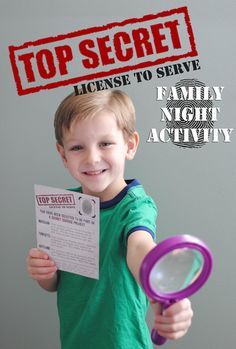
Not every game during a New Year’s Eve celebration has to stop everyone from eating, chatting or moving around. This one runs quietly in the background while the party continues.
Each person receives a secret task to complete during the evening without making it obvious that they are playing a game. The fun comes when everyone later discovers what the others were trying to do.
How to play:
- Write a different harmless task on each card. Prepare enough cards for everyone who wants to participate.
- Fold the cards and place them in a bowl. Each player picks one without showing anyone else.
- Give everyone a set period, such as 30–45 minutes, to complete their mission while the family socialises.
- Players should carry out their tasks naturally without announcing what they are doing or forcing anyone to participate.
- At the agreed time, ask everyone to reveal their missions. The group can then guess who completed each task successfully.
Secret missions to try:
- Get three people to say “Happy New Year” before midnight.
- Persuade someone to take a group photograph.
- Get another person to mention their favourite meal.
- Make someone tell a story about a memorable family celebration.
- Get two relatives to sing a few lines of a familiar song.
- Encourage someone to share one thing they are looking forward to in the new year.
How to make the game work: Give each person a task that is possible to complete during the celebration. Avoid missions that depend on someone behaving in a particular way or agreeing to something they do not want to do.
For younger children, use simple tasks such as getting someone to say their favourite colour or asking a relative to join a photograph. Players who do not complete their missions can still reveal what they were assigned.
What to prepare: Secret mission cards and a bowl or container for drawing them. Keep the tasks friendly, respectful and suitable for everyone attending.
Do not include missions involving personal belongings, private information, embarrassing situations or deliberate interruptions.
13. Build the Story, One Sentence at a Time: A Family Storytelling Game

This is a simple group storytelling activity in which every player contributes one sentence to a shared story.
Nobody knows exactly where the plot will go because each person must continue from the sentence that came before.
It can be played around the dining table, making it useful when the family wants an activity that does not require movement or additional equipment.
How to play:
- Ask everyone to sit in a circle or arrange the players in an order so each person knows when their turn is coming.
- Choose a theme for the story, such as “The strangest New Year’s Eve ever” or “The family that woke up in the wrong year.”
- The first player begins with one sentence. For example, “On New Year’s Eve, our family received a mysterious package with no name on it.”
- The next person adds one sentence that continues the story. Each player takes a turn, adding a new event, character or detail.
- Halfway through the game, introduce an unexpected development, such as “Suddenly, the lights went out” or “A stranger knocked on the door.”
- Continue until everyone has contributed at least one sentence. Let the final player bring the story to a natural ending.
Example of how the story can develop:
- Player one: “The family found a large package outside the front door.”
- Player two: “Inside it was a golden key and a note saying it must not be used before midnight.”
- Player three: “The youngest child decided to hide the key in the kitchen.”
- Player four: “Unfortunately, the family dog found it first.”
The next players can decide what happens to the key and how the story ends.
How to keep everyone involved: Ask players to contribute only one or two sentences per turn so that nobody takes over the story.
Younger children can add short, simple events, while older family members can introduce characters or unexpected developments. Give anyone who needs more thinking time a few extra seconds rather than rushing them.
What to prepare: A theme and a few surprise story prompts written on cards.
No writing materials are necessary unless someone wants to record the finished story. The host can also write down the funniest parts to read aloud at the end.
14. The Family Awards: Celebrate Everyone’s Funny Little Habits

A family awards ceremony is a chance to recognise the small habits and funny moments that relatives are familiar with.
Rather than giving awards for achievements or expensive gifts, prepare lighthearted categories that allow everyone to take part.
This activity works especially well towards the end of the year because it can include memories and moments from the months gone by.
How to play:
- Prepare a list of positive, humorous award categories before the celebration. Make sure there are enough categories to involve different family members.
- Read one category aloud at a time and allow everyone to vote for the person they think fits it best.
- Use folded paper ballots for private voting, or let players raise their hands if the group is comfortable voting openly.
- Count the votes and announce the winner of each category.
- Give each winner a short opportunity to make an acceptance speech, if they wish. Keep speeches brief so the activity does not take over the evening.
Award categories to try:
- Best family storyteller.
- Most likely to fall asleep during a film.
- Most likely to ask where their phone is while holding it.
- Best at making everyone laugh.
- Most likely to arrive with extra food.
- Most enthusiastic photographer.
- Most likely to remember everyone’s birthday.
- Best dance moves at family celebrations.
Keep the awards enjoyable for everyone: Avoid categories about someone’s appearance, weight, age, income, relationship status or other personal matters.
A joke that seems harmless to one person may embarrass another, especially in a group setting.
Let everyone know that they can decline a nomination, and avoid creating categories that single out the same person repeatedly. The aim is to recognise amusing family habits without making anyone feel mocked.
For a family with younger children, include categories they can win too, such as best helper or most creative storyteller. Small certificates or handwritten award cards can make the ceremony feel complete without requiring costly prizes.
What to prepare: A list of award categories, paper ballots, pens and optional printed certificates or small prizes. Decide whether people will vote privately or openly before the ceremony begins.
15. The Midnight Codebreaker Challenge: Solve the Clues Before the Countdown
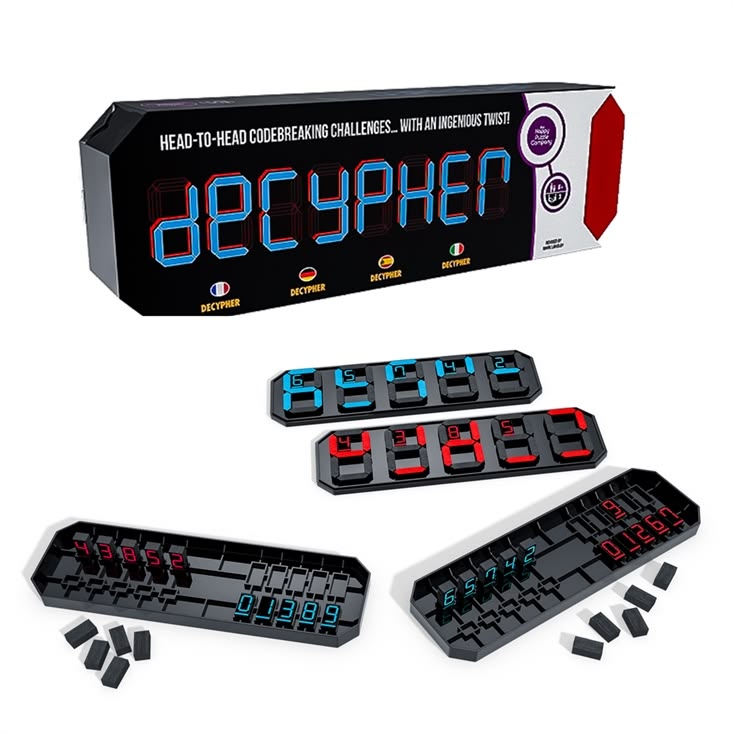
A codebreaker challenge gives the family a shared puzzle to solve before welcoming the new year. Instead of asking everyone to answer unrelated riddles, prepare a short sequence of clues where each answer helps players move to the next one.
The final answer can reveal a New Year’s message or a simple instruction for the countdown.
How to play:
- Divide the family into small teams. Prepare three or four short puzzles for each team, or create one shared set of clues for everyone.
- Put each puzzle in a separate envelope. Give teams the first envelope and explain that they must solve each clue before opening the next one.
- Make each correct answer reveal a word, number or letter needed to complete the final message.
- Allow teams to work together, write down their answers and ask for a hint if they become stuck.
- The first team to solve the complete message wins. If the game is being played close to midnight, set a finishing time so the countdown is not delayed.
A simple example: The final message could be “GET READY FOR MIDNIGHT.” The first clue might be a word scramble that reveals “GET.”
The second could be a simple number pattern that points to a letter, while the third uses a picture clue to reveal “MIDNIGHT.” The answers are then arranged in the correct order to complete the message.
Puzzle ideas to include:
- Word scrambles: Rearrange the letters in a word such as YEAR to form the correct answer.
- Number patterns: Complete a simple sequence such as 2, 4, 6, 8, __.
- Picture clues: Use familiar objects or symbols to represent a word or phrase.
- Family memory clues: Ask a question about a shared occasion, such as the month of a particular family birthday or the destination of a recent outing.
How to prevent the game from becoming frustrating: Use clues that match the ages of the players. A puzzle that requires complicated calculations may leave younger children unable to contribute, so mix simple word and picture clues with slightly harder challenges.
Check every answer beforehand and make sure each clue has one clear solution. Also, prepare a hint for each puzzle so the host can help a team that gets stuck without giving away the answer immediately.
Since this is intended for the final part of the celebration, allow enough time to finish. A 10–15-minute challenge is easier to fit into the countdown schedule than a long puzzle with too many stages. Stop the game at the agreed time, even if a team has not completed every clue.
What to prepare: Three or four printed clue cards, envelopes, paper, pens and a small prize if desired. Keep the final message simple and make sure the clues are arranged in the correct order before the party begins.
A handmade party hat can add a personal touch to the countdown celebration, and Easy DIY New Year’s Eve Hat Craft shows you how to make one.
How to Keep the Family Entertained Until Midnight
Having 15 family New Year’s Eve party games to choose from does not mean playing all of them in one evening. Select about five or six games, depending on how long the celebration lasts and how interested everyone is in participating.
Arrange them around dinner, conversations and the midnight countdown so the activities do not feel rushed.
| Part of the evening | Suitable games |
| As guests arrive | What’s Missing From the Party Tray; Mystery Bag Description |
| After dinner | Guess the Month; Decode the Family Emoji Story |
| When everyone is settled | Family Newsroom; Wrong Answer Interview; Impossible Gift-Wrapping Challenge |
| Later in the evening | Secret Family Mission; Family Awards; Build the Story, One Sentence at a Time |
| Before midnight | Midnight Codebreaker Challenge |
Allow breaks between games for refreshments, photographs and conversations. Short activities are easier to fit into the evening, especially when guests have different interests and attention spans.
Avoid starting a lengthy competition close to midnight; finish the final game early enough for everyone to gather, prepare their drinks and enjoy the countdown together.
How to Make New Year’s Eve Games Enjoyable for Children and Adults
A family game night becomes easier to enjoy when the activities accommodate different ages and abilities. These simple adjustments can help children, parents and older relatives take part comfortably.
- Mix children and adults into teams: Pair younger players with adults or older relatives so everyone can contribute ideas, solve clues or take turns.
- Simplify games for younger children: Use picture clues, familiar words and short instructions when reading is involved. An adult or older child can read the clues aloud.
- Include seated activities: Older relatives or anyone who prefers not to move around can enjoy games such as the Mystery Voice Challenge, Family Awards and Emoji Story.
- Avoid relying on speed or physical ability: Give players enough time to think instead of rewarding only fast movement, strength or sharp eyesight.
- Allow players to pass: Games involving acting, singing or presentations should let anyone decline or take another role without embarrassment.
- Keep prizes lighthearted: Small treats, inexpensive gifts or funny award certificates can make the games enjoyable without turning the evening into a serious competition.
What to Prepare for a Family New Year’s Eve Game Night
Most family New Year’s Eve party games require ordinary household supplies. Gather these items before guests arrive so you do not have to interrupt an activity to search for materials.
| Supplies | Games that use them |
| Paper and pens | Emoji Story, Wrong Answer Interview, Midnight Codebreaker |
| Phone or tablet | Mystery Voice Challenge, Guess the Month Photo Timeline |
| Printer and cardstock | Secret Missions, Family Awards, Puzzle Cards |
| Opaque bag | Mystery Bag Description |
| Tray and cloth | What’s Missing From the Party Tray |
| Wrapping paper and tape | Impossible Gift-Wrapping Challenge |
| Timer | Drawing Challenge, Family Newsroom, Gift-Wrapping Challenge |
| Small prizes or certificates | Team competitions and Family Awards |
Test recorded voices, arrange photo selections and check puzzle clues before the party. Keep small objects used in guessing games safe for younger children, avoiding anything that could present a choking risk.
Conclusion
New Year’s Eve is a chance for family members to spend time together, share laughs and welcome another year.
With these family New Year’s Eve party games, everyone can join in, whether they enjoy solving puzzles, telling funny stories or competing in friendly challenges.
Choose the games that suit your family, keep the rules simple and leave room for everyone to enjoy the celebration.
After all, the aim is not to win every game but to create happy memories together before the clock strikes midnight.