This post contains affiliate links. This means I may earn a small commission if you purchase through my links at no extra cost to you.
Struggling with loneliness or silence in later years? These memory jar craft ideas for seniors spark storytelling, connection, and meaningful shared moments.
Many older adults quietly experience loneliness after retirement. Daily routines slow down, social circles can shrink, and it sometimes becomes harder to share stories that once felt easy to talk about.
For some, memory changes can also make conversation feel less frequent or less confident.
This is where memory jar craft nights can help.
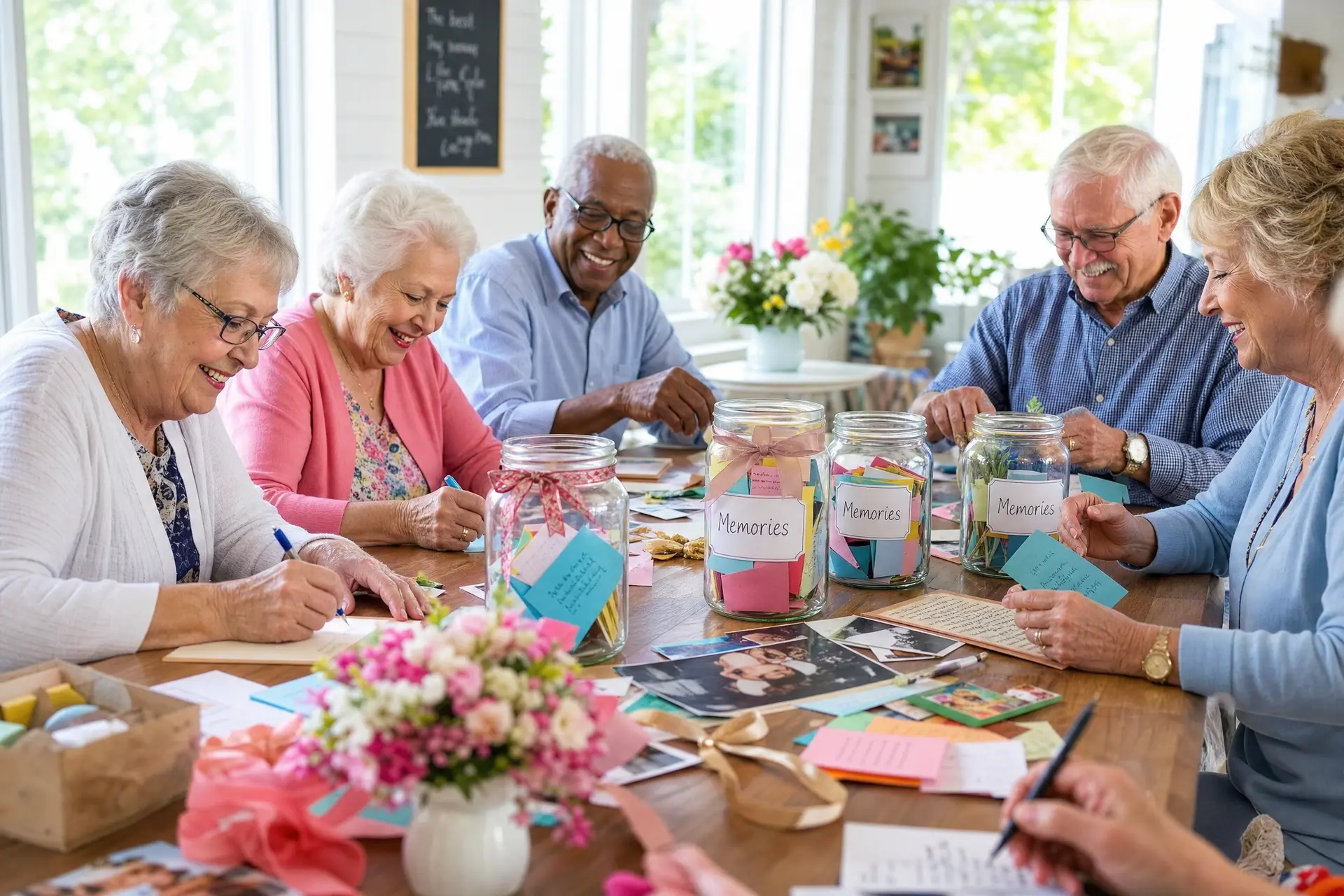
A memory jar is more than a simple craft. It is a way of gently bringing memories back into conversation.
Each note placed in a jar holds a story, a moment, or a feeling that still matters. When done in a group, it also creates space for listening, sharing, and connection without pressure.
These activities are not about being creative or “good at crafts.” They are about giving people a simple way to reconnect with their own life stories and with others around them.
Studies on reminiscence-based activities show that recalling personal memories in a supportive setting can support emotional well-being and keep the mind engaged in a meaningful way.
In the end, memory jar craft nights are not just activities. They are small moments that help people feel connected, heard, and present again.
When planning a meaningful and calming group activity, scripture card-making craft night party ideas for seniors in assisted living offers simple, faith-based crafting ideas that encourage reflection and gentle social interaction.
The Science Behind Memory Jars for Seniors
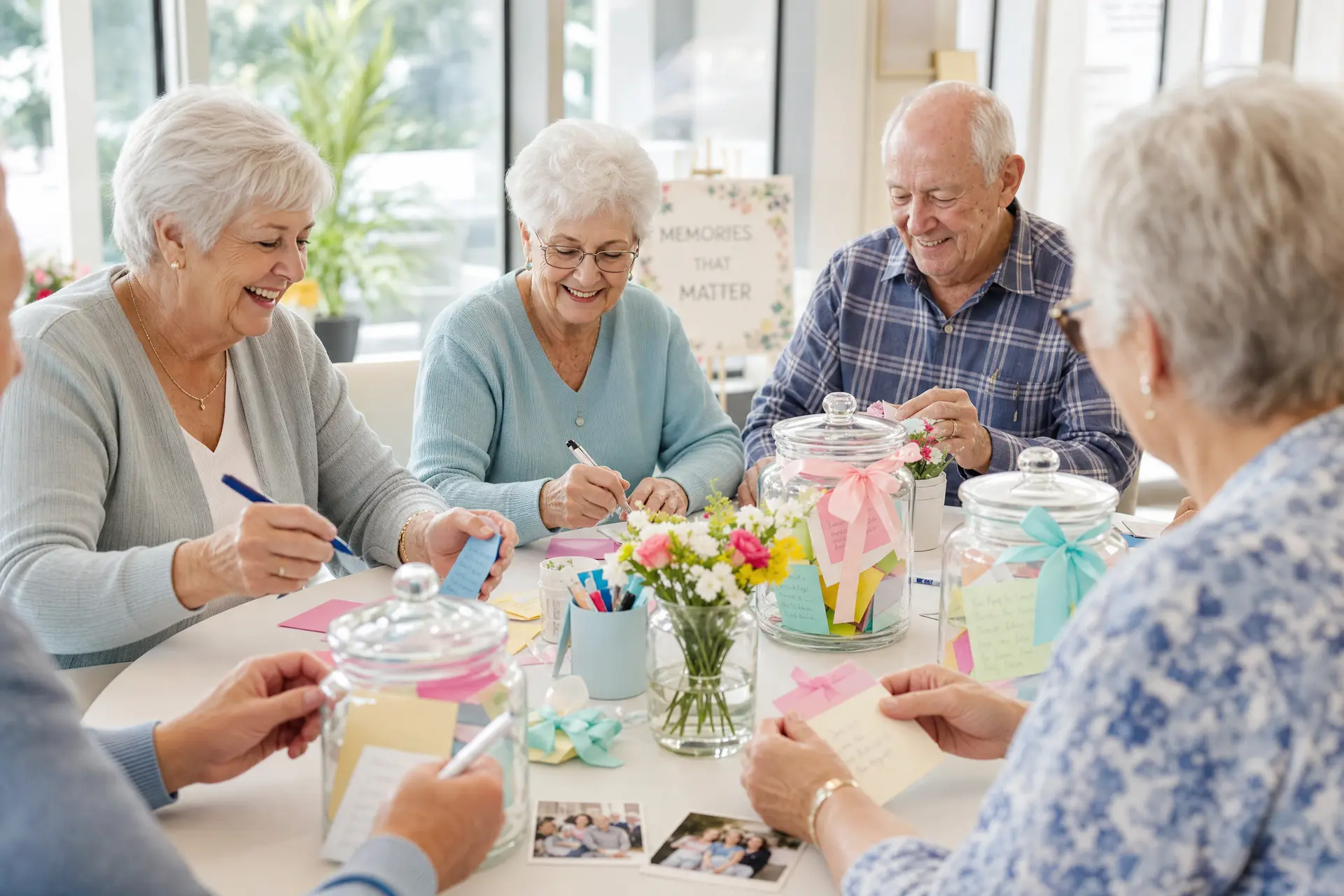
Memory Recall Improves Emotional Well-being
When you remember moments from your past, you are doing more than reflecting, you are supporting your emotional health.
A simple approach called reminiscence therapy is often used in senior care. It involves recalling personal experiences using prompts like photos, music, or written notes.
Research shows that this kind of memory recall can improve mood, strengthen self-esteem, and help older adults feel more connected to their identity.
A memory jar works in this same way. Each note becomes a gentle prompt that brings meaningful moments back into focus.
Hands-On Crafts Trigger Stronger Memories
Memory becomes easier to access when it is paired with physical activity. Writing, holding photos, or interacting with familiar objects helps the brain form stronger connections.
This is because sensory input, what you see, touch, or even smell, can trigger deeper recall. That is why certain songs, fabrics, or scents can bring back detailed memories quickly.
Memory jars naturally use this process by combining reflection with simple, hands-on actions, making it easier to stay engaged and express thoughts.
For supportive and engaging activities designed with care in mind, easy crafts for seniors with dementia that stimulate the mind provides simple, sensory-based ideas that help encourage focus and gentle mental engagement.
Group Sharing Builds Social Connection
The real value of memory jar activities often comes from sharing. When people talk about their experiences in a relaxed group setting, it creates a sense of connection and belonging.
Studies on group reminiscence show that sharing personal stories can reduce feelings of loneliness and improve social interaction.
Even listening to others can spark recognition and connection. Over time, these shared moments help rebuild conversation, trust, and a sense of community.
Memory Jar Craft Night Ideas for Seniors
1. Moments That Made Me Smile Jar
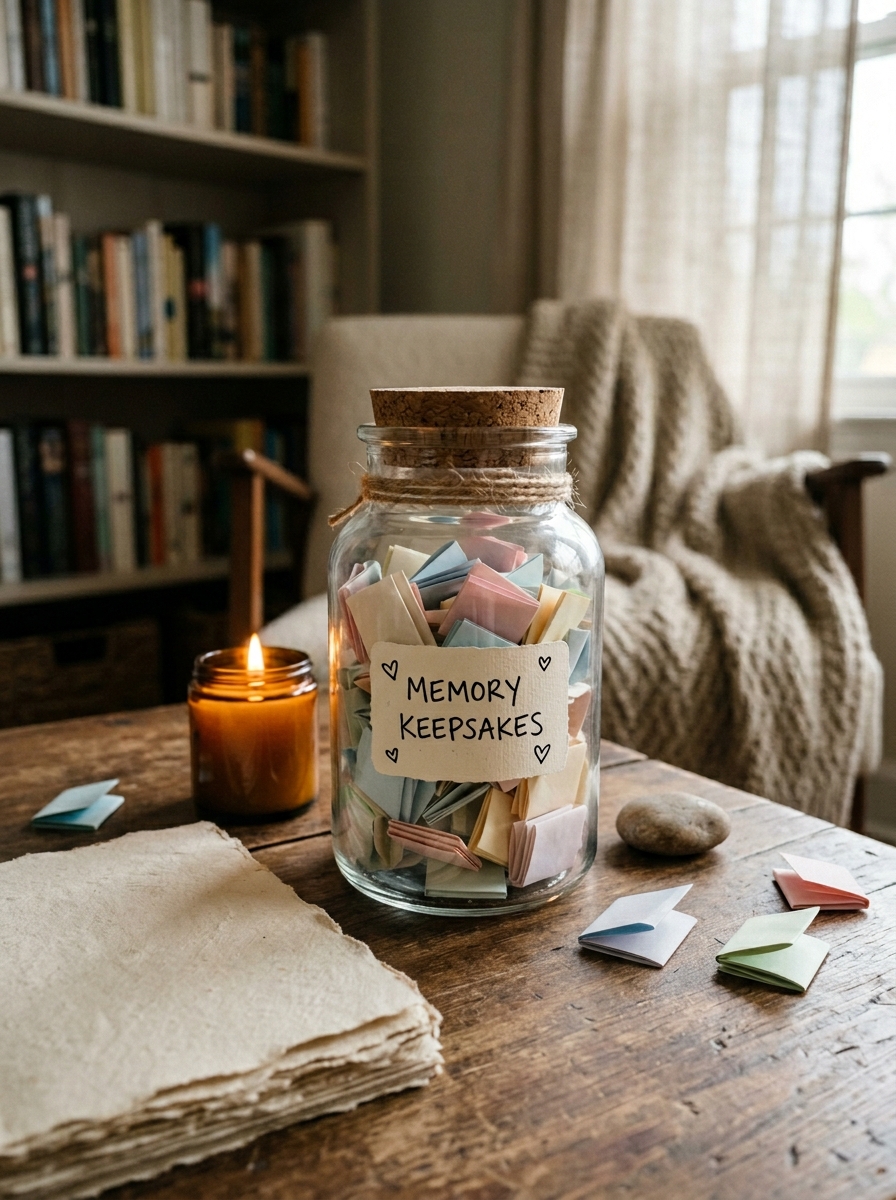
This memory jar focuses on small, positive moments that brought genuine happiness. It could be something simple like a kind gesture from a neighbor, a favorite meal shared with family, a song that made you feel good, or a quiet moment that stayed with you.
Each memory is written on a small piece of paper and placed into the jar over time.
Why it Works Emotionally
Focusing on positive memories helps shift attention away from stress or worry. Research in reminiscence-based activities shows that recalling pleasant experiences can improve mood and support emotional well-being.
It also helps you reconnect with moments that remind you that your life has been full of meaning, even in simple ways. Over time, this can gently build a more positive outlook and reduce feelings of loneliness.
How to Set It Up
Start with a clean, easy-to-handle jar or container. Provide small pieces of paper and pens that are comfortable to hold. You can guide the process with simple prompts like:
- “Write about a moment that made you smile recently”
- “Think of a happy memory from your younger years”
Keep the setup simple. No pressure to decorate unless they want to. The focus should be on the memory, not the craft itself. Allow enough time for thinking and writing, and remind participants that even small moments matter.
Optional Group Twist
If done in a group, invite participants to share one memory from their jar, but keep it optional. Some may prefer to listen first. You can also take turns reading memories anonymously, which often creates a relaxed and safe atmosphere.
This shared moment of listening and reflecting is what helps build connection and makes the activity more meaningful.
If you want to create faith-inspired creative sessions, 7 Bible verse craft night ideas for seniors that inspire faith and joy shares uplifting craft activities centered around scripture and meaningful expression.
2. My Younger Years Memory Jar
This is one of the most meaningful memory jar craft ideas for seniors because it focuses on early life experiences.
It invites you to reflect on your younger years, childhood memories, school days, first jobs, friendships, or moments that shaped who you are today. Each memory is written down and added to the jar, creating a personal collection of life stories.
Why it Works Emotionally
Looking back on your younger years helps reconnect you with your identity. As life changes, especially after retirement, it can sometimes feel like parts of your story are fading.
This activity brings those parts back into focus. Research on reminiscence shows that reflecting on earlier life stages can increase self-esteem and create a sense of pride and continuity. It reminds you that your experiences still matter and are worth sharing.
How To Set It Up
Use a simple jar and provide paper and pens that are easy to handle. Offer gentle prompts to guide the process, such as:
- “Write about a childhood memory you still remember clearly”
- “Think about your first job or something you were proud of”
- “Recall a friend or moment that shaped your younger years”
Keep the pace relaxed. Some memories may come quickly, while others take time. Allow space for quiet reflection without rushing.
Optional Group Twist
In a group setting, this idea works well for storytelling. Invite participants to share one memory if they feel comfortable. You can also group similar memories together, like “school days” or “first experiences,” to spark conversation.
Listening to others often brings back forgotten memories and creates a shared sense of understanding and connection.
3. Family Traditions Jar
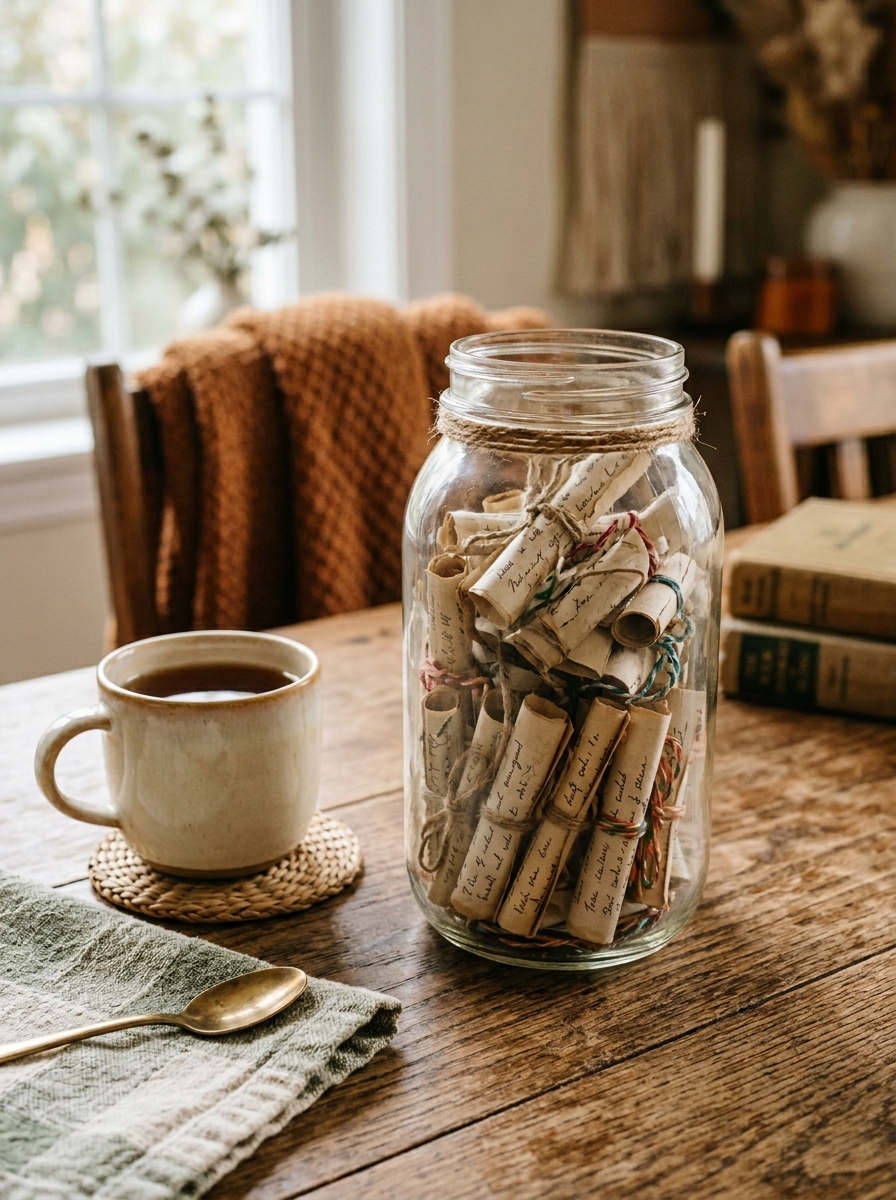
This is one of those memory jar craft ideas for seniors that gently brings back a sense of belonging.
It focuses on family traditions, things that were done regularly and carried meaning, like holiday meals, weekend routines, cultural practices, or even small habits that made home feel familiar.
You are not just remembering events here. You are remembering patterns, values, and shared experiences that helped shape your sense of family and connection. Each memory written and placed in the jar becomes a reminder of those steady, meaningful moments.
Why It Works Emotionally
Family traditions are closely tied to identity and belonging. When you recall them, you are not only remembering what happened, you are reconnecting with the feeling of being part of something.
Research on reminiscence shows that memories linked to family and shared routines can strengthen emotional stability and reduce feelings of isolation. These memories often feel grounding because they represent continuity, even when life has changed.
This kind of reflection can also bring comfort. It reminds you that connection has been part of your life, and in many ways, still is.
How To Set It Up
Keep the setup simple and familiar. Use a jar, paper, and easy-to-hold pens. You can guide the process with prompts like:
- “Write about a family tradition you always looked forward to”
- “Think of a meal, celebration, or routine that brought people together”
- “Recall something your family did often that made it feel like home”
Give enough time to think. Traditions are often layered memories, so they may come back slowly. Let the process feel calm and unhurried.
Optional Group Twist
In a group, this idea often leads to natural conversation. Invite participants to share a tradition if they feel comfortable. You may notice similarities across different backgrounds, which can help people connect more easily.
You can also ask simple follow-up questions like, “Do you still do this today?” or “What made that tradition special?” These small conversations often bring depth and help turn the activity into a shared experience rather than just individual reflection.
For family-focused bonding activities across generations, grandma and grandkids craft night: 15 simple ideas that create real memories highlights easy, shared craft ideas that help build connection and lasting experiences.
5. Lessons I’ve Learned Jar
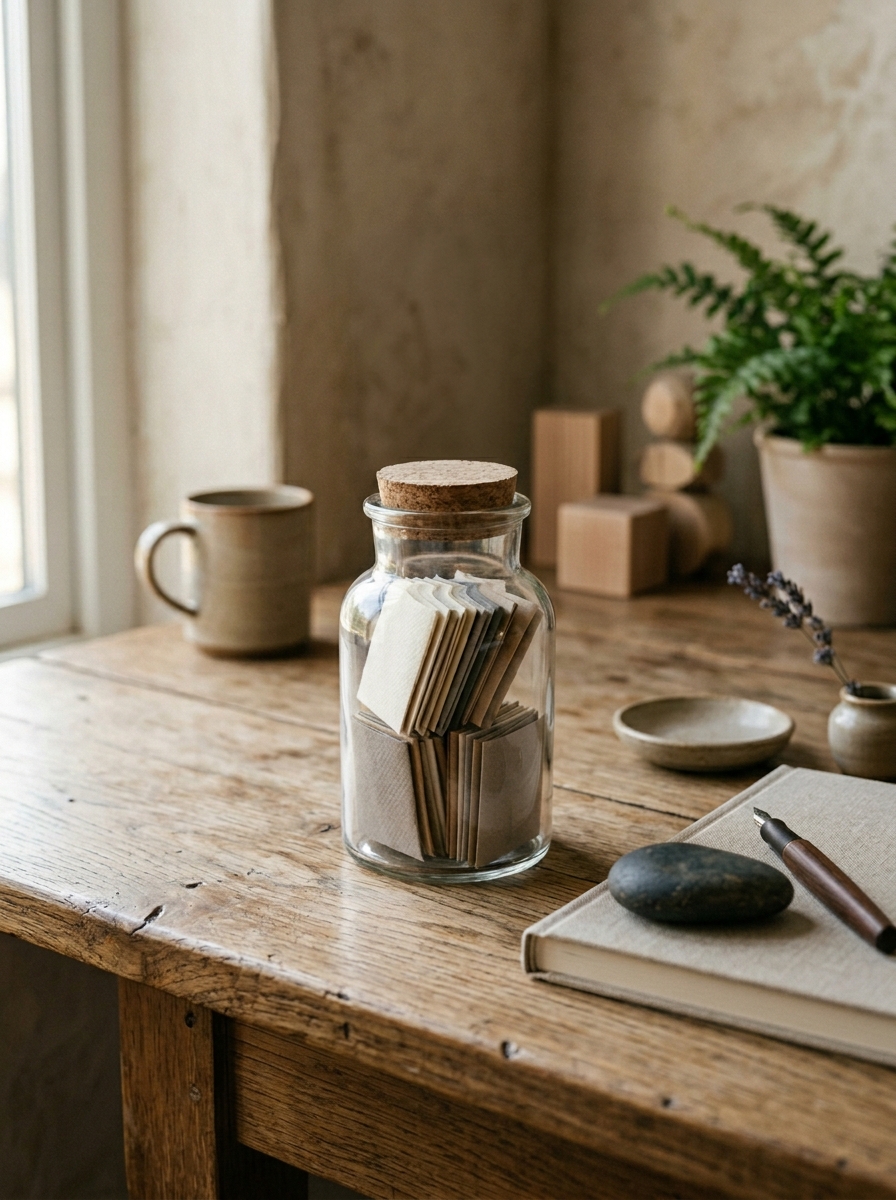
Over time, life teaches things that no book can fully explain. This jar is a space to capture those lessons, what experience has shown you, what changed your perspective, or what you now understand differently.
Why It Works Emotionally
Thinking about life lessons helps you see your experiences as meaningful, not just something that happened.
Research on life review shows that reflecting on lessons learned can strengthen self-worth and give a sense of purpose. It also creates an opportunity to pass on wisdom, which many people find deeply fulfilling.
How To Set It Up
Keep materials simple and offer prompts like:
- “Write something life has taught you”
- “Think of advice you would give to someone younger”
- “Recall a moment that changed how you see things”
Give enough time for reflection. Some lessons take time to put into words.
Optional Group Twist
Invite anyone who wants to share a lesson. You can also mix the notes and read a few aloud without names.
Hearing different perspectives often leads to quiet reflection and deeper understanding among the group.
6. Places I’ve Loved Jar

Certain places stay with you long after you’ve left them. It could be where you grew up, a place you visited once, or somewhere tied to an important moment. This jar holds those places and the memories connected to them.
Why It Works Emotionally
Places are powerful memory triggers because they combine experience, environment, and emotion. Thinking about a place often brings back details, what it looked like, how it felt, and who was there.
This helps maintain a sense of personal history and continuity, which can be comforting.
How To Set It Up
Provide paper, pens, and if possible, simple visuals like maps or photos. Use prompts such as:
- “Write about a place that meant a lot to you”
- “Think of somewhere you felt happy or at peace”
- “Recall a location you still remember clearly”
Encourage simple descriptions. Even a short note can hold a strong memory.
Optional Group Twist
Use a map and invite participants to point out places they’ve written about. This often leads to natural conversation.
People may realize they share similar experiences or connections to certain places, which helps build a sense of closeness.
When you’re looking for faith-based creative activities for group settings, women’s christian craft night: 15 easy ideas for women’s ministry offers simple, meaningful projects designed for fellowship, reflection, and connection.
Free Conversation Starter Cards for Seniors
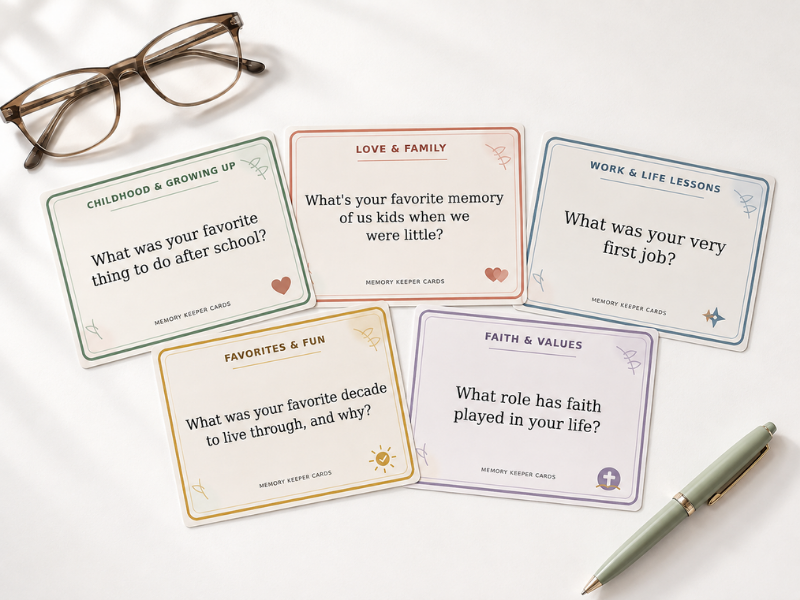
Sometimes the hardest part of spending time with an elderly loved one is knowing what to talk about. That’s exactly why I created the Memory Keeper Cards a free set of conversation prompts designed to help families spark meaningful memories together.
They cover everything from childhood and growing up to faith, family, and favorite things. Just pick a card, ask the question, and let the stories flow.
Grab your free Memory Keeper Cards here.
7. Gratitude Through the Years Jar
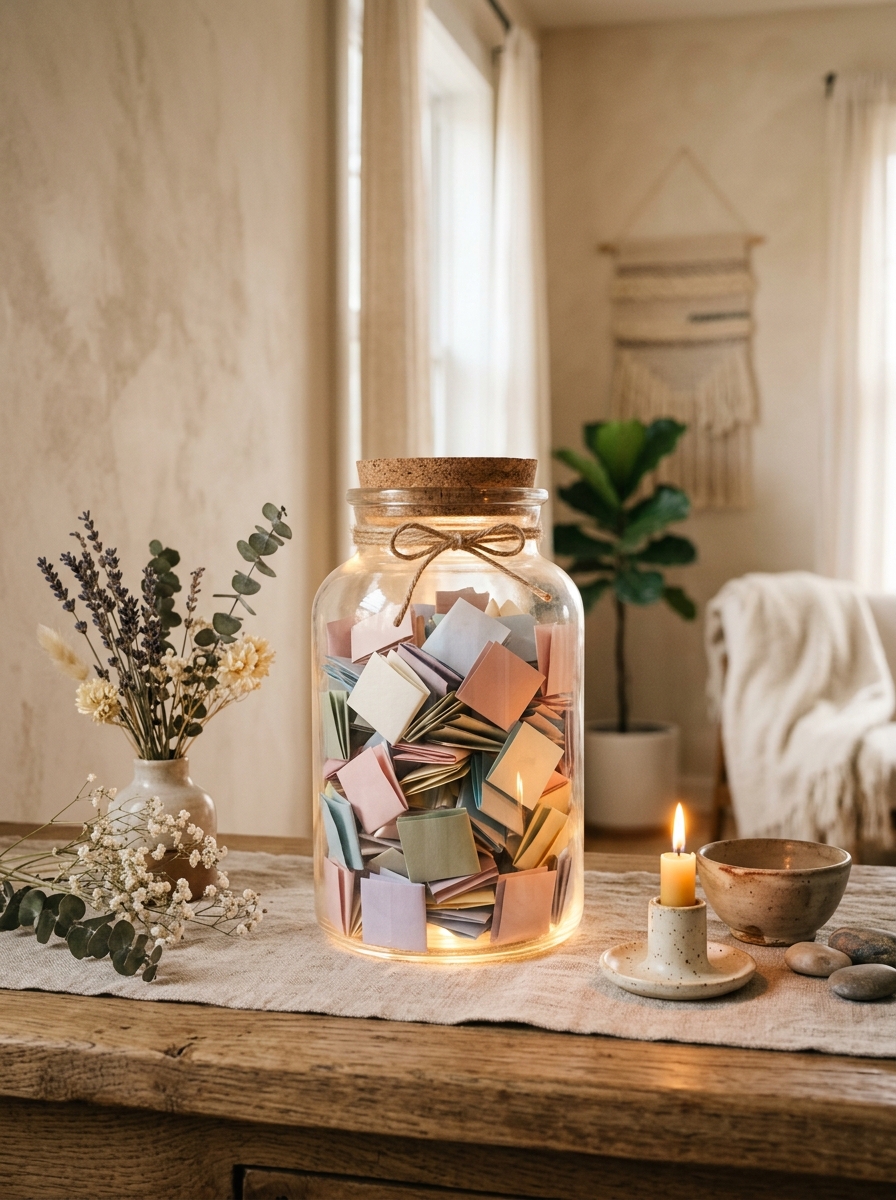
This is one of the most grounding memory jar craft ideas for seniors because it focuses on gratitude across different stages of life.
Instead of only looking at recent moments, it invites you to reflect on things you have been thankful for over the years, people, experiences, lessons, or simple daily comforts that held meaning at different times in your life.
Each note placed in the jar becomes a small reminder that even in different seasons of life, there were moments worth appreciating.
Why It Works Emotionally
Gratitude has been widely linked to improved emotional well-being. Research shows that regularly reflecting on what you are thankful for can support mood, reduce feelings of stress, and increase overall life satisfaction.
For seniors, this kind of reflection can also help shift focus from what has been lost to what has been experienced and valued. It creates a sense of emotional balance and helps reinforce positive memories that may otherwise be overlooked.
How To Set It Up
Keep the setup simple and calm. Use a jar, paper, and pens, and guide gently with prompts like:
- “Write something you were grateful for in your younger years”
- “Think of a person who made a difference in your life”
- “Recall a moment that brought you peace or happiness”
There is no need to rush the process. Some reflections may be small, others deeply personal, both are equally meaningful.
Optional Group Twist
In a group setting, this activity can become very reflective. You can invite participants to share one gratitude note if they feel comfortable.
Sometimes hearing what others are thankful for can trigger your own memories, creating a quiet sense of shared understanding and connection within the group.
When you’re trying to set up your craft space properly, 10 must-have crafts tools for DIY helps you understand the basic tools that make crafting easier, faster, and more organized from the start.
8. Friendship Memories Jar
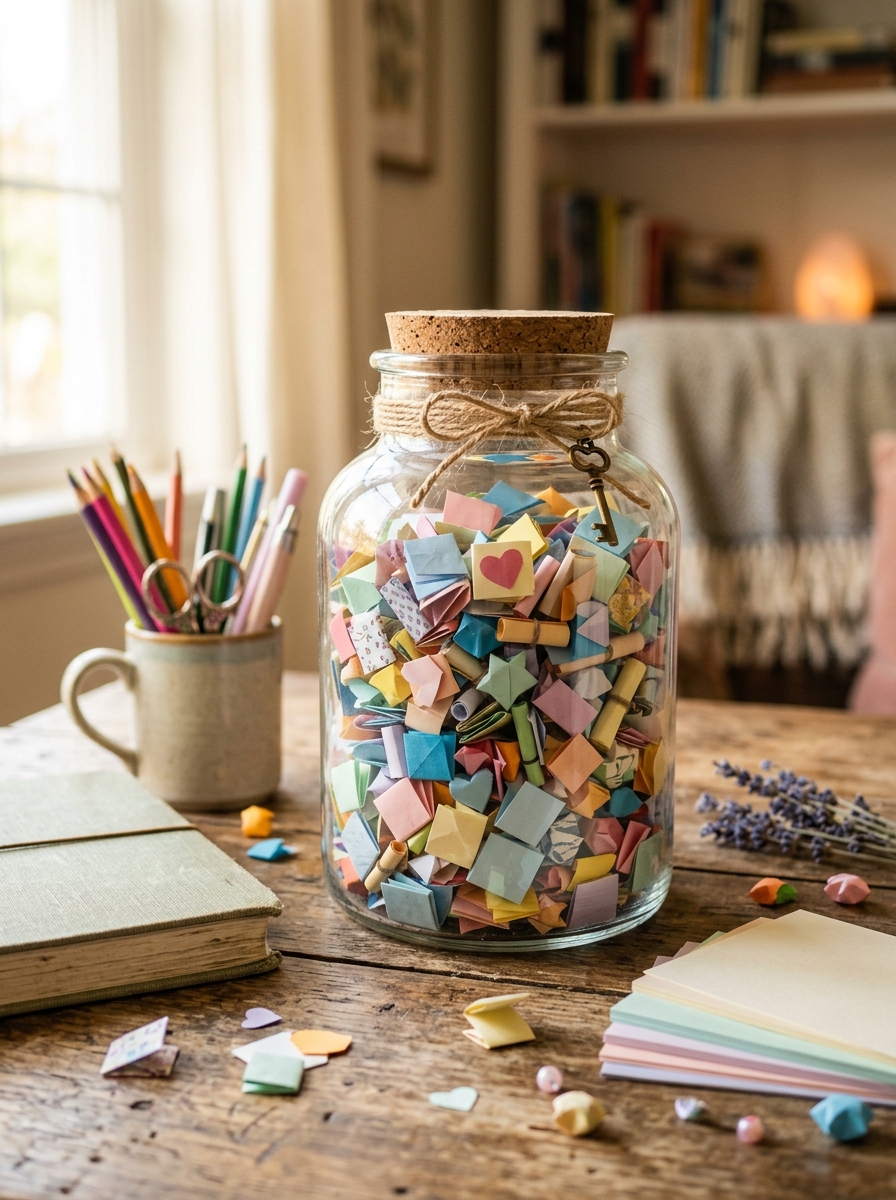
Friendships often hold some of the most honest and meaningful moments in life.
This memory jar craft ideas for seniors activity focuses on those connections, old friends, shared laughter, small acts of kindness, or even simple moments that stayed with you.
Each note becomes a way of remembering people who made life lighter or more meaningful, even if you have not seen them in years.
Why It Works Emotionally
Thinking about friendships brings back a sense of connection. It reminds you that you have shared your life with others, and those moments still matter.
Research on reminiscence shows that social memories—especially those tied to friendship—can reduce feelings of loneliness and support emotional well-being. These memories often feel warm and familiar, which makes them easier and more comfortable to revisit.
How To Set It Up
Provide paper and pens, and guide gently with prompts like:
- “Write about a friend who made you laugh”
- “Think of a moment you shared with someone close to you”
- “Recall a friendship that meant a lot at a certain time in your life”
Keep it simple and allow time to think. Some memories may come quickly, others may take a little longer.
Optional Group Twist
This works especially well in group settings. You can invite participants to share a memory if they feel comfortable, or simply listen.
Often, one story will remind someone else of a similar moment. That natural flow of conversation is what makes the activity feel real and connected.
9. Seasonal Memory Jar
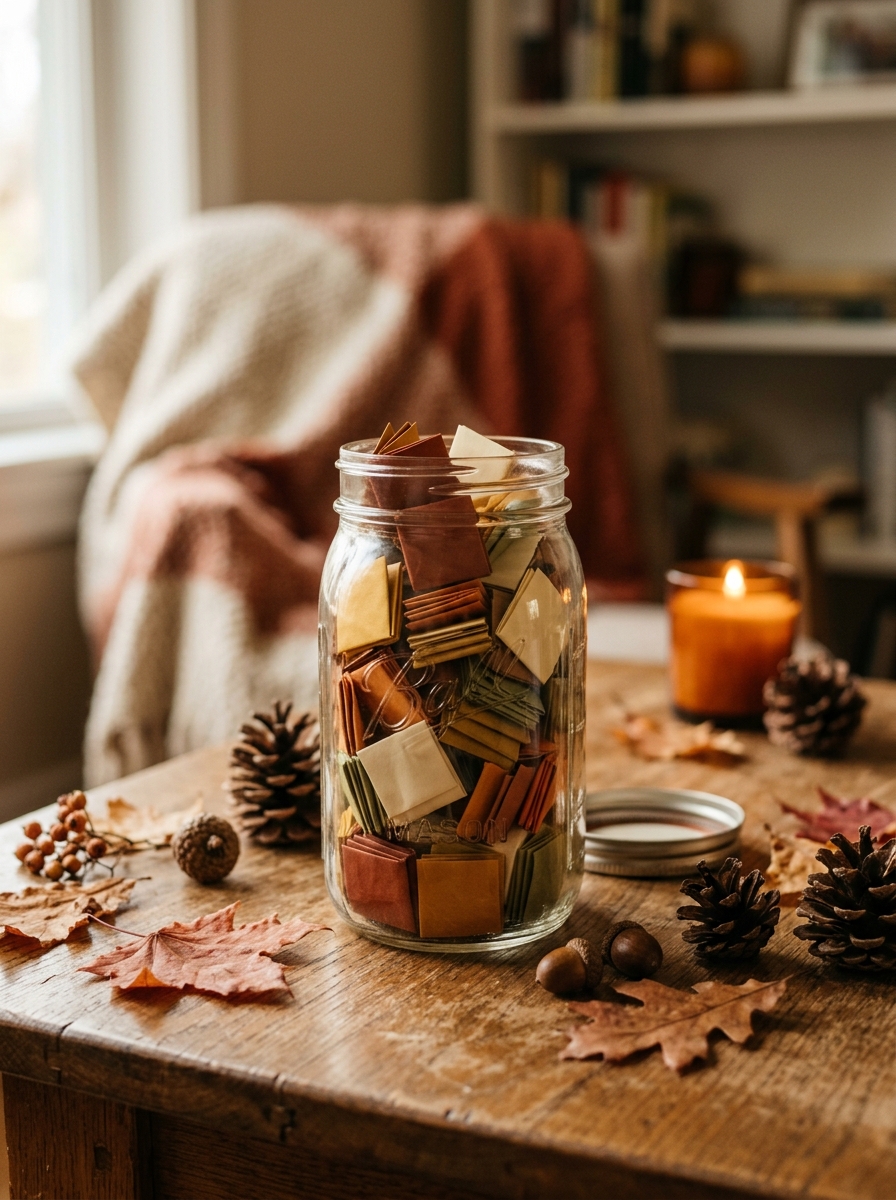
Certain times of the year carry strong memories, holidays, celebrations, or even seasonal routines. This idea focuses on those moments, whether it is Christmas, Easter, New Year, or a local tradition that marked a specific time of year.
You write down memories tied to seasons and place them in the jar, creating a collection of moments connected to time and tradition.
Why It Works Emotionally
Seasonal memories are powerful because they repeat. The same time of year often brings similar feelings, smells, and experiences, which makes recall easier and more detailed.
Research in memory care shows that familiar cues, like festive music, food, or decorations, can trigger strong emotional and memory responses.
These memories often feel vivid because they are linked to multiple senses and repeated experiences over time.
How To Set It Up
Keep materials simple and, if possible, include small seasonal cues like music or images. Use prompts such as:
- “Write about a holiday you always looked forward to”
- “Think of a seasonal tradition you enjoyed”
- “Recall how you usually spent a certain time of year”
Let participants focus on what feels most familiar to them.
Optional Group Twist
In a group, you can focus on one season at a time, like festive periods. Invite participants to share how they used to celebrate.
You will often notice similarities and differences, which can lead to meaningful conversations and a stronger sense of shared experience.
For more social and flexible crafting experiences with friends,
how to plan a virtual craft night party with friends (DIY girls night guide) gives practical ideas for setting up fun, interactive online craft sessions that feel engaging even from home.
10. Legacy Jar (Messages For Loved Ones)
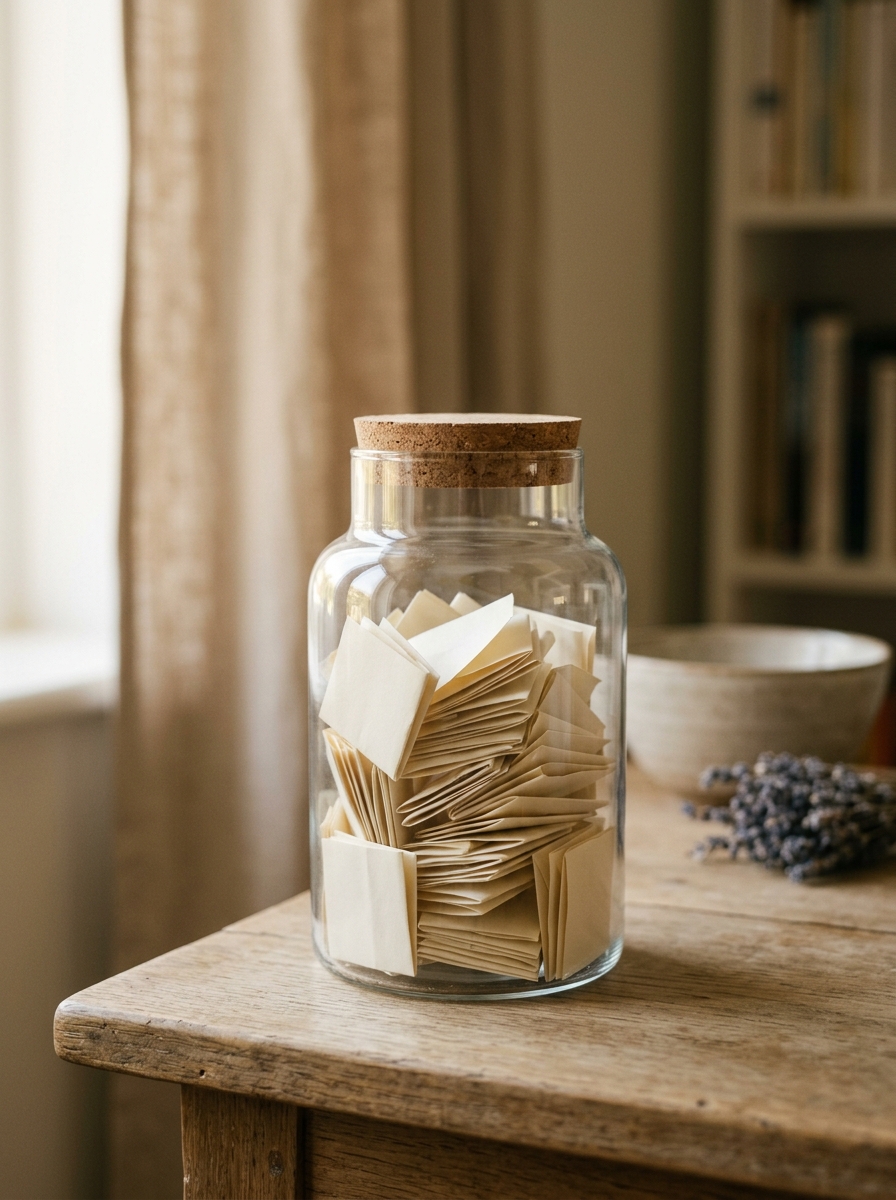
Some thoughts are easier to write than to say out loud. This jar gives space for those words, messages, wishes, advice, or simple expressions of love meant for family or people who matter to you.
Each note can be as short or as detailed as you want. It is not about writing something perfect. It is about saying something honest in your own way.
Why It Works Emotionally
Writing messages for loved ones can bring a quiet sense of peace. It allows you to reflect on what truly matters and to express feelings that may not come up in everyday conversation.
Research on life review and legacy activities shows that this kind of reflection can support emotional well-being and create a sense of purpose. It helps people feel that their voice and experiences will continue to matter.
At the same time, this activity can bring up deep emotions, which is why it should always be approached gently and without pressure.
How To Set It Up
Keep the environment calm and private. Provide simple materials and offer soft prompts like:
- “Write something you would want a loved one to remember”
- “Share a piece of advice or a value that matters to you”
- “Express something you may not have said before”
Make it clear that participants can write as much or as little as they feel comfortable with. There is no right or wrong way to do it.
Optional Group Twist
In a group setting, sharing should always be optional. Some may choose to keep their notes private, and that should be respected.
If appropriate, you can invite participants to share general thoughts about what they wrote, rather than reading messages directly. The focus should remain on comfort, respect, and emotional safety.
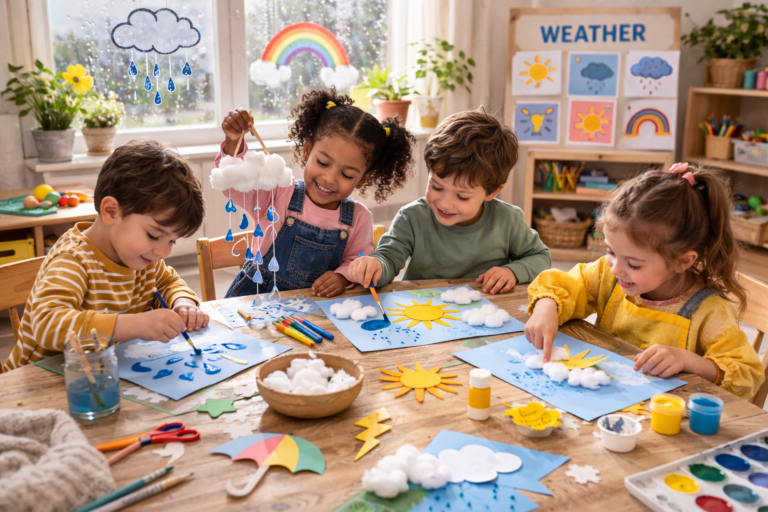
If you want gentle, curiosity-driven activities for children, weather crafts for kids that turn curiosity into gentle creativity provides simple hands-on projects that help kids observe and learn about weather in a playful way.
Who This Activity Is Perfect For
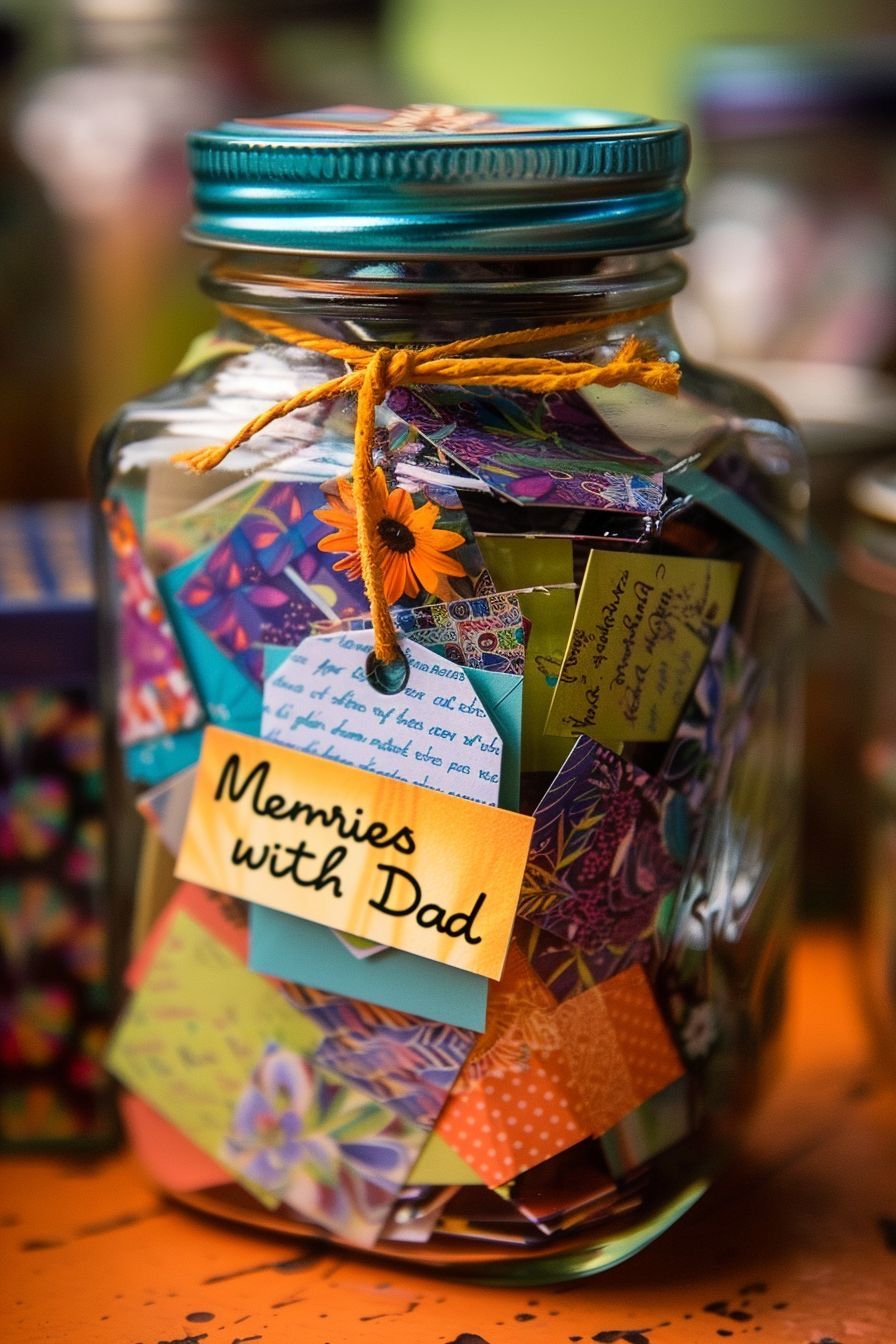
Caregivers can use memory jar craft nights as a gentle way to support emotional connection and communication. It helps open up conversation without pressure and gives older adults a simple way to express memories, feelings, or thoughts that may not come out in everyday care routines.
In retirement or assisted living settings, this activity works well as a structured but relaxed group session. It encourages residents to interact, share stories, and engage socially in a meaningful way, especially for those who may not participate in more physical or fast-paced activities.
At home, memory jar nights can turn into quiet, meaningful family moments. It gives different generations a chance to listen and learn from each other, especially when older family members share life stories that younger ones may not have heard before.
Community spaces can use this activity to bring people together who may not know each other well. It creates an easy entry point for conversation, helping build familiarity and connection within the group over time.
In faith-based or social settings, memory jars can be used as part of fellowship activities. They support storytelling, reflection, and shared experiences, which often strengthen bonds within the group in a calm and respectful way.
For improving your results and avoiding frustration as a beginner, the most common crafting mistakes beginners make shows the key errors to watch out for so your DIY projects come out cleaner and more successful.
Capture Their Stories Before They’re Gone
Conversations are beautiful but memories fade. If you want a place to actually preserve the stories your loved one shares, the Memory Keeper Journal walks you through it page by page.
It’s a guided keepsake journal designed for families who want to capture everything the big life moments, the little details, the wisdom only they can pass down. The kind of book you’ll be grateful you made.
Get your Memory Keeper Journal here.
Conclusion
These easy memory jar craft ideas for seniors are more than simple activities. They create a gentle space where people can reflect, speak, and reconnect with parts of their lives that still hold meaning.
What begins as a quiet craft can slowly open into something deeper, shared stories, laughter, and moments of recognition that might not happen otherwise. Over time, it shifts something important:
From silence to conversation
From isolation to connection
That is the real value of this activity. Not the jar itself, but what it brings out in people when they sit, remember, and share.
These aren’t just jars, they’re stories being preserved.
This post talked on: Easy Memory Jar Craft Night Ideas for Seniors That Spark Joy and Connection.
Related