This post contains affiliate links. This means I may earn a small commission if you purchase through my links at no extra cost to you.
Craft planning always sounds fun until you’re staring at Pinterest at 9 p.m. on a Sunday trying to figure out what you can pull off with paper plates, three colors of paint, and zero energy.
Woodland animal crafts for preschool are the reason I stopped panicking on those nights because they actually work with what you already have.
No specialty supplies, no forty-minute prep sessions. No crafts that secretly require adult-level cutting skills and a prayer.
The crafts that survive a real classroom full of real preschoolers are never the ones that looked prettiest in the blog photo.
They’re the ones that take ten minutes to set up, use supplies already shoved in your cabinet, and don’t fall apart before pickup.
Foxes, owls, bears, hedgehogs, squirrels, raccoons — animals kids already recognize from books and pajamas and cartoons.
You put a paper plate on the table, say “we’re making an owl today,” and twenty little faces light up like you just announced recess.
These 20 crafts work whether you’re running a September woodland theme, a January hibernation unit, or just need something on a random Wednesday that isn’t another handprint turkey.
Low-prep. Classroom-tested. Built for the room you actually teach in not the one that only exists on Pinterest.
Why Woodland Animal Crafts Work So Well in Preschool Classrooms
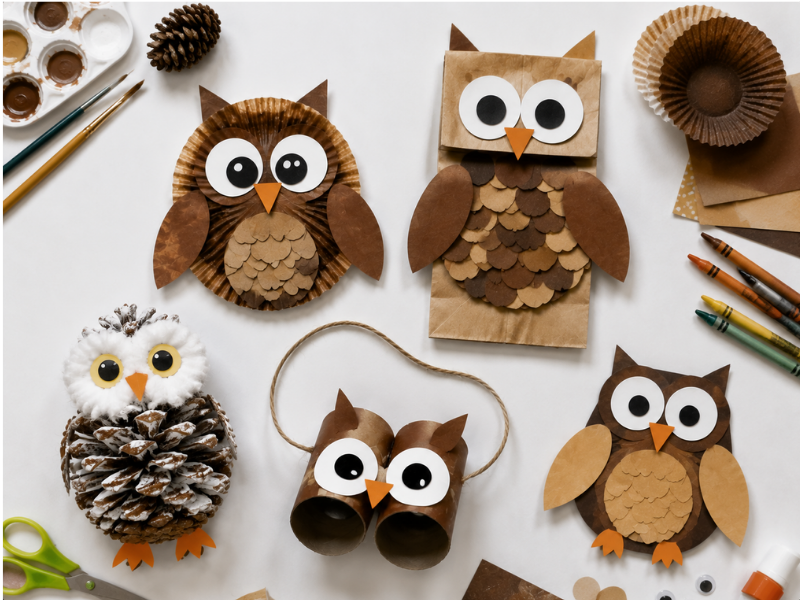
Not every craft theme earns its spot on the lesson plan. Some look fantastic in theory and turn into a glue-soaked disaster by 10 a.m. Woodland animal crafts for preschool consistently work, and it’s not random there are real reasons.
The animals are already familiar. Foxes, owls, bears, hedgehogs — kids have seen them in books, on pajamas, in cartoons. You don’t have to explain what a fox looks like before you start. That instant recognition means instant buy-in, and buy-in is half the battle with this age group.
The materials are things you already own. Paper plates, paper bags, paint, cupcake liners, toilet paper rolls, cotton balls, glue sticks. You’re pulling from your existing craft supply kit, not placing emergency Amazon orders on Sunday night.
And the theme connects directly to fall curriculum — habitats, hibernation, seasons, animal behaviors. You’re not just doing art for art’s sake. You’re teaching while tiny hands are busy gluing, which is exactly the kind of process-oriented, hands-on learning that the National Association for the Education of Young Children (NAEYC) recommends for early learners. You can stretch these crafts across multiple learning centers in the classroom without reinventing anything.
Fox Crafts for Preschool
Foxes are the rockstars of the woodland craft world. Bold colors, simple shapes, and kids light up every time. These three belong in any woodland animal crafts for preschool rotation.
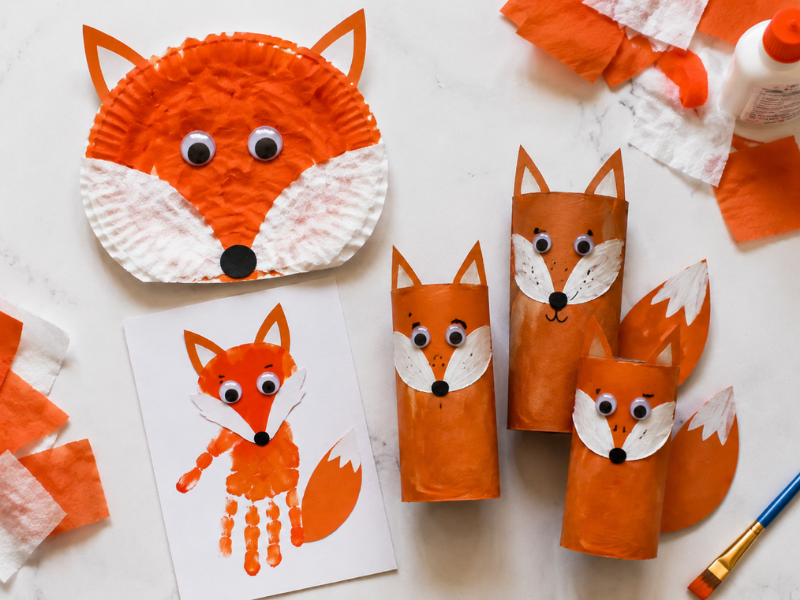
Paper Plate Fox Face with Torn Tissue Paper Fur
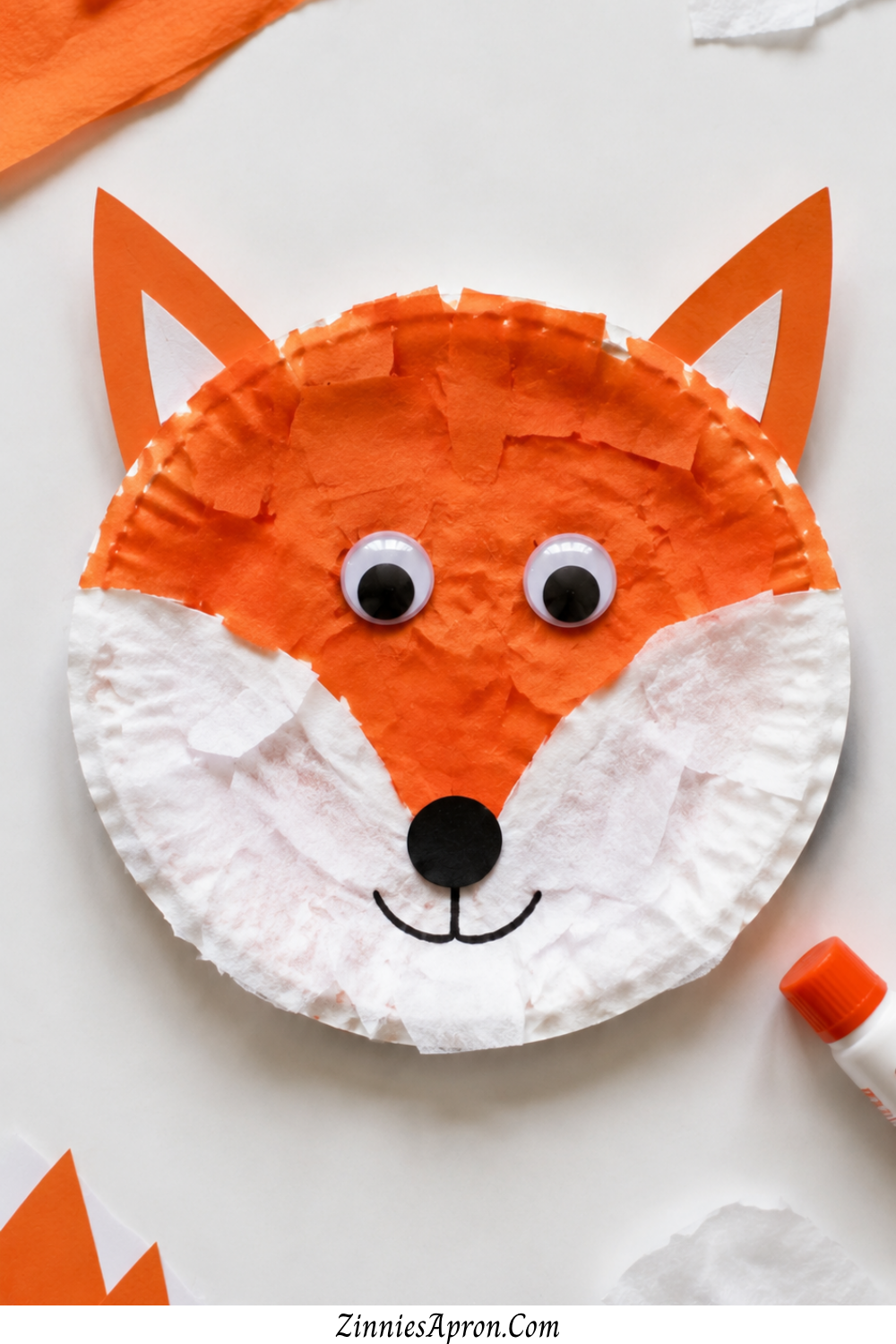
Give each child a paper plate, orange and white tissue paper, and a glue stick. They tear the tissue into small pieces and press them across the plate to build the fox’s fur. Pre-cut two triangle ears from orange cardstock and add googly eyes.
No scissors needed — the tearing is the skill. It builds fine motor strength without the frustration, and the layered tissue gives the fox a furry, dimensional texture that kids are genuinely proud of. This is one of those crafts that values creativity over perfection, and that’s exactly the sweet spot for this age.
Fox Handprint Card
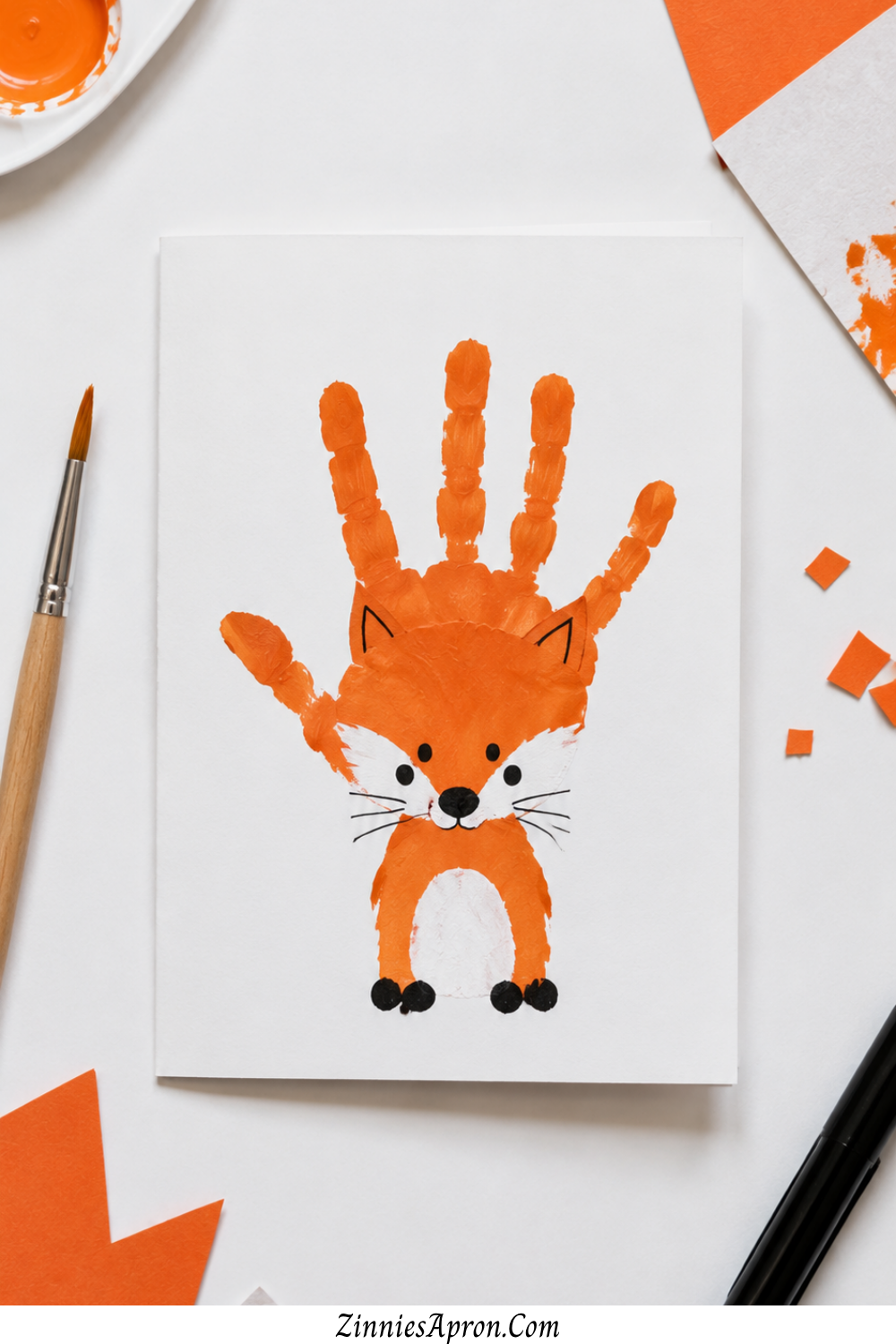
Press a child’s hand into orange paint, stamp it onto folded white cardstock. The palm is the fox’s face, the fingers are the ears and chin. Add a white paint thumbprint for the chest, a tiny black nose, and two dot eyes.
Five minutes per child. One wet paper towel per hand. And it doubles as a keepsake card that actually goes home and stays on the fridge which, let’s be real, is the highest compliment a preschool craft can receive.
Toilet Paper Roll Fox Family
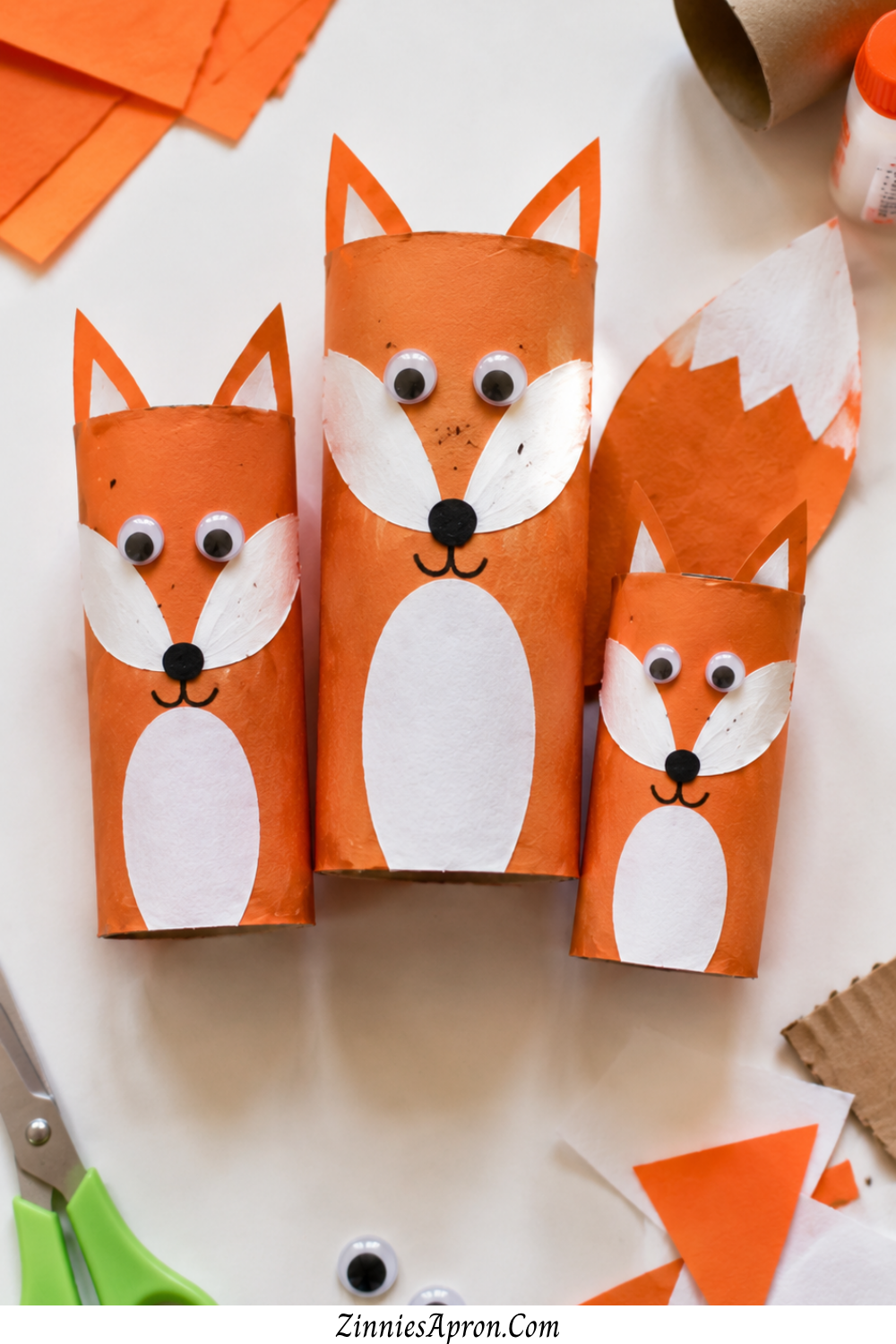
Wrap a toilet paper roll in orange construction paper, cut triangle ears, add a white belly oval and a drawn-on face. Some kids make one fox. Others make a whole family and name every single one.
That’s where this craft gets good kids start telling stories, acting out scenes, giving their foxes personalities. That’s language development happening right alongside the glue stick, the same way it works with farm animal crafts and other character-based projects.
Owl Crafts for Preschool
Big eyes, round shapes, feathery textures. Owls are a preschool classic because they’re satisfying to make and they always look good even when a three-year-old is running the show. Four owl crafts that hold up beautifully in any woodland animal crafts for preschool unit.
Cupcake Liner Owl Collage
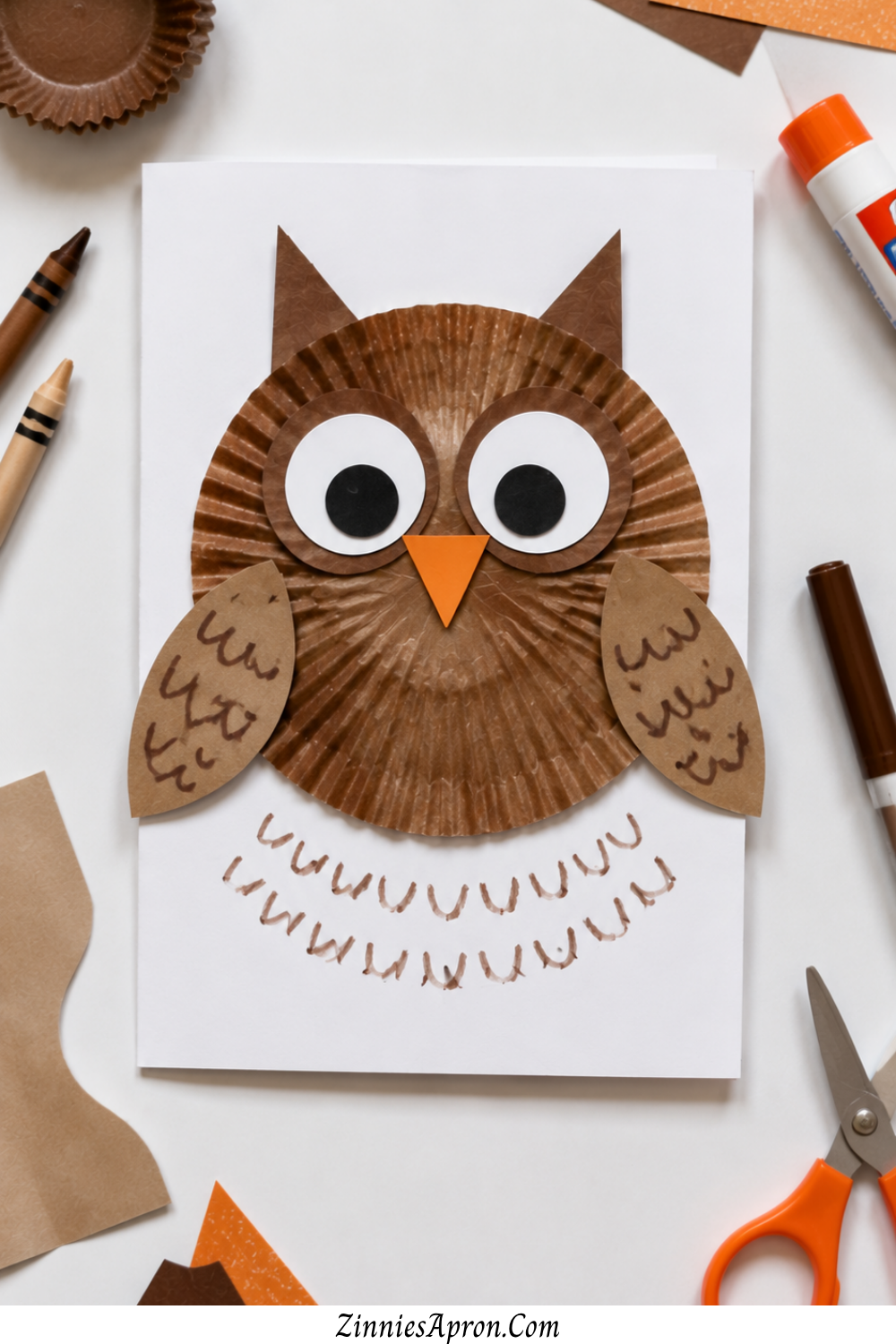
Flatten a cupcake liner (regular white or fall-colored), glue it onto cardstock as the owl’s body. Add two circle cutouts for eyes, a small triangle beak, and let kids draw or stamp feather details.
Level it up by giving kids multiple liners in different sizes — a whole owl family on one sheet. No two look the same, and that’s the point. The open-endedness is what makes collage-style crafts work so well at this age.
Paper Bag Owl Puppet
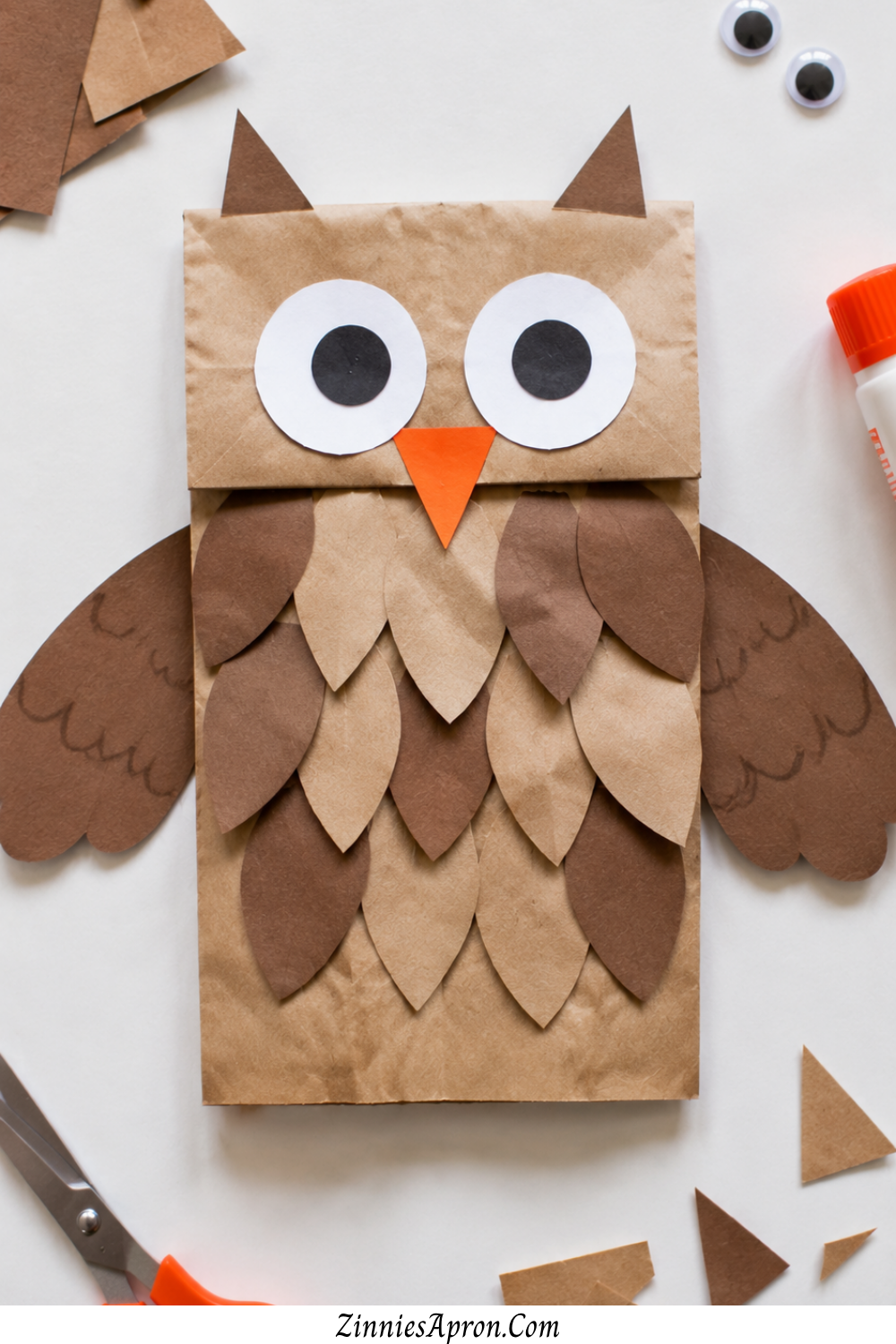
Brown paper lunch bags are the unsung hero of preschool crafts. Fold one flat, glue on two big circle eyes, cut wing shapes from brown paper, add a small orange triangle beak. The bag flap becomes the owl’s mouth — instant puppet.
Kids will play with these for the rest of the day. Pair it with Owl Babies by Martin Waddell and you’ve got a full literacy activity without extra planning. You can also turn this into a puppet show station at the dramatic play center and let kids retell stories on their own.
Pinecone Snowy Owl
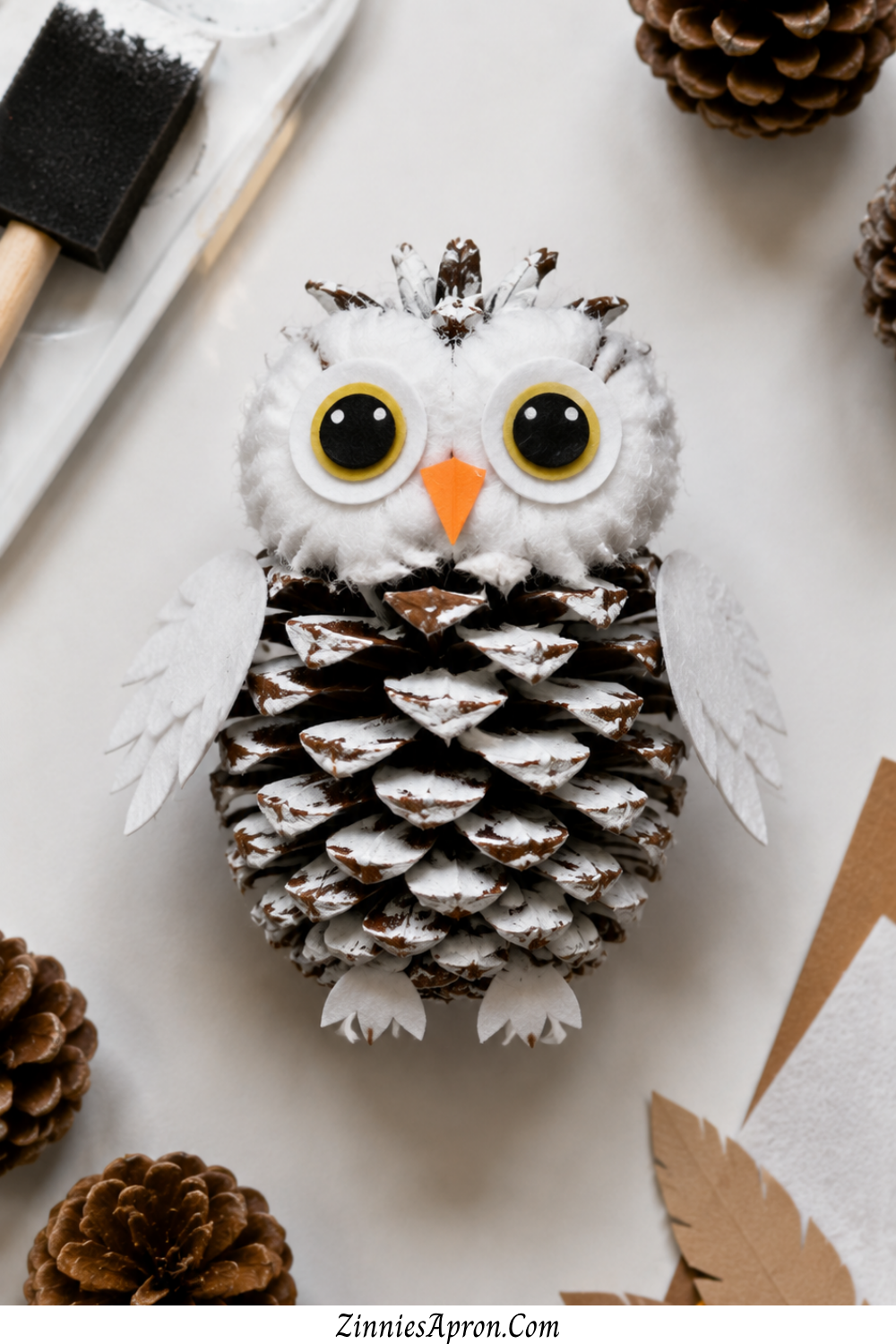
If you have pinecones from a nature walk, a parent donation bin, your own yard this craft is golden.
Dab white paint on a pinecone with a sponge brush, glue on two felt circles for eyes and small feather shapes for wings.
The pinecone already looks like feathers, so even a lightly painted version comes out impressive. This ties into nature-based learning, which PBS LearningMedia highlights as one of the most effective approaches for early childhood education.
Owl Eye Binoculars
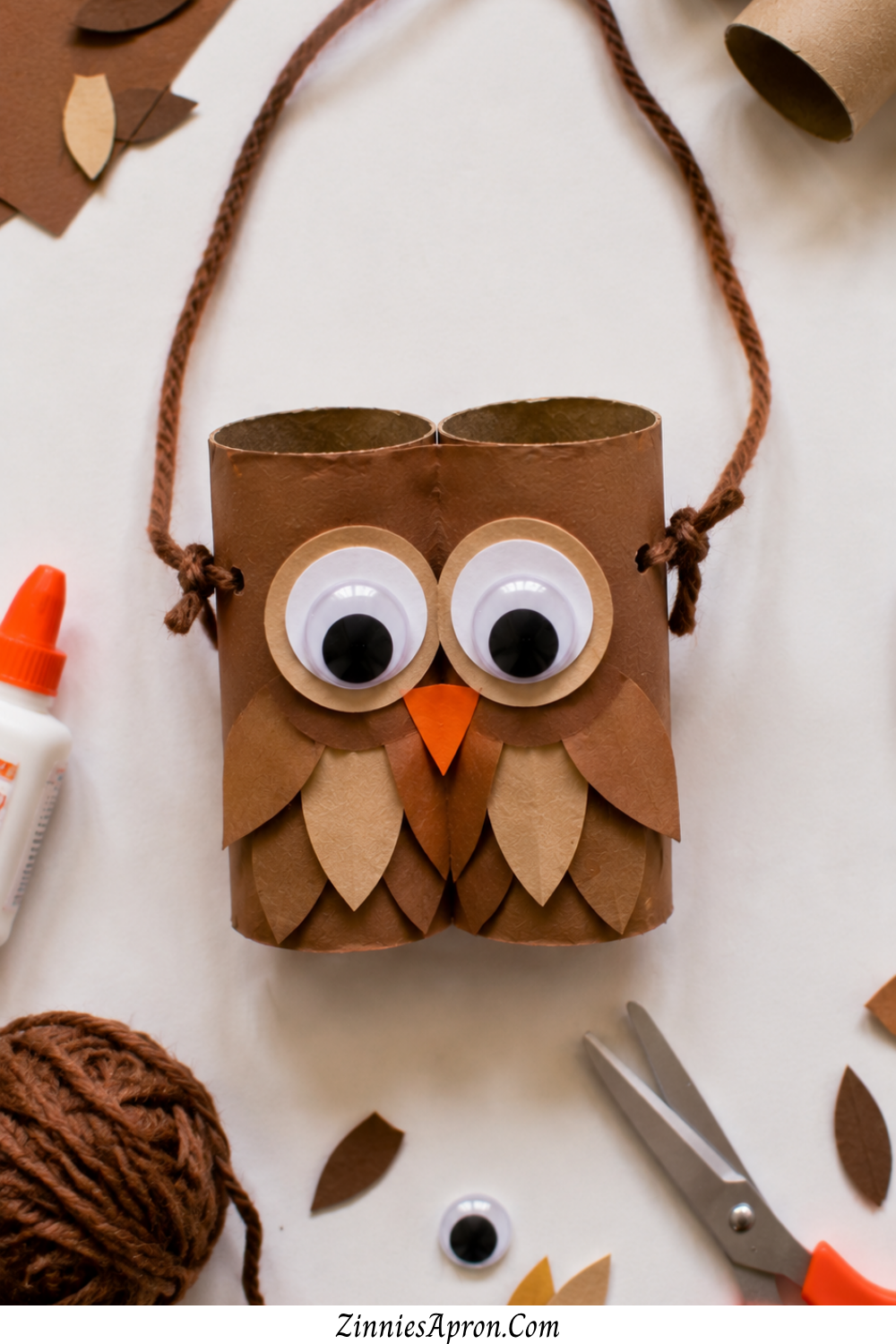
Tape two toilet paper rolls side by side. Paint them brown or wrap them in brown paper. Add giant googly eyes on top and attach a yarn strap for wearing. Owl eye binoculars — ready for a nature walk.
This works as both art and dramatic play. Kids wear them around the room “spotting” woodland animals — posters, stuffed animals, other kids’ crafts. Movement, imagination, and fine motor skills packed into one five-minute build.
Hedgehog Crafts for Preschool
Hedgehogs might be the most underrated woodland animal in the craft world. They’re round, they’re spiky, and something about them makes every kid giggle. The “spikes” element also opens up great texture techniques — which makes them perfect for woodland animal crafts for preschool that go beyond flat paper.
Fork-Painted Hedgehog
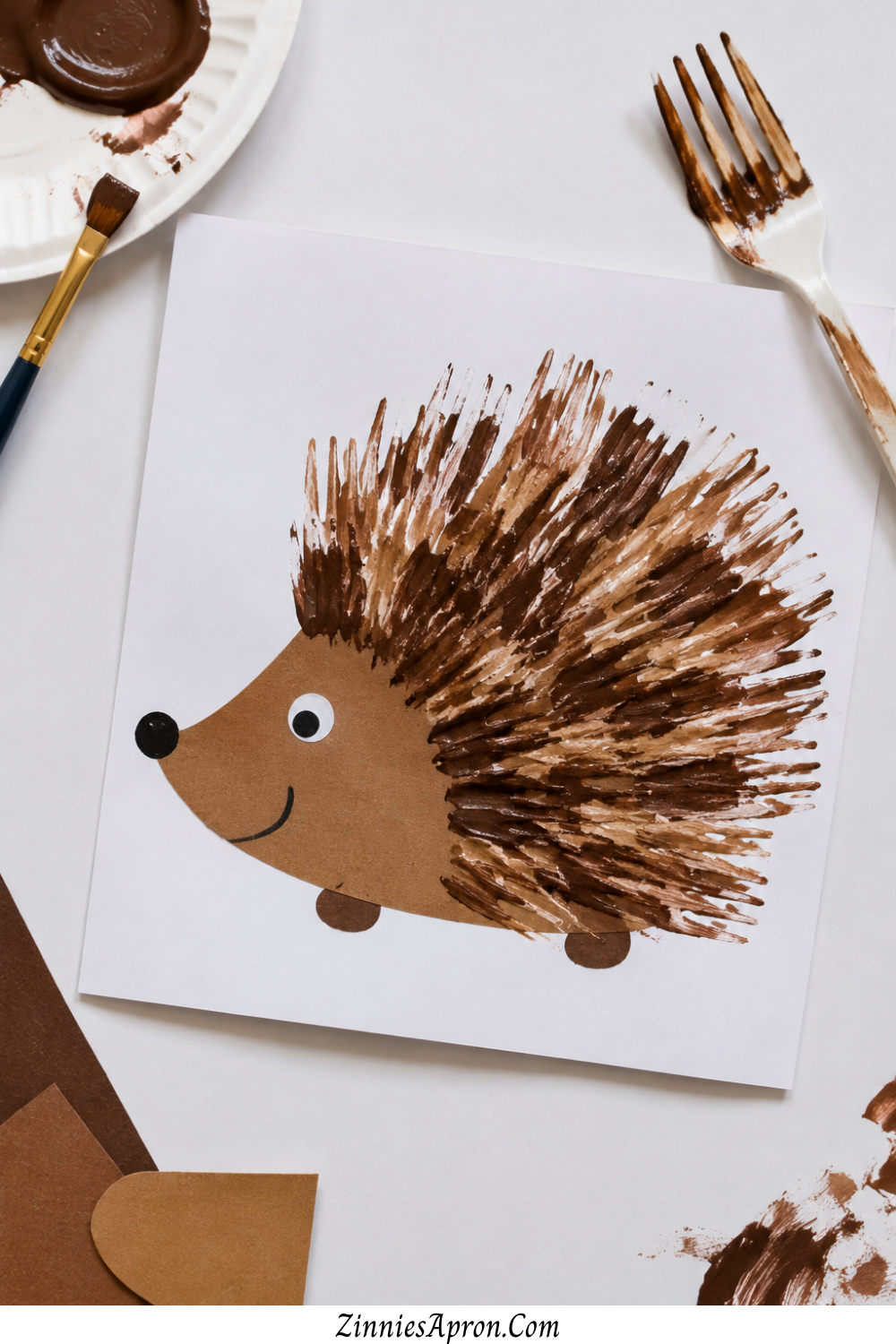
Draw or pre-cut a simple hedgehog body shape (basically a half-circle with a pointed nose). Kids dip a plastic fork into brown and tan paint and press it across the hedgehog’s back to create spiky fur marks.
Fork painting feels special to kids because they’re using a “grown-up” tool in an unexpected way. The results actually look good, the technique builds grip strength, and the finished texture is way more interesting than a flat crayon drawing.
Hedgehog Leaf Craft with Real Pressed Leaves
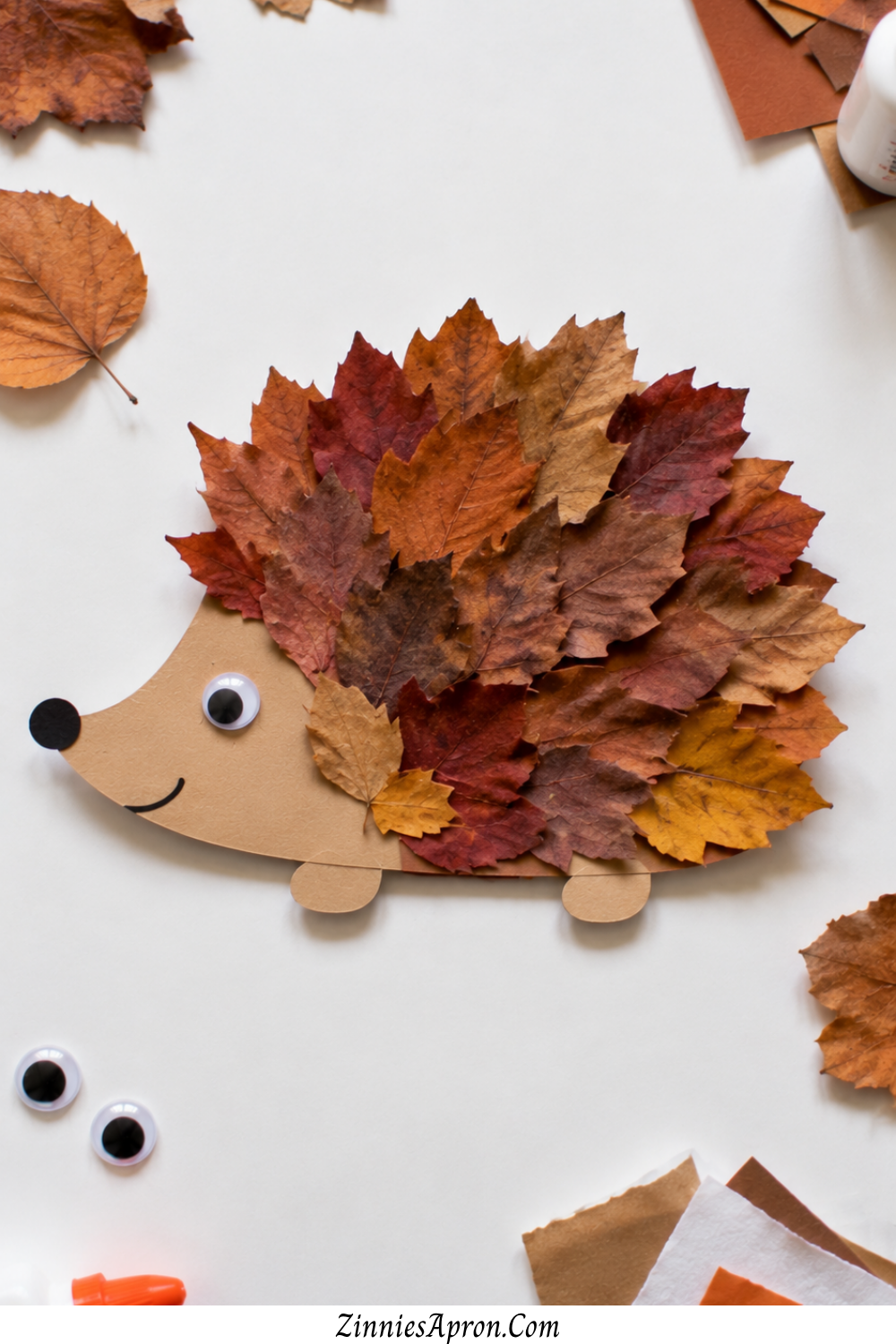
Collect fallen leaves on a nature walk (or ask parents to send some in). Press them flat in a heavy book for a day or two. Then glue them in an overlapping fan shape onto cardstock and add a small drawn hedgehog face at one end.
This is one of the most beautiful fall crafts you can do with preschoolers. Every one looks different depending on the leaves, and kids are amazed that something from outside becomes part of their art. It ties nature observation directly into creative expression and it’s completely free.
Playdough Hedgehog with Spaghetti Spikes
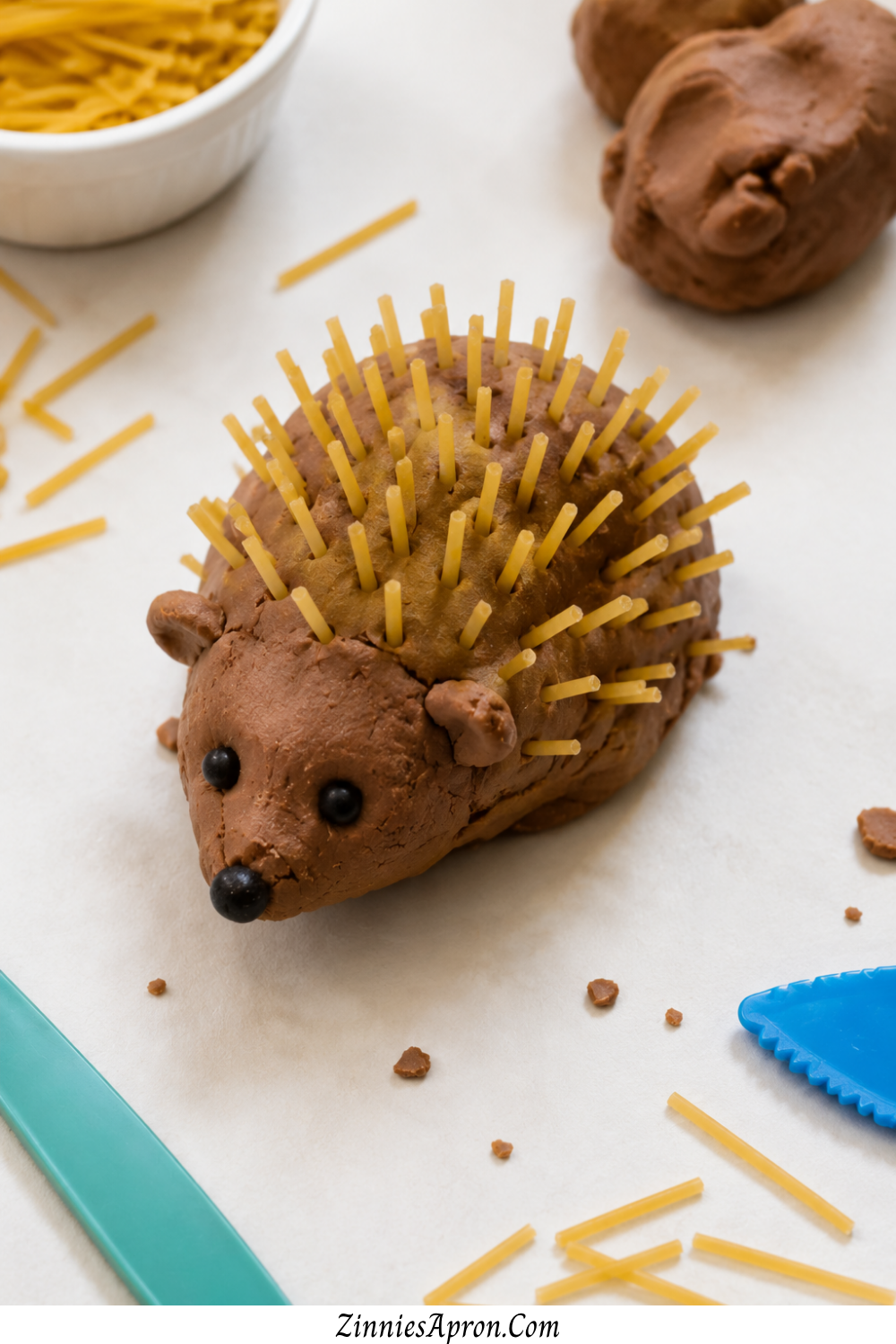
Roll brown playdough into a hedgehog body shape. Break dry spaghetti into short pieces and press them into the back for spikes. Add two small black beads or tiny playdough balls for eyes.
This is sensory, sculptural, and deeply satisfying. Soft playdough plus crunchy spaghetti gives kids two textures to explore, and pressing each spaghetti piece in requires real focus and precision. It’s also a lifeline for kids who don’t love flat paper projects — some children just need to build in 3D to stay engaged.
Bear Crafts for Preschool
Bears anchor any woodland theme. They’re big, cozy, and connect to so many fall conversations — hibernation, getting ready for winter, what lives in the forest. Three bear crafts that fit right into a woodland animal crafts for preschool curriculum.
Brown Paper Bag Bear Puppet
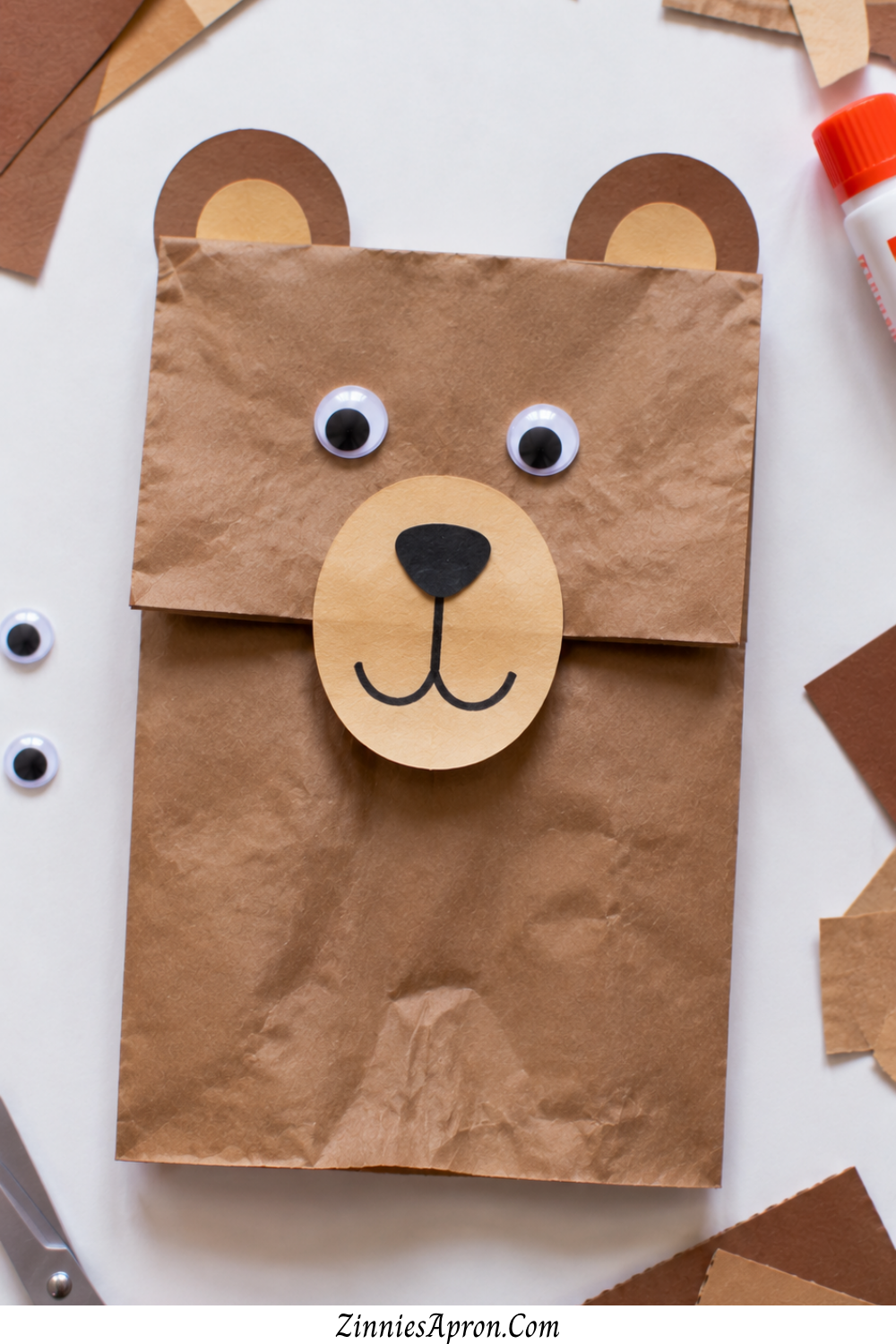
Same concept as the owl puppet, different animal. Brown paper bag, two round ears from construction paper, a tan oval muzzle, two dot eyes, a small nose. The flap becomes the mouth.
What makes this one land every time is the play potential. Kids immediately start making bear sounds, acting out stories, bringing it to circle time. Pair it with Brown Bear, Brown Bear, What Do You See? for a full literacy tie-in without any extra prep. These kinds of low-prep crafts that spark pretend play are the backbone of a good craft rotation.
Bear Paw Print Painting
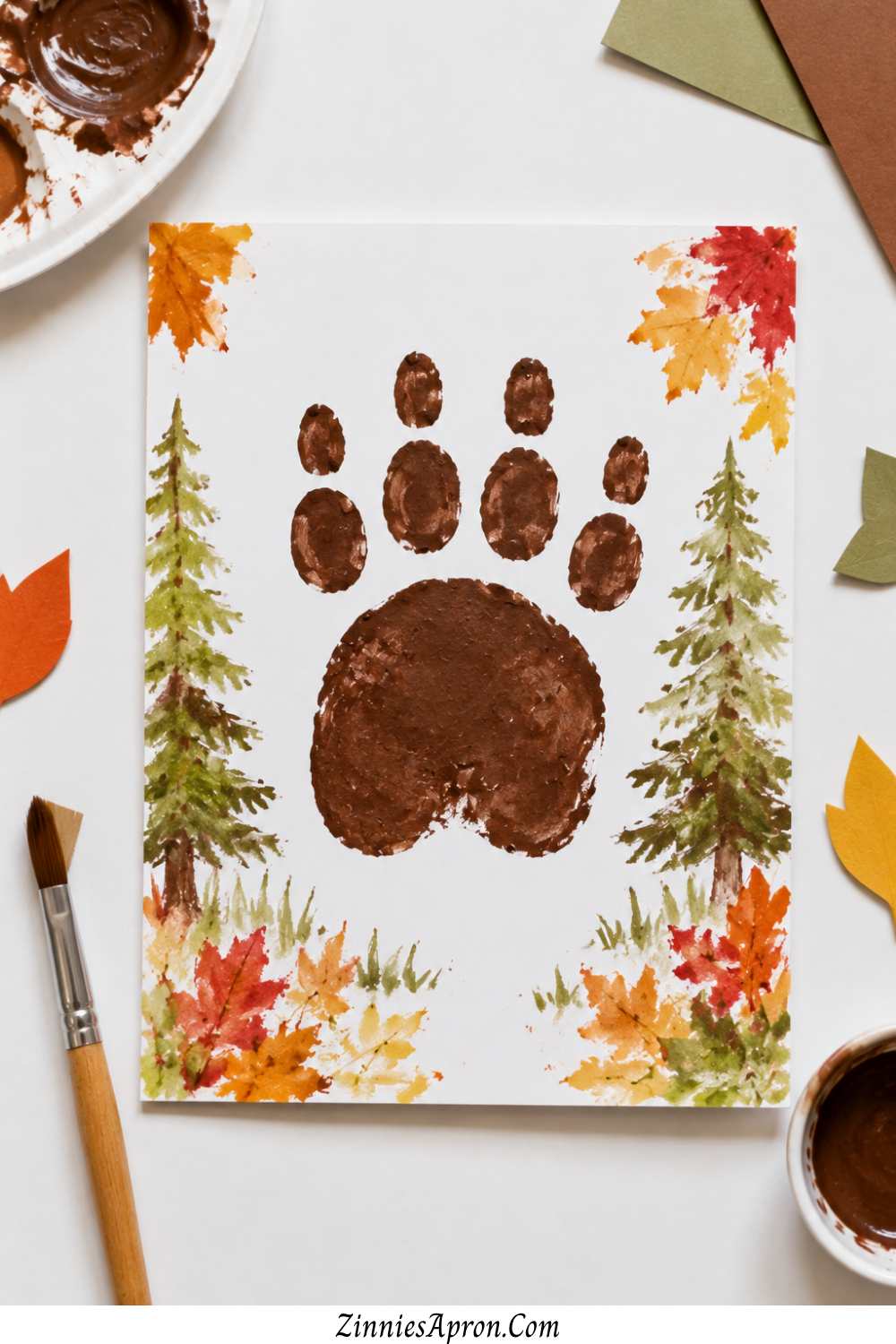
Dip a child’s fist into brown paint and press it onto paper that’s the paw pad. Then press each fingertip above it for the toes. Bear paw print. Part art, part keepsake.
Write “Bear-y Thankful for You” underneath and it becomes a fall gift. Print it on a strip and it’s a bookmark. Do it on cardstock and it’s a hallway display. One technique, multiple uses and cleanup is one hand wash per child.
Hibernating Bear in a Cave
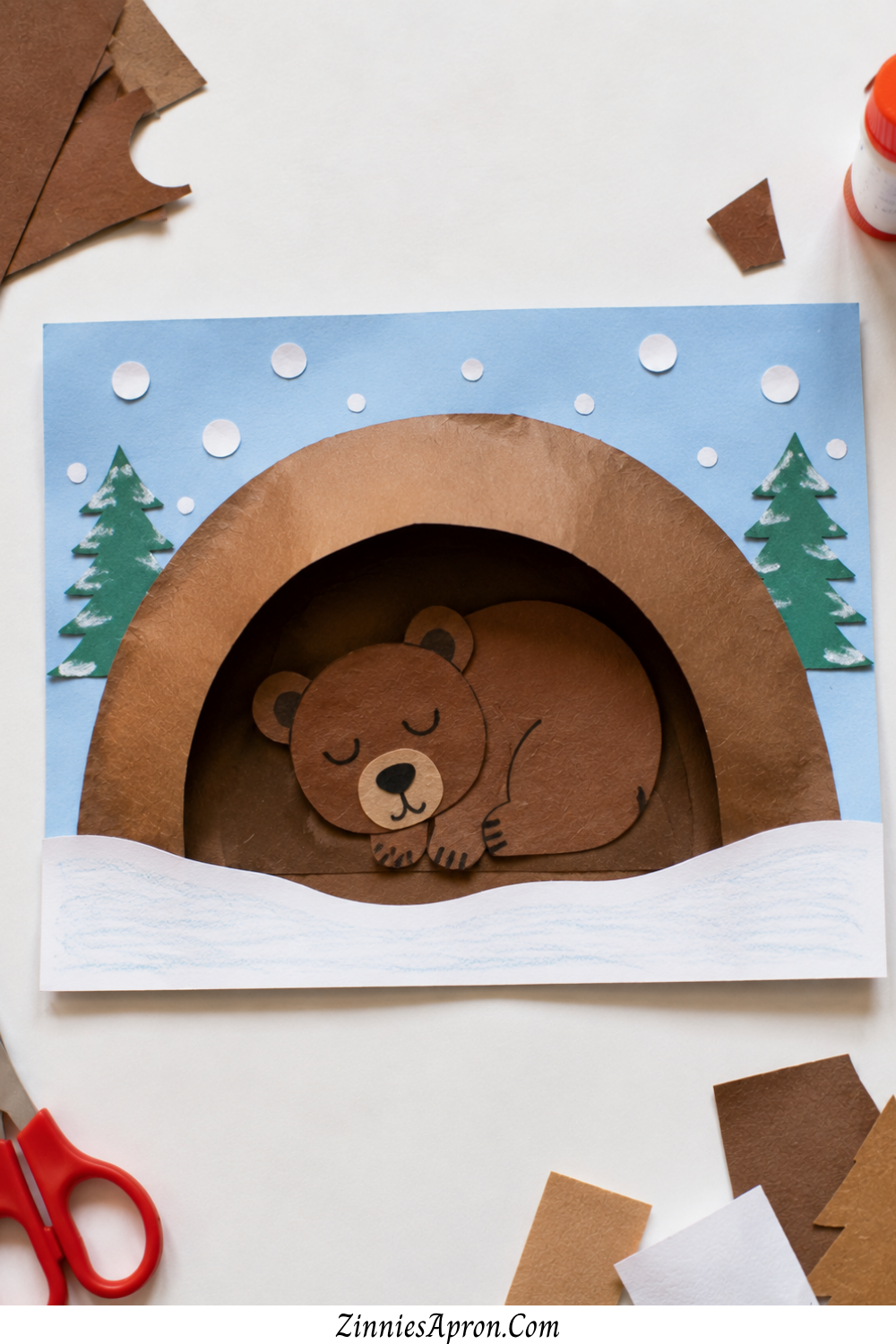
Cut a large half-circle from brown paper (the cave). Glue it onto a blue or white background, but only glue the edges — leave the middle open like a pocket. Tuck a small bear cutout inside.
Kids lift the flap to see the bear “hibernating.” It’s interactive, it teaches a real science concept, and the peek-a-boo element keeps even the squirmiest kids interested. Connect it to a broader conversation about what animals do when seasons change and you’ve got solid fall curriculum content built right into craft time.
Squirrel and Raccoon Crafts for Preschool
Foxes, owls, bears, and hedgehogs get most of the spotlight but squirrels and raccoons are just as fun and way less overdone. Adding them into your woodland animal crafts for preschool lineup gives you variety without needing new supplies.
Squirrel with a Real Acorn
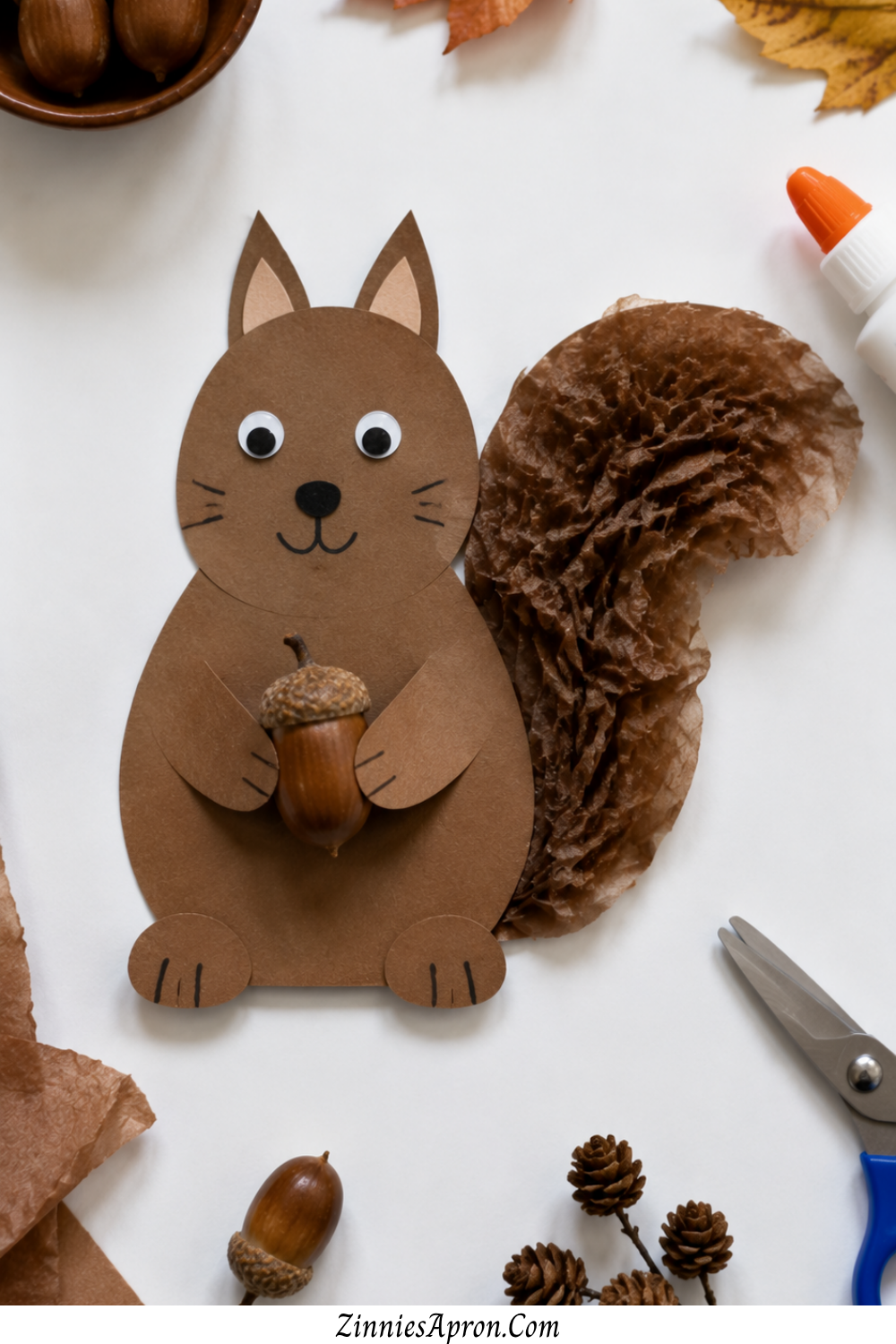
Cut a simple squirrel shape from brown cardstock. Glue a real acorn (or a small pom-pom if acorns aren’t available) between the squirrel’s paws. Make a fluffy tail from crumpled tissue paper or a cotton ball pulled long and thin.
The acorn makes it feel special. Kids love holding something real from nature, and it opens the door to questions — “Where do squirrels find their food? Why do they bury it?” That’s science born from curiosity, which is the whole point of process art in early childhood. If your classroom does nature-based crafting, this fits right in.
Raccoon Paper Plate Mask
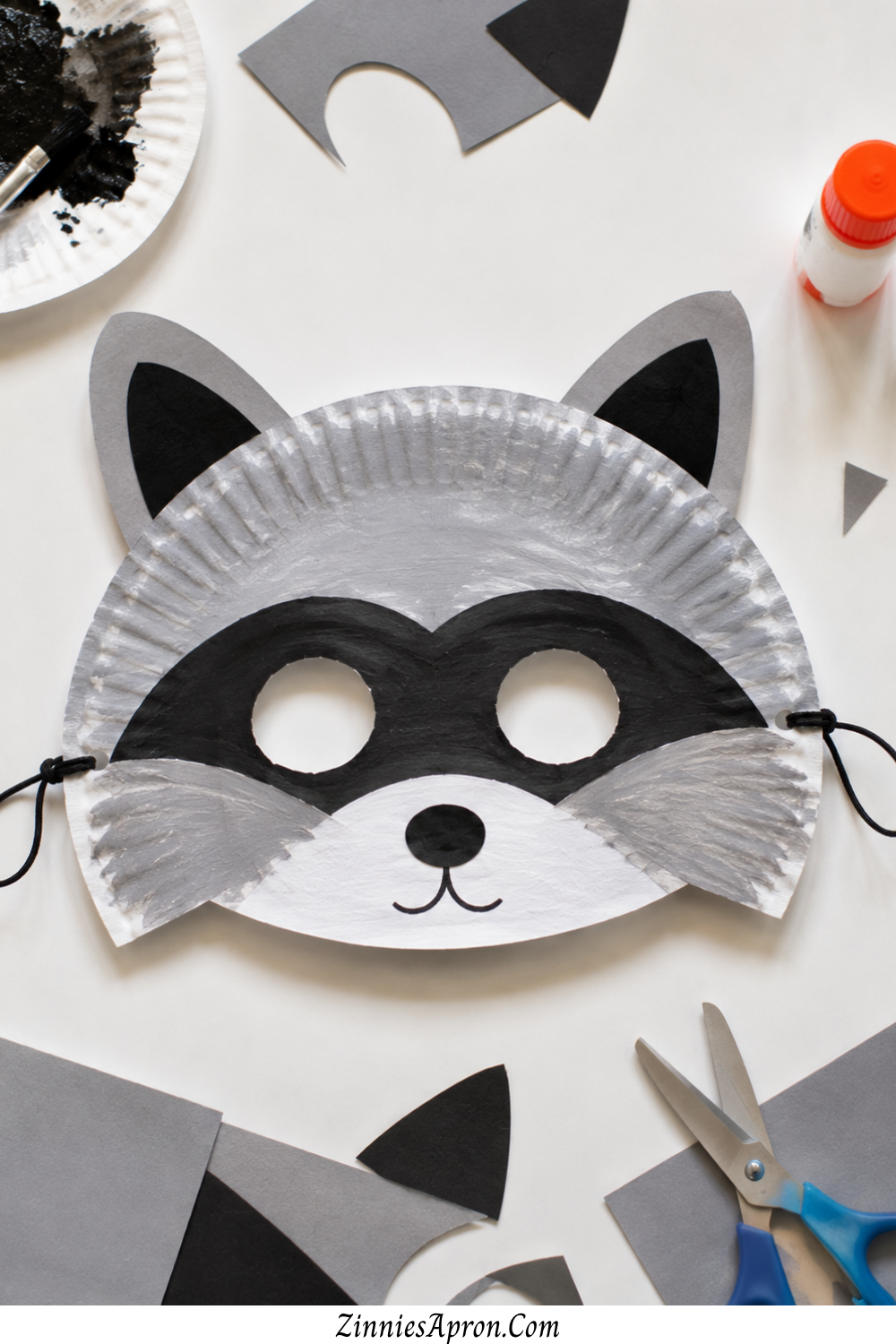
Cut eye holes in a white paper plate. Paint a black mask shape across the eyes. Add two rounded ears and a small black nose. Punch a hole on each side and tie elastic string so kids can wear it.
Mask crafts are always a hit because the craft becomes play equipment the second the glue dries. Kids wear raccoon masks to snack time, circle time, even the bathroom. And unlike some paper crafts that fall apart quickly, this one holds up because the plate is sturdy.
Handprint Raccoon
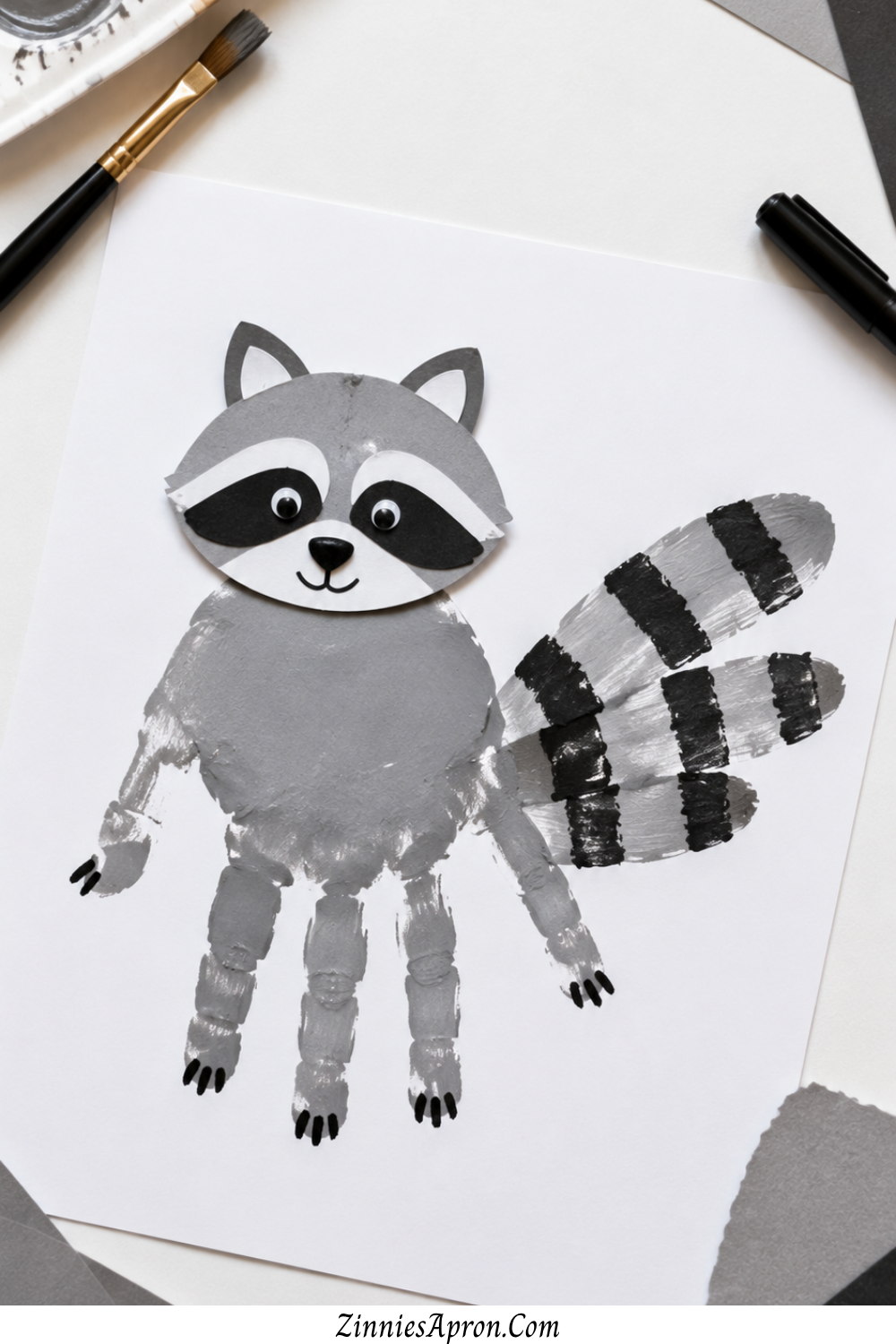
Press a child’s hand in gray paint and stamp it onto paper. The fingers become the raccoon’s striped tail. Add a small circle head with a black mask painted across the eyes, two ears, and a little nose.
Handprint crafts are preschool staples for a reason — they’re personal, they capture a moment in time, and they’re dead simple to execute with a group. This raccoon version is a nice change from the usual handprint turkey or handprint tree that shows up every fall.
More Woodland Animal Crafts for the Classroom
Already covered foxes, owls, hedgehogs, bears, squirrels, and raccoons? Here are four more woodland animal crafts for preschool that round out the theme and work as bonus stations or end-of-unit projects.
Thumbprint Deer Fall Scene
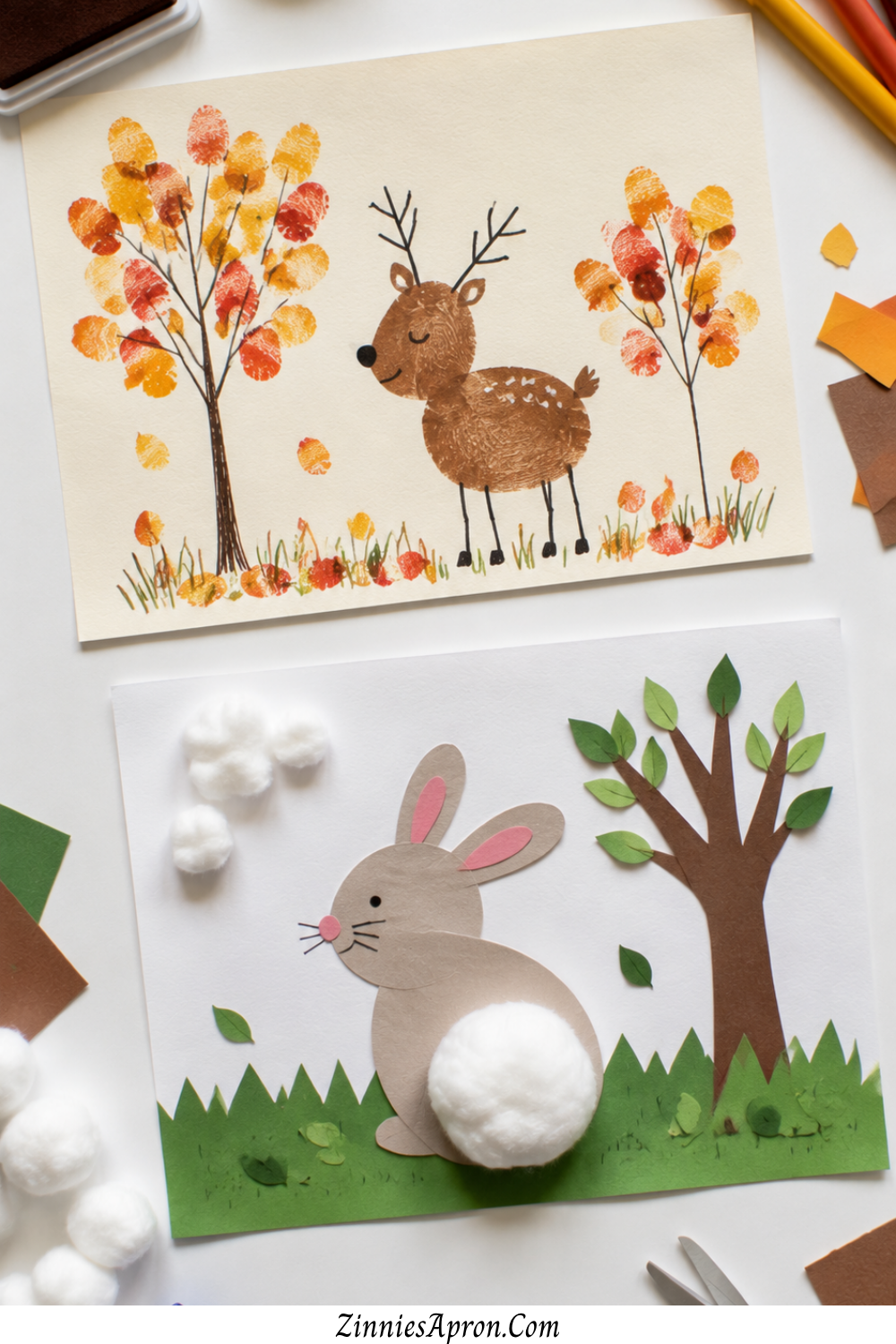
Give each child brown or cream cardstock. They press their thumb into brown ink and stamp two thumbprints one for the deer’s head, one for the body. Use a fine-tipped marker to draw stick legs, antlers, and a tiny tail.
Add a few fingerprint leaves in orange, red, and yellow around the deer.
The finished piece looks like a tiny fall illustration, and kids feel like real artists because they made something that actually looks like a scene not just a shape on a page. Great for older preschoolers (4-5 year olds) who are ready for detail work.
Cotton Ball Bunny Tail Woodland Collage
Draw or pre-cut a simple bunny outline on cardstock. Kids glue cotton balls across the body — one big puffy one for the tail. Add a pink inner ear, a tiny nose, and drawn-on whiskers. Then build a woodland scene around it with green paper grass, a brown paper tree trunk, and leaf stickers.
Collage crafts are gold for preschool because there’s literally no wrong way to do them. Kids arrange, layer, and glue at their own pace. This one ties into conversations about which animals live in the woods and what their habitats look like.
Popsicle Stick Woodland Animal Bookmarks
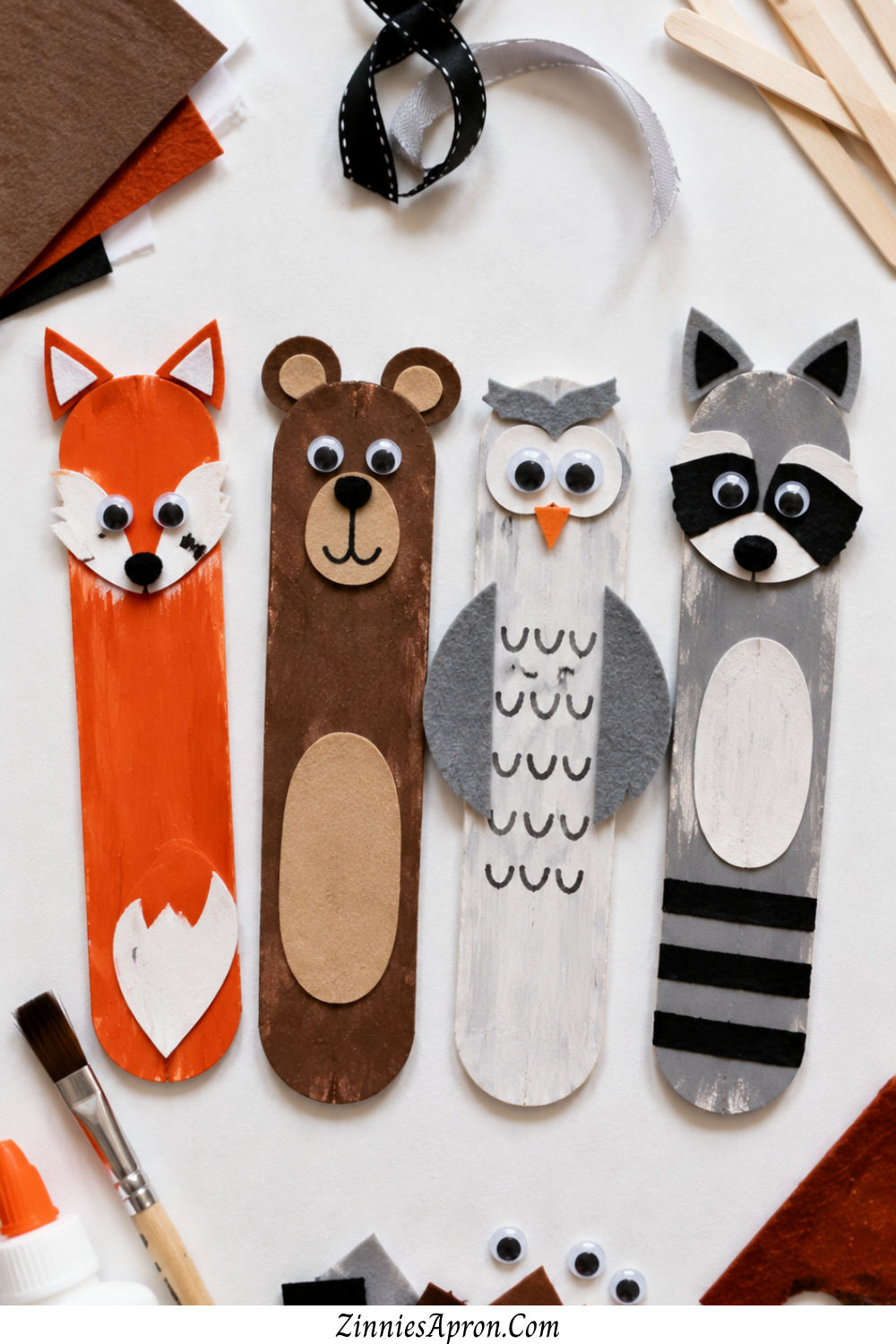
Paint popsicle sticks in different colors orange for fox, brown for bear, gray for raccoon, white for owl. Add small felt or paper ears, googly eyes, and tiny drawn-on noses. Each stick becomes a woodland animal bookmark.
These are great for gifting. Kids make a set of four or five, you tie them with a ribbon, and they go home as a fall gift for parents or grandparents.
They also reinforce the “books and reading” connection, which supports early literacy development in a way that feels fun instead of forced.
Woodland Animal Headband Parade
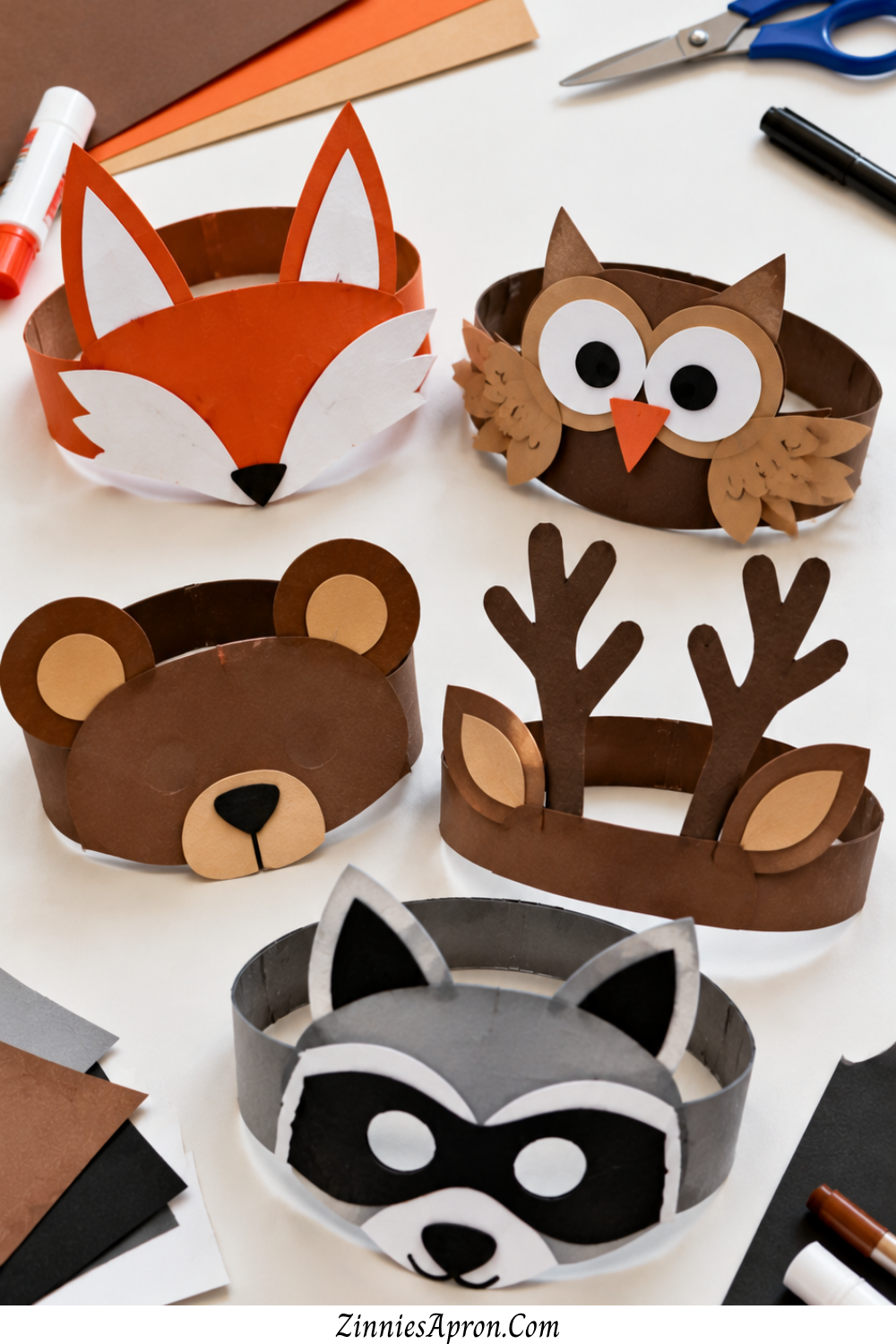
Cut strips of brown or green cardstock to fit around a child’s head (staple or tape to close).
Each child picks a woodland animal — fox ears, owl eyes, bear ears, antlers, raccoon mask — and attaches the features to their headband.
Once everyone’s done, do a woodland animal parade around the classroom or down the hallway.
Movement, music, creativity, community all from a strip of paper and some glue. This is one of those crafts that turns into an event. Kids remember it long after the paper ears fall off.
Tips for Setting Up Woodland Crafts in a Preschool Classroom
You don’t need a complicated setup. A few small decisions ahead of time save you cleanup time and keep the table from turning into chaos.
Pre-cut what needs cutting. Preschoolers can tear paper, pull cotton balls, and press stamps but most can’t cut clean shapes.
Do your triangle ears, circle eyes, and body outlines ahead of time. It doesn’t reduce creativity. It removes frustration.
Set up by station, not by craft. Running multiple woodland animals in a week? Set each one at its own table with all supplies ready. Kids rotate.
This keeps things manageable and gives each craft its own moment instead of blurring into a mess of mixed materials.
Use trays. Dollar store trays or old baking sheets under each child’s workspace catch paint drips, glue blobs, and scrap paper. Cleanup drops from twenty minutes to five.
Let it be imperfect. The goal of woodland animal crafts for preschool is process, not product. If a child paints their fox purple and gives it seven eyes — that’s development. That’s creative decision-making. That’s exactly what early childhood education research supports. Don’t redirect toward “correct” unless there’s a safety reason.
Display everything. Pin every finished craft on a “Woodland Friends” bulletin board. When kids see their work on the wall, it reinforces pride, belonging, and the message that their creative choices matter. That emotional payoff is just as important as the fine motor practice. And if you’re looking for more craft setups that work across seasons, those same principles apply.
FAQ — Woodland Animal Crafts for Preschool
What are the easiest woodland animal crafts for preschoolers?
The paper plate fox face, the brown paper bag bear puppet, and the cupcake liner owl collage are the three easiest. They use basic supplies, require no cutting by the child, and can be completed in under fifteen minutes — ideal for 2-3 year olds or any group where you need low-prep, high-success crafts.
What supplies do I need for woodland animal crafts in the classroom?
Most woodland animal crafts for preschool use supplies you probably already have — paper plates, brown paper bags, construction paper (brown, orange, tan, white, gray), cupcake liners, toilet paper rolls, paint (brown, orange, white, black, gray), glue sticks, googly eyes, cotton balls, popsicle sticks, and markers. A few crafts use natural materials like pinecones, acorns, or pressed leaves — free if you plan a nature walk.
How do I use woodland crafts for multiple learning centers?
Set each animal craft at its own station as a rotating art center. Add a woodland animal sorting or counting game at the math center. Place woodland-themed books at the reading center. Use completed puppet crafts at the dramatic play center for retelling stories. One theme stretches across an entire classroom without repeating a single activity.
What woodland animals are best for fall preschool themes?
Foxes, owls, bears, hedgehogs, squirrels, raccoons, and deer are the most recognizable for preschool-aged children. Bears and hedgehogs connect to hibernation. Squirrels tie into food-gathering and fall changes. Owls and foxes feel especially cozy in autumn. They all work for themed craft nights and classroom units equally well.
Make Woodland Crafts Part of Your Fall Routine
You don’t have to do all twenty at once. Pick three or four. Run them across a week. Watch which ones your kids connect with — and save the rest for next month, next year, or the next group of tiny humans who walk through your door.
Woodland animal crafts for preschool aren’t filler between apple week and the Thanksgiving turkey hand. They’re a full theme that teaches science, builds motor skills, encourages language, and gives kids something they’re genuinely proud to take home. These are the crafts that stay in a teacher’s binder because they work. Every. Single. Time.