This post contains affiliate links. This means I may earn a small commission if you purchase through my links at no extra cost to you.
Can we be honest about fall programming for a minute? It is very easy for September to arrive, pull out the same bingo cards, paint another pumpkin, hang another paper-leaf tree, and call the calendar finished.
The room may look seasonal, but the residents can feel when an activity is only there to fill forty-five minutes. That is the real problem with fall activities for assisted living.
They can become decoration with a start time instead of something people actually want to join.
A good fall activity should give a resident a reason to lean forward. Maybe she wants to settle an argument about which apple tastes best, , maybe he hears a football crowd on an old radio recording and starts talking about the first game his father took him to.
Maybe someone who rarely joins a group can weigh a pear, choose a ribbon, or simply hold a warm cup of tea.
Participation does not have to look the same to count. Talking counts. Watching counts. Choosing between two colors counts.
Tapping one finger to the music counts. So does saying, “No, I would rather sit near the window today.”
That is why this list moves past the familiar fall rotation. You will find sensory experiences, reminiscence prompts, seated movement, useful hands-on work, and outings with indoor alternatives already built in.
If you still need a calm independent option between group sessions, keep these free fall coloring pages for seniors nearby too.
The goal is not a packed calendar.
The goal is a calendar residents can feel themselves inside.
What Makes a Fall Activity Work in Assisted Living?
Engagement Comes Before Entertainment
Entertainment happens in front of residents. Engagement gives them a part in what is happening. A singer can perform for an hour, but the deeper moment may be the resident who chooses the final song and tells everyone why it mattered in 1958.
The National Institute on Aging’s guidance on meaningful activities supports the same basic idea: activities land better when they connect with a person’s interests and sense of purpose.
So, when planning fall activities for assisted living, ask one question first: What can residents decide, contribute, handle, remember, teach, or change?
So, when planning fall activities for assisted living, ask one question first: What can residents decide, contribute, handle, remember, teach, or change?
One Activity Needs More Than One Way In
An ability-inclusive activity has a low entry point and room to do more. During an apple tasting, one resident may score every variety on a large-print card.
Another may choose between two slices. A bedbound resident may smell the apple, taste a spoonful of unsweetened applesauce if approved, or listen while someone describes the vote.
That is the design test. No one should need perfect vision, grip, memory, speech, or mobility to have a real role.
For more setup ideas, the tactile choices in these crafts for seniors with low vision and the tool adjustments in these gentle crafts for seniors with arthritis are genuinely useful beyond craft time.
Sensory Anchors Help the Season Feel Real
Fall is more than orange paper. It is tart apple, cool air, radio football, flannel, rain against glass, and the first warm drink after summer.
One clear sensory anchor can make fall activities for assisted living feel like an experience instead of a theme pasted onto an ordinary task.
Just keep the room calm. One sound, scent, texture, or taste at a time is often enough, especially in memory care. More stimulation is not automatically more engaging.
How This List Is Organized
The 25 ideas are divided into five categories, so you can build a balanced week instead of scheduling three crafts in a row.
Start with one sensory experience, add one memory activity, include gentle movement, then finish the week with something residents can make or anticipate.
These fall activities for assisted living are also designed to sit beside your existing seasonal plans without repeating them.
For month-specific projects, use the September senior craft collection, October nursing-home crafts, and cozy November crafts as separate companion calendars.
Category 1: Multi-Sensory Fall Experiences
These fall activities for assisted living use taste, sound, light, and familiar objects without turning the room into sensory overload.
1. Apple Variety Tasting and Resident Vote
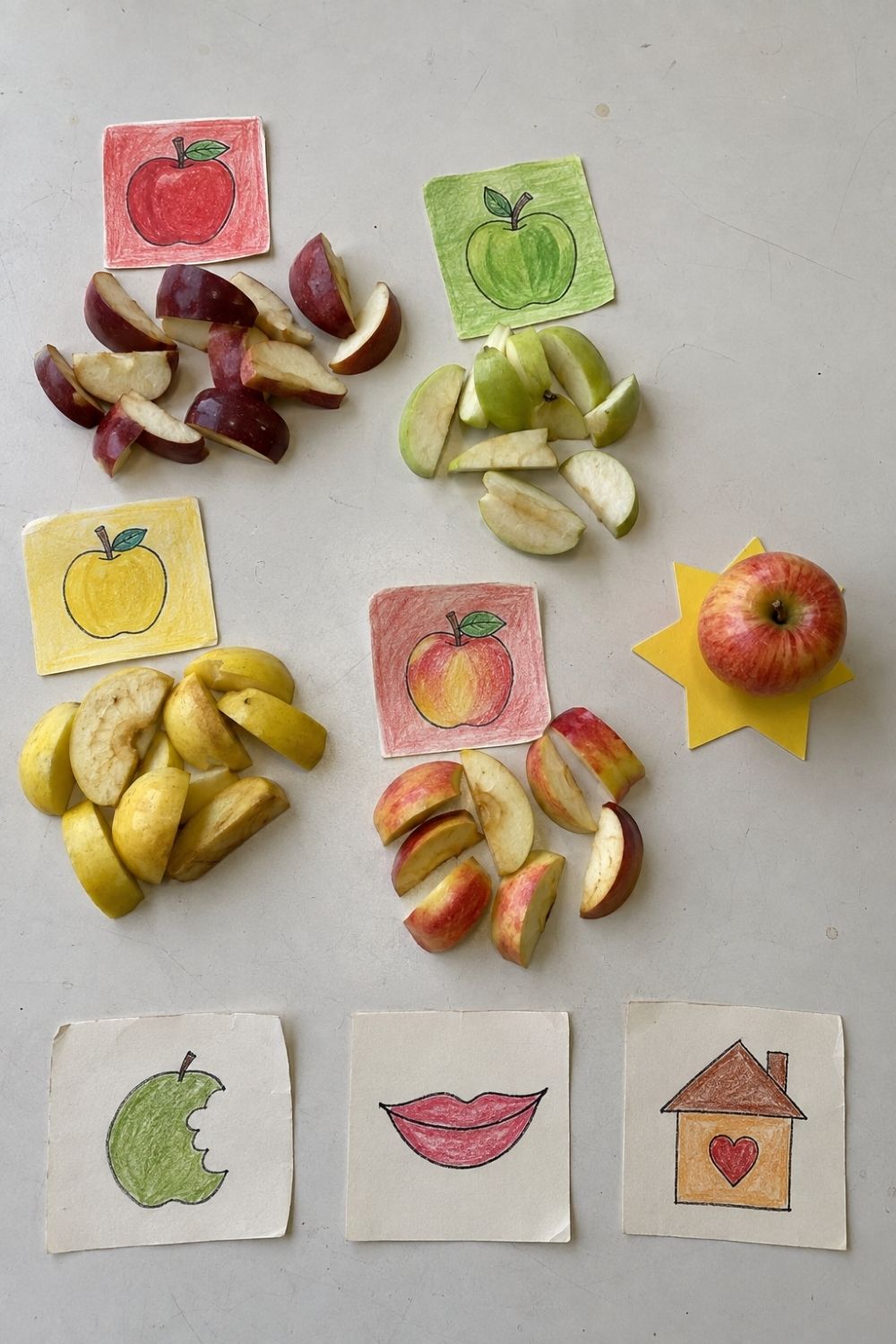
One apple is a snack. Four different apples become a proper debate, and residents usually have opinions.
Offer labeled slices of sweet, tart, crisp, and soft varieties, with texture-modified alternatives approved by dietary staff. Let residents vote for “best crunch,” “best flavor,” and “most like childhood.” Display the winner for the week.
2. Autumn Sound Postcards
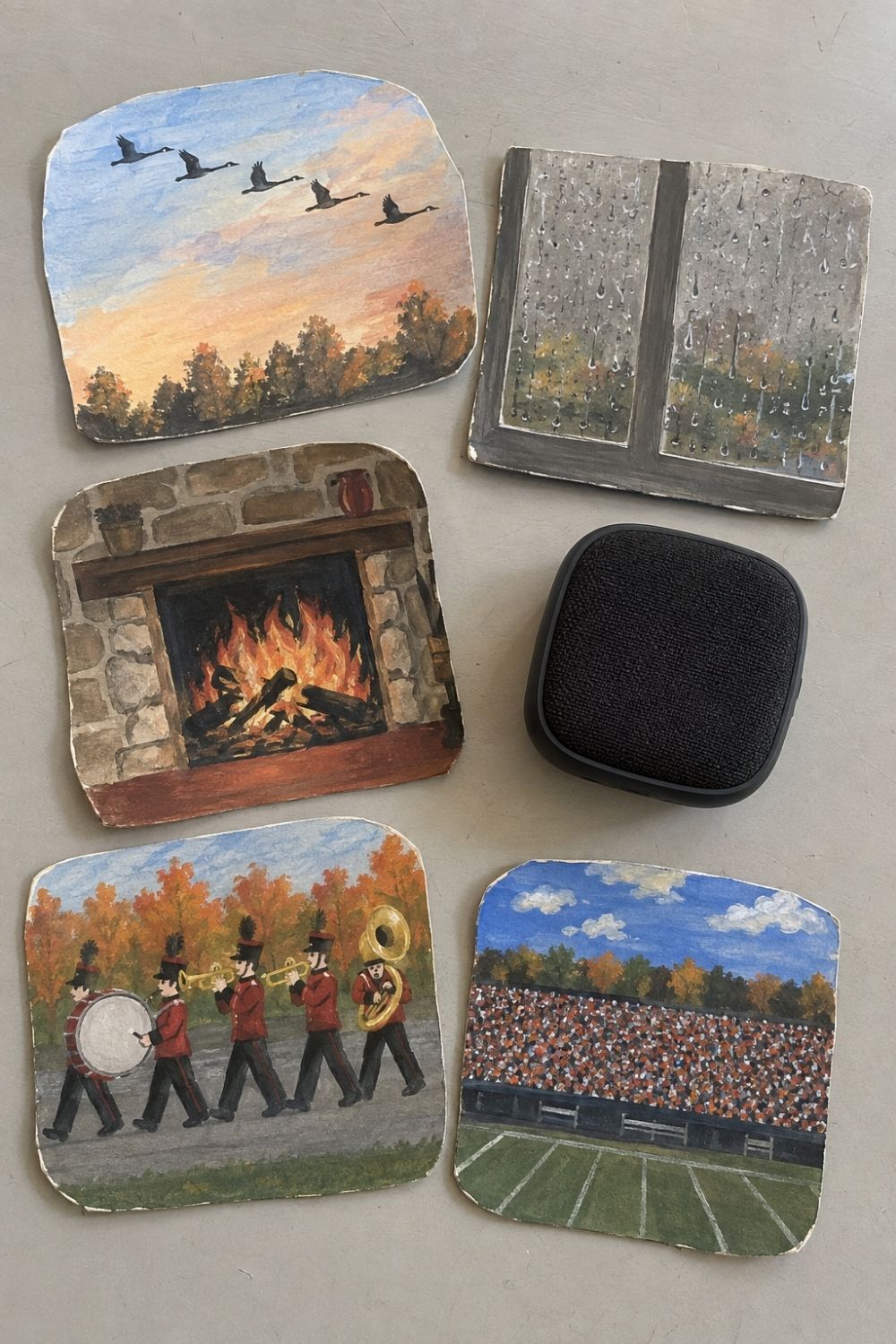
This one brings fall into the room without requiring anyone to move or make something. Play short audio clips of geese overhead, rain on a window, a crackling fire, a marching band, and a distant football crowd.
Residents choose a matching picture card or name what they heard. Keep every sound under twenty seconds, then leave space for memories.
3. Fall Color Light Table
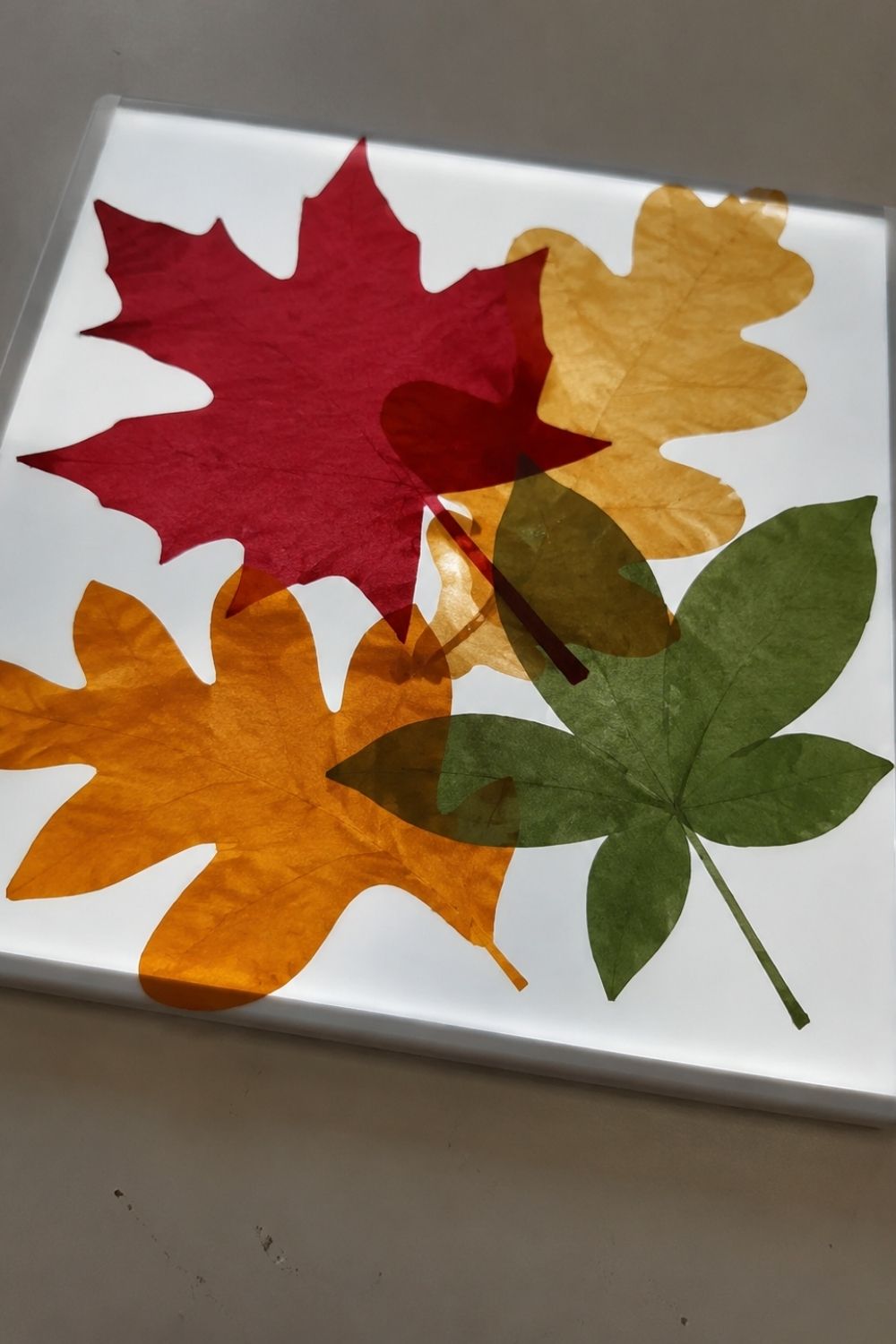
Some residents respond more easily to color than conversation. Place translucent amber, red, gold, and green sheets over a cool LED light panel, then add large leaf silhouettes that can be moved into simple patterns.
Residents can arrange, point, or watch the colors change. This is lovely on a grey afternoon, with no tiny pieces or complicated instructions.
4. Autumn Produce Market Table
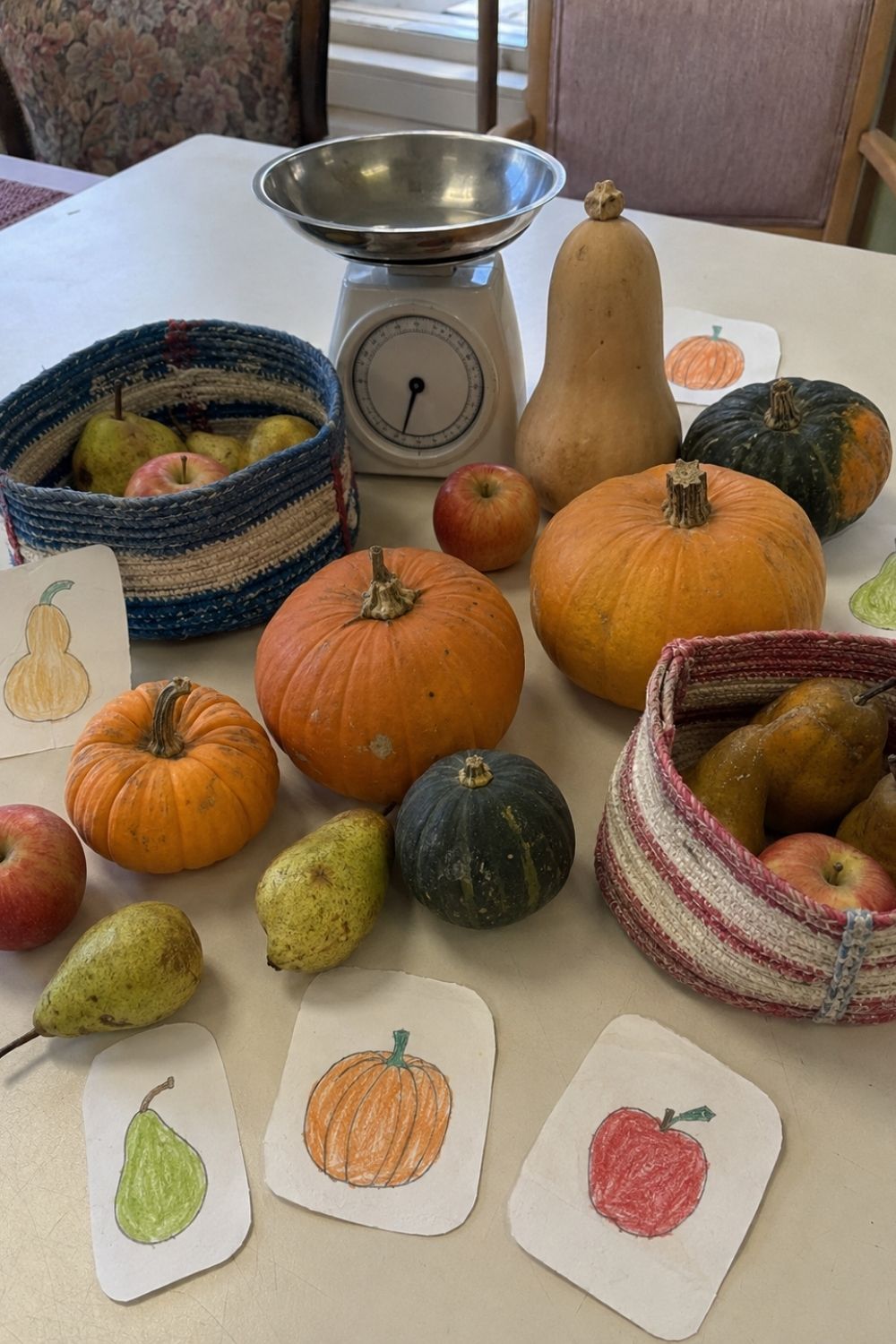
Turn a table into a small farm stand with pumpkins, pears, squash, apples, and a large kitchen scale.
Residents can sort produce by color, compare weights, arrange a display, or choose what should appear on the dining menu.
The handling is the activity. Use washable produce and avoid memory-testing questions. Weighing one pear can be a complete turn.
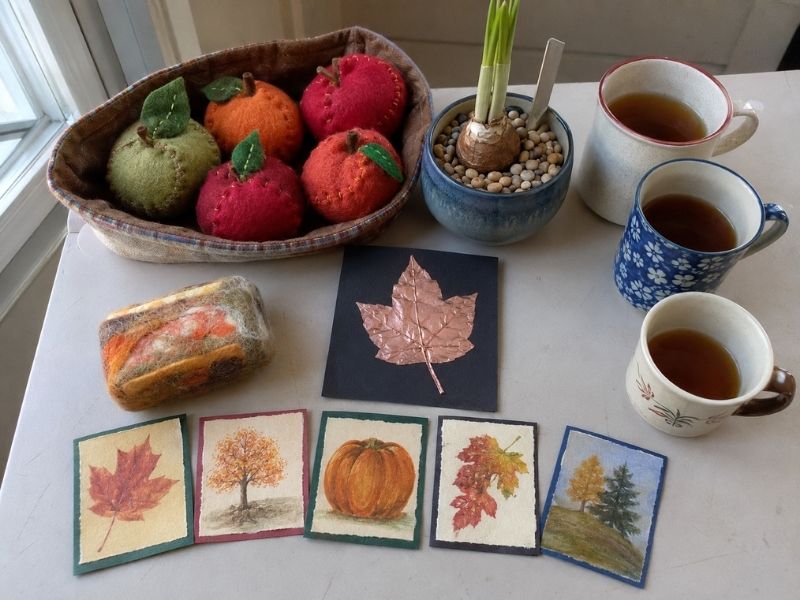
5. Caffeine-Free Fall Tea Flight
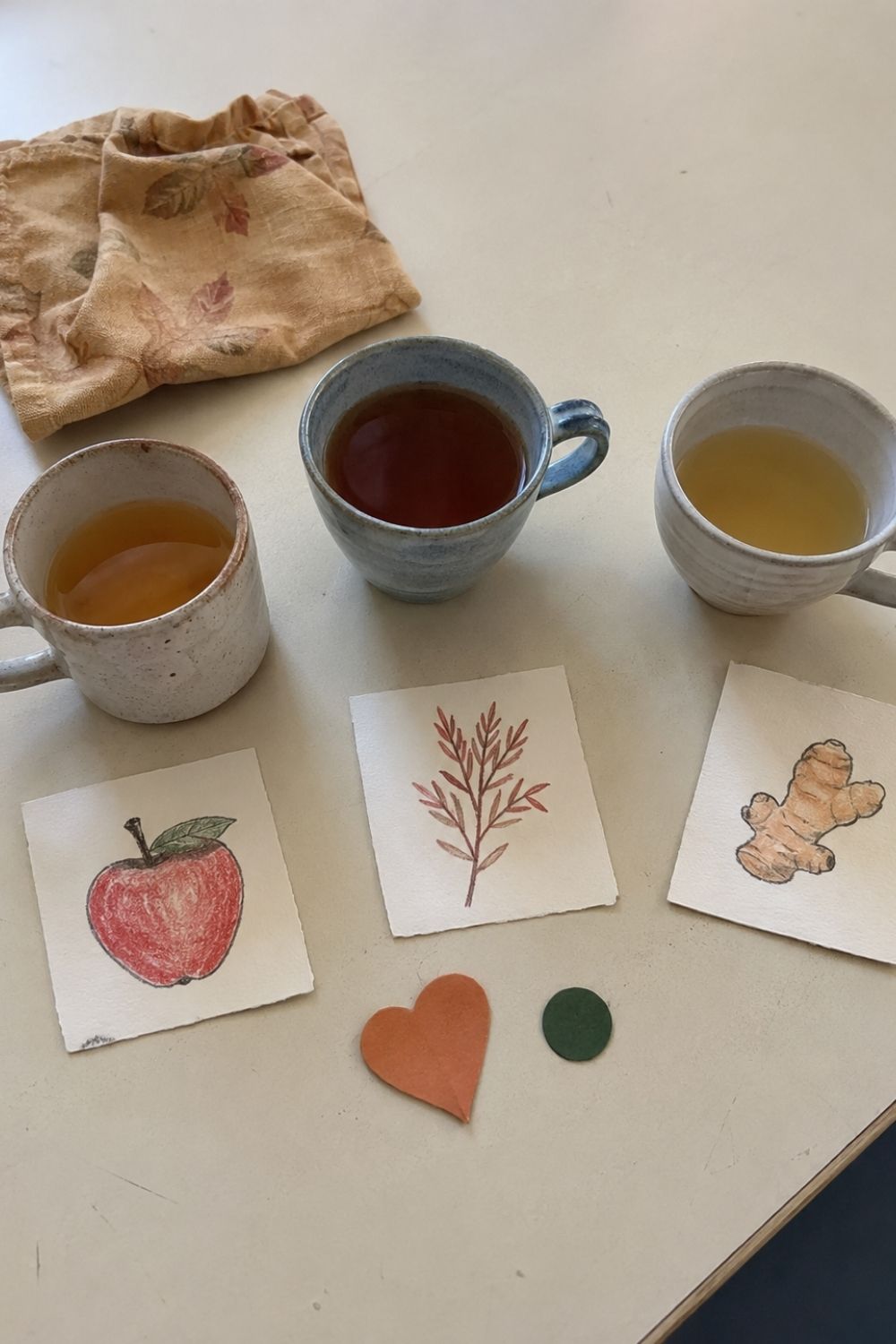
Tea tasting feels grown-up, calm, and pleasantly unhurried. Offer two or three dietitian-approved caffeine-free choices, such as apple herbal tea, rooibos, or mild ginger tea, in small cups.
Residents smell first, sip if appropriate, and choose a favorite. Serve one option at a time so flavors stay distinct.
Category 2: Reminiscence Activities With Better Prompts
Good reminiscence does not quiz residents. It offers a familiar doorway and lets each person decide whether to walk through it.
6. First-Day-of-School Desk Drawer
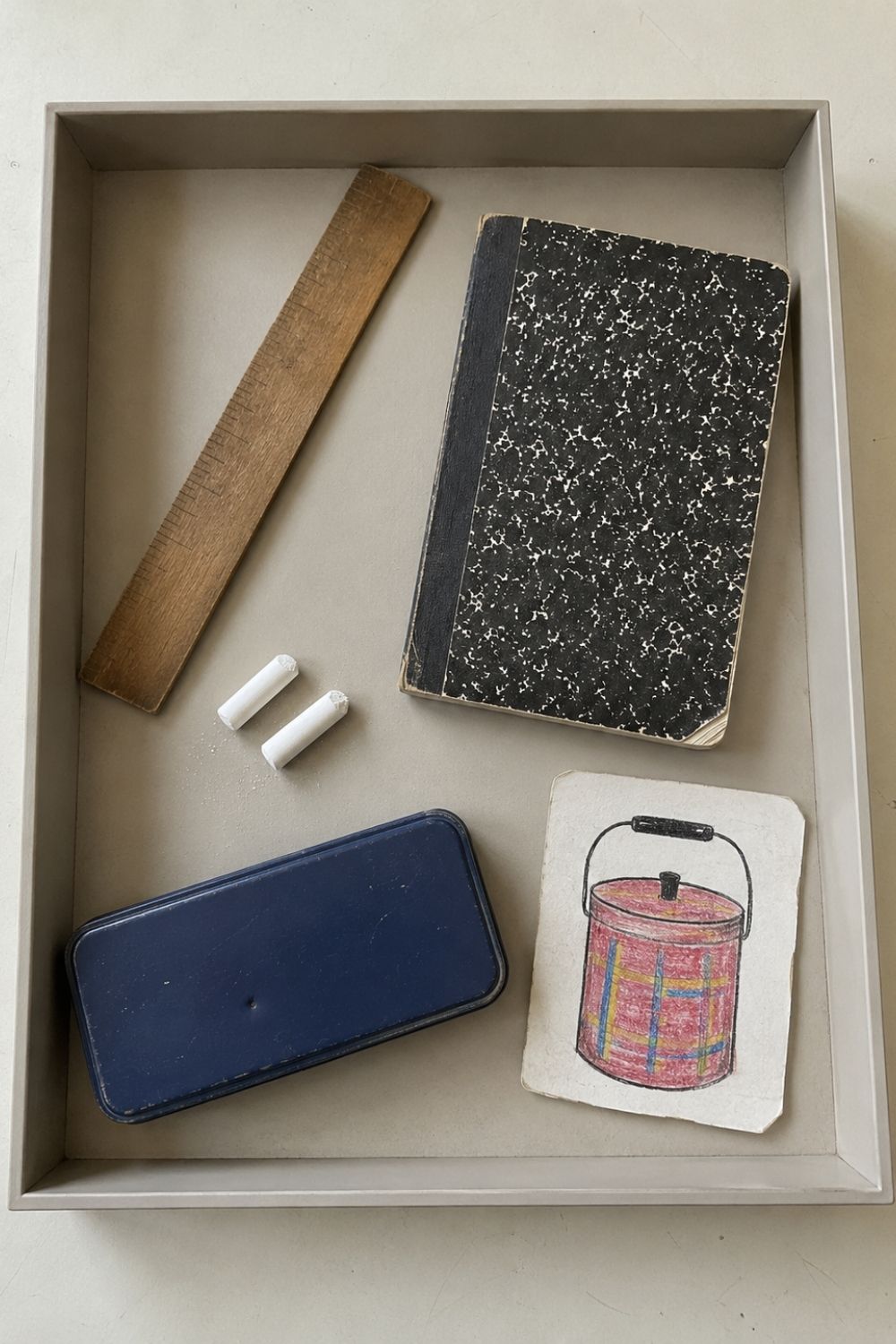
Fill a shallow drawer with a wooden ruler, chalk, a marble notebook, a pencil box, an old lunch pail image, and a school bell recording. Pass one object at a time and ask what feels familiar.
Ask, “Did you carry lunch or go home to eat?” Specific prompts are kinder than memory tests.
7. Getting-Ready-for-Winter Suitcase
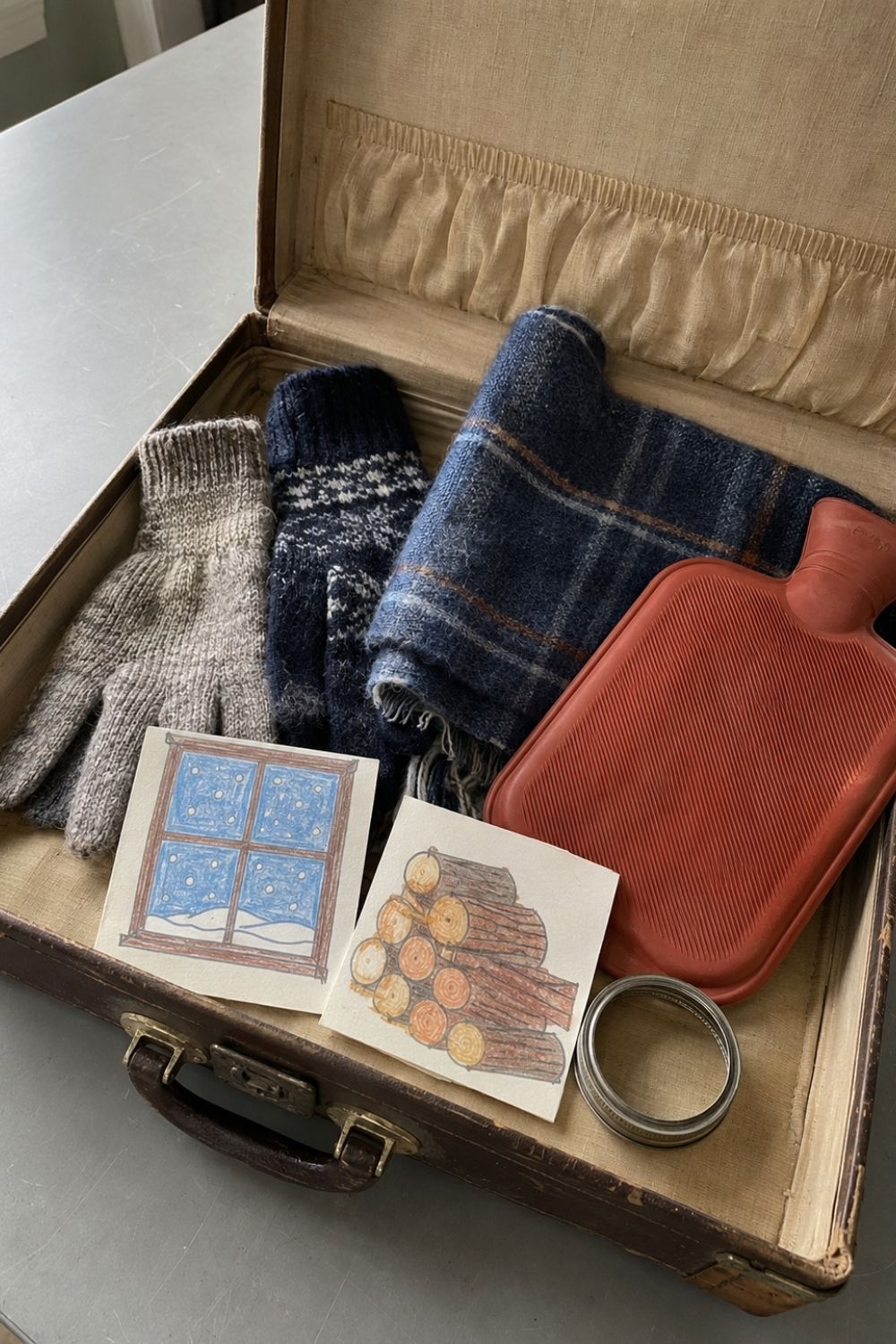
Open a vintage suitcase filled with gloves, a wool scarf, a hot-water bottle, a canning-jar ring, and photographs of storm windows or stacked firewood. Each object can lead somewhere different.
Ask what families did before cold weather. Residents who do not want to speak can sort items into “indoors” and “outdoors.”
8. Saturday Radio Football Memories
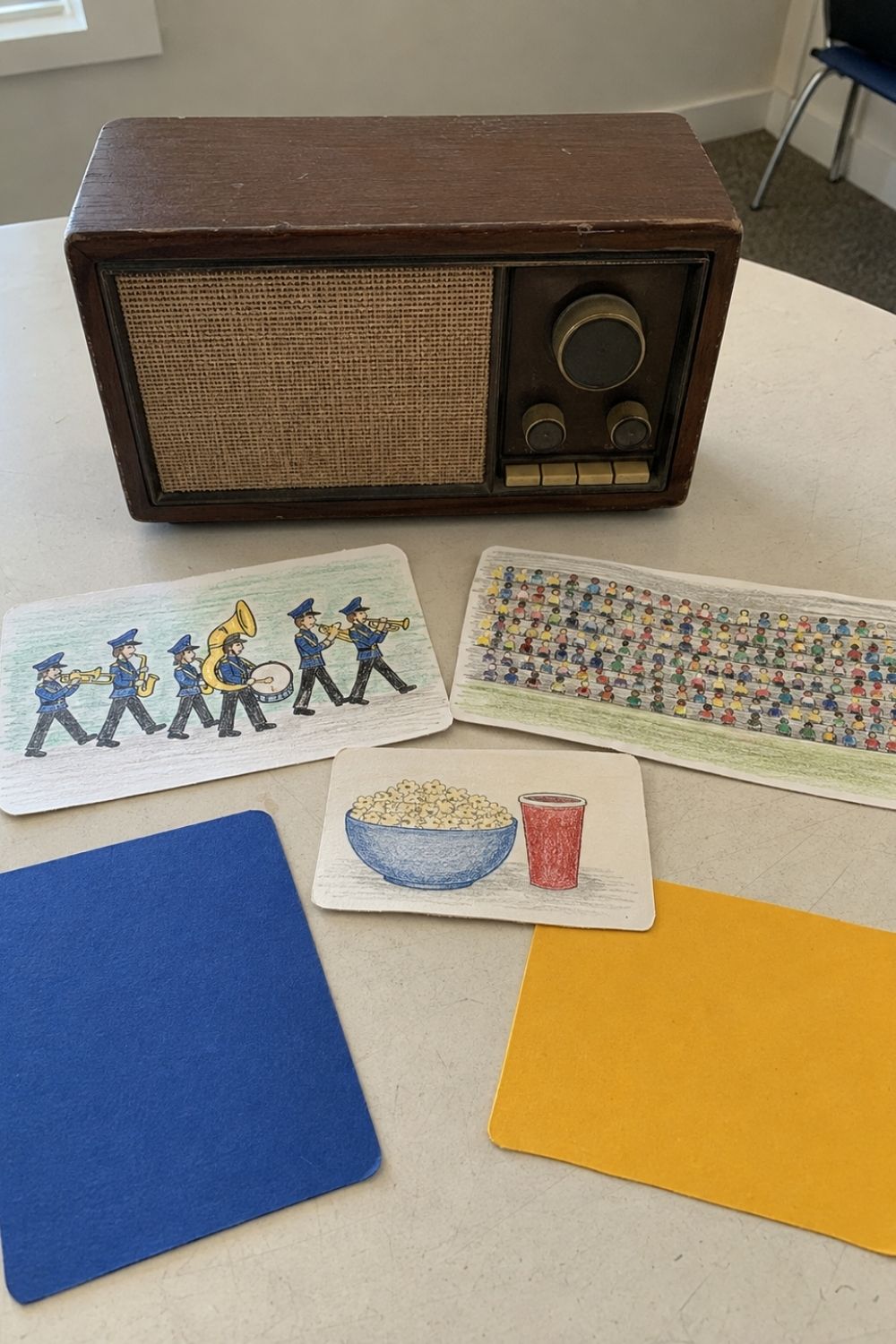
You do not need residents to know team statistics. The sound of a whistle, a marching band, or a radio announcer is enough to open the room.
Play a short broadcast, then ask about game-day food, school colors, or listening beside a parent. Keep rivalry playful, and include non-sports fans.
9. Old Fall Catalog Shopping Circle
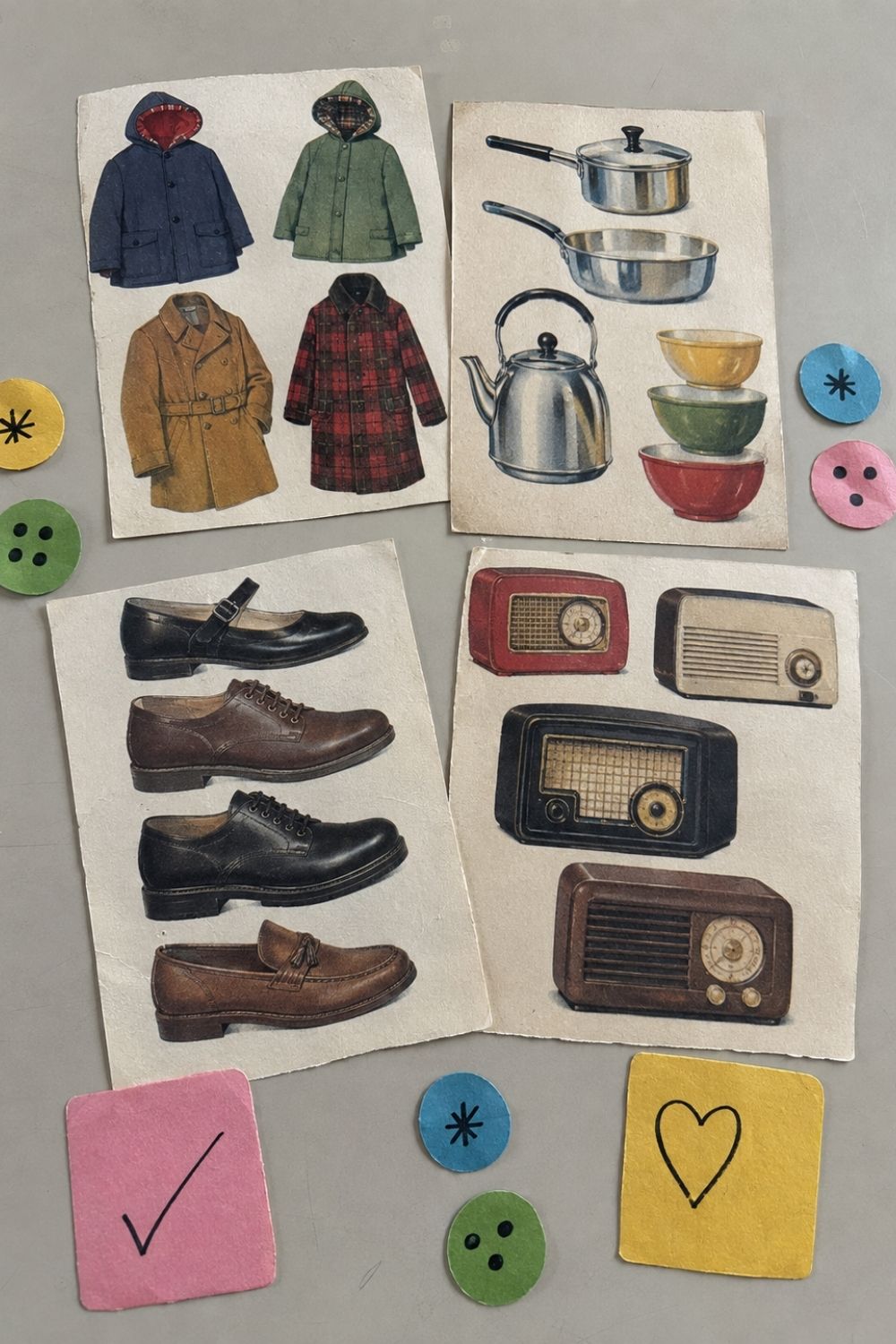
Large-print reproductions of old catalog pages can start wonderful conversations about coats, kitchenware, school shoes, radios, and household prices.
Give each resident a pretend budget and ask what they would buy.
The answers reveal priorities without demanding history. The free memory book activity for seniors gives any stories that follow somewhere to live.
10. Weather Sayings and Harvest Proverbs Circle
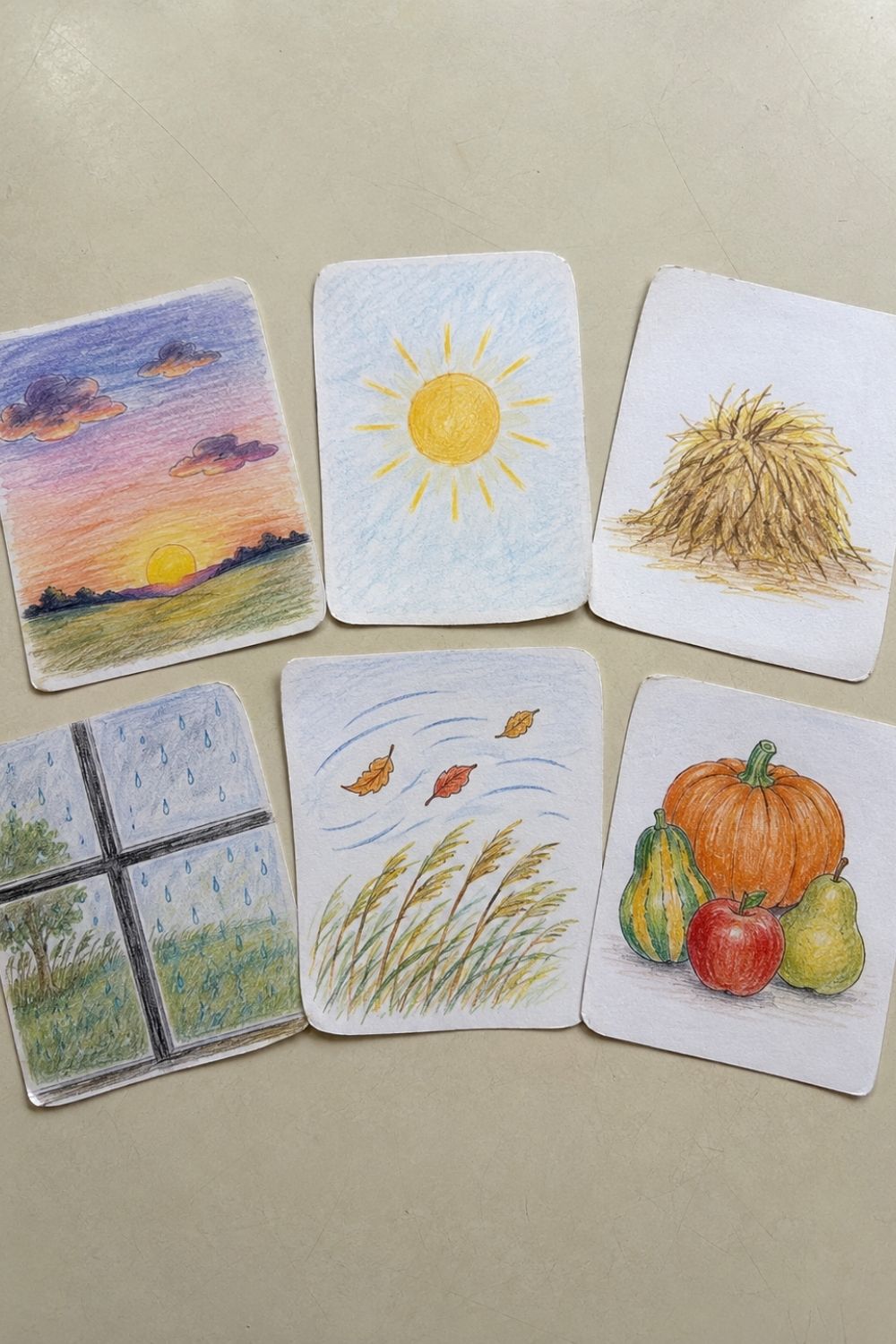
Write familiar sayings in large print: “Red sky at night,” “Make hay while the sun shines,” or regional phrases residents suggest.
Read the first half and let the group finish it, discuss it, or disagree with it.
This fall activity for assisted living can run for ten minutes or forty. The free conversation cards for aging parents offer a gentle follow-up.
Category 3: Movement and Group Activities
Movement should feel like part of the story, not an exercise class wearing a pumpkin hat.
11. Chair-Friendly Leaf-Raking Simulation
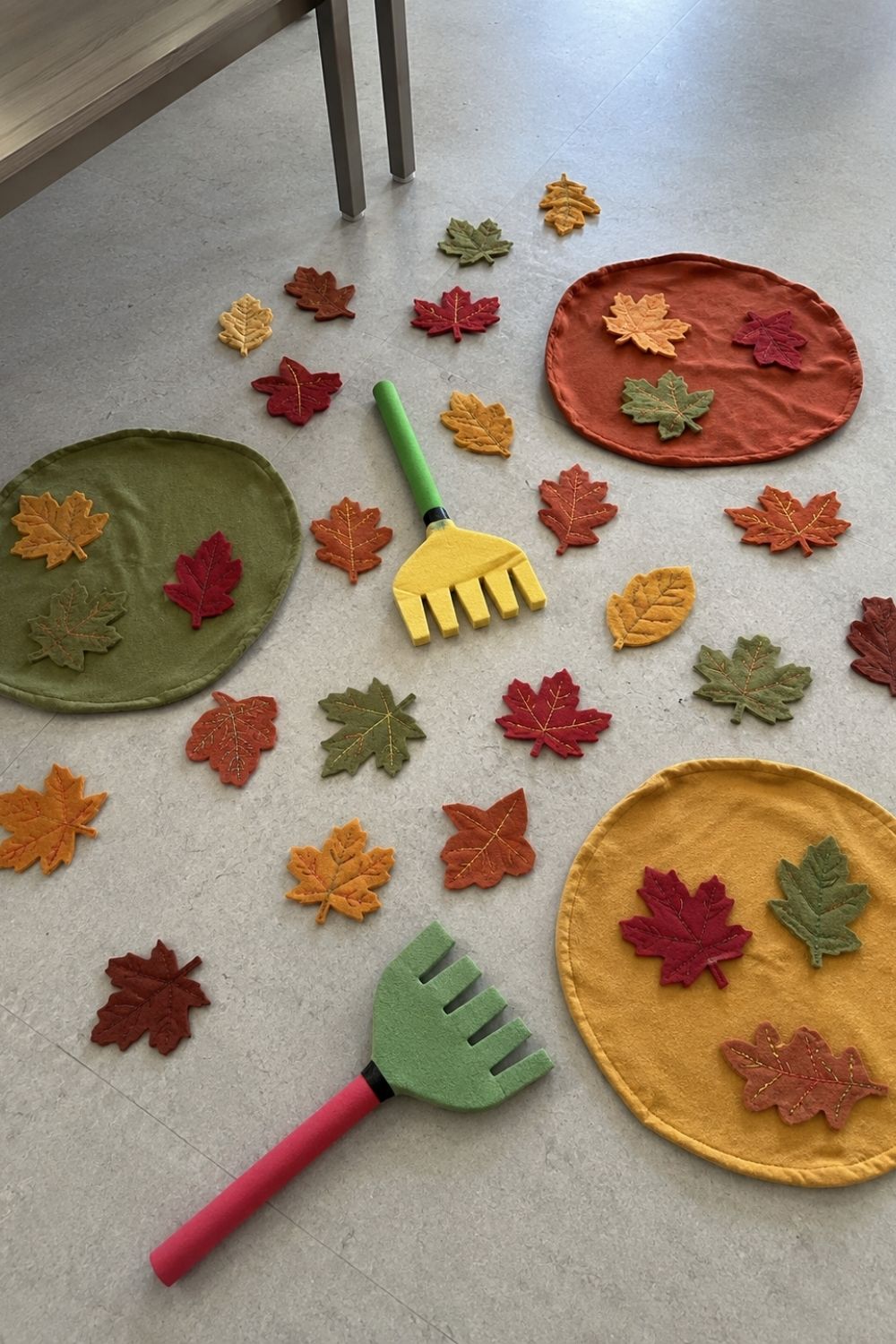
Scatter large felt leaves on a table or clean floor mat and give residents short foam noodles or lightweight reachers.
From a chair, they move the leaves into colored “yard” zones.
Some will sort one leaf; others will race the clock. Keep resistance light and reaching close, with clinical guidance where needed.
12. Indoor Apple Bowling
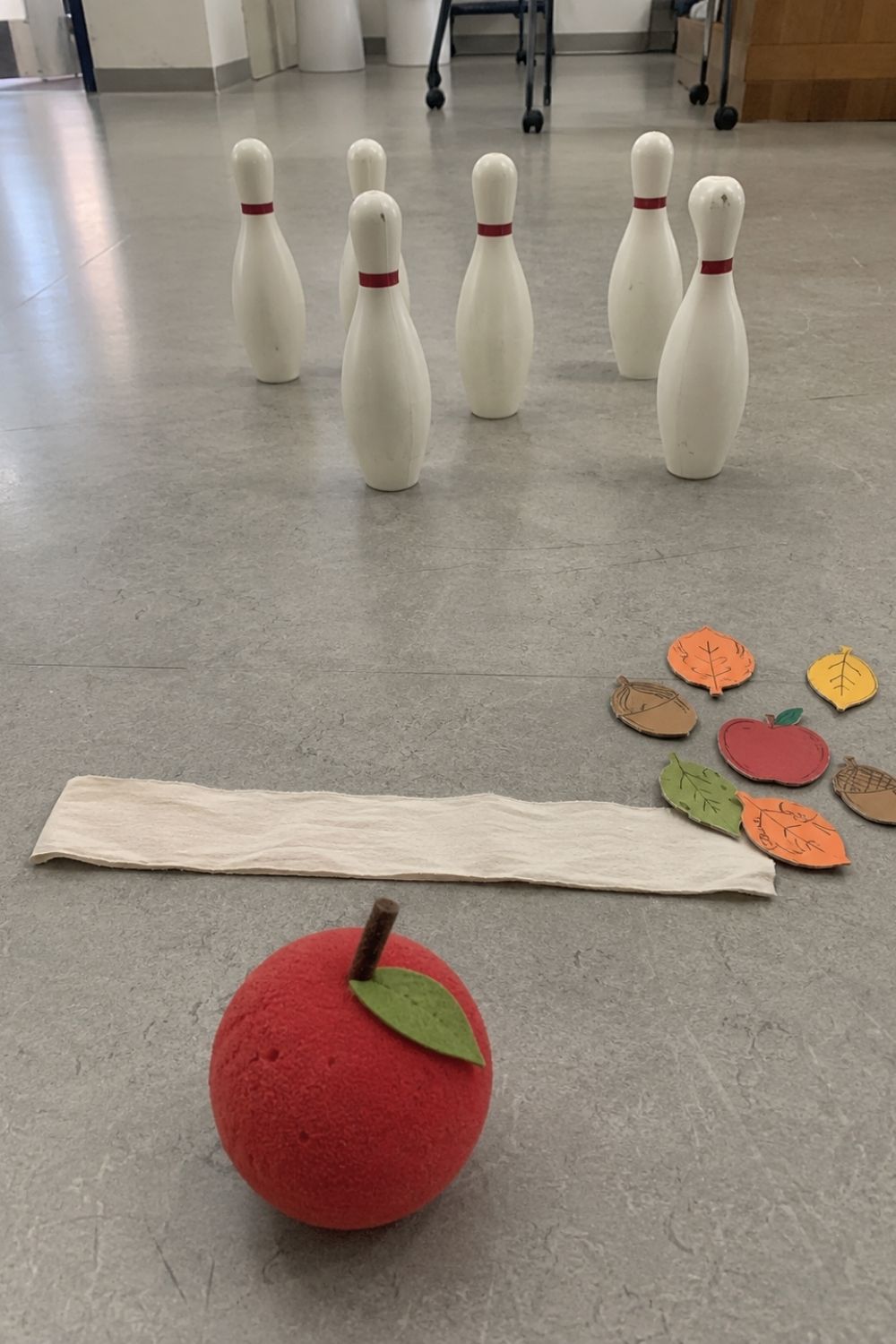
Set up six lightweight plastic pins and use a red foam ball as the apple. Residents bowl from a chair, wheelchair, or standing mark, with the pins moved closer when needed.
Give points for effort, accuracy, and the most dramatic roll. Save the ability-adapted Halloween party games for October.
13. Migrating Geese Stretch Story
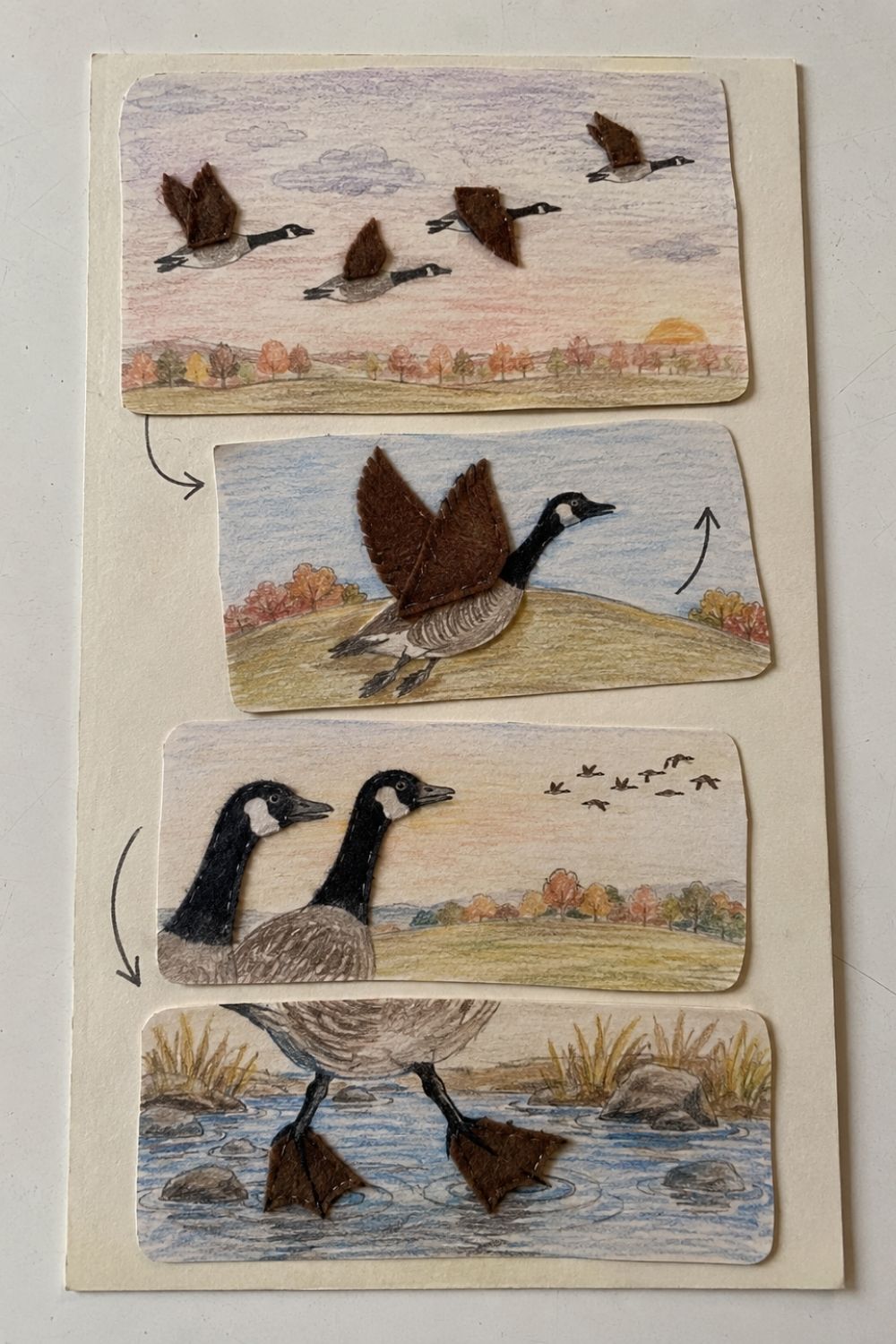
Guide a short seated story in which hands become wings, shoulders lift over a hill, heads turn toward a distant flock, and feet tap through a shallow stream. Every motion can be made smaller or skipped.
The story keeps movement from feeling clinical. Demonstrate slowly from a chair, and never reposition a resident without training and consent.
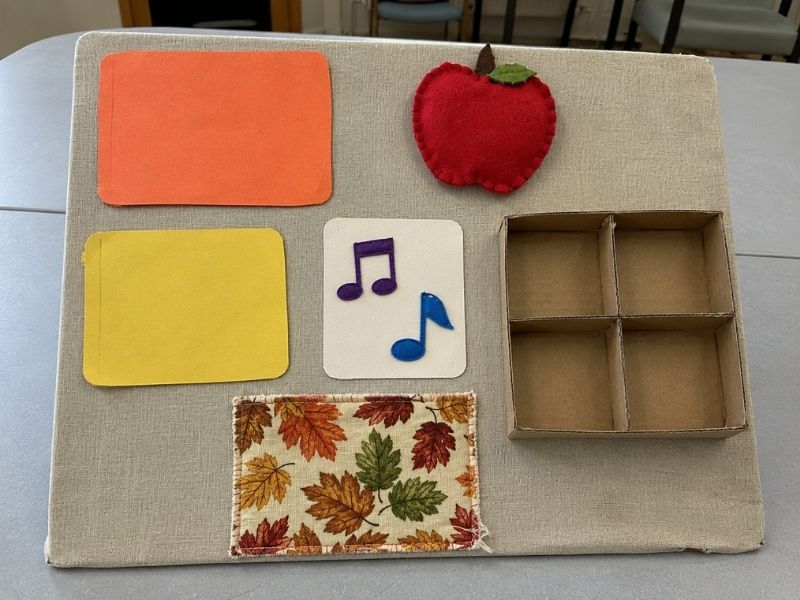
14. Orchard Reach-and-Place Game
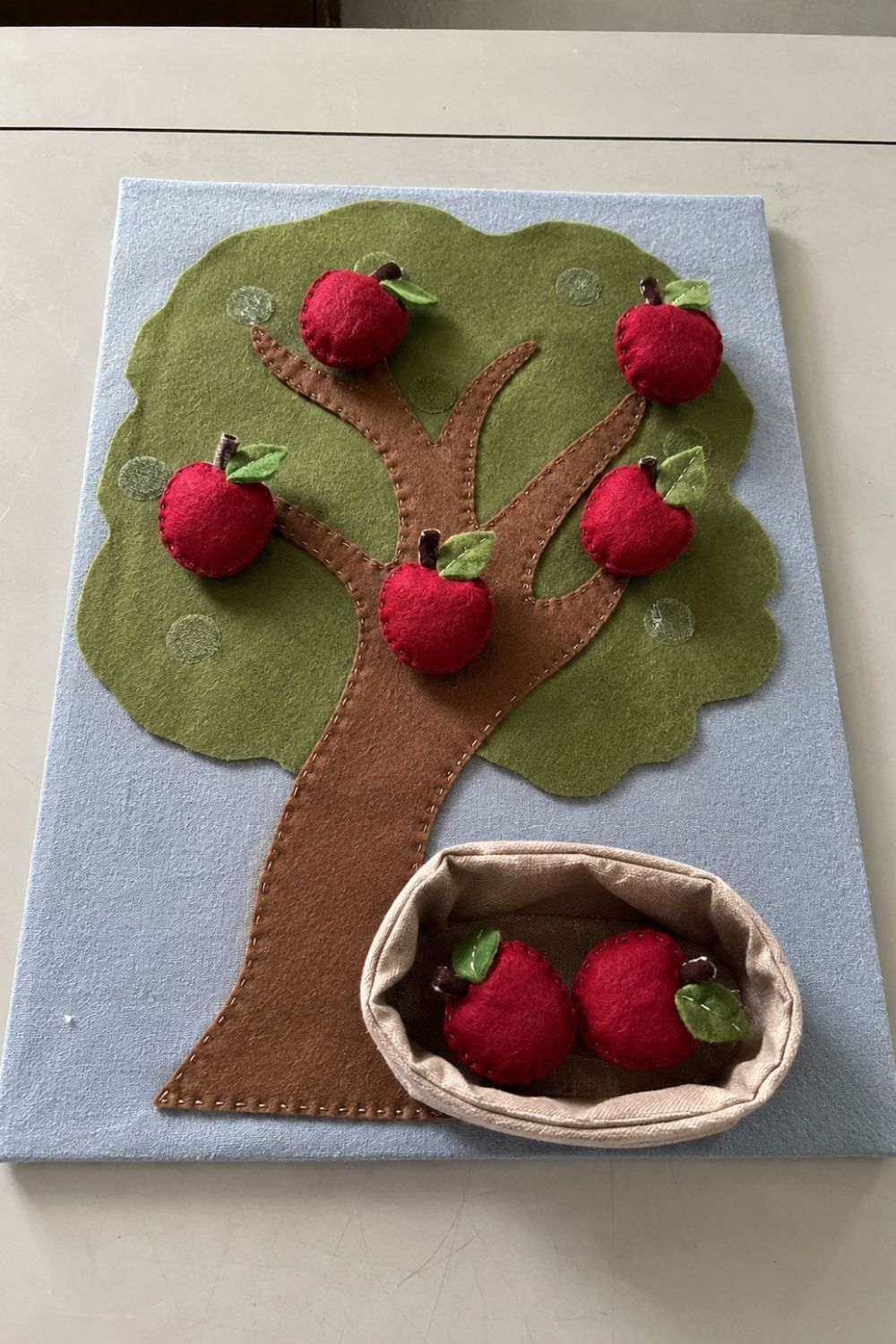
Attach large felt apples to a tabletop felt tree using hook-and-loop dots. Residents remove an apple and place it in a basket positioned within their safe reach.
Move the basket only for those wanting more challenge. One apple is a complete turn. A partner can count, sort, or cheer.
15. Fall Path Roll-and-Walk Course
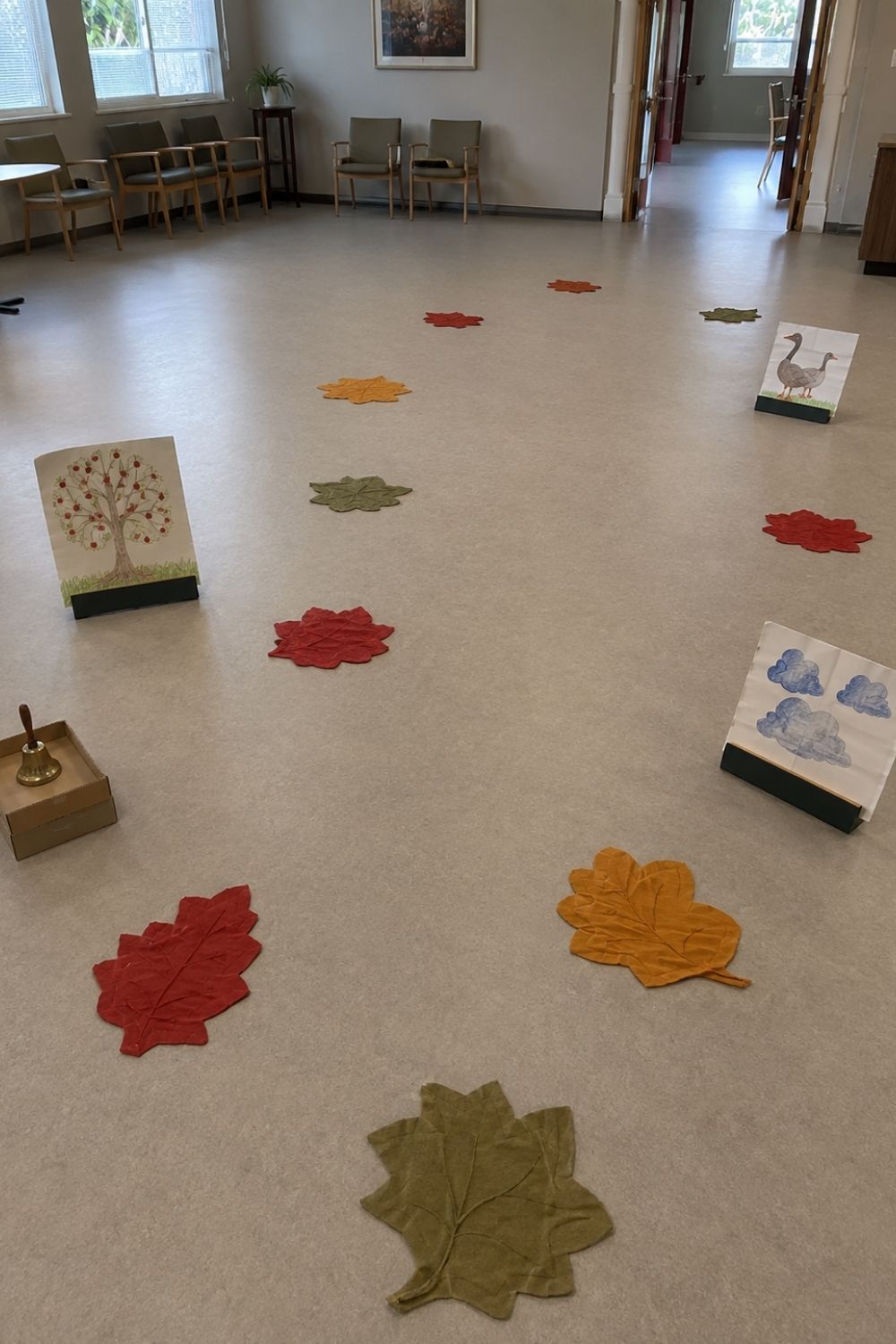
Create a wide indoor route with large leaf decals, photo stops, and clear turning space for walkers and wheelchairs.
At each stop, residents ring a bell, name a color, or choose the next direction.
This is not a race. It is a reason to travel with purpose. Remove rugs, cords, and anything narrowing the path.
Category 4: Craft and Hands-On Activities That Feel New
These projects avoid the familiar wreath-pumpkin-gratitude-tree loop while still giving residents something satisfying to finish.
16. Plant Paperwhite Bulbs in Pebbles
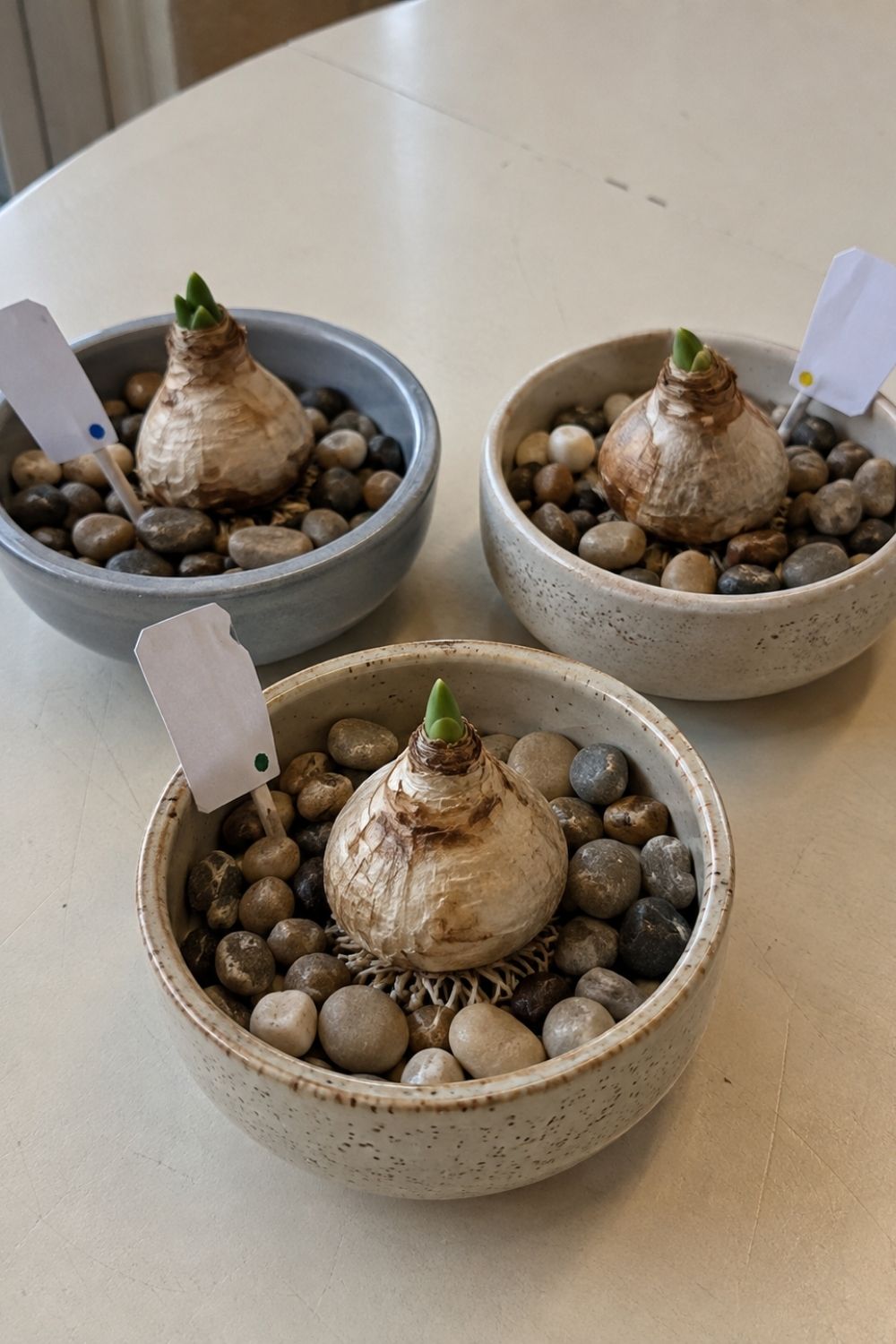
Planting a bulb is hopeful because the finished part comes later. Use wide, stable containers, large pebbles, and one paperwhite bulb per resident or table.
Residents add stones, position the bulb, and choose its label. No precise digging is required. Photograph weekly growth so the activity keeps returning.
17. Assemble Harvest Soup Mix Kits
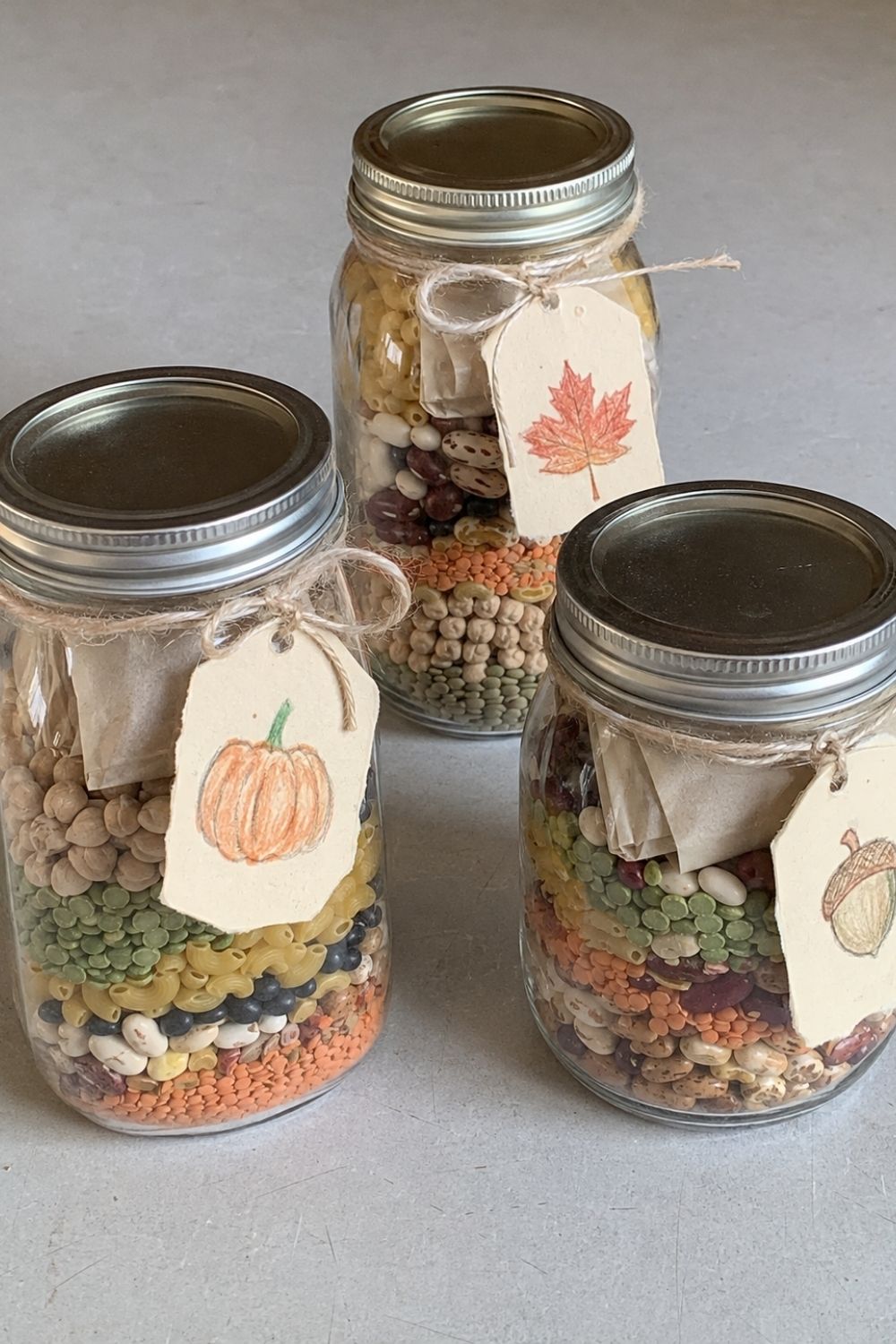
Layer dried beans, lentils, pasta, and sealed seasoning packets into clear containers for a community pantry, staff raffle, or family gift.
Dietary staff should approve ingredients and allergy labeling before the session.
Residents scoop, hold the funnel, count layers, label, or inspect. Purpose changes the whole table. Nothing is made just to be discarded.
18. Shape Leaf-Topped Dinner Rolls
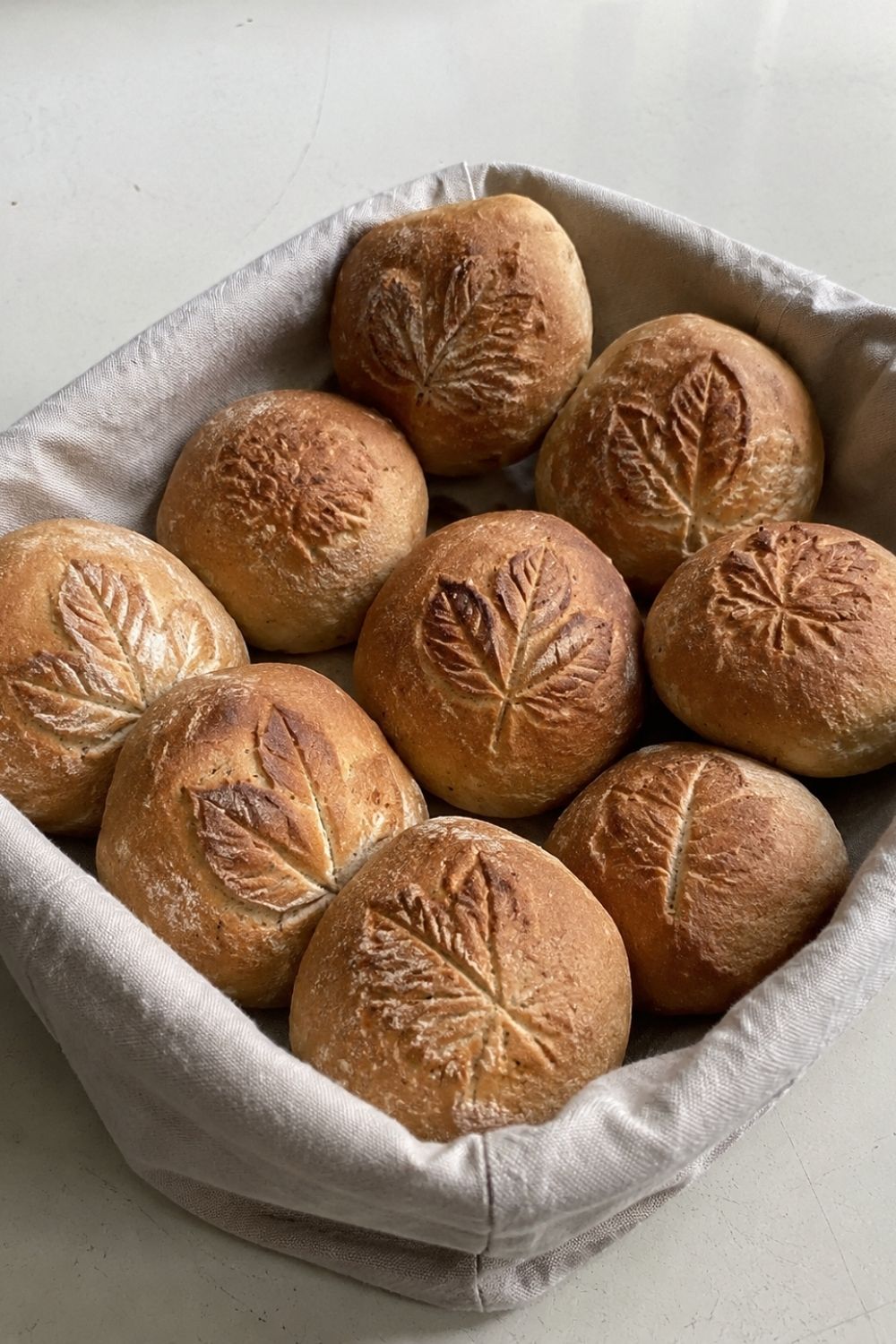
Ready-made dough keeps this activity about touch and choice instead of difficult measuring.
Residents shape a roll, press a clean food-safe leaf stamp on top, or brush on an approved egg-free glaze with a wide pastry brush.
Kitchen staff handles baking and dietary checks. The returning smell is part two of the activity.
19. Copper-Foil Fall Embossing
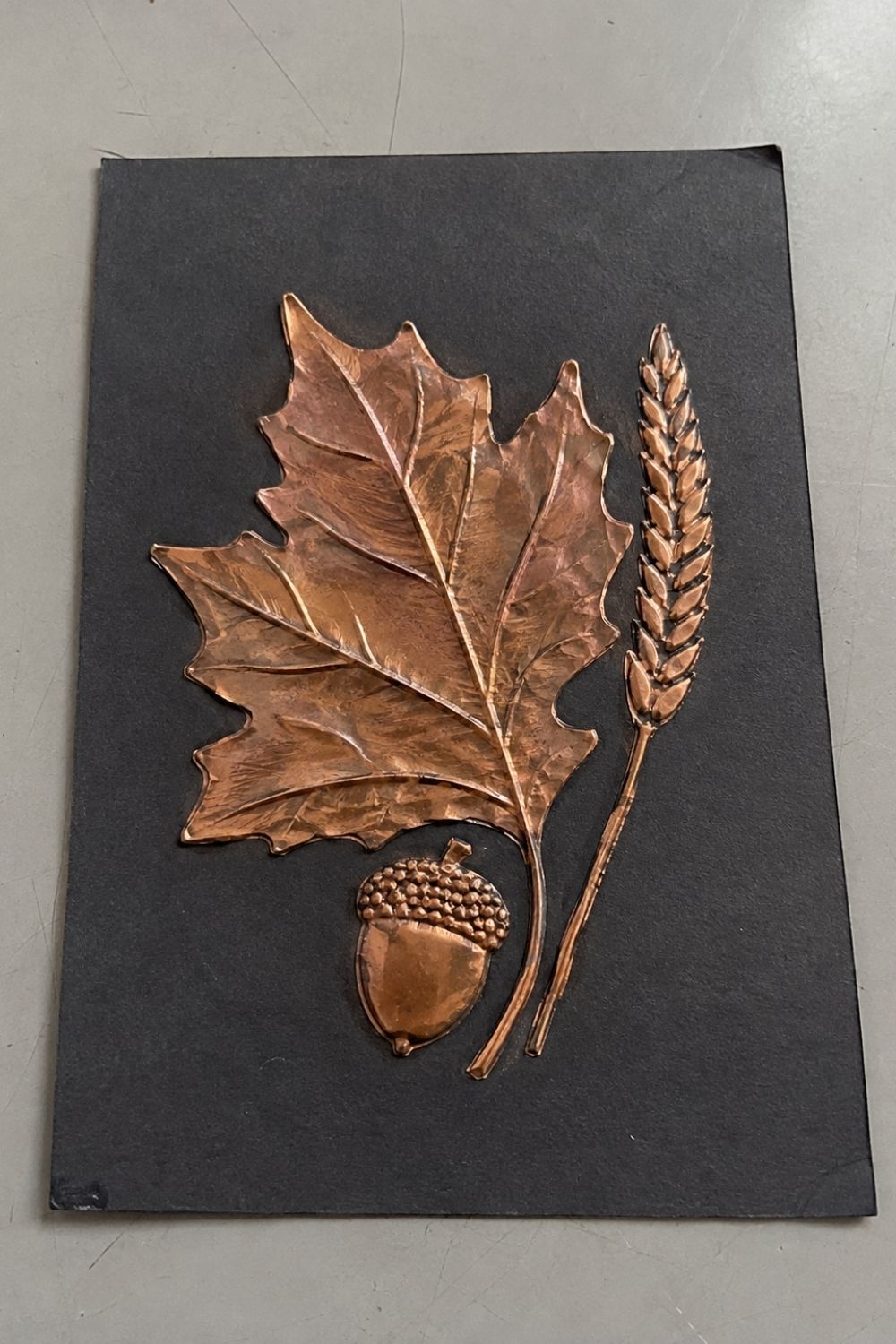
This one looks properly adult when it is finished. Place thin craft foil over a large leaf, wheat, or acorn template, then use a blunt, wide-handled stylus to press the outline.
Residents can emboss one line or the whole design. Staff mounts it on dark cardstock. These low-grip paper crafts for seniors offer gentler handwork another day.
20. Wet-Felted Autumn Soap Bars
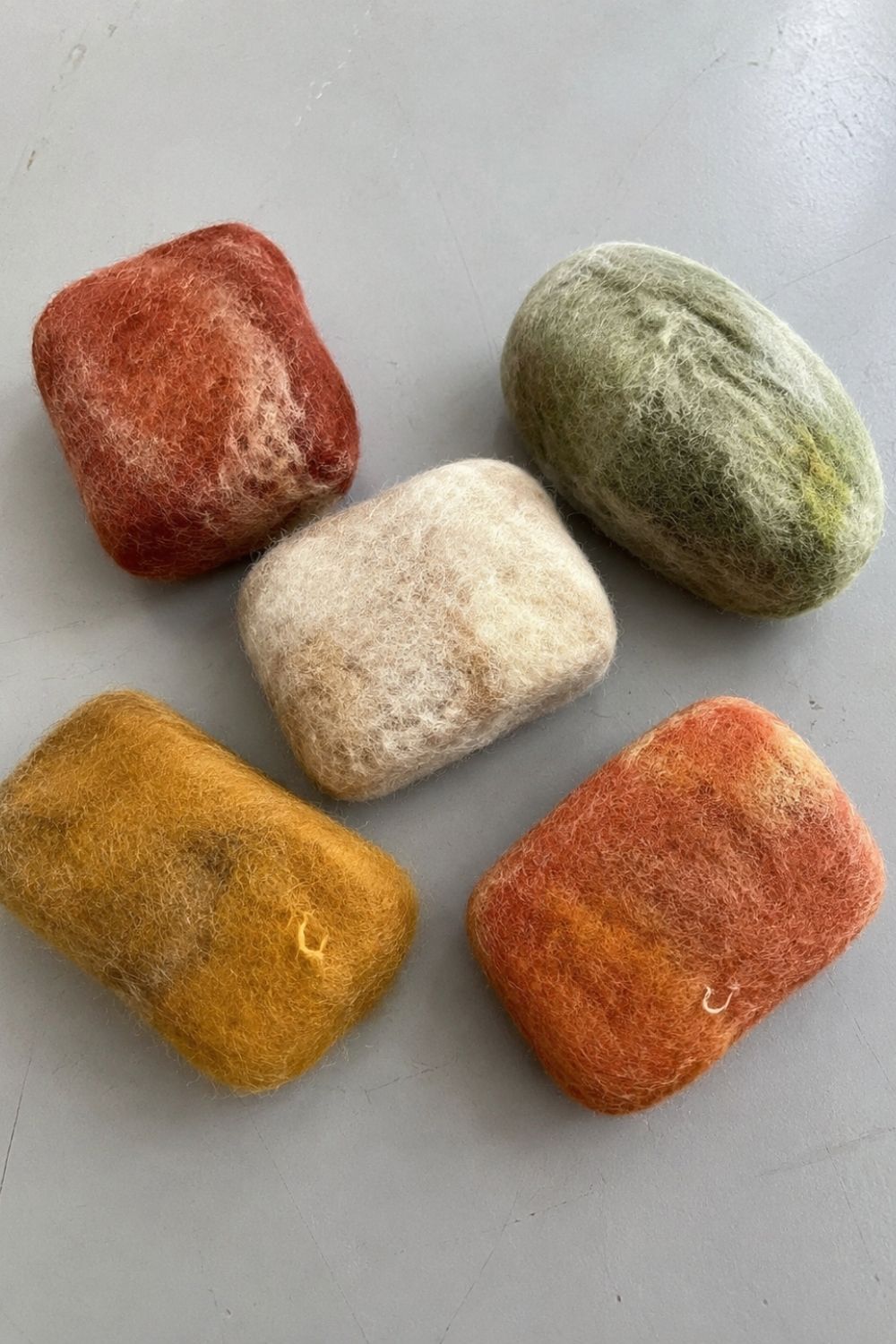
Wrap a bar of unscented soap in orange, rust, gold, or cream wool roving, wet it with warm water, and roll it gently inside a textured mat until the fibers tighten.
Staff can finish the rolling if hands tire.
The result is useful, giftable, and tactile. Check sensitivities, use comfortably warm water, and provide individual basins.
Category 5: Outings and Special Events
The best outings begin with the route, toilet access, seating, weather plan, medication timing, and resident choice not the group photo.
21. Accessible Apple Orchard Visit
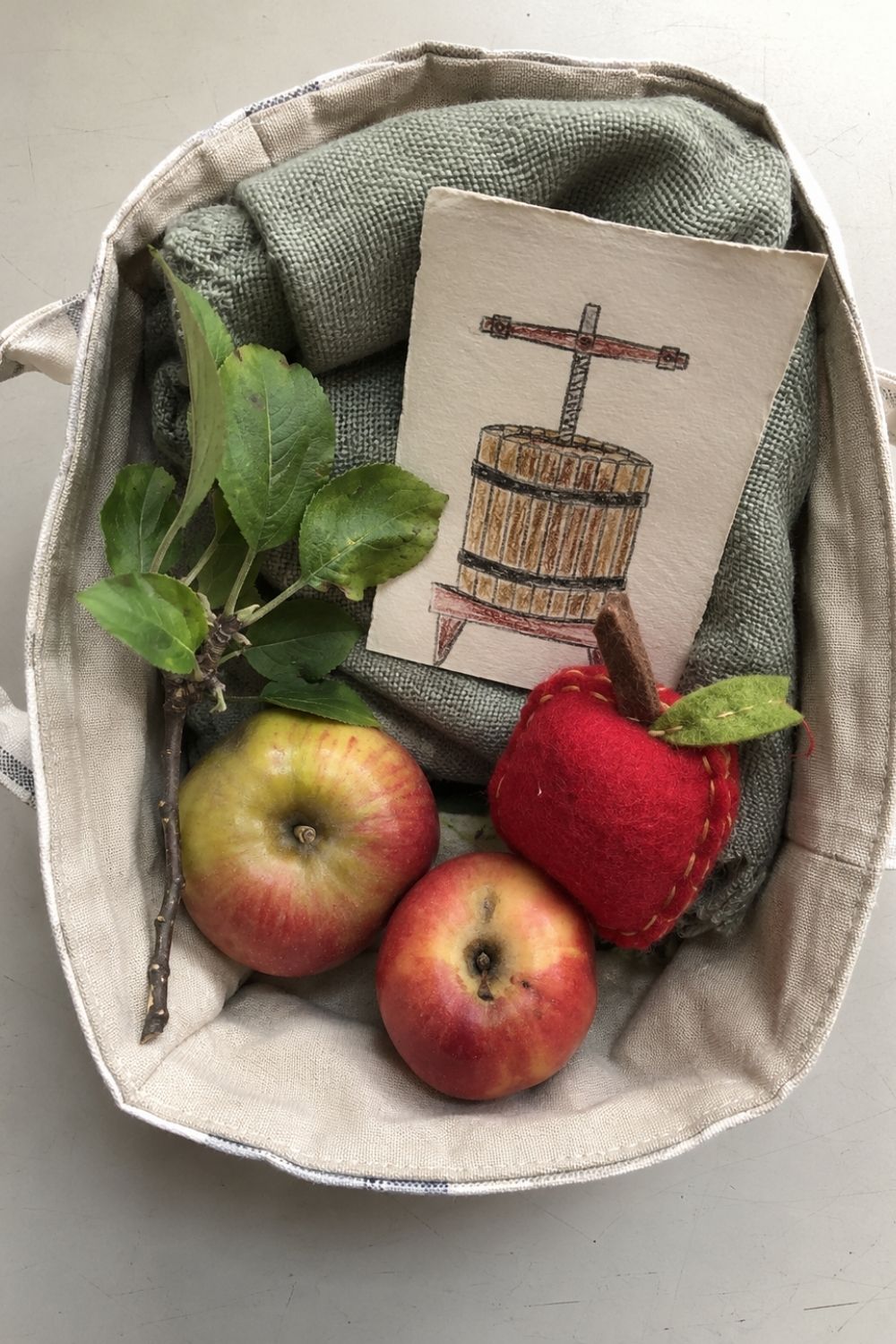
Choose an orchard with paved paths, accessible toilets, indoor seating, and a drop-off point close to the entrance.
Call before booking; “wheelchair friendly” can mean very different things.
Residents may pick an apple, watch cider pressing, or sit near the shop. It still counts if someone never enters the rows.
22. Pumpkin Patch Trip With a Seated Base Camp
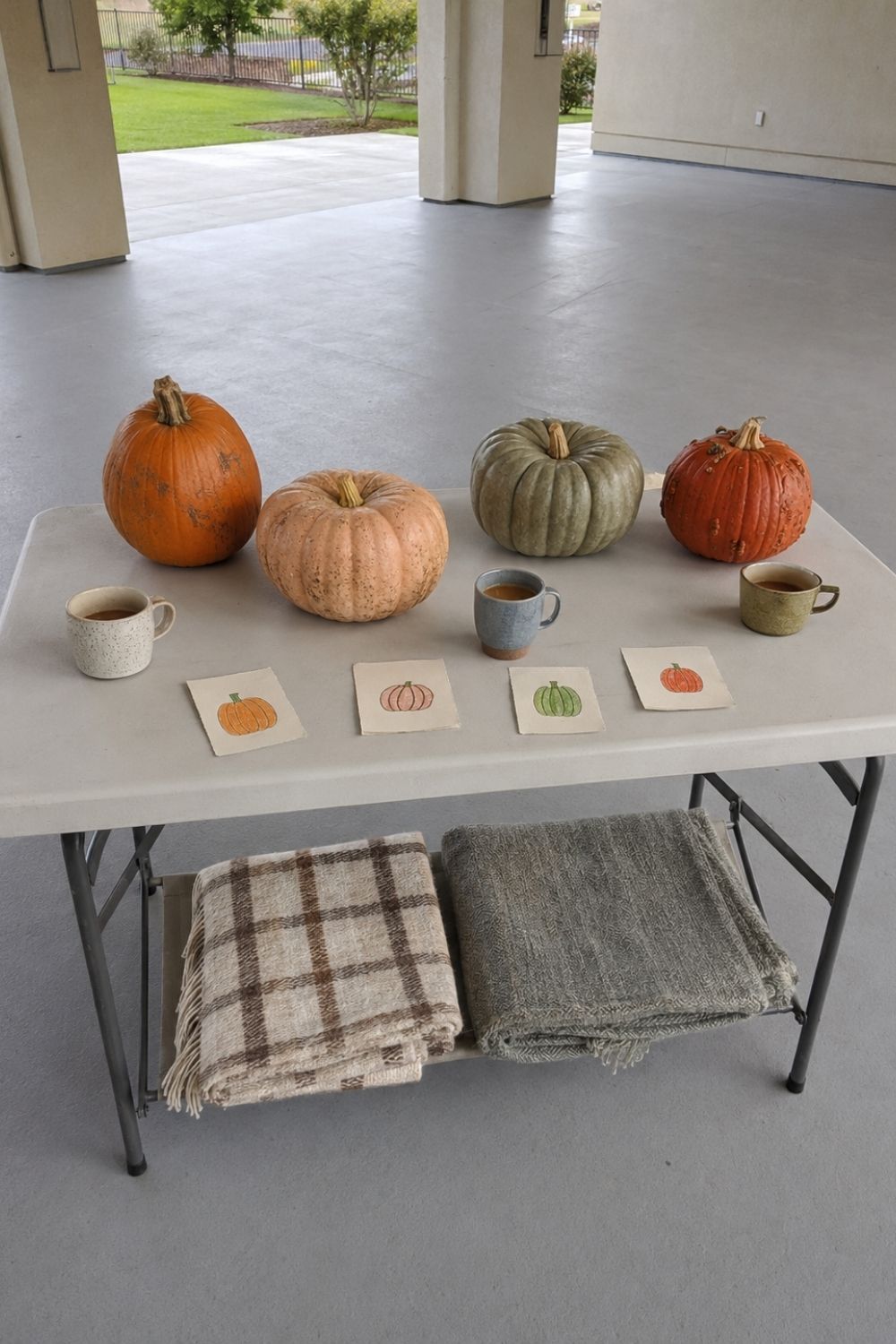
Set up a sheltered table as the group’s home base, then let residents choose whether to browse, select a pumpkin, take photographs, or stay seated with a warm drink.
Bring lap blankets and visible name tags according to facility policy.
Do not make walking the price of participation. Bring a mobile pumpkin display to residents staying behind.
23. Fall Foliage Drive With Three Story Stops
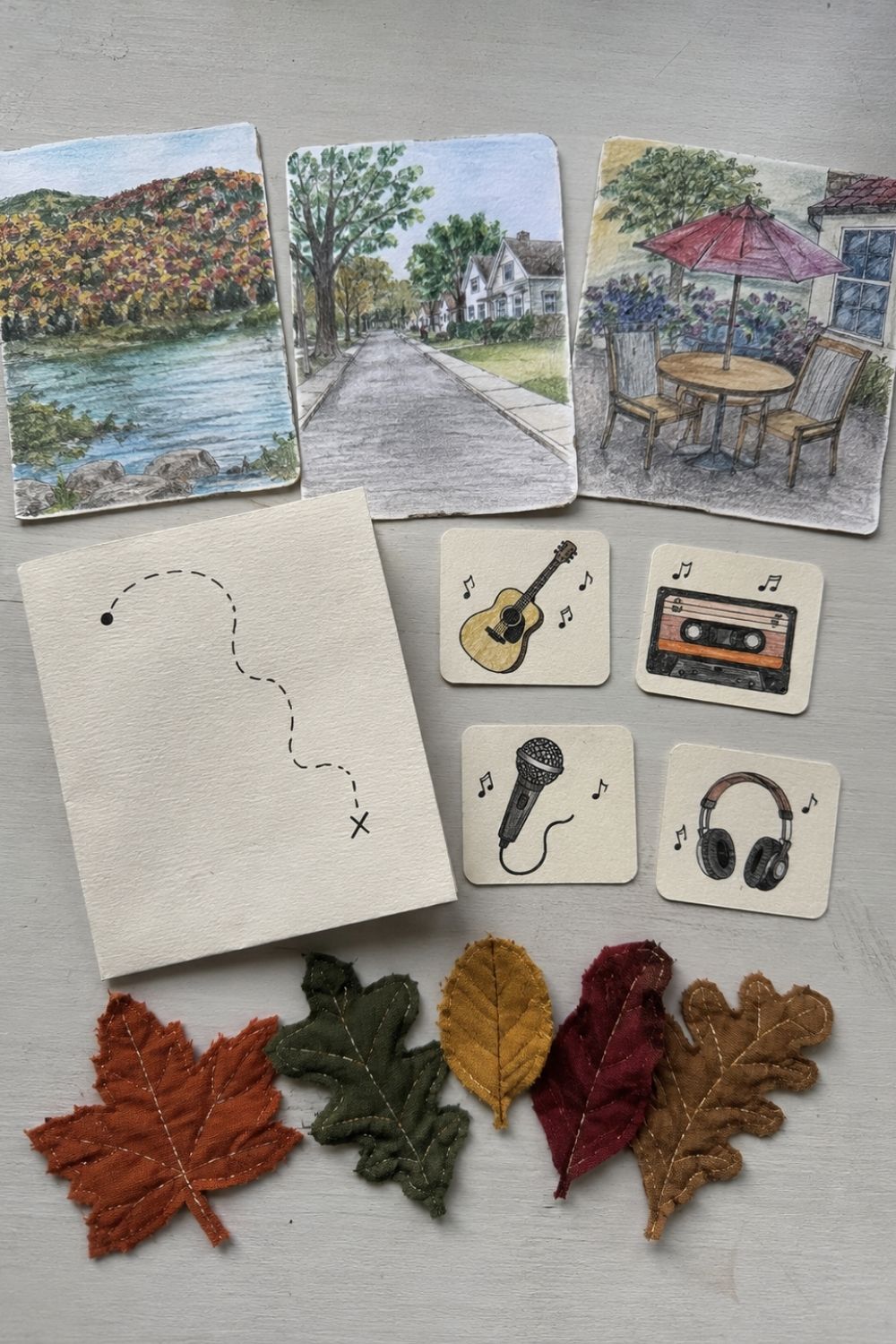
A drive becomes an activity when it has structure. Plan three safe stops: one for a view, one for a familiar neighborhood or landmark, and one for a drink or restroom break.
Let residents choose the music. Review the CDC’s older-adult fall-prevention resources when planning footwear, transfers, and walking surfaces.
24. Local History Museum “Preparing for Winter” Visit
Ask a local museum to build a short tour around household tools, clothing, food preservation, farming, or heating from residents’ younger years. Thirty focused minutes usually works better than wandering through every room.
If travel is difficult, request a loan box or presenter. Objects should invite stories, not test knowledge.
25. Oktoberfest Social With Resident Tasting Tables
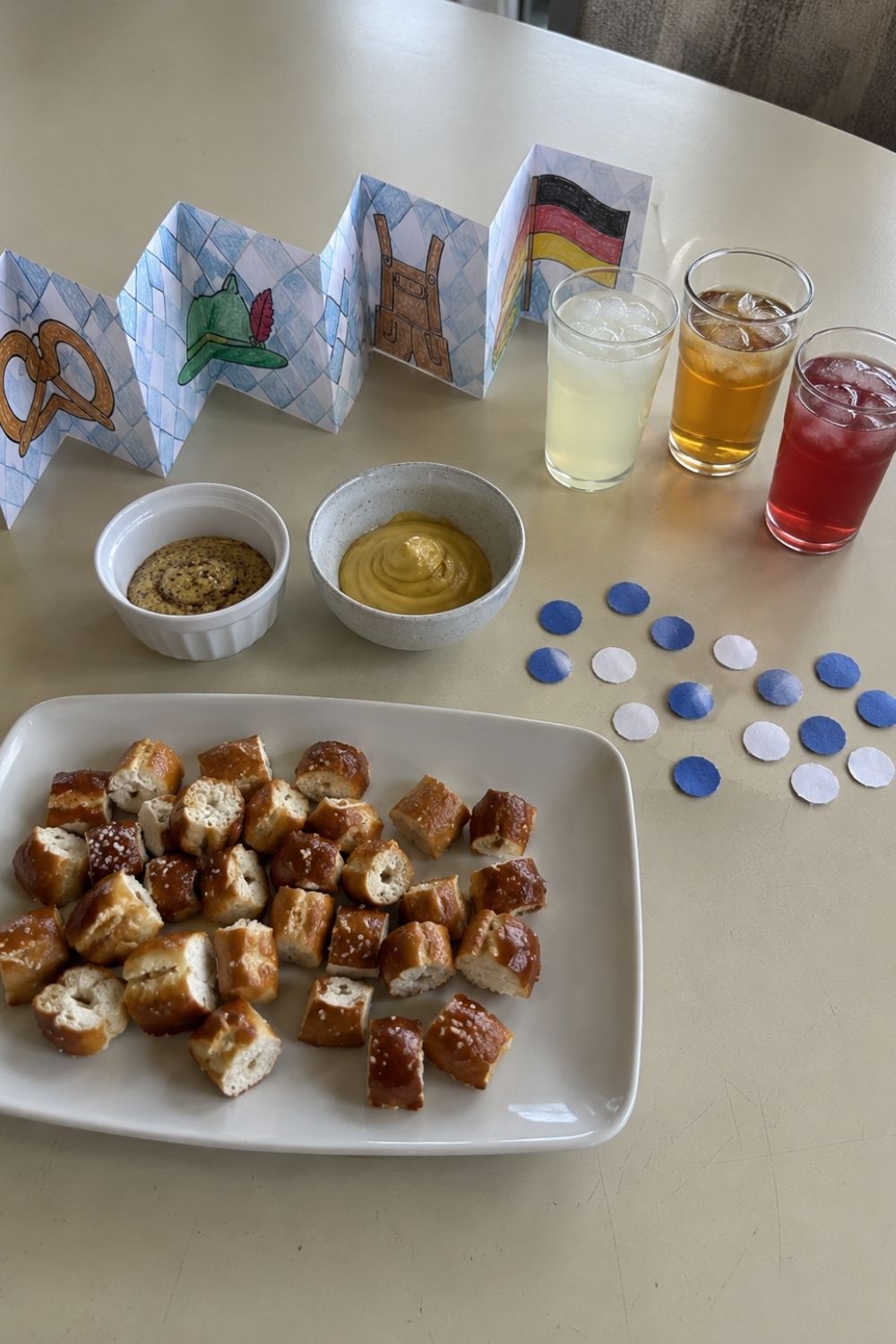
Create small stations for soft pretzel pieces, approved mustards, nonalcoholic beverages, accordion music, and large photographs of German towns and harvest festivals.
Residents can taste, listen, vote, or simply sit with the group.
Keep it cultural, not costume-driven. Use these Grandparents Day ideas for nursing homes for a separate September celebration.
How to Adapt These Activities for Bedbound Residents and Residents With Dementia
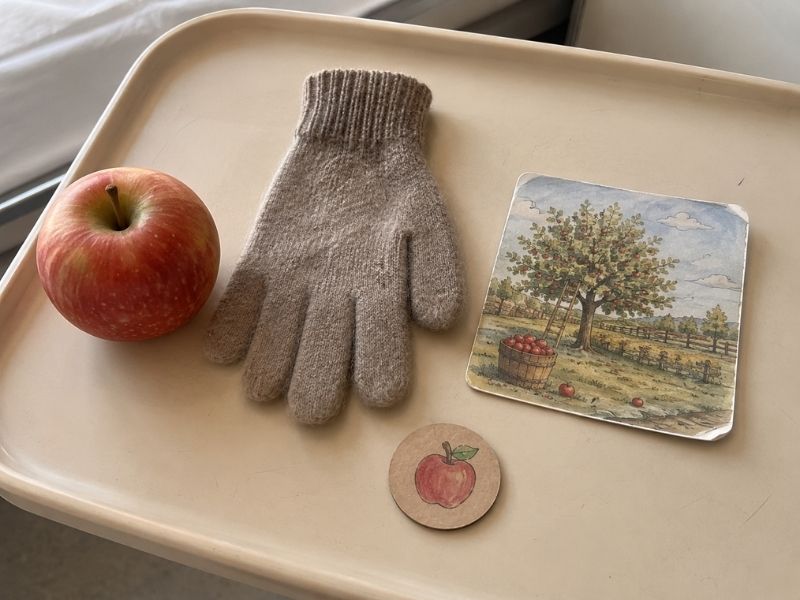
Bedbound programming should not feel like a smaller, sadder copy of the main event. Bring the best part of the activity to the room.
For the orchard visit, that might be two apples, a branch of leaves, and a thirty-second video of the cider press.
For the museum, it may be one wool glove, one photograph, and one unhurried question.
Use a one-object, one-action, one-question rhythm. Show the apple. Offer a smell or safe taste. Ask, “Sweet or tart?” Then stop. A resident does not need a tray crowded with six objects to have a rich experience.
For someone living with dementia, choose familiar actions over invented rules. Sorting produce, folding a scarf, placing an apple in a basket, or smoothing wool around soap can feel easier than following a three-step craft.
The Alzheimer’s Association’s activity-planning advice recommends adapting familiar activities to the person’s current abilities and keeping safety and enjoyment at the center.
Offer two choices, not ten. Demonstrate the action once. Speak slowly, leave time for a response, and do not correct a harmless memory.
Connection is the goal, not factual accuracy. These calm Halloween crafts for dementia patients show the same one-step, low-pressure approach when October arrives.
For fall activities for assisted living to be truly inclusive, assign different roles without announcing who has been “adapted.” One resident pours. One chooses. One watches the timer. One feels the fabric. One listens. Everyone belongs to the same activity.
A Four-Week Fall Programming Calendar
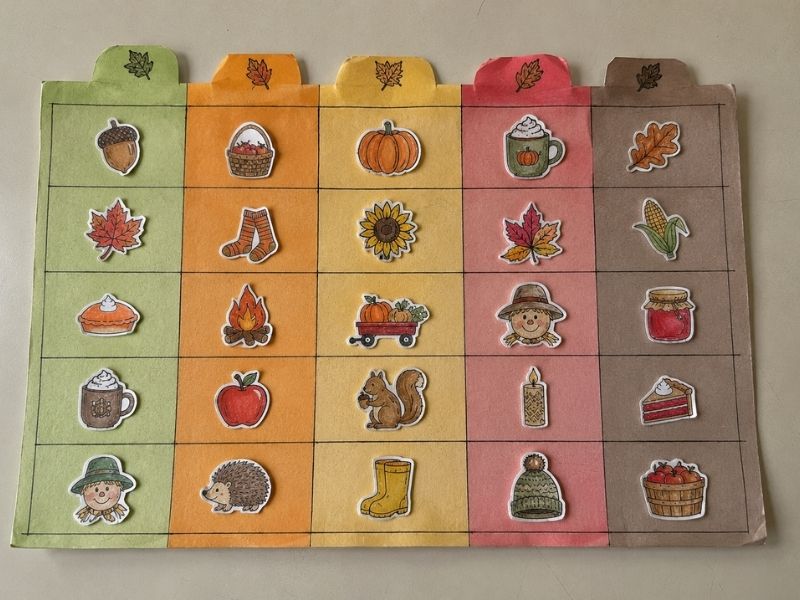
These fall activities for assisted living use all 25 ideas once and alternate energy levels. Do not schedule everything at the same hour. Morning may suit movement; late afternoon may suit tea, sound, or memory.
| Week | Monday | Tuesday | Wednesday | Thursday | Friday | Weekend |
| Week 1: Welcome Fall | 1. Apple tasting | 2. Sound postcards | 3. Color light table | 4. Produce market | 5. Tea flight | 6. School desk drawer |
| Week 2: Stories and Motion | 7. Winter suitcase | 8. Radio football | 9. Fall catalog | 10. Weather sayings | 11. Chair raking | 12. Apple bowling |
| Week 3: Move and Make | 13. Geese stretch | 14. Orchard reach | 15. Fall path course | 16. Paperwhite bulbs | 17. Soup kits | 18. Dinner rolls |
| Week 4: Create and Go | 19. Foil embossing | 20. Felted soap | 21. Apple orchard | 22. Pumpkin patch | 23. Foliage drive | Saturday: 24. Museum visit Sunday: 25. Oktoberfest social |
For a September celebration week, weave selected ideas around your National Assisted Living Week activities instead of stacking two full calendars together.
The resident-created work can also feed into National Assisted Living Week bulletin boards without scheduling another separate craft.
October needs its own mood. Keep these fall activities for assisted living as the non-Halloween backbone, then add one or two days from the Halloween Spirit Week plan or the larger collection of Halloween crafts for assisted living residents.
In November, the harvest crafts for seniors and Thanksgiving gratitude activities can take over the specifically holiday-centered days.
How to Photograph Fall Activities for the Facility’s Social Media
Start with permission, every time. A resident agreeing to join an activity is not automatically agreeing to appear on Facebook.
Follow the facility’s written consent policy, confirm who may be photographed, and give people an easy way to participate off-camera.
The U.S. Department of Health and Human Services has specifically warned healthcare organizations about posting patient photographs without valid written authorization in a HIPAA enforcement example involving facility websites.
Then photograph the activity, not just a row of faces. Capture hands comparing apples, a foil leaf catching window light, the winning bowling pin tipping over, or three paperwhite bulbs labeled with residents’ chosen names. Details tell the story without turning residents into props.
Use natural light when possible and avoid photographing someone while eating, receiving assistance, or looking uncomfortable.
Take one wide room photo, one hands-at-work image, and one finished-result shot. Skip cluttered medication carts, name boards, paperwork, door labels, and anything else that may reveal private information in the background.
For fall activities for assisted living, warm color already does most of the visual work. You do not need a heavy filter.
Clean the lens, step closer, keep the horizon straight, and let the real moment carry the post.
Frequently Asked Questions About Fall Activities for Assisted Living
What Are the Best Fall Activities for Assisted Living Residents With Dementia?
Choose familiar, one-step actions such as sorting produce, listening to autumn sounds, placing felt apples in a basket, or handling a school object. Keep questions optional, offer only two choices, and stop before the resident becomes tired or frustrated.
How Do You Include Bedbound Residents in Fall Programming?
Bring one sensory anchor and one clear action to the resident’s room: smell an apple, choose a tea, touch foil embossing, or listen to a short sound clip. A calm ten-minute visit can be more meaningful than carrying in the entire activity-room setup.
What Are Some Low-Cost Fall Activities for Assisted Living?
Weather sayings, autumn sound postcards, the school desk drawer, chair raking with reusable felt leaves, and a fall catalog circle can all cost almost nothing. Borrow objects, print only a few reusable image cards, and spend the budget on supplies residents can eat, use, gift, or grow.
How Long Should a Fall Activity Last?
Plan a strong twenty- to forty-five-minute core, then let residents leave or continue without fuss. Outings may run longer, but the active part should still include rest, toilets, hydration, and a clear way to return early.
How Many Fall Activities Should an Assisted Living Community Plan Each Week?
Three to five fall activities for assisted living each week are enough beside regular favorites. Fall should add flavor, not erase routines residents trust.
What Should Activity Directors Do When Weather Cancels an Outing?
Keep an indoor companion ready before announcing the trip. Bring in orchard apples, use a museum loan box, watch a short foliage drive video, or turn the pumpkin-patch plan into a seated produce market so the day still feels intentional.
How Can One Activity Work for Several Ability Levels at Once?
Build roles around choosing, handling, speaking, moving, sorting, watching, and helping. When each role contributes to the same shared result, residents receive support without being separated into an obvious “easy group.”
Save This for the Next Calendar Meeting
You do not need all 25 ideas in one month. Pick the five that match the people you know, not the residents an activity catalog imagines.
Save these fall activities for assisted living to your senior programming board, share the four-week calendar with your team, and circle one idea that feels genuinely new. Start there.
A season becomes memorable one good afternoon at a time.